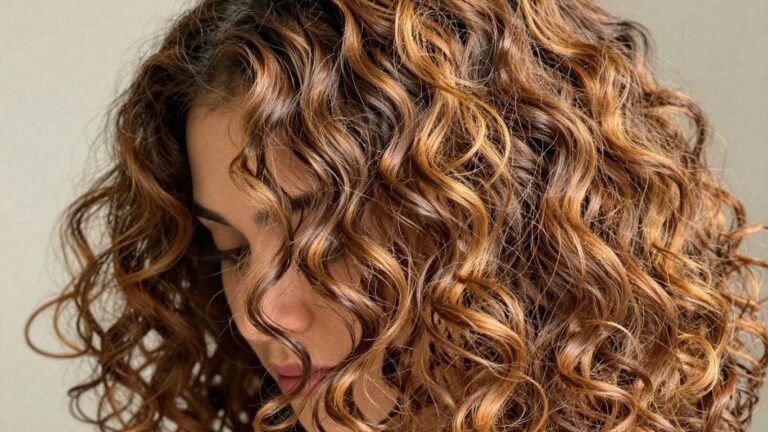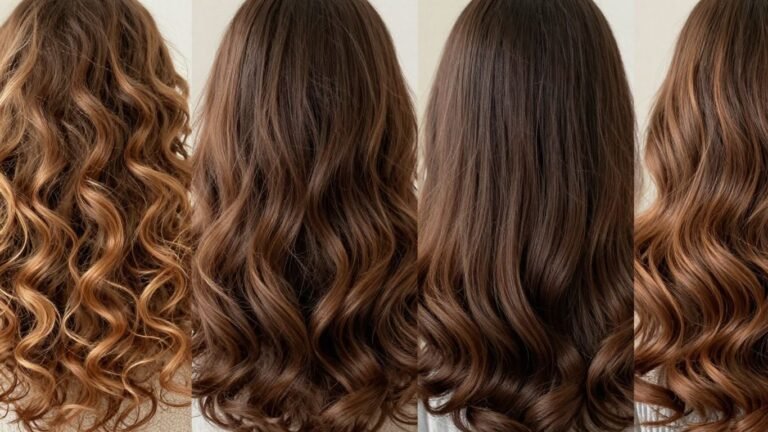
Mastering the art of detangling mixed hair is all about using the right approach. These key points will help you achieve smoother, more manageable hair with less hassle.
Key Takeaways
- Always start detangling on damp or wet hair that’s coated with a slippery product.
- Section your hair into smaller parts before you begin to make the process easier.
- Work from the ends of your hair upwards towards the roots to avoid creating bigger knots.
- Use your fingers or a wide-tooth comb, and be patient with stubborn tangles.
- Keep your hair moisturized between washes to prevent new tangles from forming.
Mastering The Art Of Detangling Mixed Hair
Detangling mixed hair can sometimes feel like a puzzle, right? It’s not just about pulling a comb through; it’s a whole process that needs a bit of finesse. The key is to work with your hair’s natural tendencies, not against them. When you get this right, detangling goes from a dreaded chore to a simple step in your hair care routine.
Embrace Moisture For Effortless Detangling
Dry hair is knot-prone hair. It’s that simple. Trying to detangle hair that’s bone dry is like trying to untangle a ball of yarn that’s been sitting in the sun for a week – it’s just going to break. So, the first rule of thumb? Always, always work on damp or wet hair. This doesn’t mean soaking wet, but definitely not dry. Adding water, or even better, a good conditioner or leave-in, gives your hair that much-needed slip. This slip is what allows your comb or fingers to glide through tangles instead of snagging on them. Think of it like lubricating a squeaky door hinge; a little product goes a long way to make things smooth.
The Power Of Sectioning For Manageable Strands
Look, nobody wants to spend hours on their hair. Sectioning is your best friend when it comes to making detangling faster and less frustrating. Instead of tackling your whole head at once, divide your hair into smaller, manageable chunks. Four to six sections is usually a good starting point, depending on how thick your hair is. Use clips to keep the sections you’re not currently working on out of the way. This way, you can focus your attention on one small area at a time, making sure you get every single knot out before moving on. It really makes the whole process feel less overwhelming.
Here’s a quick breakdown of how to section:
- Start by parting your hair down the middle from front to back.
- Then, create two more parts from ear to ear, creating four large sections.
- If your hair is very thick or prone to tangles, divide these four sections in half again, giving you eight smaller sections.
- Clip each section securely.
Gentle Tools For Pain-Free Detangling
What you use to detangle matters. Forget those fine-toothed combs that seem to grab onto every single strand. They’re just asking for breakage. Your best bet is to start with your fingers. They’re the most sensitive tool you have and allow you to feel out knots without causing too much tension. Once you’ve worked through the bulk of the tangles with your fingers, you can move on to a wide-tooth comb or a flexible detangling brush. These tools are designed to handle knots more gently. Remember, the goal is to minimize breakage and keep as much length as possible, and the right tools are a big part of that strategy.
Detangling isn’t a race. It requires patience and a gentle touch. Rushing the process will only lead to more knots and potential damage. Take your time, be kind to your hair, and you’ll see a significant difference in its manageability and health over time.
When you’re dealing with stubborn knots, don’t just yank. Apply a bit more product, gently work your fingers around the knot to loosen it, and then slowly comb through. This careful approach helps preserve the integrity of your hair strands and prevents unnecessary breakage, which is so important for maintaining healthy hair.
Choosing The Right Products For Detangling Mixed Hair
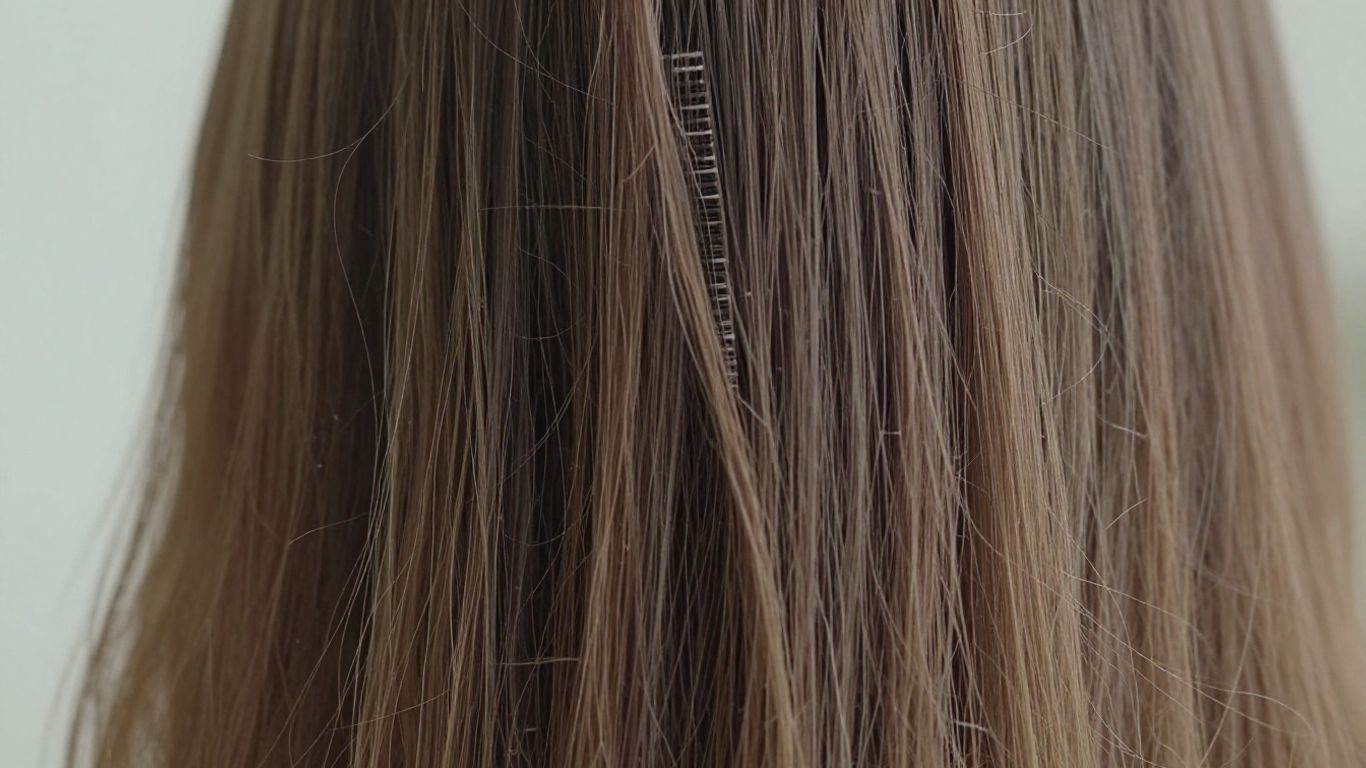
Okay, so you’ve got your detangling technique down, but what about the stuff you’re actually using? Picking the right products can make a world of difference, turning a frustrating chore into something… well, less frustrating. It’s all about finding things that help your comb or fingers glide through your hair without a fight.
The Importance Of Slip In Detangling Conditioners
When we talk about detangling, the word ‘slip’ comes up a lot. What does it even mean? Basically, slip is that slippery, smooth feeling you get when a product coats your hair strands. It’s what helps your comb or fingers slide past knots instead of getting stuck. Conditioners with good slip are your best friends when dealing with tangles. Ingredients like behentrimonium methosulfate are often the stars here, but natural ingredients like slippery elm extract and marshmallow root can also give you that much-needed glide. You want something that makes your hair feel slick, not sticky or heavy.
Leave-In Conditioners: Your Allies Against Knots
After you’ve rinsed out your wash-out conditioner, don’t stop there! Leave-in conditioners are like a protective shield for your hair between washes and during the detangling process. They add an extra layer of moisture and slip, making it easier to manage knots that might pop up. Think of them as your ongoing support system for smooth hair. Some popular choices include Kinky-Curly Knot Today, which is great for dissolving tough knots, or Mielle Organics Pomegranate & Honey Leave-In Conditioner for rich hydration. Finding a good leave-in can really help keep your curls tangle-free.
Exploring Product-Free Detangling Options
Now, I know what you might be thinking: ‘Do I really need a product?’ Sometimes, especially if your hair is already well-moisturized or you’re just dealing with minor tangles, you might be able to get away with just water. Using water alone can help soften knots, making them easier to work out with your fingers or a very gentle brush. It’s a great option if you’re trying to reduce the number of products you use or if you have sensitivities. However, for more stubborn tangles, a product with good slip is usually more effective and less likely to cause breakage. It’s about finding what works best for your hair on any given day.
Techniques For Successful Detangling Mixed Hair
Alright, let’s talk about the actual process of getting those knots out without losing half your hair. It sounds simple, but for mixed hair textures, it can feel like a battle. The good news is, with the right approach, it doesn’t have to be. It’s all about being smart and gentle.
The ‘Ends Upward’ Method For Minimizing Breakage
This is probably the most important thing to remember. Never, ever start detangling from the roots and pull down. Seriously, don’t do it. All you’re doing is pushing tangles into a bigger, tighter mess at the ends, and then you have to yank to get through it. That’s a fast track to breakage. Instead, grab a section of your hair, apply your detangling product generously, and start at the very tips. Gently work your fingers or a wide-tooth comb through the ends until they’re smooth. Once the ends are clear, move up a few inches and repeat. Keep going, slowly working your way up towards the scalp. It takes a little longer, but your hair will thank you. It’s a technique that really helps preserve length, much like how careful planning can help with property investment.
Patience And Gentleness: Key To Detangling Success
Look, detangling isn’t a race. If you’re rushing, you’re going to break things. It’s that simple. When you hit a knot that won’t budge, don’t force it. Apply more product, maybe some water if it’s drying out, and use your fingers to gently tease the knot apart. Think of it like untying a stubborn shoelace – you have to be patient and work with it. This careful approach is also super helpful if you’re prepping your hair for something like braids or just want it to feel soft and manageable.
Here’s a quick rundown of what to keep in mind:
- Work in small sections: Don’t try to tackle your whole head at once. Four to six sections is usually a good starting point.
- Keep it damp: Dry hair is brittle hair. Always detangle on damp or wet hair, especially when using conditioner.
- Listen to your hair: If a section feels like it’s resisting too much, back off and try again later or with more product.
Detangling is a process that requires mindfulness. It’s not just about removing knots; it’s about caring for your hair’s integrity. Treat each strand with respect, and you’ll see a big difference in how your hair feels and looks.
Detangling In The Shower For Maximum Slip
Honestly, one of the best tricks I’ve learned is to do a lot of my detangling in the shower. Why? Because you’ve already got conditioner in your hair, which provides amazing slip. Slip is that slippery feeling that lets your comb or fingers glide through your hair without snagging. After you shampoo, apply a good amount of conditioner (or a dedicated detangling treatment) to your hair, section it off, and detangle there. You can even let the conditioner sit for a few minutes before you start. It makes the whole process so much smoother and less of a chore. It’s a bit like having a comfortable base when you’re exploring a new place, such as the Northern Territory. You can rinse it all out when you’re done, and your hair will feel incredibly soft and knot-free.
Maintaining Detangled Mixed Hair Between Washes
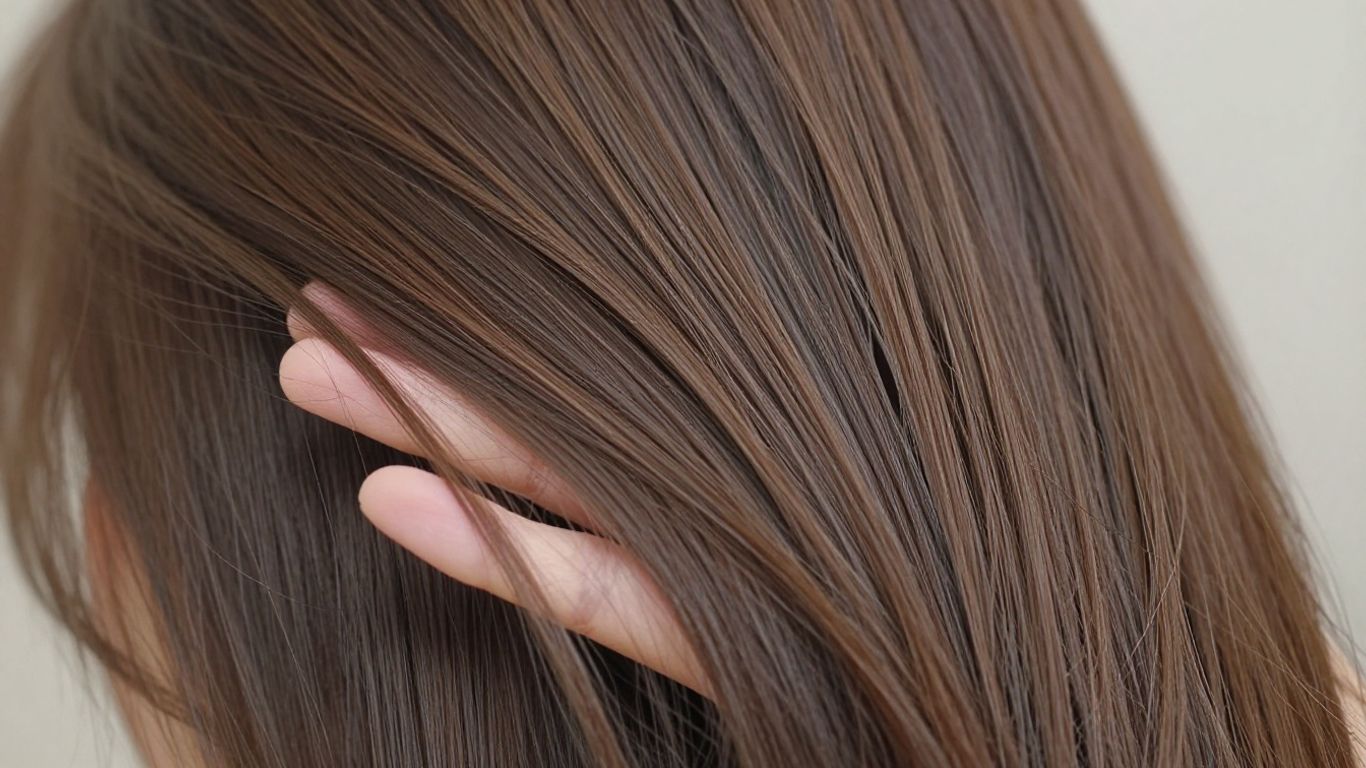
Keeping your hair smooth and knot-free between wash days is all about consistent, gentle care. It’s not about doing a full-on detangle every single day, but rather about small, mindful actions that prevent tangles from forming in the first place. Think of it as preventative maintenance for your strands. A little effort now saves a lot of frustration later.
Keeping Strands Moisturized For Tangle Prevention
Dry hair is a magnet for tangles. When your hair lacks moisture, the cuticle can become rough, making it easier for strands to snag on each other. To combat this, keep a spray bottle handy with plain water or a mix of water and a light leave-in conditioner. A quick spritz throughout the day, especially before bed or if you notice your hair feeling dry, can make a huge difference. This keeps your hair pliable and less prone to knotting up. It’s a simple step, but it really helps maintain that detangled state. You can also seal in that moisture with a light oil, focusing on the ends, which tend to get drier faster. This helps to create a smoother surface on each strand, reducing friction between them.
Protective Styles To Combat Knots
Protective styles are your best friend when it comes to minimizing tangles between washes. Styles like braids, twists, or buns keep your ends tucked away and prevent them from rubbing against clothing or getting caught on things. This reduces friction and the likelihood of new knots forming. When choosing a style, make sure it’s not too tight, as tension can lead to breakage and discomfort. The goal is to secure your hair gently, not to create stress on your scalp or strands. Even a loose pineapple or a silk scarf at night can significantly cut down on tangles caused by friction while sleeping. For longer periods between washes, consider styles that keep your hair contained, like flat twists or a low bun. This is a great way to preserve your detangling efforts and keep hair manageable.
Daily Spritzes For Softness And Manageability
Beyond just water, incorporating a light leave-in conditioner into your daily spritz routine can add an extra layer of softness and slip. This helps to keep your hair feeling smooth and makes any minor tangles that do pop up easier to work through with your fingers. Don’t overdo it, though; too much product can weigh your hair down. A few sprays are usually enough. If you’re heading out and want an extra boost, a light application of a hair butter or cream can also help seal in moisture and add definition, making your hair feel and look its best. It’s about finding that balance that works for your specific hair needs, keeping it soft and easy to manage without feeling heavy or greasy. Remember, consistency is key here; a little bit each day goes a long way in preventing major tangle issues down the line.
Maintaining detangled hair between washes isn’t about complex routines. It’s about simple, consistent habits that respect your hair’s texture and moisture needs. By keeping strands hydrated and protected, you significantly reduce the chances of waking up to a tangled mess or facing a daunting detangling session on your next wash day. This proactive approach makes hair care feel less like a chore and more like a gentle ritual.
Conclusion
Detangling mixed hair doesn’t have to be a chore. By focusing on moisture, using the right tools, and being patient, you can transform this often-dreaded step into a simple part of your hair care routine. Remember, gentle hands and the right products are your best allies in keeping your strands smooth, healthy, and tangle-free. Happy detangling!
Frequently Asked Questions
Should I detangle my hair when it’s wet or dry?
It’s always best to detangle your hair when it’s damp or wet and has a good amount of product in it. Detangling dry hair can lead to a lot more breakage because your hair isn’t as flexible. If your hair is really matted, like after taking out braids, you might start with oil before wetting it, as water can sometimes make mats worse.
Is it better to use my fingers or a comb for detangling?
You should actually use both! Start by gently using your fingers to break up the bigger tangles and to feel for any knots. After you’ve gotten most of the knots out with your fingers, then you can follow up with a wide-tooth comb to smooth everything out. This two-step approach is super effective.
Why does my hair break so much when I try to detangle it?
Hair breakage during detangling usually happens for a few reasons. It could be that you’re trying to detangle when your hair is dry, using a comb that’s too fine, starting from the roots and pulling down, rushing the process, or not using enough moisture. If you’re losing a lot of hair, take a look at your technique.
Can I detangle my hair every single day?
Most hair types don’t really need to be detangled every day. Doing it too often can actually cause more breakage because you’re handling your hair a lot. It’s better to do a thorough detangling session on wash days. You can do a quick finger-comb through between washes if needed, but don’t overdo it.
What’s the quickest way to detangle mixed hair?
There isn’t really a super-fast way to detangle without risking damage, but you can speed things up. Detangling in the shower while your conditioner is still in your hair gives you the most slip. Also, making sure your hair is well-moisturized before you even start washing can help. The more consistent you are, the less time detangling will take overall.
What kind of products should I look for to help with detangling?
Look for products that have a lot of ‘slip.’ This means they make your hair feel slippery and smooth, which helps the tangles slide out easily. Conditioners, especially rinse-out ones and leave-in conditioners, are great for this. Sprays designed specifically for detangling can also be very helpful.