
Acne is a common yet complex condition that often begins in puberty and can persist into adulthood. It’s not just a series of unsightly blemishes but a multifaceted health issue that can have significant physical and psychological impacts. This article, ‘Navigating Acne: A Lifelong Journey from Puberty to Adulthood,’ aims to explore the various stages of life where acne is prevalent, shedding light on the biological, emotional, and social aspects of dealing with this skin condition. We will delve into the nuances of acne management throughout different life phases, offering insights and guidance for those seeking to understand and address their skin health over time.
Key Takeaways
- Acne is a complex condition influenced by hormonal changes, and its management requires an understanding of both the biology of breakouts and the psychological impacts on self-esteem.
- The adolescent years are a critical period for acne onset, where puberty triggers both skin changes and emotional challenges, necessitating tailored coping strategies and support systems.
- During the reproductive years, the menstrual cycle, pregnancy, and birth control can all significantly affect acne, highlighting the need for personalized treatment approaches.
- Transitioning into adulthood with chronic acne involves navigating healthcare systems and understanding the role of diet and lifestyle in managing adult acne effectively.
- The aging process brings about its own set of skin challenges, including acne during perimenopause and menopause, requiring strategies for healthy aging and psychological adaptation.
Understanding Acne: More Than Just Skin Deep

The Biology of Breakouts: Hormones and Skin Changes
Acne is often perceived as a hallmark of adolescence, but it’s a condition that can persist or even start in adulthood. The biggest factor behind acne across different life stages is hormonal fluctuations. These changes can trigger sebaceous glands to produce excess oil, leading to clogged pores and breakouts.
Hormones such as estrogen and testosterone play pivotal roles in skin health. During puberty, the surge in these hormones can cause the skin to become more oily and susceptible to acne. Similarly, during peri-menopause and menopause, declining estrogen levels can lead to dryness and a resurgence of acne in some adults.
- Estrogen: Maintains skin moisture and elasticity
- Testosterone: Increases oil production
While hormonal imbalances are a key contributor to acne, it’s important to recognize that individual responses to these changes vary greatly.
Understanding the biological underpinnings of acne is crucial for developing effective treatment strategies. It’s not just about managing symptoms but also about addressing the root causes that stem from within our endocrine system.
Psychological Impact: Self-Esteem and Social Pressures
The mental health effects of acne extend far beyond the skin’s surface. For many, the presence of acne can significantly undermine self-esteem, leading to a cascade of psychological challenges. Acne can do a number on your self-esteem and, without proper support, may contribute to more severe mental health issues such as depression.
Adolescents, in particular, face a heightened vulnerability as they navigate the complex social dynamics of their peer groups. The desire to be accepted and the fear of negative judgment can amplify the distress caused by acne. This period of life is marked by an increased sensitivity to the opinions of others, often leading to a distorted body image and a relentless pursuit of perfection.
The journey to self-acceptance and a positive self-image is crucial. Therapeutic interventions that focus on body image and self-esteem can play a transformative role in enhancing emotional well-being.
Here are some key points to consider:
- Adolescents are highly sensitive to peer acceptance and may interpret others’ behavior as negative judgment.
- Close relationships and feeling accepted by their peer group are essential for balancing these feelings.
- Mental health professionals can help challenge distorted body image beliefs and foster a healthier self-perception.
Treatment Options: From Topical Solutions to Lifestyle Changes
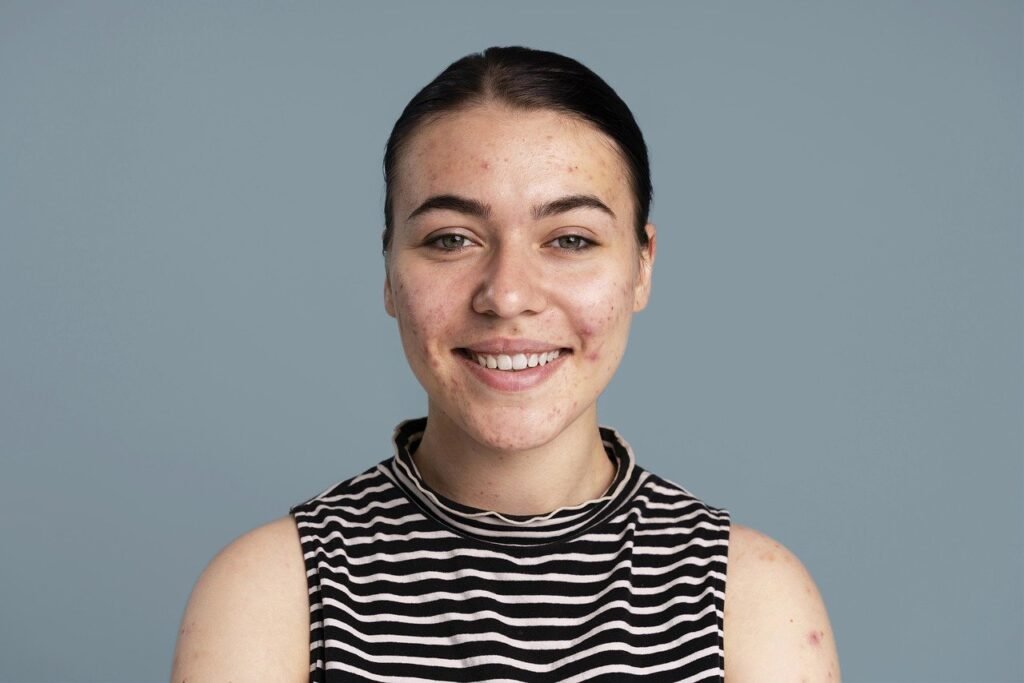
When it comes to managing acne, a multi-faceted approach often yields the best results. Topical treatments are the first line of defense, with options ranging from over-the-counter products to prescription medications. These typically contain active ingredients like benzoyl peroxide, salicylic acid, or retinoids, which help to unclog pores and reduce inflammation.
In addition to topical solutions, lifestyle changes play a crucial role in acne treatment. Simple adjustments such as maintaining a balanced diet, staying hydrated, and reducing stress can have a significant impact on skin health. For instance, incorporating anti-inflammatory foods and ensuring adequate hydration can support the body’s natural healing processes.
- Heat Therapy: Apply warm compresses to affected areas to soothe the skin.
- Exercise: Engage in activities that promote blood circulation and reduce stress.
- Hydration and Diet: Focus on water-rich foods and avoid high-glycemic index items.
- Stress Management: Adopt relaxation techniques like meditation or yoga.
- Natural Remedies: Aloe Vera, Green Tee, Zinc and Apple Cider Vinegar.
While medication can be effective, embracing a holistic approach that includes home remedies and lifestyle modifications can enhance treatment outcomes and promote long-term skin health.
It’s important to remember that each individual’s skin is unique, and what works for one person may not work for another. Consulting with a dermatologist can help tailor a treatment plan that addresses specific concerns and skin types.
The Adolescent Years: Acne’s Prime Time
Navigating Puberty: Acne’s Onset and Fluctuations
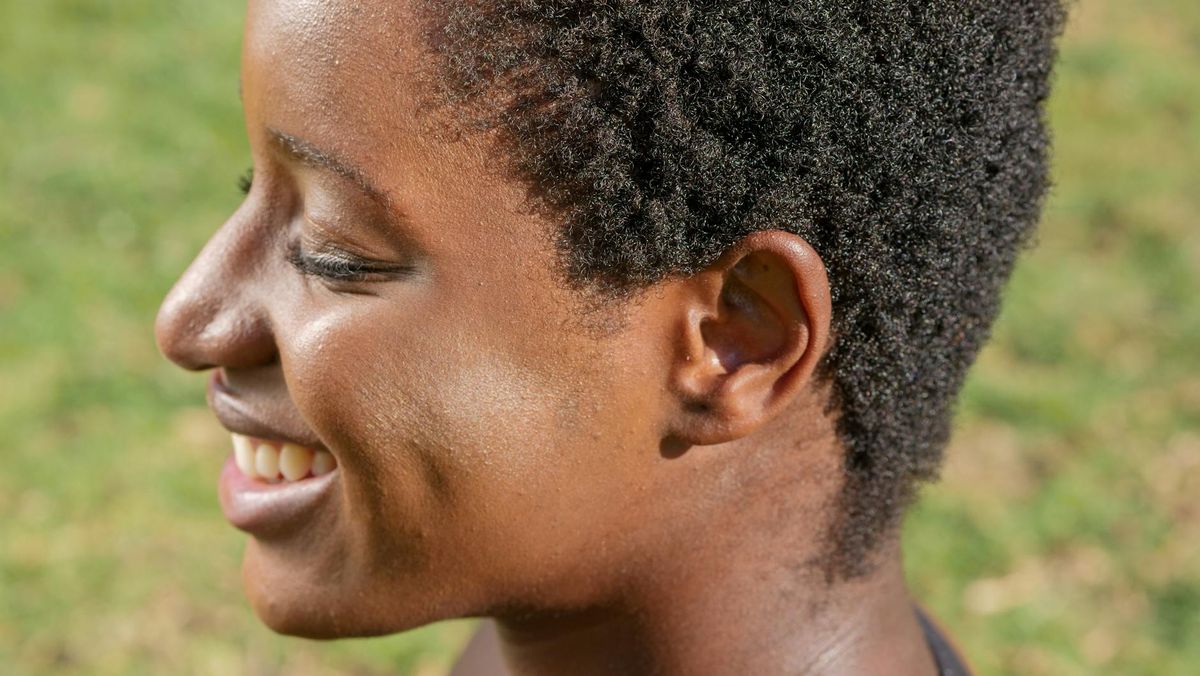
As adolescents transition from childhood into adulthood, they encounter a phase of dramatic bodily changes. The onset of puberty marks a period of increased vulnerability to health challenges, including the emergence of acne. This skin condition often becomes a companion through the teenage years, fluctuating with hormonal tides.
Acne during puberty is not just a physical issue; it’s a complex interplay of biology, emotions, and social dynamics. Adolescents require more sleep and are more susceptible to mood swings, which can exacerbate skin problems. Recognizing the multifaceted nature of acne can help in developing a holistic approach to management.
- Understand the hormonal changes and their impact on the skin
- Acknowledge the emotional and psychological effects
- Create a supportive environment for open discussions
- Encourage consistent skincare routines
- Explore various treatment options, including lifestyle adjustments
While acne can be persistent and sometimes severe, it’s important to remember that it is a common part of growing up. With the right support and care, most teens can manage their acne effectively and maintain their self-esteem.
Adolescent Health Challenges: Sleep, Mood, and Skin
The adolescent years are marked by a whirlwind of changes that can significantly impact health. Sleep becomes a critical factor, with the need for more rest colliding with a lifestyle often filled with late nights and early mornings. This lack of sleep not only affects mood and cognitive function but also has a direct connection to skin health. The limbic system takes the driver’s seat in decision-making, leading to emotional-based choices and heightened stress levels, which can exacerbate skin conditions like acne.
Adolescents are navigating a delicate balance between growing independence and the need for support. Understanding their unique health challenges is key to providing the right guidance and care.
The relationship between sleep quality and skin health is not to be underestimated. As the Sleep Doctor suggests, improving sleep can ease acne and other disorders. Yet, initiating better sleep habits is a challenge in itself. Here’s a simple step-by-step approach to enhance sleep for better skin:
- Establish a consistent bedtime routine.
- Reduce screen time at least an hour before sleep.
- Create a sleep-conducive environment: cool, dark, and quiet.
- Encourage physical activity during the day to promote nighttime tiredness.
These steps, while seemingly straightforward, can make a profound difference in an adolescent’s overall well-being and their journey through puberty.
Empowering Teens: Coping Strategies and Support Systems
Empowering adolescents in their battle with acne involves more than just addressing the physical symptoms; it’s about nurturing their mental resilience and providing them with tools to cope with the emotional challenges. Building a supportive network is crucial, as it helps teens feel seen, heard, and understood, reinforcing that they are not alone in their struggles.
Resilience plays a key role in not just surviving, but thriving, despite the challenges acne may bring. It’s important for teens to learn that experiencing difficulties and disappointments is a part of life that can foster growth and strength. Adults can aid in this process by offering choices, allowing teens to practice making constructive decisions and feel a sense of empowerment.
- Encourage personal self-reflection to help teens gain mastery over tumultuous emotions.
- Provide opportunities for side-by-side work, allowing adults to share information and teach skills in a non-offensive manner.
- Recognize the importance of timely intervention, such as therapy, to build resilience and prevent poor self-esteem.
While it may not be possible to completely prevent acne, guiding teens through the process of reframing negative thoughts can significantly shift their self-talk towards a more positive and constructive direction.
The Reproductive Years: Acne and Fertility
Hormonal Shifts: Understanding the Menstrual Cycle’s Effects on Acne
The menstrual cycle is a beautifully complex system that prepares the body for potential pregnancy every month. By understanding each phase, you can better tune into your body, predict symptoms, and make informed decisions about your reproductive health. Menstruation causes hormonal changes that can result in breakouts. Learn when your skin is most acne-prone during your cycle and how to treat it.
The luteal phase, which occurs right before menstruation, is when progesterone levels rise. This hormonal shift can lead to physical symptoms such as breast tenderness, mood swings, fatigue, or bloating. Many premenstrual symptoms (PMS) occur during this phase, and it’s also when you’re most likely to experience acne flare-ups.
It’s essential to dispel common misconceptions surrounding the menstrual cycle and acne. While it’s true that hormonal fluctuations can exacerbate skin conditions, not every woman will experience acne during her cycle. Each individual’s response to hormonal changes is unique, and factors like stress, diet, and sleep can also play significant roles.
- Day 1-5: Menstrual Phase – Hormonal levels are low; some may experience a decrease in acne.
- Day 6-14: Follicular Phase – Estrogen peaks, potentially improving skin clarity.
- Day 15-28: Luteal Phase – Progesterone rises, often leading to increased acne.
Pregnancy and Acne: Managing Breakouts During a Time of Change
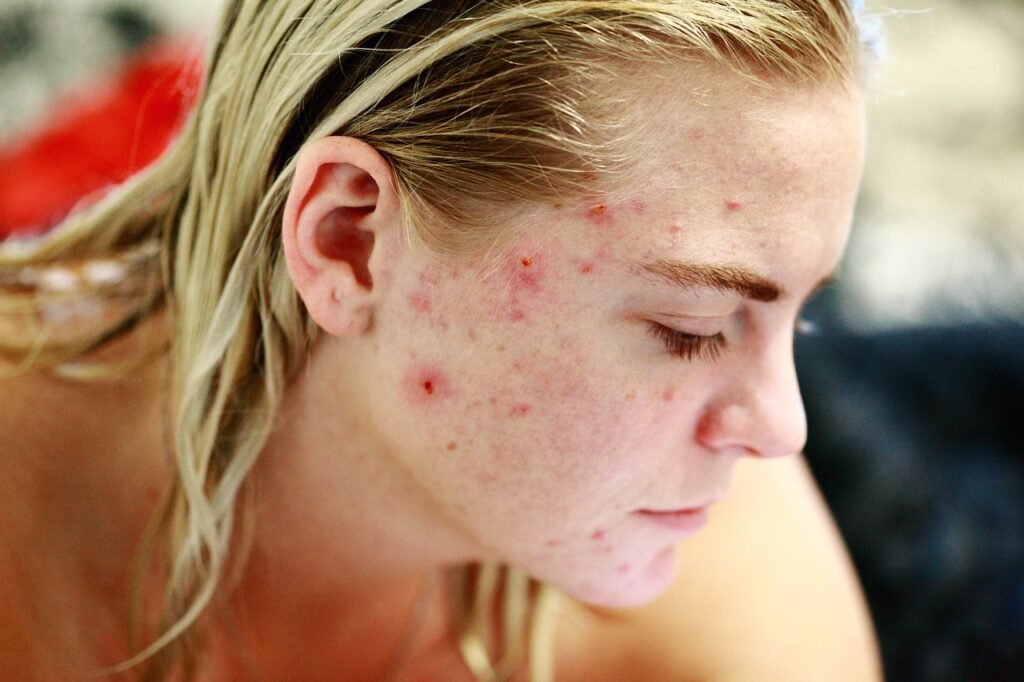
Pregnancy is a time of significant transformation, not just for the body as a whole, but for the skin as well. The surge of hormones can lead to an increase in oil production, which may cause acne to flare up. Managing acne during pregnancy requires a careful approach, as many common acne treatments are not recommended due to potential risks to the developing baby.
Self-care and gentle skincare routines become paramount during this period. It’s advisable to focus on non-irritating, non-comedogenic products and to avoid harsh chemicals. Here are some safe practices for managing acne while pregnant:
- Use mild cleansers and avoid over-washing
- Apply oil-free moisturizers to keep the skin balanced
- Refrain from picking or squeezing pimples to prevent scarring
Focus on Lifestyle Changes Wherever Possible. Ultimately, the safest way to handle acne during pregnancy is to improve and maintain your self-care skin routine.
Consulting with a dermatologist is crucial for personalized advice. They can recommend safe topical treatments like azelaic acid or erythromycin if necessary. Remember, while acne can be distressing, it’s often temporary and can be managed with the right care.
Birth Control and Acne: The Double-Edged Sword
For many, birth control is a beacon of hope for managing acne. The hormonal regulation provided by contraceptives, particularly combination pills, can lead to clearer skin. However, the journey isn’t straightforward for everyone. Some individuals may experience an exacerbation of acne, especially with progestin-only pills or certain implants.
- Combination pills: Often improve acne by reducing androgen levels and sebum production.
- Progestin-only pills: May worsen acne in some cases.
- Implants: Can have variable effects on acne, depending on individual hormonal responses.
It’s crucial to have a candid conversation with your healthcare provider about the potential skin-related side effects of birth control. They can guide you in choosing a method that aligns with your health goals and lifestyle.
Remember, consistency is key when using birth control for acne management. Skipping doses or irregular use can diminish the benefits and may lead to unpredictable skin reactions.
Transitioning into Adulthood: Chronic Acne and Healthcare

From Pediatric to Adult Care: Managing Ongoing Acne Treatment
Transitioning from pediatric to adult care for chronic acne is a pivotal moment in a young adult’s health journey. Ensuring a seamless transition of care is crucial for those whose acne began in childhood and persists into adulthood. Discussions between the pediatrician, the young adult, and the family doctor are essential. This collaborative approach guarantees that the healthcare needs of the young adult are well understood, with a clear plan for ongoing management.
Continuity of care is key when managing chronic conditions like acne. Coordination between healthcare providers is necessary to ensure that the individual continues to receive the appropriate treatments, medications, and support. Here are some steps to consider during this transition:
- Schedule a transition planning meeting with your pediatrician.
- Identify a family doctor or adult dermatologist who understands your acne history.
- Ensure all medical records are transferred accurately.
- Discuss and update your treatment plan as needed.
- Inquire about follow-up care and recommendations post-visit.
It’s important to empower yourself with knowledge about your condition and the available treatment options. Proactive engagement in your healthcare decisions can lead to better management of your acne and overall well-being.

The Role of Diet and Lifestyle in Adult Acne
The connection between diet, lifestyle, and adult acne is a topic of ongoing research and debate. Dietary choices may influence the severity and frequency of acne breakouts. Foods with a high glycemic index, such as sugary snacks and refined carbohydrates, can trigger hormonal fluctuations that exacerbate acne. Conversely, a diet rich in omega-3 fatty acids, antioxidants, and low-glycemic foods may help to calm inflammation and improve skin health.
Stress and sleep patterns also play a crucial role in skin health. Chronic stress can lead to increased production of cortisol, a hormone that can worsen acne. Ensuring adequate sleep and managing stress through mindfulness or exercise can be beneficial.
Lifestyle modifications, such as regular exercise and maintaining a balanced diet, are essential for managing adult acne. These changes not only improve skin health but also contribute to overall well-being.
Here are some lifestyle adjustments that can support clearer skin:
- Incorporating anti-inflammatory foods into your diet
- Reducing intake of high-glycemic index foods
- Prioritizing sleep and stress management techniques
- Staying hydrated and limiting alcohol consumption
- Regular exercise to reduce stress and improve circulation

Navigating Healthcare: Finding the Right Support for Adult Acne
When it comes to adult acne, finding the right healthcare support is crucial. Accessing reliable information and support is the first step in managing this persistent condition. It’s important to remember that pimples can pop up at any age due to hormones and genetics, but there are at-home treatments that can help.
It’s essential to be kind to yourself during this time and give your body the support it needs.
Here are some steps to consider when seeking healthcare support for adult acne:
- Inquire about follow-up care and any recommendations post-visit.
- Seek educational resources that provide guidance on managing and preventing future breakouts.
- Ensure you understand when to seek further medical attention if necessary.
By taking these steps, you can empower your decisions and manage your skin’s health with confidence.
Embracing Change: Acne Through the Aging Process
Perimenopause and Menopause: Acne’s Last Hurrah?
As women transition into perimenopause and menopause, they often encounter a paradoxical skin condition: the emergence or resurgence of acne. The decline in estrogen levels, which is characteristic of this life stage, can lead to a decrease in skin moisture and elasticity, inadvertently setting the stage for acne to appear. This is because estrogen is instrumental in maintaining the skin’s health by promoting collagen and oil production.
Estrogen isn’t the only hormone that affects the skin during this time; androgens (male hormones present in all women) remain constant or can even increase, which may stimulate oil glands and contribute to breakouts. Here’s a quick look at how hormonal changes can impact the skin:
- Decline in estrogen: Leads to drier skin and potential for acne.
- Constant/increase in androgens: May stimulate oil production and cause acne.
- Collagen production decreases: Results in less elastic skin, which can affect acne healing.
While it may seem counterintuitive, this period of life requires a delicate balance of skincare that addresses both the dryness and the potential for acne. It’s a time for reassessment and adaptation of skincare routines to meet the evolving needs of the skin.
Navigating this phase successfully often involves a combination of over-the-counter treatments, prescription medications, and lifestyle adjustments. It’s essential to consult with a healthcare provider to tailor a regimen that works for individual skin types and concerns, ensuring that the journey through menopause is as smooth as possible.
Strategies for Healthy Aging Skin: Beyond Acne
As we age, our skin’s needs evolve, and the focus shifts from merely treating acne to embracing a holistic approach to skin health. Hydration emerges as a cornerstone of maintaining a youthful complexion, with water serving as a natural moisturizer that combats fine lines and supports clear skin. Smoking exacerbates skin aging by impairing blood flow, which is crucial for collagen production and maintaining a vibrant complexion.
Embracing a regimen that includes gentle, hypoallergenic skin products is essential for nurturing aging skin. These products minimize irritation and bolster the skin’s natural repair processes.
In addition to topical treatments, lifestyle choices play a pivotal role in skin wellness. Here are some key strategies:
- Ensure adequate hydration to prevent dehydration and its accompanying symptoms.
- Choose skin care products with ingredients like hyaluronic acid to lock in moisture.
- Maintain a diet rich in nutrients that promote skin health.
- Consider comfortable attire that doesn’t irritate the skin.
- Seek follow-up care and recommendations to manage skin health over time.
The Psychological Journey: Acceptance and Adaptation
The journey through acne is as much psychological as it is physical. Acceptance and adaptation are key milestones in the process of dealing with chronic skin conditions. As individuals age, the relationship with their skin can evolve from one of frustration to one of understanding and acceptance.
Adaptation to the changes in one’s skin, particularly during the aging process, involves a shift in perspective. It’s about recognizing that acne may no longer signify youth but is instead a sign of ongoing hormonal shifts and life changes. This realization can be empowering, as it encourages a proactive approach to skincare and self-care.
- Acknowledge the emotional impact of acne
- Embrace the changes with positivity
- Reframe the narrative around skin health
- Cultivate a growth mindset
- Seek support when needed
The path to acceptance is not linear; it is filled with ups and downs, but each step forward is a step towards a healthier relationship with oneself and one’s skin.

Conclusion
Navigating the journey of acne from puberty to adulthood is a testament to the resilience of the human body and spirit. As we have explored, acne is not merely a skin condition but a complex interplay of hormonal changes, lifestyle factors, and emotional well-being. It is a companion through various life stages, from the tumultuous years of adolescence to the evolving challenges of adult life. Understanding and managing acne requires patience, knowledge, and often a personalized approach. Whether it’s seeking professional medical advice, adopting a healthy lifestyle, or finding emotional support, the key is to embrace the journey with grace and self-compassion. Remember, acne is a common thread in the tapestry of growing up, and with the right guidance, it can be navigated successfully, leaving us with lessons in self-care and confidence that last a lifetime.
Frequently Asked Questions
What causes acne to flare up during puberty?
Acne during puberty is primarily caused by hormonal changes that increase oil production in the skin, leading to clogged pores and breakouts.
How does sleep affect adolescent acne?
Lack of sleep can exacerbate acne in adolescents by increasing stress and inflammation in the body, which can worsen skin conditions.
Can pregnancy affect acne?
Yes, pregnancy can lead to hormonal fluctuations that may either improve or worsen acne, varying from person to person.
How does the transition from pediatric to adult care impact acne treatment?
Transitioning to adult care often involves a more comprehensive approach to acne treatment, considering long-term skincare and overall health.
What role does diet play in managing adult acne?
Diet can influence acne in adults; certain foods may trigger breakouts, while a balanced diet can help reduce inflammation and improve skin health.
Are there any strategies to manage acne during menopause?
Yes, strategies include maintaining a consistent skincare routine, using non-comedogenic products, and consulting a dermatologist for personalized treatment options.

I don’t think the title of your article matches the content lol. Just kidding, mainly because I had some doubts after reading the article.
Your point of view caught my eye and was very interesting. Thanks. I have a question for you.
Your article helped me a lot, is there any more related content? Thanks!
Your point of view caught my eye and was very interesting. Thanks. I have a question for you.
Can you be more specific about the content of your article? After reading it, I still have some doubts. Hope you can help me. https://www.binance.info/el/register-person?ref=IQY5TET4
https://t.me/s/Top_BestCasino/140
Can you be more specific about the content of your article? After reading it, I still have some doubts. Hope you can help me. https://accounts.binance.com/ar-BH/register-person?ref=S5H7X3LP
I don’t think the title of your article matches the content lol. Just kidding, mainly because I had some doubts after reading the article.
Hello would you mind sharing which blog platform you’re using? I’m planning to start my own blog soon but I’m having a tough time making a decision between BlogEngine/Wordpress/B2evolution and Drupal. The reason I ask is because your design and style seems different then most blogs and I’m looking for something completely unique. P.S My apologies for being off-topic but I had to ask!
Your point of view caught my eye and was very interesting. Thanks. I have a question for you.