
Disclosure: This article may contain affiliate links. If you buy through them, Mixed Nature may earn a commission at no extra cost to you. This never affects our honest assessment of a product. See our Affiliate Disclosure for details.
Skin issues are pretty common, and knowing which ones might pop up is useful. In 2025, there are eight skin conditions that you should definitely keep on your radar. From the ever-annoying acne to the mysterious vitiligo, here’s a quick guide to what you need to know.
Key Takeaways
- Acne is still a leading skin issue for many people, affecting teens and adults alike.
- Eczema causes itchy, inflamed skin and can be triggered by various factors, including stress and allergens.
- Psoriasis involves thick, red patches of skin and needs medical treatment to manage symptoms.
- Rosacea leads to facial redness and can be mistaken for acne but requires different care.
- Ringworm is a fungal infection, not an actual worm, and is highly contagious.
1. Acne

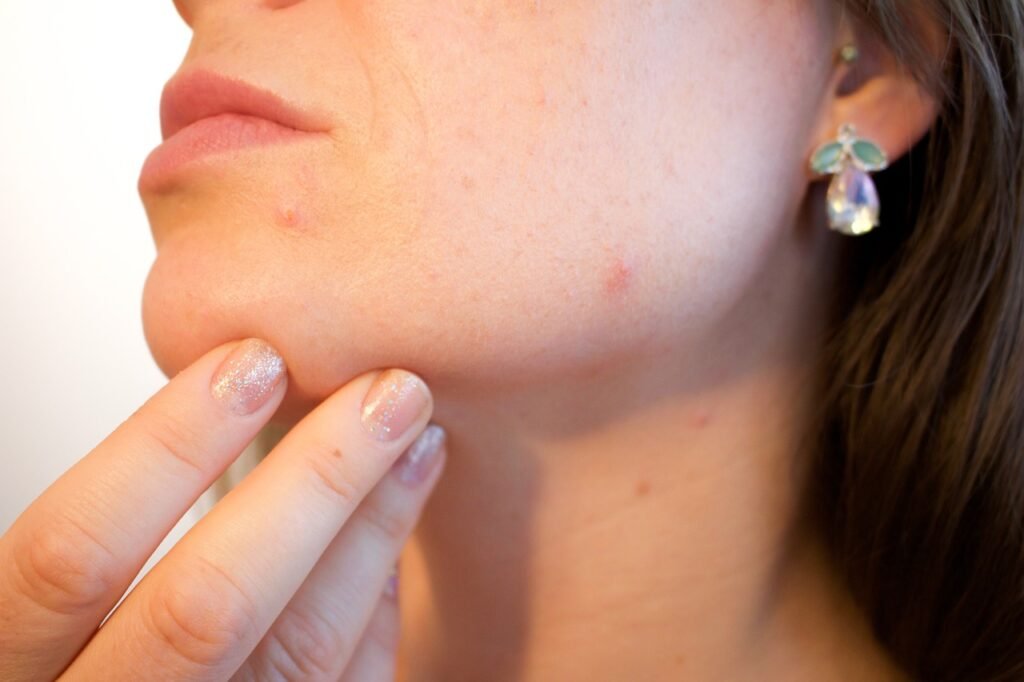
Acne is something almost everyone deals with at some point. It happens when oil and dead skin cells clog your pores, leading to those pesky pimples. You know the ones—whiteheads that pop up under the skin, and blackheads that look dark because they’re exposed to air. It’s the most common skin condition in the U.S., affecting millions each year.
Types of Acne
- Whiteheads: Closed clogged pores.
- Blackheads: Open clogged pores.
- Pimples: Red, inflamed spots with a white center.
- Cysts and Nodules: Painful, deep lumps under the skin.
Causes
A mix of factors can cause acne, including:
- Hormonal changes, especially during puberty.
- Excess oil production.
- Bacteria called Cutibacterium acnes.
- Inflammation of the skin.
Treatment Options
Treating acne isn’t one-size-fits-all. It varies based on where it appears, its type, and your age. Options include:
- Topical Treatments: Creams and gels like benzoyl peroxide.
- Oral Medications: Antibiotics or retinoids.
- Lifestyle Changes: Diet adjustments and skincare routines.
- Advanced Therapies: Laser treatments or corticosteroid injections.
Acne isn’t just a teenage problem. It can persist into adulthood, affecting people well into their 30s and 40s. Women are particularly prone to adult acne, with up to 15% experiencing it.
Managing Acne
Dealing with acne requires patience. Here are some tips:
- Keep your skin clean but avoid over-washing.
- Use non-comedogenic skincare products.
- Don’t pick or squeeze pimples to prevent scarring.
Remember, if over-the-counter treatments don’t work, it might be time to see a dermatologist. They can help tailor a treatment plan that’s right for you.
2. Eczema
Eczema, or dermatitis, is a condition that makes your skin red, itchy, and inflamed. It’s not contagious, but it can be quite uncomfortable. Atopic dermatitis is the most common type, often starting in childhood, though it can appear at any age. This type of eczema is linked to a dysfunctional skin barrier, which leads to dryness and itchiness.
Symptoms
- Dry, sensitive skin
- Red, inflamed patches
- Severe itching
- Crusting or oozing
Common Triggers
- Harsh soaps and detergents
- Stress
- Certain foods
- Environmental factors like cold weather
Treatment Options
- Moisturizers: Keeping skin hydrated is crucial. Use thick creams or ointments rather than lotions.
- Topical Steroids: These can help reduce inflammation and itching.
- Antihistamines: Helpful for controlling severe itching.
- Biologics: Newer medications like Dupixent can target specific parts of the immune system.
- Light Therapy: Ultraviolet light can help control symptoms in some cases.
Living with eczema can be challenging, but understanding your triggers and maintaining a consistent skincare routine can make a big difference. Remember, it’s about managing the symptoms and preventing flare-ups.
Lifestyle Tips
- Avoid Triggers: Identify and stay away from things that cause your eczema to flare up.
- Gentle Cleansing: Use mild, fragrance-free products.
- Stress Management: Techniques like yoga or meditation might help reduce stress-related outbreaks.
Eczema is a lifelong condition for many, but with the right strategies, it can be managed effectively. Stay informed and proactive in your skincare routine to keep those flare-ups at bay.
3. Psoriasis
Psoriasis is a bit of a mystery, isn’t it? It’s this chronic skin condition that speeds up how fast your skin cells grow. Normally, skin cells take weeks to form, but with psoriasis, they pile up in just days. What you get are these thick, silvery patches, often on the elbows, knees, lower back, and scalp.
Living with psoriasis can be tough. It’s not just about the skin—it can affect your whole life, from your mood to your daily routine.
Key Facts
- Prevalence: Affects about 7.5 million people in the U.S.
- Age Group: Mostly adults, especially between 45 and 64.
- Possible Links: Tied to other conditions like diabetes and heart disease.
Treatment Options
- Topical Treatments: Good for mild cases; think creams and ointments.
- Phototherapy: Uses UV light to slow down skin cell growth.
- Systemic Medications: These work throughout the body and include traditional drugs and newer biologics.
- Combination Therapy: Sometimes, mixing treatments gives the best results.
Lifestyle Tips
- Eat a balanced diet and exercise regularly.
- Manage stress and get enough sleep.
- Keep your skin moisturized and avoid known triggers.
Psoriasis isn’t just skin-deep, so if you’re dealing with it, seeing a dermatologist is a smart move. They can help tailor a plan that suits your needs.
4. Rosacea
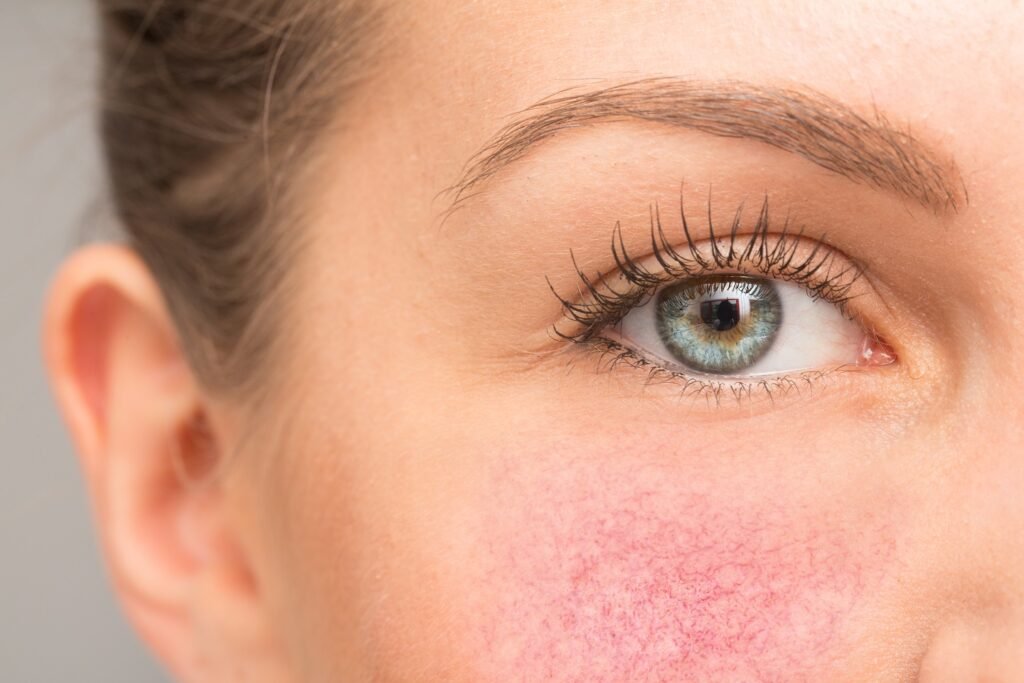
Rosacea is a common skin condition that mainly affects the face, causing redness, visible blood vessels, and sometimes acne-like breakouts. It’s a bit of a mystery why it happens, but it seems to be linked to both genetics and environmental factors. While there’s no cure for rosacea, treatments can help manage its symptoms.
Key Facts About Rosacea
- Most commonly affects adults between 30 and 60 years old.
- Fair-skinned individuals, especially those with blond hair and blue eyes, are more prone to it.
- Women, particularly during menopause, are at a higher risk.
- Family history can play a role in developing this condition.
Symptoms
Rosacea can manifest in several ways:
- Persistent redness on the cheeks, nose, chin, or forehead.
- Small blood vessels become visible on the skin.
- Acne-like breakouts that can be mistaken for pimples.
- Ocular rosacea can cause irritation and redness in the eyes.
Treatment Options
Treatment isn’t one-size-fits-all and may include:
- Topical medications: Creams or gels to reduce redness and inflammation.
- Oral antibiotics: These can help control inflammation and treat bumps and pimples.
- Laser therapy: Used to reduce redness and visible blood vessels.
For those struggling with rosacea, the FDA’s recent approval of minocycline for rosacea offers a promising new treatment option.
Living with rosacea can be challenging, but with the right treatment plan, many find significant relief from their symptoms. It’s important to consult a dermatologist to tailor a treatment plan that works for you.
Keeping track of triggers like sun exposure, spicy foods, and alcohol can also help manage flare-ups. Regular check-ins with a healthcare provider can ensure that your treatment plan remains effective.
5. Ringworm
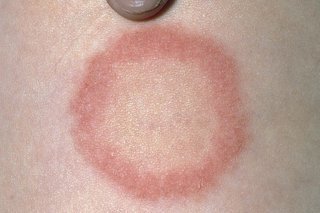
Ringworm, despite its creepy name, isn’t caused by a worm at all. It’s a contagious fungal infection known as tinea or dermatophytosis. It gets its name from the red, circular rash it creates on the skin. This rash often has a clearer center, which can make it look like a ring.
Symptoms
- Itchy and Red Skin: The rash is usually itchy and can be red or pink on lighter skin, while it might appear brown or gray on darker skin.
- Scaly Patches: These patches can be raised and spread outward.
- Hair Loss: Sometimes, the affected area may lose hair, particularly if the scalp is involved.
Diagnosis
Diagnosing ringworm is generally straightforward. A doctor might just look at the rash, but sometimes they’ll take a skin sample to check under a microscope.
Treatment
Treating ringworm involves antifungal medications. For most cases, over-the-counter creams or ointments work well. In more stubborn cases, a doctor might prescribe oral antifungal pills.
Prevention
To avoid getting ringworm, it’s wise to:
- Keep your skin clean and dry.
- Avoid sharing personal items like towels or clothing.
- Wear flip-flops in communal showers or locker rooms.
If you suspect you have ringworm, it’s important to get it checked out. Quick treatment can prevent it from spreading to others.
For more detailed information about Ringworm of the Skin, including symptoms and treatment options, consult a specialist.
6. Impetigo
Impetigo is a common bacterial skin infection that mostly affects children. It’s caused by two types of bacteria: Streptococcus pyogenes and Staphylococcus aureus. This condition is highly contagious, often spreading through close contact or by sharing towels, clothing, or toys.
Symptoms
- Red sores or blisters that can burst and ooze, then form a yellow-brown crust
- Itchy rash, sometimes accompanied by discomfort
- Sores typically appear around the nose and mouth but can spread to other parts of the body
Causes
Impetigo often starts when bacteria enter the skin through cuts, insect bites, or other injuries. It thrives in warm, humid environments and is more likely to occur if the skin is already irritated or inflamed, such as from eczema.
Treatment
- Topical antibiotics: Creams or ointments applied directly to the sores
- Oral antibiotics: Prescribed in more severe cases or when topical treatments don’t work
- Keeping the affected area clean and covered to prevent the spread
Impetigo is one of those infections that can be annoying but is usually not serious. With proper treatment, it clears up in a week or so.
For more information on impetigo, including how to manage and prevent it, see impetigo is a bacterial skin infection characterized by blisters that may rupture.
7. Cellulitis
Cellulitis is a common skin infection that can become quite serious if not treated promptly. It occurs when bacteria, usually Staphylococcus or Streptococcus, enter the skin through a cut, scrape, or other break in the skin. This infection can spread rapidly, making early treatment essential.
Symptoms
- Red, swollen, and tender skin that might feel warm to the touch.
- The affected area may appear like an orange peel in texture.
- Fever and chills can accompany the skin changes.
Risk Factors
- Individuals with weakened immune systems, such as those with diabetes, are more susceptible.
- Conditions like eczema or athlete’s foot can increase the risk by creating breaks in the skin.
- Overweight individuals and those with lymphatic system issues are also at higher risk.
Treatment
- Antibiotics: Oral antibiotics are typically prescribed, but severe cases might require intravenous antibiotics in a hospital.
- Self-care: Elevating the affected area can help reduce swelling and speed up recovery.
- Monitoring: It’s crucial to watch for signs of spreading, like red streaks or increased pain, which require immediate medical attention.
Quick action is key when dealing with cellulitis. Ignoring it can lead to more severe complications, so don’t hesitate to seek medical advice if you suspect an infection.
8. Vitiligo
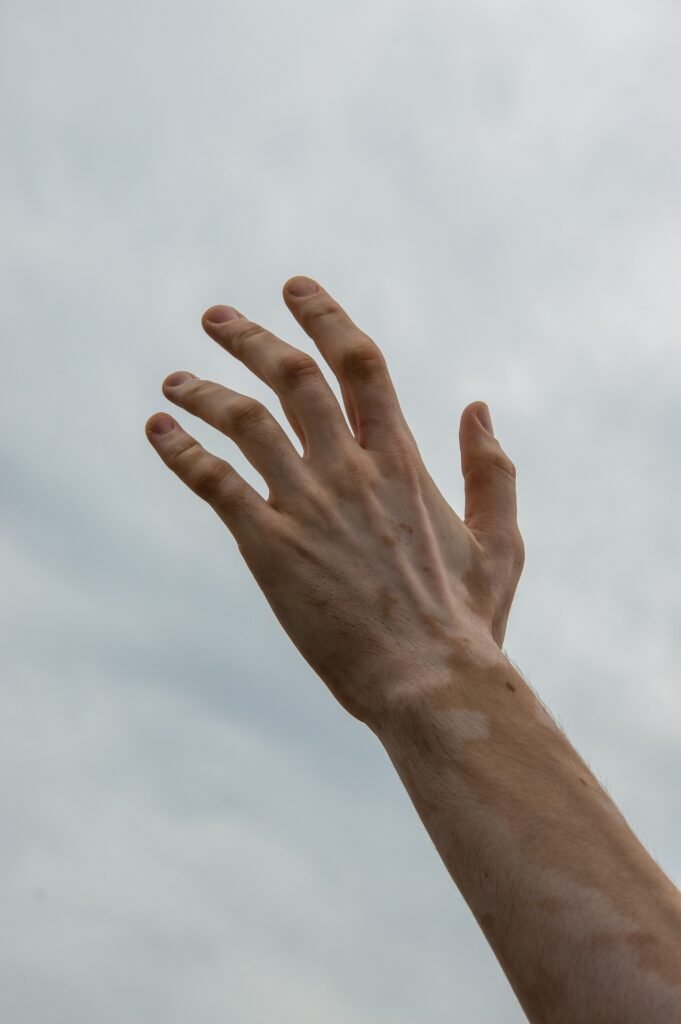
Vitiligo is a skin condition where patches of skin lose their pigment, turning lighter than the surrounding areas. This happens because the cells responsible for skin color, called melanocytes, are destroyed. The exact cause isn’t fully understood, but it’s believed to be related to an autoimmune response.
Types of Vitiligo
- Localized Vitiligo: Only a few small areas lose color.
- Segmental Vitiligo: Affects one side of the body.
- Generalized Vitiligo: The most common type, with widespread loss of skin color.
Symptoms
- White or lighter patches of skin.
- Premature graying of hair on the scalp or face.
- Often starts on areas exposed to the sun, like the hands, feet, arms, and face.
Treatment Options
While vitiligo doesn’t require treatment, some people choose to manage it for cosmetic reasons. Treatment options include:
- Topical creams: These may help restore some skin color.
- Light therapy: Aims to even out skin tone.
- Surgery: In some cases, skin grafting or tattooing might be considered.
Living with vitiligo can be challenging due to its visible nature, but many find ways to embrace their unique appearance. Support groups and counseling can be helpful for those struggling with self-esteem issues related to the condition.
Impact on Life
Vitiligo is more noticeable on people with darker skin, which can sometimes lead to social stigma. It’s important to educate others and promote understanding about this condition.
Key Takeaways
- Vitiligo affects people of all skin types but is more visible on darker skin.
- It’s not contagious and doesn’t cause physical discomfort.
- Support and understanding can significantly improve the quality of life for those affected.
In summary, while vitiligo alters the appearance of the skin, it doesn’t impact physical health. Embracing diversity and fostering awareness can help reduce the stigma associated with this condition.
Wrapping It Up
So, there you have it, folks. Skin conditions can be a real pain, but knowing what you’re dealing with is half the battle. From acne to eczema, and everything in between, it’s important to keep an eye on your skin and not ignore any changes. Remember, a lot of these conditions are manageable with the right care and attention. If something seems off, don’t hesitate to reach out to a healthcare provider. Your skin is your body’s largest organ, after all, and it deserves some love and care. Stay informed, stay healthy, and don’t forget the sunscreen!
Frequently Asked Questions
What is acne and who gets it?
Acne is a skin problem that causes pimples, blackheads, and whiteheads. It mostly affects teenagers, but adults can have it too.
How do you know if you have eczema?
Eczema makes your skin red, itchy, and dry. If you have these signs, you might have eczema.
Can psoriasis be cured?
Psoriasis can’t be cured, but treatments can help manage it. It causes red, scaly patches on the skin.
What causes rosacea?
Rosacea makes your face red and sometimes bumpy. It’s not clear what causes it, but things like spicy food and stress can make it worse.
Is ringworm caused by a worm?
No, ringworm is not a worm. It’s a skin infection caused by a fungus and makes a ring-shaped rash.
How can you prevent impetigo?
To prevent impetigo, keep your skin clean and avoid sharing personal items like towels.



Can you be more specific about the content of your article? After reading it, I still have some doubts. Hope you can help me.
I don’t think the title of your article matches the content lol. Just kidding, mainly because I had some doubts after reading the article.
I don’t think the title of your article matches the content lol. Just kidding, mainly because I had some doubts after reading the article.
Your article helped me a lot, is there any more related content? Thanks!
Thanks for sharing. I read many of your blog posts, cool, your blog is very good.
Your article helped me a lot, is there any more related content? Thanks!
Well I sincerely enjoyed studying it. This post offered by you is very useful for good planning.
Your article helped me a lot, is there any more related content? Thanks!
Thank you for your sharing. I am worried that I lack creative ideas. It is your article that makes me full of hope. Thank you. But, I have a question, can you help me?
This blog is definitely rather handy since I’m at the moment creating an internet floral website – although I am only starting out therefore it’s really fairly small, nothing like this site. Can link to a few of the posts here as they are quite. Thanks much. Zoey Olsen
Hello would you mind letting me know which hosting company you’re working with? I’ve loaded your blog in 3 completely different internet browsers and I must say this blog loads a lot faster then most. Can you recommend a good web hosting provider at a honest price? Thanks a lot, I appreciate it!
Can you be more specific about the content of your article? After reading it, I still have some doubts. Hope you can help me.
Thanks for sharing. I read many of your blog posts, cool, your blog is very good.
I have been exploring for a little for any high quality articles or blog posts on this kind of space . Exploring in Yahoo I finally stumbled upon this site. Studying this information So i am happy to show that I have a very good uncanny feeling I discovered just what I needed. I most unquestionably will make certain to don?¦t disregard this website and provides it a glance regularly.
Regards for helping out, great information.
Wonderful goods from you, man. I have take into account your stuff previous to and you are simply too fantastic. I really like what you have bought here, certainly like what you’re saying and the way in which you say it. You make it entertaining and you continue to take care of to keep it sensible. I cant wait to learn much more from you. This is really a tremendous web site.
Thank you for another informative blog. Where else could I get that type of information written in such an ideal way? I have a project that I am just now working on, and I have been on the look out for such information.
Your article helped me a lot, is there any more related content? Thanks! https://accounts.binance.info/ru/register-person?ref=O9XES6KU
Thank you for your sharing. I am worried that I lack creative ideas. It is your article that makes me full of hope. Thank you. But, I have a question, can you help me?
Can you be more specific about the content of your article? After reading it, I still have some doubts. Hope you can help me. https://www.binance.info/ru-UA/register?ref=JVDCDCK4
Thank you for another informative blog. Where else could I get that kind of info written in such a perfect way? I have a project that I am just now working on, and I have been on the look out for such information.