Key Takeaways
Inclusive beauty marks a fundamental shift toward welcoming every individual regardless of their background or physical traits. This article explores essential pillars of representation, product development, and industry accountability.
- Beauty standards are evolving to celebrate authentic individuality over rigid, historical norms.
- Consumer trust relies on transparency, shared values, and tangible product accessibility.
- Intersectionality requires brands to consider age, culture, and chronic health needs simultaneously.
- Gender-neutral approaches dismantle binary marketing to reach a broader, more diverse audience.
- True progress is measured by leadership representation and authentic change rather than just marketing metrics.
The core definition of inclusive beauty
Defining beauty beyond traditional standards
At its heart, the inclusive beauty meaning is about acknowledging that personal care is not a monolith. For too long, the industry prioritized narrow tropes that left many feeling excluded. We are now seeing a necessary expansion toward recognizing the unique needs of every person, a philosophy that Mixed Nature champions by providing resources for diverse hair textures.
Challenging historical industry limitations
Historical standards were often built upon exclusion, rarely catering to those who did not fit a standardized image of conventional attractiveness. When we look back at mainstream campaigns, the lack of representation often mirrored deeper systemic issues within corporate decision-making environments. Brands are now tasked with recognizing these past oversights and moving toward a more compassionate model that highlights the reality of human existence.
The spectrum of diversity in modern beauty
Diversity today encompasses everything from skin tone and hair texture to age and ability. It is no longer acceptable to treat marginalized beauty needs as an afterthought or a secondary market. By embracing the new face of beauty, companies are finally acknowledging that true innovation stems from designing for the many, not the few. This shift allows for an honest appreciation of individual aesthetics that actually resonate with the modern consumer.
Why inclusive beauty matters for the consumer
Representation and the psychological impact
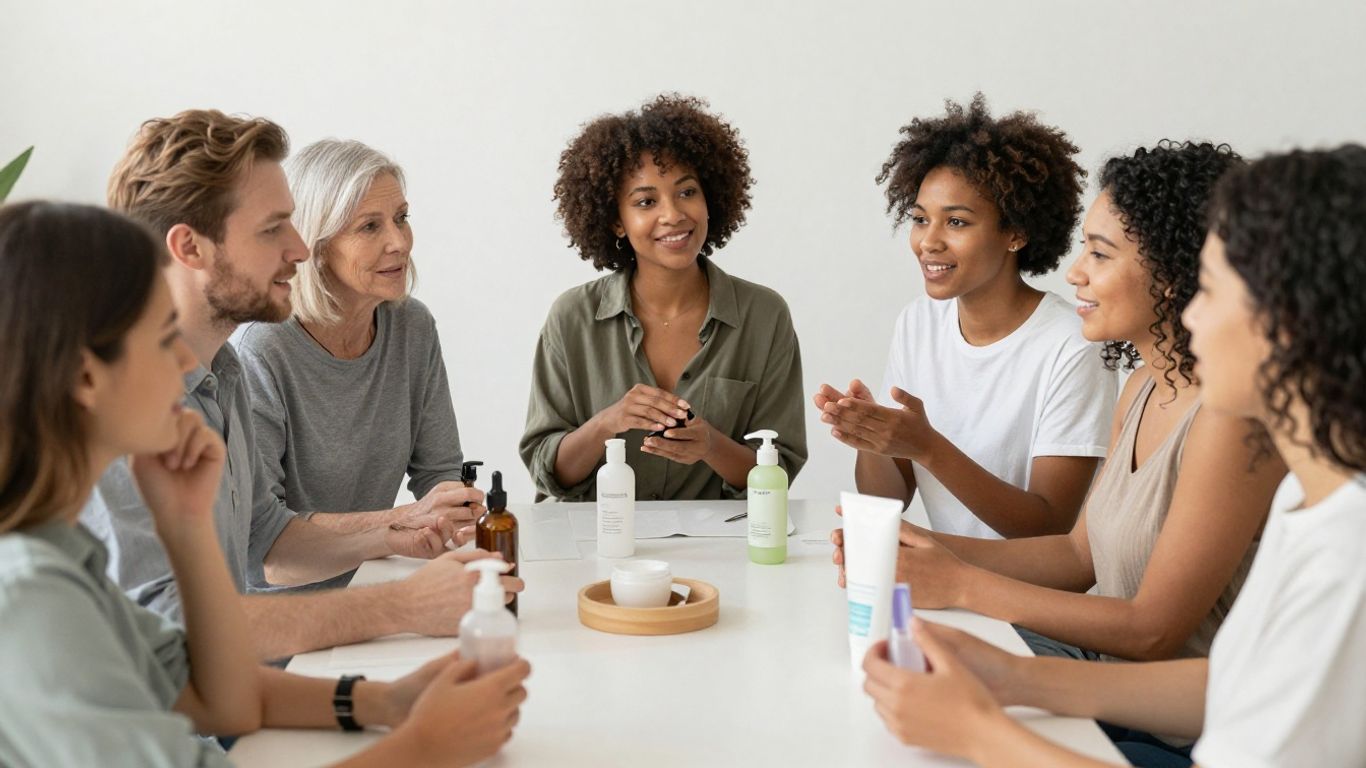
When consumers see people who look like them in advertisements, the psychological impact is profound. It validates their identity and suggests that their needs are worthy of professional attention. This sense of belonging is vital for mental health, helping individuals feel seen in a marketplace that has historically ignored them.
Access to personalized color and texture formulations
Consumers are demanding tools and products that actually work for their specific physical traits rather than settling for ineffective generic options. Having access to research-backed formulations ensures that personal care routines offer tangible benefits, as explained in resources regarding skin barrier science. Reliable data and accessible, effective products foster long-term loyalty.
Building brand trust through shared values
Building trust requires more than just launching a diverse marketing image; it involves a commitment to inclusive beauty brands that demonstrate integrity. Consumers do their research and gravitate toward organizations that support their community, align with their ethical stance, and maintain honesty. When a brand demonstrates through its company culture that it truly cares, it creates a bond that transcends simple retail transactions.
Key pillars of an inclusive beauty brand
Developing diverse product ranges for all skin tones
An inclusive brand must start with the laboratory, ensuring that shade ranges and hair care solutions are developed with deep input from diverse demographics. Relying on outdated benchmarks is no longer a viable path forward for any company aiming for long-term relevance. The goal is to provide high-quality, effective products for everyone.
Creating accessible packaging for people with disabilities
- Use tactile markers to identify different product bottles for those with low vision.
- Incorporate easy-open lids that cater to individuals with limited manual dexterity.
- Implement clear, high-contrast labeling, including braille, where possible for inclusive access.
- Design pumps and spray mechanisms that require minimal force for operation.
These simple additions in design help ensure that beauty remains an accessible experience for all individuals, regardless of their physical capabilities or specific needs in the bathroom environment.
Ensuring marketing campaigns reflect real human bodies
Authentic marketing avoids heavy retouching and instead showcases people with varied features, shapes, and textures. When brands represent reality, they invite customers to imagine themselves as part of the brand story. This move toward authenticity is exactly what contemporary shoppers have been asking for after years of artificial beauty standards.
The shift toward gender-neutral beauty
Breaking down the binary of skincare and cosmetics
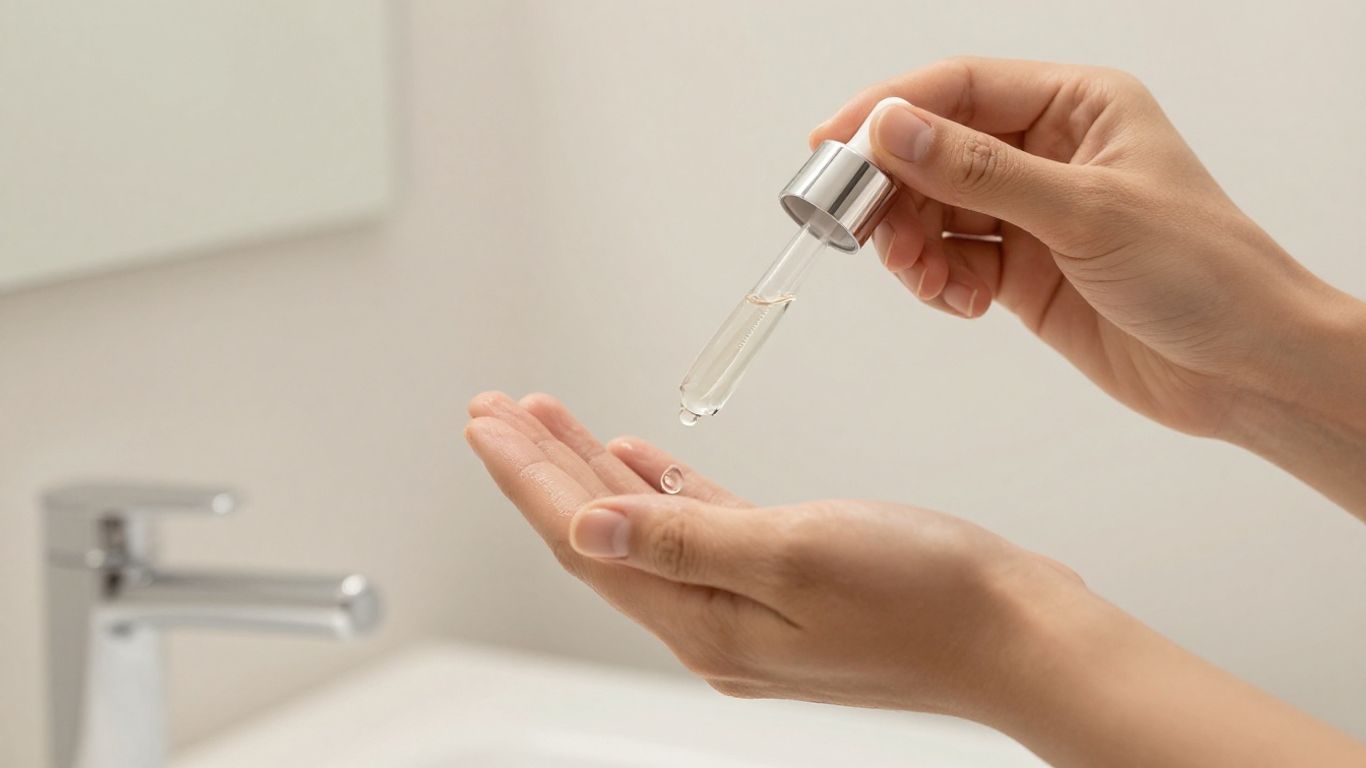
Modern beauty is transcending the traditional "for him" and "for her" paradigms, shifting toward the needs of the skin and hair themselves. This movement recognizes that health and expression are individual needs, not gender-specific ones. By shifting focus toward human physiology, brands can offer more focused and useful product solutions.
Designing inclusive branding and marketing visuals
Effective branding now focuses on shared human experiences. Using imagery that highlights diverse gender expressions alongside varied skin and hair types helps dissolve outdated societal barriers. This approach effectively signals that everyone has a rightful place in the beauty conversation, and modern beauty standards are finally catching up to this reality.
Ingredients and formulations suitable for all skin types
Focusing on ingredients that prioritize health—such as non-toxic, effective agents—takes the guesswork out of choosing products. It simplifies the routine and ensures that anyone, regardless of background or skin type, can find something that agrees with their body. The following overview details common focus areas in inclusive beauty:
| Feature | Conventional Focus | Inclusive Focus |
|---|---|---|
| Scope | Restricted / Targeted | Universal / Broad |
| Input | Limited Testing | Diverse Community Feedback |
| Goal | Standardized Look | Individual Health Goals |
This table illustrates why inclusive brands look at the full picture of a product usage journey rather than sticking to one-size-fits-all strategies.
Addressing the intersectionality of inclusive beauty
Considering age representation in advertising
Beauty is a lifelong process, yet advertising has historically favored youth as the primary ideal. Including older generations in beauty campaigns provides a more accurate view of human maturation and celebrates the evolving beauty inherent in every life stage. It is about honoring the skin and hair we have, regardless of the years we have lived.
Incorporating diverse cultural beauty philosophies
Different cultures have unique traditions, rituals, and understandings of beauty that offer immense value. By integrating these diverse philosophies, the industry can avoid a sterile, Western-only perspective. Learning from these varied approaches improves product innovation and honors global heritage.
Supporting accessibility for those with chronic skin conditions
Providing specific, gentle, and effective care options for those navigating long-term skin health needs remains a critical step for true inclusivity. By offering products that accommodate sensitivities while providing active results, brands support the health and comfort of every user on their personal journey.
Inclusive beauty is about understanding the practical constraints and needs that define our day-to-day existence, beyond just the surface aesthetic. It means being there for the person who needs extra care, not just the person who wants a quick fix.
Evaluating progress in the beauty industry
Metrics for success beyond product shade ranges
Success in this space is far easier to measure when brands look beyond optics and focus on internal commitments. It often involves evaluating supply chains, leadership diversity, and the actual utility of AI foundation matching or similar tools. A brand must demonstrate meaningful internal change to earn the trust of its audience.
The importance of diverse leadership in corporate decision-making
When leadership teams comprise individuals from diverse backgrounds, the internal perspective naturally shifts to accommodate more viewpoints. This diversity at the table prevents blind spots that often lead to exclusionary marketing or product development. It is the most effective way to ensure that a brand remains culturally competent.
Distinguishing performative marketing from authentic change
Performative marketing creates an illusion of inclusivity without providing real support or structural change. Consumers are becoming experts at identifying these tactics and choosing to vote with their wallets by supporting brands that show lasting dedication to their values. True authenticity is easily spotted in a marketplace saturated with noise.
Conclusion
Inclusive beauty defines a necessary evolution in how we view ourselves and the products we invite into our daily routines. By prioritizing diverse representation, accessibility, and authentic ingredients, the industry can finally move past restrictive standards that have long held it back. As we look ahead, the brands that thrive will be those that genuinely embrace the full spectrum of the human experience, ensuring that every person—from those seeking THCA small buds of quality in artisanal spaces to those requiring expert home services for their physical environments—can access the beauty and care they deserve through companies that align with their values and needs.
Frequently Asked Questions
What does the term inclusive beauty actually mean?
It refers to a shift in the personal care industry to create products, marketing, and environments that accommodate all individuals, regardless of skin tone, hair texture, age, gender, or physical ability.
Why is representation important in beauty advertising?
Seeing realistic, diverse representations helps consumers feel valued and recognized. It breaks down harmful societal tropes and fosters a stronger sense of belonging for individuals who have been historically overlooked.
How can brands ensure their packaging is inclusive?
Brands can support inclusivity by designing for accessibility, such as using larger font sizes, high-contrast colors, tactile markers for those with vision impairments, and easy-open caps for those with limited dexterity.
Does gender-neutral beauty change the product formulation?
Yes, it often encourages brands to focus on universal skin and hair health needs rather than adhering to traditional binary marketing claims, leading to more effective, ingredient-focused products that suit everyone.
What is intersectionality in the context of beauty?
It is the recognition that people have multiple, overlapping identities—such as age, disability, and cultural background—and that beauty standards must be inclusive of all these intersections simultaneously to provide a truly comprehensive experience.
How can consumers tell if a brand is truly inclusive?
Authentic inclusivity is usually reflected in a brand’s leadership composition, their internal hiring practices, their supply chain transparency, and their long-term commitment to marginalized communities rather than just their current, public-facing marketing campaigns.
Why is diverse leadership necessary for inclusive brands?
Leadership teams that represent a wide range of backgrounds and experiences prevent harmful blind spots in corporate vision and strategy, ensuring that products and policies are designed with genuine insight rather than guesswork.