It feels like forever ago that beauty products were mostly for one type of person. You know, the same look, the same skin tone, the same everything. But things are changing, and thank goodness for that. People are realizing that beauty isn’t just for a select few. It’s for everyone, no matter who you are, what you look like, or what your needs might be. Inclusive beauty products are becoming the norm, and honestly, it’s about time.
Key Takeaways
- The beauty world is moving past just looking good on the surface; it’s about making products that work for real people with different needs and backgrounds.
- Brands need to offer a wider range of shades, consider different gender expressions, and remember that older customers still want good products.
- New product designs are making things easier to use, like adaptive packaging and features that appeal to different senses.
- Technology like virtual try-ons and AI shade matching is helping everyone find what they need without the guesswork.
- True inclusivity means listening to customers and making real changes, not just doing a few things for show.
The Evolving Landscape of Inclusive Beauty Products
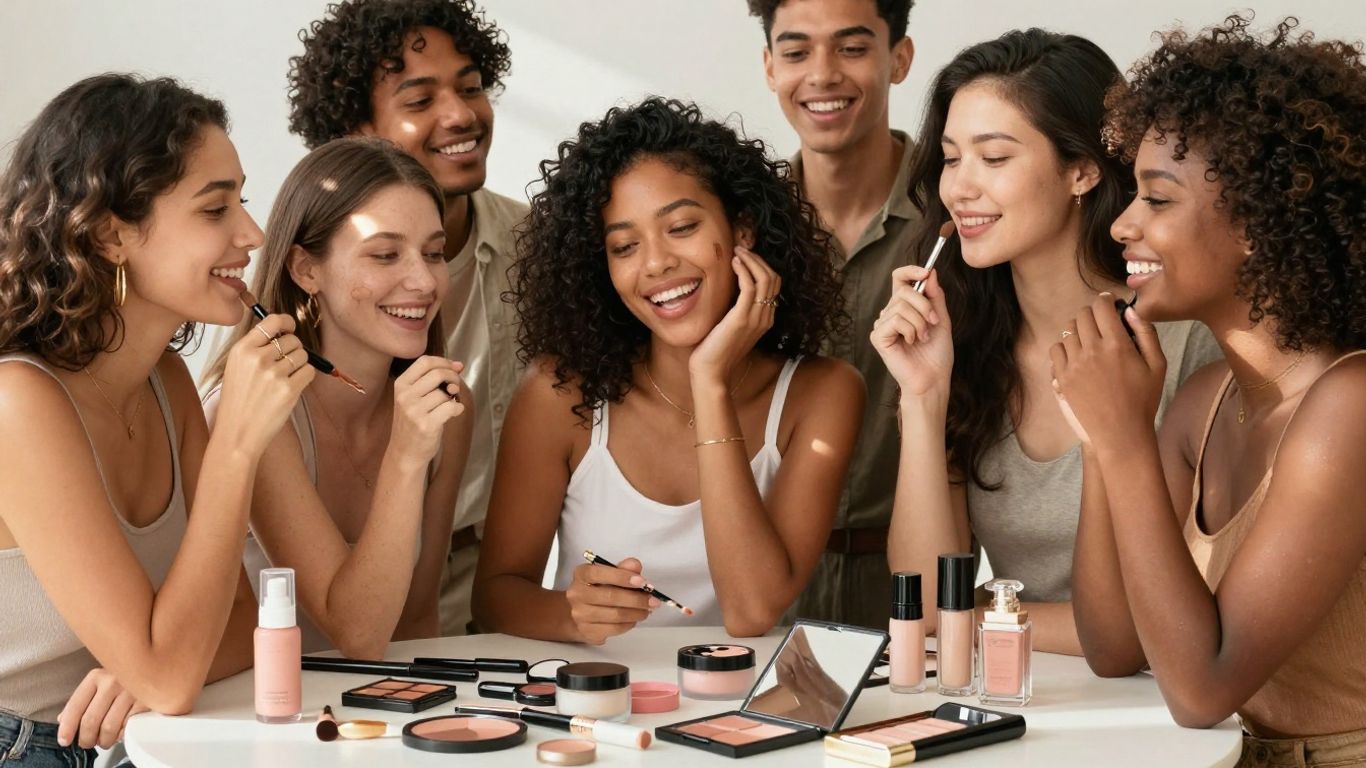
Beauty is changing, and it’s moving fast. Not so long ago, finding makeup for all skin tones or products for different ages, genders, and abilities felt almost impossible. Now, more and more consumers are speaking up—they want beauty that actually fits real life, and not just what’s considered traditionally attractive.
Beyond Surface-Level Representation
Plenty of brands used to think a few extra foundation shades or a single "diversity" campaign was enough. Most of the time, these efforts seemed half-hearted, and people noticed. What makes a difference today is authenticity:
- Campaigns featuring people of varied backgrounds, skin conditions, and gender expressions connect better with consumers.
- The focus is shifting from "perfect" airbrushed models to actual individuals who reflect the reality of customers’ lives.
- Showing true diversity in ads, on shelves, and through influencer partnerships builds trust, not just buzz.
Celebrating diversity isn’t a promotional trend—people want to see products and stories that genuinely represent them, not just a checkbox for brands.
The Business Imperative of Inclusivity
It’s not only the right thing to do—being inclusive is smart business. Most leading diverse beauty brands now outperform their less inclusive competitors. Here are some numbers that tell the story:
| Statistic | Percentage |
|---|---|
| Consumers who want diversity in beauty marketing | 50% |
| Consumers prioritizing personalization | 76% |
| Growth rate vs. less inclusive brands | 1.5x faster |
Even brands like Rare Beauty and MAC Cosmetics have been recognized among the top for their progress. Shoppers notice when brands try, and even more so when they genuinely care.
Consumer Expectations Drive Change
People are louder than ever about their expectations. Shoppers won’t just accept accessible makeup options—they demand them. They want:
- Shade ranges that account for undertones, not just light-to-dark spectrums
- Inclusive packaging that’s easy for everyone to use
- Honest feedback channels where concerns are heard and changes happen
And if companies don’t keep up, customers will leave for brands that listen. Ethical cosmetic companies aren’t just about how products are made; they’re also about who gets included in the conversation. Right now, what’s clear is that the ‘standard’ for beauty is shifting, and brands need to follow.
If you’re interested in where inclusive beauty is headed, the movement is growing beyond just race and gender—embracing age, ability, and more is quickly becoming the new normal (read about this broader shift).
Addressing Unmet Needs in the Beauty Market
For way too long, the beauty industry operated on a pretty narrow idea of who beauty was for. It felt like if you didn’t fit a very specific mold, you were kind of on your own. But things are changing, and brands are finally starting to see that there’s a huge market out there that’s been overlooked. It’s not just about being nice; it’s about recognizing that everyone deserves products that work for them.
Bridging the Shade Gap for All Skin Tones
This is probably one of the most talked-about areas, and for good reason. Finding the right foundation or concealer used to be a real struggle for anyone with deeper skin tones, or even those with very fair or olive complexions. Brands are now realizing that offering a handful of shades isn’t enough. We’re talking about a full spectrum, from the lightest porcelain to the deepest ebony, with all the subtle undertones in between. It’s about making sure that when someone looks for a base product, they can actually find a match that looks like their skin, not just something that’s ‘close enough’. This shift is a big deal, and it’s great to see brands like Fenty Beauty really shake things up with their extensive shade ranges, showing that inclusive branding is a smart business move.
Catering to Diverse Gender Expressions
The lines around gender and beauty have always been blurry, but now they’re practically dissolving. For years, the beauty aisle was pretty much divided into ‘for him’ and ‘for her’, which just doesn’t cut it anymore. More and more people, regardless of their gender identity, want to use makeup and skincare to express themselves. This means brands need to think beyond traditional marketing. It’s about creating products that are appealing and functional for everyone, and using language and imagery that doesn’t exclude anyone. We’re seeing more men using makeup, for instance, and brands that acknowledge this are tapping into a growing market.
Recognizing the Mature Beauty Consumer
Another group that’s often been left behind is the mature consumer. Many women over 40 feel like beauty advertising doesn’t represent them. They’re looking for products that address their specific needs, like hydration, firmness, and radiance, but they also want to see themselves reflected in campaigns. It’s not about looking younger; it’s about looking and feeling good at any age. Brands that focus on celebrating aging and offering products that genuinely benefit mature skin are going to connect with a loyal customer base.
The beauty industry is finally waking up to the fact that ‘one size fits all’ doesn’t work. People want products that acknowledge their unique skin tones, their gender identity, their age, and their abilities. Ignoring these needs isn’t just a missed opportunity; it’s a failure to connect with a significant portion of the population.
It’s clear that addressing these unmet needs isn’t just a trend; it’s a fundamental shift in how beauty brands need to operate. By listening to consumers and creating products that truly serve everyone, companies can build stronger relationships and grow their business. This is about making beauty a space where everyone feels welcome and understood. Brands that get this right are the ones that will lead the way forward. For example, Degree Deodorant has developed an adaptive deodorant specifically for people with physical impairments, showing how product design can be made more accessible. This kind of innovation is what the future of beauty looks like. This study examines Fenty Beauty’s strategic inclusivity and highlights how such approaches can lead to competitive advantage.
Innovation in Accessible Product Design
Getting ready in the morning can be a whole process, right? For many people, though, it’s not just about picking out an outfit or deciding on a hairstyle. It can involve real challenges just to open a jar or apply a product. That’s where innovative design comes into play, making sure beauty products work for everyone, not just a select few. It’s about rethinking how things are made so they’re easier to use, no matter your abilities.
Adaptive Packaging for Enhanced Usability
Think about the simple act of opening a makeup compact or a lotion bottle. For someone with limited hand strength or dexterity, this can be a struggle. Brands are starting to get this. We’re seeing packaging designed with features like:
- Larger grips that are easier to hold.
- Magnetic closures that snap shut without needing a strong twist.
- Pumps or applicators that work with one hand.
The goal is to make the physical interaction with the product as smooth as possible. For instance, Rare Beauty has been looking into packaging that’s easier to handle, considering different sizes and textures. It’s a big step away from the standard, often fiddly, containers we’re used to. This kind of thoughtful design means more people can enjoy using their favorite products without frustration. It’s about making sure that getting ready can be a pleasant experience, not a difficult task. You can find more about brands focusing on disability-led design in their packaging.
Sensory-Engaging Designs for All Abilities
Beauty isn’t just about how things look; it’s also about how they feel and smell. For individuals who are visually impaired, or even for anyone who appreciates a richer experience, sensory details are key. Brands are exploring ways to make products identifiable and usable without relying solely on sight. This can include:
- Tactile markings on packaging, like raised symbols, to help you know which product you’re holding.
- Distinct scents that help differentiate between, say, a face wash and a moisturizer.
- Textured grips on applicators for better control.
Some companies are even adding QR codes to their packaging. When scanned, these codes can provide audio descriptions of the product and instructions on how to use it. It’s a smart way to add information without needing to read tiny print. This approach acknowledges that beauty experiences can be multi-sensory and that products should cater to that.
Leveraging Technology for Personalized Experiences
Beyond the physical packaging, technology is also playing a huge role in making beauty more accessible. It’s not just about making products easier to use, but also easier to choose. Think about trying on different lipstick shades. Traditionally, you’d have to go to a store and test them, which isn’t always practical or hygienic. Now, technology is stepping in to bridge that gap. This is especially important for people who might find it difficult to get to a physical store or who want to explore options from the comfort of their own home. The focus is on removing guesswork and making the selection process more inclusive and straightforward for everyone involved.
Technology’s Role in Empowering Consumers
It feels like just yesterday we were squinting at tiny shade swatches under harsh store lights, hoping for the best. Now, technology is stepping in to make picking out beauty products way less of a gamble. It’s not just about convenience; it’s about making sure everyone, no matter their skin tone, gender, or ability, can find what works for them. These tools are fundamentally changing how we shop for and use beauty products.
Virtual Try-Ons for Confident Selection
Remember the anxiety of buying a new foundation or lipstick, only to find out it looks completely different once you get it home? Virtual try-on technology is a game-changer for this. Using augmented reality (AR), you can see how different shades and products look on your own face, right from your phone or computer. This takes a lot of the guesswork out of the equation. It’s especially helpful for people who have a hard time finding their perfect match or who can’t easily get to a store to test things out. Seeing a realistic preview means you’re more likely to be happy with your purchase, reducing returns and wasted money. It’s about giving you the confidence to explore new looks without the risk.
AI-Powered Shade Matching
Finding the right foundation shade has always been a challenge, particularly for those with deeper skin tones or unique undertones. AI is stepping up to solve this. These systems can analyze your skin tone with incredible accuracy, looking at undertones and variations that are often missed by the human eye. Instead of relying on subjective quizzes or a salesperson’s opinion, AI provides unbiased, precise shade recommendations. Some advanced tools even consider a vast range of skin tones, making sure that people who have historically struggled to find a match can finally discover products made for them. This makes the whole process feel more personal and less frustrating. It’s about getting it right the first time, every time.
Personalized Recommendations Remove Guesswork
Beyond just shade matching, technology is now offering personalized recommendations that consider a whole lot more. Think about AI looking at your eye color, hair color, even the season, and your personal style preferences to suggest products. This is a huge step for people who feel left out by mainstream beauty trends. It allows you to discover items that genuinely suit your individual look and feel. It’s like having a personal beauty advisor available 24/7. This level of tailored advice helps consumers feel more seen and understood, making the beauty world feel more accessible and welcoming to everyone. It’s about celebrating what makes you unique.
The beauty industry has a long history of making people feel like they needed to fit a certain mold. Now, with AI and AR, the power is shifting back to the consumer. You get to explore, experiment, and choose what makes you feel good, on your own terms. This isn’t just a trend; it’s the future of how we interact with beauty products.
Building Trust Through Authentic Inclusivity
The Pitfalls of Performative Gestures
It’s easy for brands to say they’re inclusive, but consumers are getting really good at spotting when it’s just for show. Think about it: a brand might suddenly feature a wider range of models in their ads, but then you look at their actual product lineup, and it’s still mostly shades for lighter skin tones. That disconnect? People notice. It feels like a quick marketing trick rather than a real commitment. This kind of superficial effort doesn’t build trust; it erodes it. When a company only makes a few shades for deeper skin tones, or those shades don’t even match well because they ignore undertones, it’s not inclusive. It’s just checking a box. Consumers want to see that brands are genuinely trying to cater to everyone, not just a select few. It’s about making products that actually work for a lot of different people, not just pretending to.
Responding to Feedback with Action
When consumers point out that a brand is missing the mark on inclusivity, how that brand responds is super important. Do they get defensive? Do they brush it off? Or do they actually listen and make changes? Genuine inclusivity means being open to feedback, even when it’s critical. It means taking that information and using it to improve products, expand shade ranges thoughtfully, or rethink packaging for better usability. It’s not about being perfect from day one, but about showing a willingness to learn and adapt. For example, if customers consistently say a foundation shade looks ashy on their skin, a brand should investigate why and fix it. This kind of responsiveness shows respect for the customer and a real dedication to getting it right. It’s this back-and-forth that builds a loyal customer base who feel heard and valued. Brands that are good at this often see their customers stick around for the long haul.
Genuine Commitment Over Selective Representation
True inclusivity isn’t about picking and choosing which groups to represent or which products to make "diverse." It’s a whole approach. A brand can’t just launch one inclusive product line and call it a day while the rest of their offerings remain pretty standard. It needs to be woven into the fabric of the company, from research and development to marketing and customer service. This means actively seeking out diverse perspectives when creating new products, not just as an afterthought. It’s about understanding that beauty isn’t one-size-fits-all and that everyone deserves products that make them feel good. When brands show this kind of deep commitment, it really shows. It’s the difference between a brand that’s just trying to keep up with trends and one that’s genuinely trying to make the beauty world a better place for everyone. This kind of authentic approach is what really connects with people today, making them feel like they’re part of something bigger. It’s about making beauty accessible for all, not just a select few.
The Future of Beauty: A Holistic Approach
Integrating Inclusivity into Core Strategy
The future of beauty isn’t just about adding a few more shades or using more diverse models. It’s about weaving inclusivity into the very fabric of how a brand operates. This means thinking about everyone from the get-go, not as an afterthought. It’s about recognizing that beauty is for every body type and every person. Brands that are really going to make a mark are the ones that embed this thinking into their product development, their marketing, and their overall business plan. It’s a big shift, but it’s the only way forward if you want to stay relevant.
Prioritizing Diverse Perspectives in R&D
To truly create products that work for everyone, you need to hear from everyone. This means bringing diverse voices into the research and development process. Think about people with different skin tones, different ages, different abilities, and different gender expressions. Their input is gold. It helps identify needs that might otherwise be missed. For example, understanding the specific needs of mature skin or developing adaptive packaging for those with limited dexterity can make a huge difference. It’s about building products that are genuinely useful and desirable for a wider audience.
Creating Career Pathways for All
Inclusivity in beauty shouldn’t stop at the product itself. It needs to extend to the people behind the brands. Creating career pathways for individuals from all backgrounds within the beauty industry is a vital part of a holistic approach. This means actively seeking out and supporting talent from underrepresented communities, offering mentorship, and building an inclusive company culture. When a company’s workforce reflects the diversity of its customer base, it naturally leads to better products and more authentic connections. It shows a real commitment, not just a marketing tactic. Brands that are serious about inclusivity understand that it’s a full-circle effort, impacting everything from product creation to company culture. This kind of deep commitment is what consumers are looking for today, and it’s what will define the leaders in the beauty space going forward. Inclusive beauty brands are growing significantly faster than their less inclusive counterparts, showing that this approach isn’t just good ethics, it’s good business [d66b].
The beauty industry has a long history of setting narrow standards. The real change comes when brands actively dismantle these by listening to consumers, incorporating their feedback into product design, and making inclusivity a core part of their mission, not just a marketing campaign. This requires a fundamental shift in how products are conceived, developed, and presented to the world.
The Future is Inclusive
So, what does all this mean for the future of beauty? It’s pretty clear that the days of brands sticking to the same old narrow ideas of who beauty is for are over. People are looking for brands that get them, that see them, and that make products for them, no matter who they are or what they look like. We’ve seen some amazing steps forward, from makeup that actually matches every skin tone to packaging designed for everyone to use. It’s not just about trends; it’s about making sure everyone feels seen and valued. Brands that really embrace this, that listen and adapt, are the ones that will stick around and do well. It’s exciting to think about where this is all heading, and honestly, it’s about time everyone gets to feel beautiful.
Frequently Asked Questions
What does ‘inclusive beauty’ really mean?
Inclusive beauty means that beauty products and brands are made for everyone, no matter their skin color, gender, age, or if they have a disability. It’s about making sure everyone feels seen and can find products that work for them.
Why is it important for beauty brands to be inclusive?
It’s important because people want to see themselves represented. When brands are inclusive, they connect with more customers and show they care about everyone. Plus, studies show that inclusive brands often do better in business.
What are some examples of inclusive beauty products?
Examples include foundation lines with many shades for all skin tones, makeup designed for easier use by people with disabilities, and brands that use diverse models in their ads, showing different ages and genders.
How does technology help make beauty more inclusive?
Technology like virtual try-on apps and AI shade matching helps people find the right products without guessing. This is especially helpful for those who have struggled to find matching shades in the past.
What’s the difference between real inclusivity and just pretending?
Real inclusivity is when a brand truly commits to making products for everyone and listens to customer feedback. Pretending, or ‘performative gestures,’ is when a brand makes a small change but doesn’t really change its overall approach or listen to different groups.
What should consumers do if they want to support inclusive beauty brands?
Consumers can support inclusive brands by choosing to buy from them, sharing their positive experiences, and giving feedback to brands that could do better. It’s also helpful to research brands to see if they genuinely practice inclusivity.