Skincare isn’t a one-size-fits-all deal, especially when we talk about Multiracial Skincare. Our skin tones are beautifully diverse, and what works for one person might not be the best for another. It’s about understanding what makes your skin unique and giving it the right kind of attention. This guide is here to help you figure out the best ways to care for your skin, no matter your shade, so you can feel confident and look your best.
Key Takeaways
- Everyone’s skin tone is influenced by melanin, which affects how it reacts to the sun and treatments.
- Darker skin tones can be more prone to hyperpigmentation and scarring, so gentle care is important.
- Sun protection is a must for all skin tones to prevent damage and premature aging.
- Choosing skincare ingredients that calm inflammation and boost hydration supports skin health.
- Finding the right treatments and building a consistent routine tailored to your skin is key for a healthy glow.
Understanding Your Unique Skin Tone

The Role of Melanin in Skin Color
Skin color, in all its beautiful variations, comes down to a pigment called melanin. It’s what gives our skin, hair, and eyes their color. More melanin means a deeper skin tone, and less means a lighter one. Melanin also offers some natural protection against the sun’s UV rays, but it’s important to remember that no skin tone is completely immune to sun damage. Every shade of skin deserves protection and care. Understanding your skin tone is the first step in building a routine that works for you, celebrating the skin tone diversity beauty that exists.
Navigating the Fitzpatrick Scale
Ever heard of the Fitzpatrick Scale? It’s a way to categorize skin types based on how they react to sun exposure. It ranges from Type I (very fair, always burns) to Type VI (deeply pigmented, never burns). Knowing where you fall on this scale can help you understand your skin’s specific needs, especially when it comes to sun protection and certain treatments. It’s a helpful tool for figuring out how your skin might respond to different things. For example, someone on the lighter end of the scale might burn more easily, while someone on the darker end might be more prone to hyperpigmentation if the skin is injured.
Here’s a quick look:
- Type I: Very fair, always burns, never tans.
- Type II: Fair, usually burns, tans minimally.
- Type III: Light to medium brown, sometimes burns, tans gradually.
- Type IV: Moderate brown, rarely burns, tans well.
- Type V: Medium to dark brown, very rarely burns, tans very easily.
- Type VI: Dark brown to black, never burns, tans very easily.
Celebrating Every Shade
It’s really great that we’re talking more about skin tone diversity in beauty. Your skin tone is a part of your unique identity, and it’s something to be proud of. Whether your skin is fair, olive, deep brown, or anywhere in between, it has its own characteristics and needs. Skincare isn’t one-size-fits-all, and recognizing the beauty in every shade helps us create routines that are effective and respectful of our individual complexions. It’s about appreciating the natural variations and understanding how to best care for the skin you’re in. Identifying your unique skin tone is a key part of this journey.
Addressing Common Multiracial Skincare Concerns
It’s true that skincare isn’t one-size-fits-all, and when we talk about multiracial skin types, we’re often talking about a whole spectrum of unique needs. Many people with deeper complexions find themselves dealing with specific issues that might not be as common or as noticeable in lighter skin tones. This is where understanding ethnic skin type care becomes really important. We’re not just talking about general skin health; we’re looking at how melanin-rich skin reacts differently to things like inflammation and injury. The goal is to address these diverse skin concerns effectively without causing more problems.
The Impact of Post-Inflammatory Hyperpigmentation
Ever notice those dark spots that linger long after a pimple has healed? That’s post-inflammatory hyperpigmentation, or PIH. It happens when the skin, in response to inflammation or injury, produces too much melanin. This is particularly common in individuals with more melanin in their skin. It can make acne scars or even minor irritations look much more prominent. It’s not just acne either; bug bites, cuts, or even harsh skincare products can trigger it. The key here is gentle treatment and prevention. Trying to aggressively scrub away these spots often makes them worse, leading to more inflammation and more PIH. It’s a cycle that’s best broken with patience and the right approach. For more on this, you can look into hyperpigmentation and uneven skin tone.
Managing Scarring and Uneven Tone
Scarring and uneven skin tone go hand-in-hand with PIH, but they can also stem from other issues. Because melanin plays such a big role, any disruption to the skin’s surface can lead to noticeable changes in color. This means that while lighter skin might show a scar as a lighter or pink mark, darker skin might show it as a darker patch, making it stand out. It’s not just about the color, though; the texture can also be affected. Treatments that work well for one skin tone might actually cause more noticeable scarring or discoloration on another. It’s why a careful, targeted approach is needed.
Hypopigmentation: Understanding Light Patches
While hyperpigmentation is about dark spots, hypopigmentation is the opposite – it’s when the skin loses pigment, resulting in lighter patches. This can happen after certain injuries, skin conditions like vitiligo, or even from some treatments that might have been too aggressive. On darker skin, these lighter patches can be quite noticeable, creating a stark contrast. It’s a different kind of uneven tone that requires a different set of considerations. Sometimes, the skin can regain pigment over time, but other times, it might need specific treatments to help rebalance the melanin production. It’s a reminder that skin concerns aren’t always about getting darker; sometimes, they’re about restoring balance.
Dealing with these specific skin concerns means being extra mindful of how your skin reacts. What might be a minor issue for one person could lead to significant discoloration for another. It’s all about understanding your skin’s unique blueprint and choosing products and treatments that respect it, rather than fight against it. This is a big part of why melanated skin has unique challenges.
Here’s a quick look at common concerns and what to keep in mind:
- Post-Inflammatory Hyperpigmentation (PIH): Dark spots after acne, cuts, or irritation. Focus on calming inflammation and gentle fading.
- Scarring: Scars can appear darker due to excess melanin. Careful wound healing and targeted treatments are key.
- Uneven Skin Tone: General discoloration from sun exposure, inflammation, or hormonal changes. Consistency with brightening ingredients and sun protection helps.
- Hypopigmentation: Lighter patches where pigment is lost. This can be trickier and may require specific dermatological advice.
Essential Protection for All Complexions
It’s a common myth that darker skin tones don’t need sun protection, but that’s just not true. Every single complexion, no matter how much melanin it has, can be affected by the sun’s rays. UV exposure can lead to premature aging, dark spots, and even skin cancer, so protecting your skin daily is super important. Think of it like this: melanin offers some natural defense, but it’s not a shield against all damage. We need to be proactive.
Debunking Sun Protection Myths
Let’s clear up some common misunderstandings about sunscreens and skin tones. One big one is that mineral sunscreens always leave a white cast. While some do, many brands now offer tinted versions that blend much better into darker skin. It’s all about finding the right formula for you. The goal is consistent protection, not a ghostly appearance.
Daily Defense Against Environmental Stressors
Beyond the sun, our skin faces other daily challenges like pollution. These can cause oxidative stress, making skin look dull and tired. A good skincare routine helps combat this. This includes gentle cleansing, keeping skin hydrated, and, of course, sun protection. It’s about building a resilient barrier.
The Importance of Consistent Sunscreen Use
Using sunscreen every day is non-negotiable, regardless of your skin tone or the weather. Even on cloudy days, UV rays can penetrate. Finding a sunscreen that feels good on your skin is key to making it a habit. Look for options that are formulated for all complexions, including those that offer cosmetics for all complexions. Remember, consistent application is what really makes a difference in protecting your skin long-term.
Protecting your skin from the sun is a year-round commitment. It’s not just for beach days; it’s for everyday life. Making sunscreen a regular part of your routine helps prevent visible signs of aging and reduces the risk of skin damage.
Nourishing Ingredients for Radiant Skin
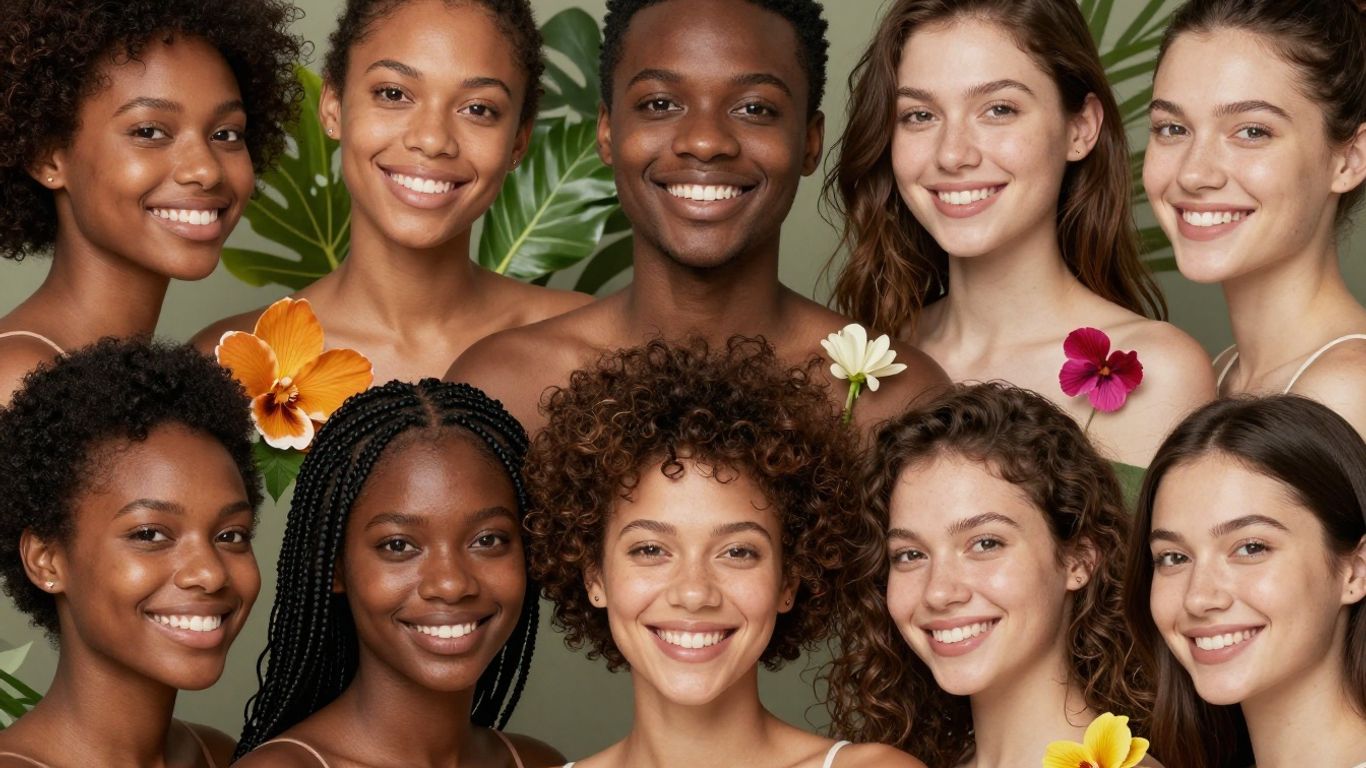
Taking care of your skin really starts with picking the right stuff to put on it. It’s not just about slapping on any old cream; it’s about choosing ingredients that actually help your skin do its thing. Think of it like feeding your body – you want good fuel, right? Your skin is the same way. We want ingredients that calm things down when they’re irritated, keep things hydrated, and just generally make your skin look and feel its best.
Calming Inflammation with Natural Extracts
Inflammation is a big deal for all skin types, but it can really show up as redness or those annoying dark spots, especially in deeper skin tones. Ingredients like turmeric, which has curcumin, are pretty amazing for this. Curcumin is known to help reduce that oxidative stress that makes skin unhappy. You’ll also find things like chamomile or centella asiatica (also known as cica) that are super gentle and help soothe angry skin. Using products with these calming agents can make a noticeable difference in how even your complexion looks.
The Power of Hydration for Skin Barrier Health
Your skin barrier is like your skin’s personal bodyguard. When it’s strong, it keeps the good stuff in (like moisture) and the bad stuff out (like irritants and pollution). Dehydration can really weaken this barrier, making your skin feel tight, look dull, and even become more sensitive. Ingredients like hyaluronic acid are fantastic because they draw moisture into the skin. Ceramides are also super important because they are natural building blocks of the skin barrier. Keeping your skin well-hydrated helps it look plump and healthy, and it can even help fade marks over time by supporting the skin’s natural repair processes. A well-maintained barrier is key to that healthy glow we’re all after.
Antioxidants to Combat Free Radical Damage
We’re constantly bombarded by things in the environment – pollution, UV rays, you name it. These things create what are called free radicals, which are basically unstable molecules that can damage your skin cells. This damage can lead to premature aging, like fine lines and a loss of firmness. Antioxidants are like little superheroes that fight off these free radicals. Vitamin C is a really popular one because it not only fights damage but also helps brighten the skin. Green tea extract and vitamin E are other great options. Adding antioxidants to your routine is a proactive way to protect your skin’s long-term health and keep it looking vibrant.
Here’s a quick look at some helpful ingredients:
- Hyaluronic Acid: Pulls moisture into the skin for plumpness.
- Vitamin C: Brightens and protects against damage.
- Ceramides: Help rebuild and strengthen the skin barrier.
- Niacinamide: Can help with redness and improve skin tone.
- Turmeric Extract: Known for its anti-inflammatory properties.
Choosing the right ingredients means you’re actively supporting your skin’s natural functions. It’s about working with your skin, not against it, to achieve a healthy, balanced complexion that feels comfortable and looks radiant. This thoughtful approach can make a big difference in how your skin looks and feels day to day.
Choosing Safe and Effective Treatments
When it comes to treatments, especially for melanin-rich skin, it’s super important to know what works and what might cause more problems. Not everything out there is a one-size-fits-all solution, and some procedures can actually lead to unwanted pigmentation changes or irritation if not chosen carefully. It’s all about finding what’s safe and effective for your unique complexion.
Treatments to Approach with Caution
Some treatments, while popular, can be a bit tricky for deeper skin tones. Things like aggressive chemical peels with high concentrations of acids, or certain types of lasers like CO₂ lasers, can sometimes cause burns or uneven skin tone. Intense Pulsed Light (IPL) can also be unpredictable, potentially making dark spots worse. Even aggressive microdermabrasion might be too much for sensitive, melanin-rich skin, leading to irritation and discoloration. It’s always best to discuss your skin tone with your provider before undergoing any new procedure.
Gentle Chemical Peels and Exfoliation
If you’re looking for exfoliation, gentler options are usually the way to go. Light chemical peels using ingredients like salicylic acid or glycolic acid can help brighten and smooth the skin without causing significant irritation. Professional facials or treatments like Diamond Glow are also good choices for a gentle refresh. These methods focus on improving skin texture and tone without the harshness that can trigger post-inflammatory hyperpigmentation.
Non-Ablative Lasers and Microneedling Benefits
Good news! There are laser options that are generally safe and effective for darker skin tones. Non-ablative lasers, such as Nd YAG lasers (often used in treatments like Laser Genesis), work well because they target deeper layers of the skin without affecting the surface as much. Microneedling is another fantastic option. It helps boost collagen production, which can improve skin texture and minimize the appearance of scars. These treatments are often well-tolerated and carry a lower risk of causing pigmentation issues compared to more aggressive methods. You can explore non-invasive anti-aging treatments that often include these safer laser and microneedling options.
Injectables for Enhanced Skin Health
Injectables like Botox for fine lines or dermal fillers for volume are generally considered safe across various skin tones when administered by a qualified professional. Newer treatments that focus on hydration, like Skinvive, or biostimulators that encourage collagen production, can also be beneficial. These treatments work beneath the skin’s surface, so they typically don’t interfere with melanin production, making them a reliable choice for many. Remember, finding a provider experienced with different skin types is key to getting the best results.
When selecting any treatment, always prioritize a provider who understands the nuances of melanin-rich skin. Their knowledge can make all the difference in achieving positive outcomes and avoiding adverse reactions. Don’t hesitate to ask questions about their experience and the specific treatment plan they recommend for you.
Building a Tailored Multiracial Skincare Routine
Creating an inclusive skincare routine that works for you is all about understanding your skin’s specific needs and being consistent. It’s not about chasing some impossible ideal, but about caring for the skin you have, right now. Think of it as a daily practice of self-respect.
The Foundation of Gentle Cleansing
Starting your routine with a gentle cleanser is key. Harsh soaps can strip your skin of its natural oils, leading to dryness, irritation, and even more oil production as your skin tries to compensate. Look for cleansers that are sulfate-free and formulated to maintain your skin’s pH balance. A good cleanser removes impurities without leaving your skin feeling tight or stripped.
- Choose a cleanser based on your skin type: Oily, dry, combination, or sensitive.
- Avoid hot water: Use lukewarm water to wash your face.
- Pat your skin dry: Don’t rub vigorously with a towel.
Prioritizing Hydration and Moisture Balance
Hydration is super important for everyone, no matter your skin tone. When your skin is well-hydrated, it looks plumper, feels smoother, and is better at protecting itself. This means looking for ingredients that attract and hold moisture, like hyaluronic acid and ceramides. A good moisturizer helps keep your skin barrier strong, which is your first line of defense against environmental stressors. For those with deeper skin tones, maintaining this balance can also help minimize the appearance of post-inflammatory hyperpigmentation. You can find great options for daily hydration.
Seeking Expert Guidance for Your Skin
Sometimes, even with the best intentions, you might need a little extra help. A dermatologist or a licensed esthetician who understands diverse skin tones can be incredibly helpful. They can help you identify specific concerns, recommend products, and suggest treatments that are safe and effective for your unique complexion. Don’t hesitate to seek professional advice when you’re unsure about what your skin needs. They can help you build a routine that truly works for you, taking into account everything from your Fitzpatrick type to your lifestyle. Building a routine is a journey, and understanding your skin type is the first step.
Your Skin is Beautiful, No Matter the Shade
So, there you have it. Skincare isn’t some one-size-fits-all thing, and it definitely shouldn’t be. Your skin, whatever its color, is pretty amazing and deserves some good TLC. It’s about finding what works for you, using gentle stuff, and remembering that sun protection is for everyone. Don’t let anyone tell you otherwise. Taking care of your skin is just another way to show yourself some love. It’s not about chasing some impossible ideal, but about feeling good and healthy in the skin you’re in. Because honestly, every shade is beautiful and deserves to be treated that way.
Frequently Asked Questions
Why is sunscreen important for all skin colors?
Sunscreen is super important for everyone, no matter their skin color! Even if you have darker skin, the sun’s rays can still cause damage, like making your skin age faster or getting dark spots. Using sunscreen every day helps protect your skin from these problems and keeps it healthy.
What is post-inflammatory hyperpigmentation?
This is when your skin gets dark spots after it’s been irritated or injured, like from a pimple or a scratch. It happens because the skin makes extra color (melanin) to heal. It’s more common in deeper skin tones and can make scars or acne marks look darker.
Are there any skincare treatments I should avoid if I have darker skin?
Yes, some strong treatments can cause issues for darker skin. Things like very strong chemical peels, certain lasers, or harsh scrubbing might irritate your skin and lead to uneven coloring or scarring. It’s best to talk to a skin expert to find out what’s safe for you.
What are some good ingredients for my skin?
Look for ingredients that are gentle and help your skin. Things like turmeric can calm redness and swelling. Hyaluronic acid is great for keeping your skin hydrated and plump. Antioxidants help protect your skin from damage. Gentle cleansers and moisturizers are also key!
How can I deal with light patches on my skin?
Light patches, called hypopigmentation, happen when your skin makes less melanin. If you notice these, it’s a good idea to see a dermatologist. They can help figure out the cause and suggest treatments that might help even out your skin tone.
What’s the best way to start a skincare routine for my skin tone?
Start simple! Cleanse your face gently, use a good moisturizer to keep it hydrated, and always wear sunscreen. It’s also really helpful to see a skin doctor or specialist who understands different skin tones. They can help you pick the best products and treatments for your unique needs.