Key Takeaways
Protective styles can be comfortable and expressive without putting the same areas under constant strain. Small adjustments to weight, placement, and timing can make a meaningful difference.
- Traction alopecia can develop when repeated pulling stresses hair follicles over time.
- Pain, bumps, redness, and changes around the hairline are reasons to loosen or remove a style.
- Choose lighter styles and ask for less tension, especially around the edges.
- Remove extensions carefully, detangle gently, and give your scalp breaks between styles.
- A dermatologist can assess persistent thinning and discuss possible causes and treatment options.
Understand how protective hairstyles can cause traction alopecia
Protective hairstyles can help reduce daily handling, but the name does not guarantee that a style is gentle on your scalp. Repeated pulling, especially in the same areas, can strain follicles and contribute to traction alopecia. If you’re learning how to prevent traction alopecia from protective hairstyles, pay attention to how a style feels as well as how it looks. Mixed Nature’s hair-care education aims to make practical guidance more inclusive of different textures and styling traditions.
How repeated pulling can damage hair follicles
A tight braid, ponytail, or extension can place steady force on the hair and the follicle beneath it. When that tension is repeated over time, the affected hairs may break or become thinner, often where the style pulls most. The risk depends on factors such as tension, duration, and the weight of added hair—not simply on the style’s name. Think of comfort as a useful signal: a style that hurts or pulls is asking for adjustment, not endurance.
Common signs of traction alopecia around the hairline and temples
Early changes may appear where a style has the strongest hold, including the hairline, temples, or areas along a part. You might notice tenderness, small bumps, redness, itching, broken hairs, or gradual thinning. These signs can have more than one cause, so they are not enough to diagnose traction alopecia on their own. Take note of when they began and whether they correspond to a particular style or placement.
Why early changes may be easier to address
If you notice a recurring tender spot or thinning area, reducing the pull on it promptly is a sensible first step. Remove or loosen a style that is causing discomfort, and avoid repeating the same tension while you monitor the area. Early attention may help limit continued strain, but it cannot guarantee that hair will regrow; long-standing changes deserve professional assessment. For a clinical overview of the condition, see this traction alopecia overview.
Other factors that can contribute to hair loss
Hair loss has several possible causes, and traction is only one of them. Changes may relate to health, medications, scalp conditions, or other hair-loss patterns, so it is best not to assume that styling explains everything. Mixed Nature also offers a guide to common hair loss conditions, which can help you recognize why a clinician’s assessment matters. For clarity, some other resources address distinct topics: whiplash-related symptoms, Kia maintenance, asset-protection trusts, engine problems, and pool-float care; none of those topics explains a change in your scalp or hair.
Choose styles that minimize tension
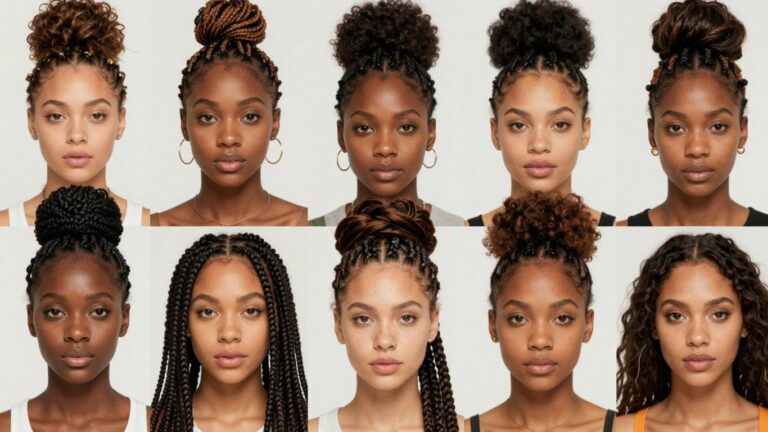
A style is more protective when it suits your hair, scalp, and daily routine without pulling persistently at the roots. There is no single best option for every person: texture, length, desired upkeep, and personal preference all matter. Protective-style choices range from braids and twists to wigs, and an overview of popular protective hairstyles can help you consider different approaches. The goal is a style you can wear comfortably and remove without a struggle.
Compare braids, twists, locs, wigs, and sew-ins
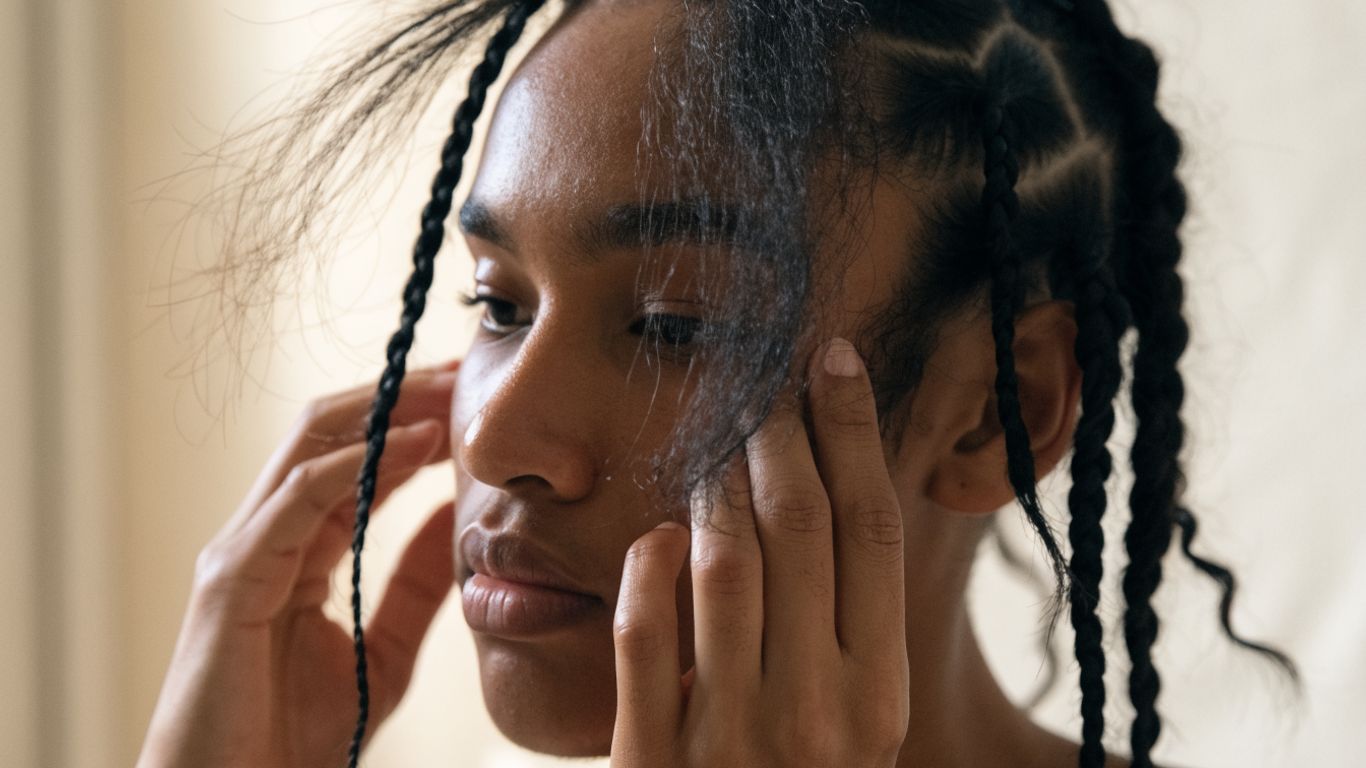
The label alone cannot tell you whether a style will create tension. Braids and twists can feel different depending on how tightly they are installed; locs can place more weight on some areas as they grow; wigs may avoid direct styling tension but still rely on a snug fit or attachment; and sew-ins can pull if the base or added hair is too tight or heavy. These are general considerations, not a ranking, and a style that feels comfortable for one person may not suit another. A gentler styling approach for 4C hair offers another perspective on keeping tension in mind.
A simple comparison can help you focus on the factors to discuss before choosing a style:
| Style | What to consider | A lower-tension check |
|---|---|---|
| Braids | Installation tightness and added weight | Ask whether the roots feel relaxed |
| Twists or locs | Placement, length, and how weight is distributed | Notice whether any area is being pulled |
| Wigs | Fit and attachment method | Make sure the fit is comfortable, not restrictive |
| Sew-ins | Base tension and extension weight | Discuss a secure but comfortable installation |
No option is automatically tension-free, and comfort can change as a style is worn. Use the comparison as a starting point for a conversation, not as a guarantee that a particular style will prevent hair loss.
Consider how hair length and added extensions affect weight
Longer hair and extensions can add weight, which may increase the pull on the roots, especially when the hair is gathered or attached tightly. Consider whether you can comfortably support the length and whether the style places more weight on a small area. Extensions are optional; choosing less added hair or a shorter length can be a practical way to reduce strain. Ask your stylist to explain how the finished style will sit and move before installation begins.
Avoid styles that pull at the edges or cause pain
Tenderness, a stinging sensation, or a persistent pulling feeling are signs to take seriously. A style should not require you to ignore pain to keep it in place. If a particular placement repeatedly stresses your edges, discuss a looser or differently positioned alternative with your stylist. If pain continues after the style is loosened or removed, seek professional advice rather than trying to manage it with another tight style.
Rotate styles to reduce repeated stress on the same areas
Changing the location and type of a style can help you avoid placing the same areas under repeated tension. Rotation does not mean switching from one tight style to another; the break matters only if the scalp is actually resting. You might build a gentler routine around a few practical choices:
- Alternate styles that put tension in different places with low-tension options.
- Leave the hairline out of styles that pull firmly on the edges.
- Choose shorter or lighter extensions when you do add hair.
- Make time between installations for your scalp to rest.
The useful measure is how your scalp responds over time, not how many styles you fit into a rotation. If one option regularly leaves soreness or bumps, take it out of the rotation and reconsider its tension or placement.
Prepare your hair and scalp before styling
Preparation starts with checking in with your scalp, rather than pushing through discomfort because an appointment is already booked. Clean, conditioned hair may be easier to handle gently, but no wash-day routine can make a tight installation safe. Think about your own sensitivity, existing thinning, and how much time you want to spend caring for the style. Mixed Nature’s guidance on textured hair focuses on practical care across different needs, rather than assuming one routine suits everyone.
Start with clean, conditioned hair and a comfortable scalp
Begin with hair and scalp that feel comfortable to you; avoid styling over irritation, soreness, or an active scalp concern without getting appropriate advice. Handle the hair gently during washing and conditioning, and give it time to dry as needed for the chosen style. The aim is not a special preparation ritual but a calm starting point that makes careful handling easier. If cleansing or conditioning triggers persistent irritation, consider discussing that reaction with a clinician.
Discuss tension and placement with your stylist
Before the appointment, tell your stylist if past styles caused pain, bumps, itching, or thinning. Ask for a comfortable level of tension and be specific about sensitive areas, such as the edges or temples. Agree that you can speak up during installation and request an adjustment if it starts to hurt. A stylist who understands your preferences can help adapt the placement and finish, though the final style should still feel comfortable to you.
Use extensions sparingly and avoid tight anchoring
Added hair can increase the load on the roots, and tight anchoring can add more pull. Consider using less hair, choosing a shorter length, or skipping extensions if your scalp has been uncomfortable. Ask how the style will be secured and whether the attachment can be made less restrictive. If the result feels tight immediately, do not assume that it will become comfortable once you get used to it.
Consider scalp sensitivity and existing thinning
If your scalp is easily irritated or you have already noticed thinning, tell your stylist before choosing a style. Avoid placing extra weight or firm tension on areas that are already vulnerable, and consider a low-tension option instead. Existing hair changes are also a reason to ask a dermatologist for guidance, particularly if they persist or are progressing. A style choice should accommodate what your scalp is telling you now, not only what worked in the past.
Maintain a protective style without increasing strain
A style that began comfortably can become less comfortable as it is worn, so check in with your scalp rather than waiting for the next appointment. Keep care gentle and avoid tightening or reworking sections just to make the style last longer. If you notice a change, consider whether the style’s placement, weight, or upkeep is contributing. These small checks are part of wearing a style thoughtfully, not a reason to feel anxious about it.
Check for pain, bumps, redness, or persistent itching
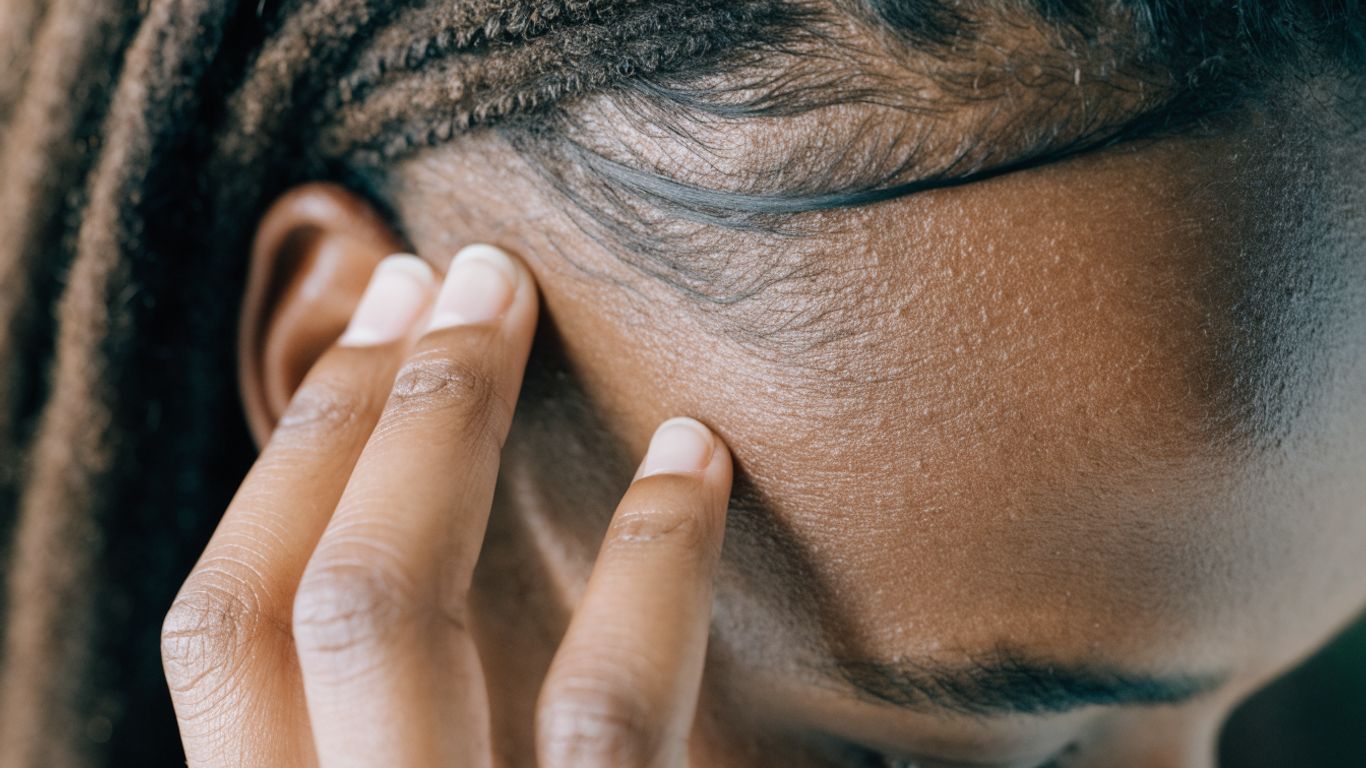
Look at the areas where the style attaches or pulls, including the hairline and temples. New pain, bumps, redness, or itching that does not settle deserves attention; these signs do not identify a cause by themselves, but they can tell you that something is irritating the scalp. If you notice a problem, avoid increasing tension while you decide what to do. A quick check can help you choose a next step:
- Loosen or remove a style that is causing pain or persistent pulling.
- Avoid scratching or picking at bumps and irritated skin.
- Note when symptoms started and which areas are affected.
- Contact a clinician if symptoms persist, worsen, or include sores.
The point is to respond early and gently, not to diagnose the scalp at home. If symptoms continue after the style is removed, arrange professional advice.
Keep the scalp clean without excessive rubbing
Follow a gentle cleansing routine that works with your style and scalp, taking care not to scrub hard or snag the hair. If you use a cleanser or other product, follow its directions and rinse as appropriate. Persistent itching or irritation is not a reason to rub more vigorously; friction may add discomfort without addressing the cause. Adjust your approach if cleansing becomes difficult or your scalp reacts.
Avoid pulling styles tighter between appointments
Retightening a style may seem like an easy way to extend its wear, but it can add strain—particularly if the roots already feel tender. Avoid pulling sections firmly or repeatedly securing the same area. If the style has loosened, ask your stylist about a comfortable adjustment rather than tightening it yourself. When in doubt, removing a style that feels uncomfortable is preferable to preserving its appearance at the expense of your scalp.
Give your hairline breaks from extensions and tension
Your hairline does not need to be styled under tension every time you change your look. Leave it out of a pulled-back style, choose a lighter option, or spend some time with no extensions. How long a break should last depends on your scalp and what you are noticing; there is no one schedule that fits everyone. If thinning persists despite reducing tension, a dermatologist can help assess what may be going on.
Remove styles gently and allow recovery time
Taking a style down is part of caring for your hair, not just a step between appointments. Rushing, pulling, or detangling aggressively can create breakage and make it harder to tell whether the scalp is recovering. Set aside enough time, use a gentle touch, and pause if you encounter knots or discomfort. Then give your scalp a chance to rest before deciding what comes next.
Take down braids and extensions without tugging
Work carefully from the ends toward the roots, using your fingers or an appropriate tool to undo each section without yanking. If you encounter a knot, pause and loosen it rather than pulling through. Removing extensions can take time, particularly when the style is dense or has been worn for a while. If you cannot safely remove a section yourself, consider asking a knowledgeable stylist for help.
Detangle gradually and minimize breakage
After taking down a style, separate the hair into manageable sections and detangle gradually. Avoid forcing a comb through snags; use your fingers first if that feels gentler, and take breaks when needed. Some shed hairs may become visible after a style is removed, but ongoing or marked thinning should not be dismissed as routine shedding. A patient approach can reduce avoidable breakage while you observe how your hair and scalp feel.
Let your scalp rest before choosing another style
You do not have to replace one style immediately with another. A rest period gives you a chance to notice tenderness, irritation, or changes in the hairline without a new installation obscuring them. Choose a comfortable, low-tension option if you want to style your hair during that time. Let your scalp’s condition guide the timing rather than following a fixed schedule.
Adjust your routine if shedding or thinning continues
If thinning continues, reconsider the styles, placement, weight, and upkeep you have used recently. Reduce tension and avoid repeating a style that appears to make symptoms worse, but do not rely on hair-care changes alone to explain persistent loss. A broader guide to preventing hair breakage may help with gentle handling, while a clinician can assess continued thinning or shedding. Keep a brief record of changes and timing if it helps you describe the pattern at an appointment.
Know when to seek professional advice
Gentle styling can reduce avoidable tension, but it cannot identify every cause of hair loss or replace medical advice. Consider seeing a dermatologist if changes persist, spread, or return despite reducing tension. A clinician can examine your scalp, discuss your history, and help distinguish traction from other possible causes. Mixed Nature’s educational resources are intended to support informed hair-care choices, not diagnose or treat a medical condition.
See a dermatologist for persistent hairline changes
Arrange an appointment if you notice ongoing thinning, a receding hairline, or repeated changes around the temples or edges. It can help to note which styles you wore, when symptoms began, and whether you experienced pain or irritation. A dermatologist can assess the scalp and advise on next steps based on your individual situation. For general prevention guidance, this dermatologist-informed traction alopecia guide offers additional reading.
Get assessed for other possible causes of hair loss
Hair loss can have causes beyond styling tension, and more than one factor may be involved. A clinician can ask about your health and hair-care history, examine the scalp, and decide whether further assessment is appropriate. Avoid self-diagnosing based on a single symptom or assuming that one product or change in styling will address every cause. A clear assessment is especially helpful when thinning continues even after you have reduced tension.
Ask about treatment options and realistic regrowth expectations
Treatment depends on the cause, how long the hair loss has been present, and the condition of the follicles. Ask what options are appropriate in your case, what benefits and limits to expect, and how progress will be monitored. Regrowth cannot be promised, so it is reasonable to ask for a realistic timeline and what signs should prompt follow-up. A dermatologist can explain the choices without assuming that the same approach works for everyone.
Seek prompt care for scalp pain, sores, or inflammation
Do not wait for a routine hair-care appointment if you have significant scalp pain, sores, or pronounced inflammation. Stop adding tension to the area and seek advice from a healthcare professional promptly. If symptoms feel severe or are worsening quickly, use an appropriate urgent-care service. Treating discomfort as a health concern is sensible; you do not need to wait until hair loss becomes obvious.
Conclusion
Protective styling can remain part of your routine while you pay attention to tension, weight, placement, and recovery time. Choose styles that feel comfortable, respond early to scalp changes, and seek a dermatologist’s advice when thinning or irritation persists. Your hair-care choices can be personal and expressive without requiring you to tolerate pain.
Frequently Asked Questions
Can protective hairstyles cause traction alopecia?
Yes. Repeated pulling from a tight or heavy style can strain the hair follicles over time and contribute to traction alopecia. Not every protective style causes hair loss, and tension and duration matter.
What are early signs of traction alopecia?
Possible signs include tenderness, bumps, redness, itching, broken hairs, or thinning around areas under repeated pull, such as the hairline or temples. These symptoms can have other causes, so a clinician can help assess them.
Should braids hurt when they are first installed?
A style should not require you to tolerate pain. If braids or another style feel painful or cause persistent pulling, ask for them to be loosened or removed rather than waiting for the discomfort to pass.
Are extensions safe for people concerned about hair loss?
Extensions are not automatically harmful, but added weight and tight anchoring can increase strain. Consider a lighter or shorter option, and avoid extensions if they cause discomfort or worsen scalp changes.
How long should I wait between protective styles?
There is no single break length that suits everyone. Give your scalp time without tension, and use its comfort and condition—not a fixed calendar—as a guide for choosing another style.
Can traction alopecia grow back?
Regrowth depends on the cause and how long the follicles have been affected. Reducing tension may help limit further strain, but regrowth is not guaranteed; a dermatologist can discuss realistic expectations for your situation.
When should I see a dermatologist about hair loss?
Seek an assessment for persistent or worsening thinning, recurring changes around the hairline, or symptoms that continue after removing a style. Get prompt advice for significant pain, sores, or inflammation.