Key Takeaways
A sunscreen stick can make daily reapplication easier, but the best sunscreen stick for dark skin is the one you can apply generously without a distracting gray or white cast. Finish, formula type, comfort, and application habits all matter.
- Look for a finish that works with your undertone and skin texture.
- Mineral formulas may need especially careful blending on deeper complexions.
- Sticks are most useful for targeted areas and touch-ups, not large body surfaces.
- Apply several passes instead of relying on one quick swipe.
- Reapply throughout the day, particularly after sweating, swimming, or wiping your face.
1. Best overall: Shiseido Clear Sunscreen Stick SPF 50+
The Shiseido Clear Sunscreen Stick SPF 50+ is a sensible starting point for shoppers who want a portable format and a straightforward place in their routine. The “best overall” label here is less about chasing a universal winner and more about balancing convenience with a finish that feels easy to wear on deeper skin tones. A stick should earn its place by making reapplication feel realistic.
When comparing products in this category, I pay attention to how much control the format gives around the nose, cheekbones, ears, and hairline. Those areas are easy to miss with a lotion and awkward to reach with a large pump bottle. The compact shape also makes it easier to keep sun protection nearby instead of treating it as something reserved for beach days.
Mixed Nature’s guide to choosing sunscreen for darker skin tones is a useful companion when the central concern is avoiding ashiness while still building a practical daily routine. Whichever stick you pick, use it as a top-up rather than your only answer for broad areas such as the arms, chest, or legs. A lotion or cream is usually more efficient there, while the stick is best saved for precise coverage.
2. Best budget pick: Neutrogena Mineral Ultra Sheer Face and Body Sunscreen Stick SPF 50
The Neutrogena Mineral Ultra Sheer Face and Body Sunscreen Stick SPF 50 suits readers who want to explore a stick without making the first purchase feel extravagant. Mineral options deserve a closer look because their visible finish can vary considerably across skin tones. The name alone does not tell you how it will look on your complexion, so testing it in daylight is worthwhile.
A budget pick still needs a careful application routine. Move slowly over each area, then use clean fingertips to soften any edges around the brows, temples, and jaw. If the product feels difficult to spread, applying less is not the solution; it simply reduces the amount of protection you are putting on.
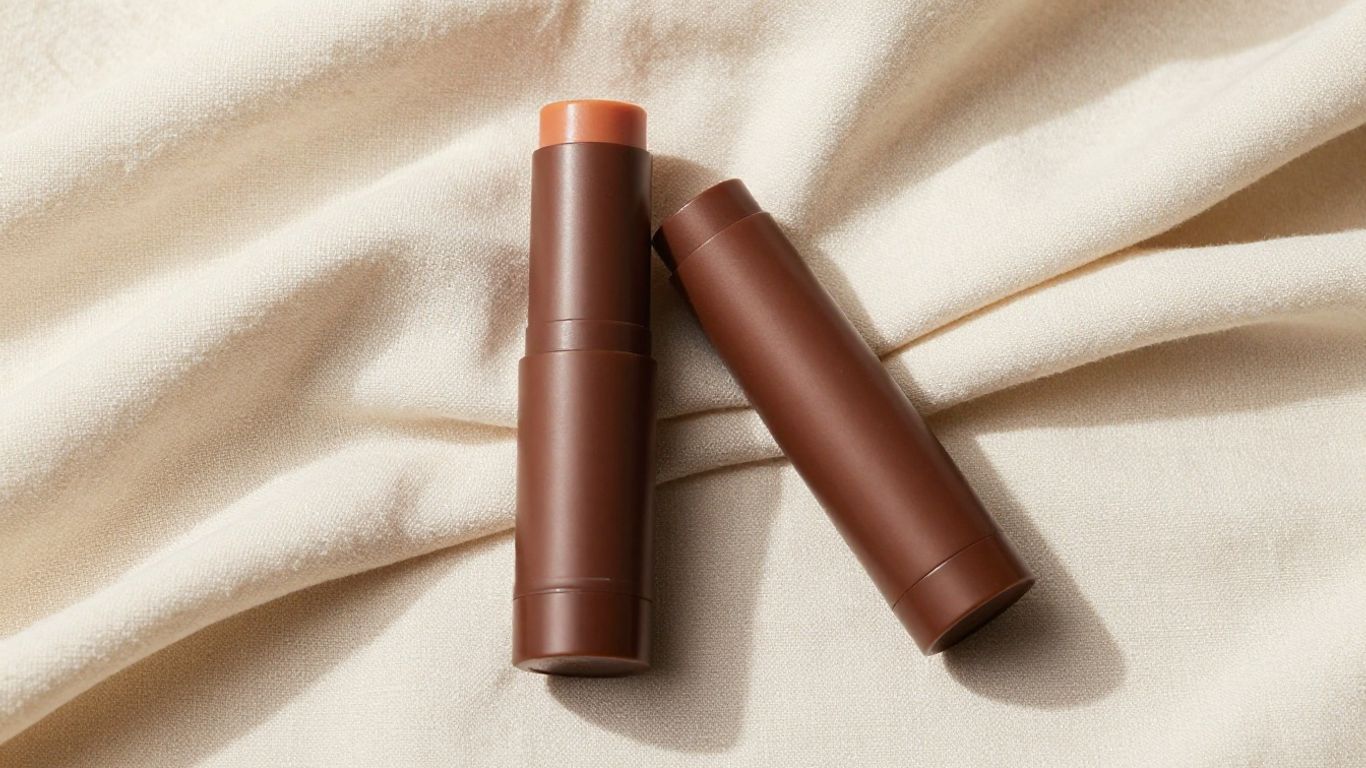
The image is a reminder to judge the finish in natural light rather than under a shop’s bright, cool bulbs. Mineral formulas can be especially revealing on melanin-rich skin, and a patch test can help you decide whether the texture and appearance are comfortable enough for regular use.
3. Best for a dewy finish: Supergoop! Glow Stick SPF 50
The Supergoop! Glow Stick SPF 50 belongs on a shortlist for anyone who prefers skin to look fresh rather than flat. A radiant finish can be attractive on deeper complexions, where a dry, pale-looking residue is often more noticeable than it is in a product swatch. Still, glow should look intentional, not like a layer sitting visibly on top of the skin.
Consider where you plan to use a dewy stick. High points of the face may welcome extra sheen, while the sides of the nose or forehead can become uncomfortable if the texture feels too rich. Your skincare underneath also changes the result, so give moisturizer time to settle before judging the final finish.
A glow-friendly option can work particularly well for a quick afternoon refresh, but it should not encourage you to under-apply. Comfort supports consistency, and consistent reapplication matters more than whether the finish is matte, satin, or radiant. If you prefer a little color with your glow, a separate look at tinted mineral sunscreens for brown skin may help you compare finishes and undertones.
4. Best mineral option: Cetaphil Sheer Mineral Sunscreen Stick SPF 50
The Cetaphil Sheer Mineral Sunscreen Stick SPF 50 is the pick to consider when mineral protection is your priority. “Sheer” is an appealing description, but the real test is how evenly the formula settles on your own skin. Deeper complexions can expose uneven blending quickly, especially around facial hair and textured areas.
Mineral sunscreen is not automatically the right choice for everyone, nor is it automatically the wrong one for dark skin. Some people prefer the ingredient profile, while others find that a chemical or hybrid formula is easier to wear. The most useful approach is to compare comfort, finish, and willingness to reapply rather than treating one category as morally or cosmetically superior.
To make a mineral stick look more even, warm it briefly between passes instead of drawing one thick stripe in a single direction. Check the forehead, upper lip, and sides of the face in a mirror near a window. This is also where natural skincare for every shade can broaden the conversation beyond a single product and toward routines that respect different undertones and skin needs.
5. Best for active days: Sun Bum Mineral SPF 50 Sunscreen Face Stick
The Sun Bum Mineral SPF 50 Sunscreen Face Stick is positioned here for days when a portable face option feels more useful than a full-size bottle. Active plans often involve movement, sweat, wind, and frequent face-touching, so the most suitable format is one you can reach quickly. A stick can be convenient for smaller zones, though it does not replace a generous lotion application on exposed body skin.
Before heading outside, apply your main sunscreen at home and let it settle. Keep the stick available for exposed areas that need attention later, including the bridge of the nose, cheekbones, ears, and shoulders. Reapply after toweling off or wiping sweat, since those actions can remove product even when the skin does not feel especially hot.
A short checklist keeps active-day application from becoming guesswork:
- Cover the face, ears, neck, and other exposed small areas.
- Make multiple back-and-forth passes rather than one quick swipe.
- Reapply after swimming, heavy sweating, or towel drying.
- Pair the stick with protective clothing, shade, and a broad-area sunscreen.
That sequence is simple, but it addresses the main weakness of a stick: the temptation to use too little. For more practical context on portable application, see this sunscreen stick application guide, then adapt the routine to your own activity and skin comfort.
6. Best for reapplying over makeup: Beauty of Joseon Matte Sun Stick Mugwort + Camellia SPF 50+ PA++++
The Beauty of Joseon Matte Sun Stick Mugwort + Camellia SPF 50+ PA++++ is the option to consider when reapplication needs to coexist with makeup. The goal is not to create a perfect second makeup application. It is to add another layer of sun protection without turning the complexion into a visibly wet or heavily disturbed surface.
Use a light hand around foundation, concealer, blush, and powder. Pressing or gliding gently is preferable to dragging the skin repeatedly, especially where makeup has already settled into fine lines. If the finish becomes uneven, a clean sponge or fingertip can soften the edges without adding more product than necessary.
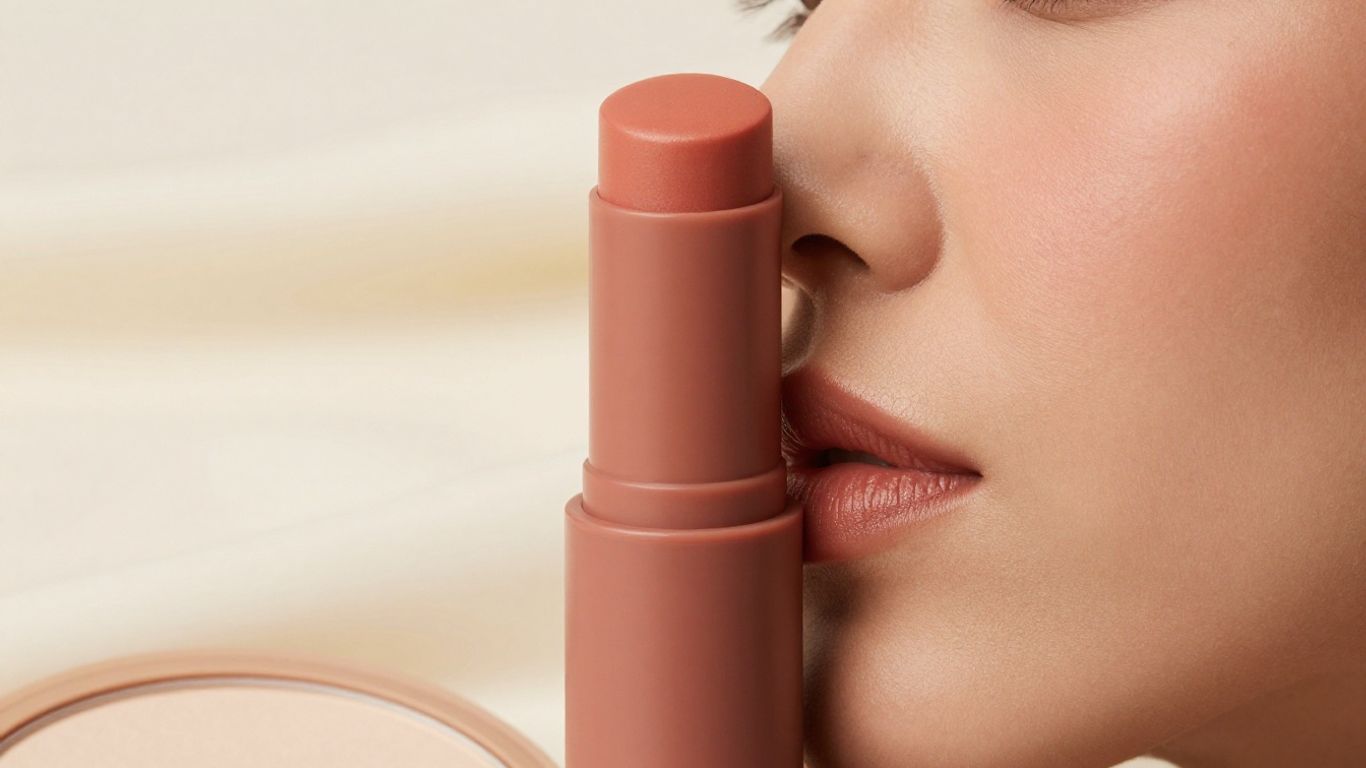
Mixed Nature’s natural makeup tips for brown skin offer useful routine context for keeping a base fresh while working with hydration and undertone. The same principle applies here: prepare the skin well, apply in manageable layers, and do not expect a touch-up product to replace the amount used during your initial morning application.
7. Best for sensitive skin: Avène Suncare Mineral Sunscreen Stick SPF 50+
The Avène Suncare Mineral Sunscreen Stick SPF 50+ is the choice to investigate when sensitivity is the deciding factor. Sensitive skin can react to more than active ingredients; fragrance, friction, dryness, and repeated rubbing may all affect comfort. A stick may reduce mess, but it still needs to be applied gently and checked against your own history.
Patch testing is a practical first step, particularly if you are trying a mineral formula for the first time or your barrier is already unsettled. Apply a small amount to an inconspicuous area and observe how the skin feels over the next day. Do not test a new product for the first time immediately before a long outdoor event.
Keep the rest of the routine quiet while you assess it. A mild cleanser, a familiar moisturizer, and fewer new variables make it easier to identify what is causing irritation. Readers managing reactive or combination skin may also find a broader skincare routine guide useful when deciding how a sunscreen stick fits into the day.
8. Best for the eye area and high-contact zones: Colorescience Sunforgettable Total Protection Color Balm SPF 50
The Colorescience Sunforgettable Total Protection Color Balm SPF 50 is a targeted option for places where precision matters more than speed. The eye area, upper cheeks, nose, lips, and ears are small but frequently exposed, and they can be easy to overlook during a rushed morning. A balm-style format also invites more deliberate placement than a broad lotion application.
Take care near the eyes and avoid forcing product into the eye itself. Use a mirror, work in short passes, and pay attention to the skin beside the frames of sunglasses or beneath hat edges. High-contact zones deserve another look later because glasses, masks, collars, and hands can disturb coverage.
A colored or balmy finish can also change how visible the product appears against your undertone. Check for edges in daylight and blend only where needed. For readers concerned with uneven tone, sunscreen tips for dark skin tones explain why daily protection remains worthwhile even when deeper skin does not visibly burn as quickly.
9. Best compact option for travel: Tocobo Cotton Soft Sun Stick SPF 50+ PA++++
The Tocobo Cotton Soft Sun Stick SPF 50+ PA++++ is a natural fit for a small travel kit, especially when space and spill prevention matter. A compact stick can sit beside lip balm, hand cream, and sunglasses without the worry of a leaky bottle. Its travel appeal, however, should not distract from the basic question: will you actually apply enough and use it again later?
For flights, road trips, and city walks, keep it somewhere reachable rather than buried at the bottom of a toiletry bag. Reapplication is easier when the product is visible and the steps are uncomplicated. Take particular care with the backs of the hands, ears, and hairline, which can receive plenty of incidental exposure.
A stick remains a targeted tool, not an efficient way to cover every exposed part of the body. Pack a separate broad-area sunscreen for shoulders, arms, and legs, and use the compact formula for touch-ups. If your wider planning includes outdoor furniture and sun exposure at home, even durable outdoor furniture can be part of a comfortable shaded setup, though it is no substitute for sunscreen or clothing.
10. Best sunscreen stick for dark skin with a radiant finish: Vacation Super Stick SPF 50
The Vacation Super Stick SPF 50 rounds out this list for readers who want a radiant-looking finish in a portable format. Radiance can make sunscreen feel more like a beauty step, which may help it become part of a routine instead of an occasional extra. The right result should still look even across the face and should not emphasize dry patches.
Apply it over settled skincare, then inspect the high points and perimeter of the face. If you have oily areas, a radiant stick may be more comfortable on the cheeks than across the entire forehead or nose. A personalized approach is perfectly reasonable; sunscreen does not have to look identical on every part of your face.
The most useful way to compare radiant finishes is to watch how they behave after an hour or two, not just how they look immediately after application. Think about transfer, comfort, makeup compatibility, and whether you are willing to reapply. Those everyday details are more revealing than a short-lived first impression.
Conclusion
The best sunscreen stick for dark skin is ultimately the one that fits your finish preference, comfort needs, and real reapplication habits without leaving you distracted by ashiness. Use sticks for convenient, targeted touch-ups, apply enough in multiple passes, and pair them with broad-area sunscreen, shade, and protective clothing when you are spending time outside.
Frequently Asked Questions
Can darker skin tones benefit from daily sunscreen?
Yes. Melanin offers some natural protection, but it does not eliminate exposure to ultraviolet radiation or the possibility of sun-related dark spots, premature aging, and skin cancer. Daily sunscreen remains a useful part of a complete protection routine.
What causes a white or gray cast?
A visible cast often comes from mineral filters, uneven application, a mismatched tint, or a formula that does not blend well with a particular undertone. The appearance can also change with the amount applied and the lighting where you check it.
Are sunscreen sticks enough for the whole body?
Usually, sticks are more practical for targeted areas than large surfaces. Use a lotion, cream, or another broad-area format for the body, and reserve the stick for places that need precise application or convenient reapplication.
How many passes should I make with a sunscreen stick?
Make several deliberate back-and-forth passes over each area rather than one quick swipe. Because the amount deposited is difficult to judge, a slow, methodical application is a better approach than relying on a single visible line.
Can I apply a sunscreen stick over makeup?
You can, although the result depends on the formula, the makeup underneath, and how much pressure you use. Glide or press gently, work in small sections, and use a clean tool or fingertip to soften disturbed edges if needed.
Should I choose mineral or chemical sunscreen?
Neither category is automatically best for every person or complexion. Choose the type that feels comfortable, suits your preferences, blends acceptably, and is easy for you to apply generously and reapply.
When should sunscreen be reapplied?
Reapply during extended outdoor exposure and after swimming, sweating, towel drying, or wiping the face. The exact timing depends on the product directions and your activities, so treat the stick as a convenient part of a broader sun-protection plan.