Key Takeaways
The best curl cream for 3B 3C hair depends on more than curl pattern alone. Porosity, density, dryness, and the finish you want all matter when you choose a styler.
- Rich creams can support dry, dense curls, while lighter formulas may suit finer strands.
- Apply styling products to wet or damp hair according to the shape and volume you want.
- Definition, moisture, and frizz control often require different product textures.
- Start with a small amount and add more only where your curls need it.
- A simple routine usually works better than layering every product at once.
1. Best overall: Camille Rose Almond Jai Twisting Butter
For a balanced starting point, Camille Rose Almond Jai Twisting Butter is presented here as the best overall choice for 3B and 3C hair. Its place on this list makes sense for curl routines that move between definition, moisture, and twist-focused styling. Still, “overall” does not mean universal; a product that feels comfortable on dense curls may be too rich for fine hair.
The best way to judge a cream is by how your hair behaves after it dries. Notice whether curls group together, whether the finish feels soft, and whether the hair remains easy to reshape on the following day. Use less around the roots if your hair loses volume quickly, and concentrate more product on the lengths when the ends feel dry.
A good first test is a small section on freshly washed, well-conditioned hair. Work the product through with your fingers, scrunch gently, and let the section dry before deciding whether the amount or application method needs adjusting. This kind of trial keeps the rest of wash day flexible instead of committing your whole head to a formula that may not suit every area.
2. Best for intense moisture: Mielle Pomegranate & Honey Curling Custard
Mielle Pomegranate & Honey Curling Custard takes the intense-moisture spot for curls that often feel thirsty soon after washing. The custard format suggests a more substantial styling step than a featherlight cream, which can be useful when 3C curls need help staying supple. Hair that is fine, low density, or easily coated may need a smaller application.
Apply it while the hair is still wet enough for the product to spread smoothly. Raking through small sections can help distribute the custard without repeatedly disturbing the curl pattern. If your hair feels coated after drying, reduce the amount next time rather than abandoning the product immediately; quantity often changes the result dramatically.
Moisture is not only about the product itself. Gentle detangling, thorough conditioning, and drying without rough friction can make a rich styler feel more comfortable. For a broader routine, this Type 3B 3C hair routine offers a useful place to think about wet styling, porosity, and avoiding overload.
3. Best for definition and hold: Curlsmith Hold Me Softly Style Balm
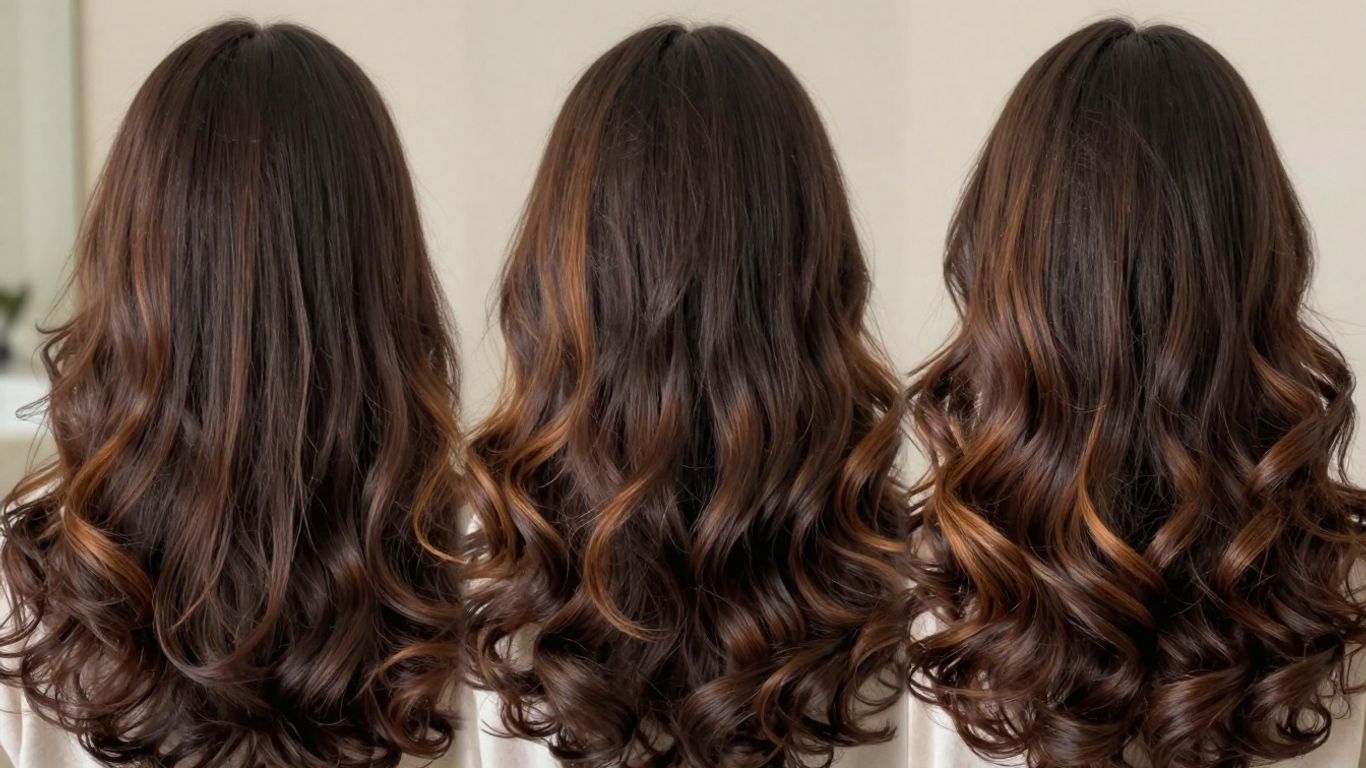
Curlsmith Hold Me Softly Style Balm is the pick for readers who want definition with some staying power. A balm can occupy the middle ground between a soft cream and a firmer gel, making it appealing when curls need shape but should not feel rigid. The right amount will depend on density, length, and whether you plan to air-dry or diffuse.
For more even results, divide the hair into sections and smooth the balm over the outside of each curl group. Scrunching afterward encourages the pattern to reform without asking the product to create texture that is not already there. If the finish feels too firm, allow the hair to dry fully before gently loosening the cast with clean, dry hands.
Definition is also affected by water level. Very wet hair can help elongate curls and spread product, while damp hair may encourage a tighter, springier finish. If you are comparing cream, gel, and mousse, this guide to gel versus mousse can help clarify which kind of hold fits your styling goal.
4. Best for dry, high-porosity curls: TGIN Butter Cream Daily Moisturizer
TGIN Butter Cream Daily Moisturizer is included for dry, high-porosity curls that tend to lose moisture quickly. This category of hair may absorb water readily but still need help keeping that softness from disappearing during the day. A butter cream can therefore be worth considering when lighter products leave the ends feeling unfinished.
Use it selectively rather than automatically applying a large amount everywhere. High-density areas and older, drier ends may need more attention than the crown, while a small amount near the scalp can preserve lift. Porosity changes the strategy, so two people with the same curl type may need noticeably different quantities and layering habits.
The table below is a practical way to match common hair behavior with an application adjustment. It is not a rulebook, but it can make wash-day experimentation less random.
| Hair behavior | Try first | Watch for |
|---|---|---|
| Dry ends soon after styling | Add product to the lengths | A coated or waxy finish |
| Hair absorbs water quickly | Apply on very wet hair | Product slipping off before distribution |
| Flat roots with moisturized ends | Keep cream below the roots | Loss of volume |
| Curls feel rough after drying | Use less friction while drying | Persistent stiffness or buildup |
After the first test, give your hair time to show you what it needs. If the curls look moisturized but lack movement, reduce the amount; if they feel soft but lose shape immediately, consider using a separate hold product instead of adding more butter cream. A routine should be adjusted by result, not by curl-type label alone.
5. Best lightweight option: Not Your Mother’s Curl Talk Defining Cream
Not Your Mother’s Curl Talk Defining Cream is the lightweight option in this guide. It suits the styling problem of wanting visible curl shape without a heavy finish, especially when hair becomes limp under richer creams. That does not make it automatically best for every fine strand, since application technique can be as influential as texture.
Begin with a small amount emulsified between your palms. Smooth it over wet sections, then scrunch from the ends upward; adding more gradually is easier than trying to correct an overloaded head of hair. If the curls need additional hold, pair the cream with a compatible styling step rather than applying several layers of cream.
Lightweight styling is especially helpful when your routine already includes a leave-in conditioner. Check how the products behave together on one section before using them across your whole head. You can also compare the approach with this 3B low-porosity hair guide, particularly if your hair is prone to buildup or takes a long time to become fully wet.
6. Best for frizz control: Moroccanoil Curl Defining Cream
Moroccanoil Curl Defining Cream takes the frizz-control position for readers who want a smoother-looking curl pattern. Frizz is rarely caused by one thing: humidity, dryness, friction, uneven curl clumps, and disrupted drying can all play a part. A cream may help the styling process, but it works best alongside gentle handling.
Distribute the product in sections so that the outer layer and the interior receive similar attention. Avoid brushing through the hair once the curls have begun to set, and try not to touch them repeatedly while drying. If humidity is a regular challenge, a separate hold product may provide a more dependable finish than piling on extra cream.
The most useful comparison is not simply “frizzy” versus “frizz-free.” Look for whether the curl groups stay together, whether the surface feels soft, and whether the hair retains movement. These frizz-control tips for mixed curl types are a natural companion for building that broader, less product-dependent routine.
7. Best budget-friendly pick: SheaMoisture Coconut & Hibiscus Curl Enhancing Smoothie
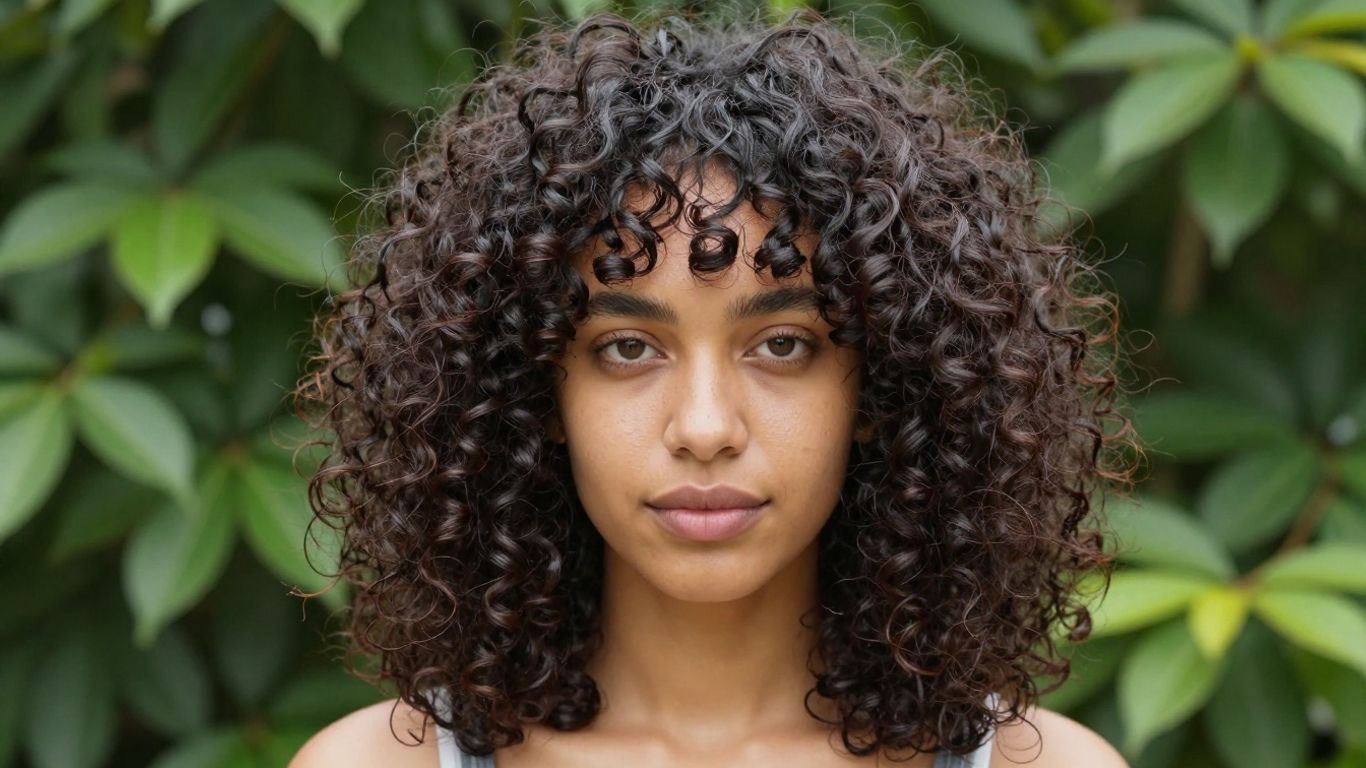
SheaMoisture Coconut & Hibiscus Curl Enhancing Smoothie is the budget-friendly pick for readers who want a generous styling product without making the first experiment expensive. It may be especially appealing for longer or denser hair, where a tiny amount of product rarely covers every section. Even so, a richer smoothie can feel heavy if the hair is fine or easily weighed down.
Try it on one side of the head first, using less than you think you need. Compare the dried result with the untouched side for definition, softness, volume, and residue. This simple split test is more revealing than judging the product from its texture in your hands.
Budget does not have to mean careless. Washing thoroughly when buildup appears, protecting curls while sleeping, and avoiding unnecessary layers can stretch the usefulness of any styler. If you need help refreshing an existing style rather than restyling from scratch, this guide to second- and third-day curl refreshers fits naturally into the routine.
8. Best for wash-and-go styles: As I Am Curling Jelly
As I Am Curling Jelly is the wash-and-go selection, a format that many 3B and 3C wearers choose when they want the natural curl pattern to remain visible. Wash-and-go results depend heavily on application, water, and drying, so the product is only one part of the outcome. The goal is usually consistent clumping rather than perfectly identical curls.
Apply in sections while the hair is wet, smoothing the product through before scrunching. A little more attention around the perimeter can help with uneven definition, while the interior may need less manipulation than expected. Allow the hair to dry completely before separating curls or assessing the final hold.
A short checklist can keep the process manageable without turning wash day into a laboratory:
- Start with clean, conditioned hair that is still wet.
- Work in sections small enough for even distribution.
- Scrunch gently instead of repeatedly combing through drying curls.
- Wait until the hair is fully dry before softening the finish.
Those steps matter because a wash-and-go is shaped by the condition of the hair before styling. If the curls begin dry, tangled, or unevenly saturated, even distribution becomes much harder. For additional routine context, this 3C hair care guide covers hydration, detangling, and protective habits that support definition between wash days.
9. Best for dense 3C curls: Pattern Styling Cream
Pattern Styling Cream is the dense-3C pick, where the main challenge may be getting enough product through substantial hair without rushing. Density and curl tightness can make the surface look finished while the interior remains under-moisturized. Sectioning is therefore not a fussy extra; it is often what makes the styling result more consistent.
Use a few workable sections and add product according to how each area responds. The back and lower layers may need different attention from the crown, especially if those sections dry at different speeds. Keep the root area lighter if volume matters, and concentrate cream where the curl feels rough or separates too quickly.
Dense curls also benefit from patience during detangling and drying. Pulling apart clumps too early can create more surface frizz, while leaving the hair wet for too long may make the final shape harder to predict. The most reliable routine is the one that respects the hair’s density instead of treating every section as if it had the same needs.
10. Best for soft, touchable curls: Briogeo Curl Charisma Rice Amino + Avocado Leave-In Defining Crème
Briogeo Curl Charisma Rice Amino + Avocado Leave-In Defining Crème is the choice for soft, touchable curls. That finish is appealing when you want definition without sacrificing movement or a natural feel. Softness can look different across textures, though: dense curls may need enough product for cohesion, while finer curls may need only a light veil through the ends.
Apply the crème with open hands or gentle raking, then scrunch to encourage the curl pattern. Once dry, assess whether the hair feels flexible rather than judging it only by shine or first-day volume. If the result is soft but short-lived, adding a small amount of hold elsewhere in the routine may be more useful than increasing the crème.
The wider lesson is to choose a finish that feels like you. Curl care should leave room for volume, shrinkage, texture, and changing styles rather than forcing every head of hair toward one polished result. For more practical product and technique ideas, the curly hair care collection is a useful place to continue exploring.
A note on researching hair care online: the same care used to compare formulas applies to evaluating any advice resource. Look for clear scope and useful detail, whether you are reading about professional locksmith services, Miami videographers, Core Web Vitals, retail scent strategies, or persistent flea problems. Those subjects are far from curl care, but the habit is the same: check what a page actually covers before treating it as guidance for your own situation.
Conclusion
Choosing the best curl cream for 3B 3C hair is a process of matching texture, porosity, density, and desired finish rather than chasing one universal winner. Start with a small amount, apply it to suitably wet hair, and let the dried result guide your next adjustment. With a little observation, your routine can support defined, moisturized curls while still leaving room for their natural volume and movement.
Frequently Asked Questions
What is the best curl cream for 3B and 3C hair?
There is no single best choice for every head of 3B or 3C hair. Consider density, porosity, dryness, and whether you want softness, definition, hold, or frizz control.
Should curl cream be applied to wet or damp hair?
Wet hair generally makes it easier to distribute product and encourage curl clumps, while damp hair can create a tighter or fuller result. Experiment with both levels of moisture to see which finish you prefer.
How much curl cream should you use?
Start with a small amount and add more section by section if needed. Hair density, length, and porosity all affect how much product is appropriate.
Can curl cream make 3C hair feel heavy?
Yes, especially when the formula is rich or several moisturizing products are layered. Use less near the roots, test one section first, and watch for reduced volume or residue.
How can you reduce frizz when using curl cream?
Apply product evenly to wet sections, limit friction while drying, and avoid touching the curls until they are fully dry. Humidity and dryness may also require changes elsewhere in the routine.
Is curl cream enough for a wash-and-go?
It can be enough for a soft, low-hold result, but some hair needs a separate gel or jelly for longer-lasting definition. The choice depends on how much structure your curls need.
How do you refresh 3B or 3C curls between wash days?
Use water or a suitable refresher sparingly, reshape flattened sections, and smooth only the areas that need attention. Too much added product can create buildup and make later styling harder.