Key Takeaways
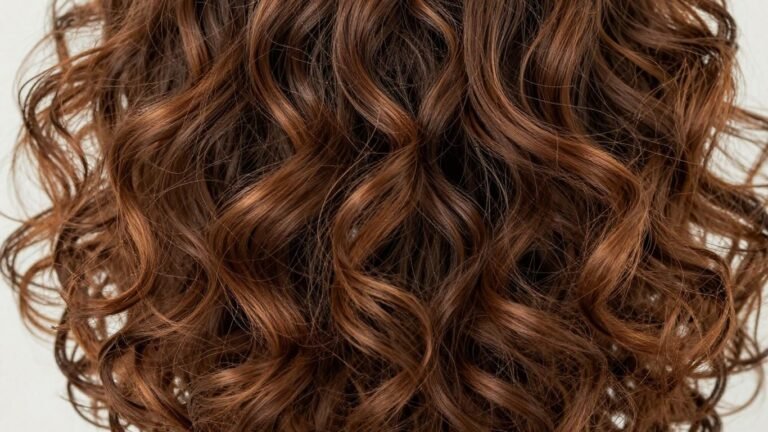
The best mousse for 2A 2B hair should add shape and lift without making loose waves feel coated. The right choice depends on your strand thickness, frizz level, and how much hold you want.
- Choose lightweight mousse when your waves lose volume easily.
- Use less product on fine or low-density hair to reduce buildup.
- Apply mousse to very damp hair and scrunch it upward.
- Air-drying can create a softer finish, while diffusing adds lift.
- A small amount of castor or jojoba oil can help dry hair, but heavy layering may flatten waves.
1. Not Your Mother’s Curl Talk Activating Mousse — Best overall for soft definition
Loose waves usually need encouragement rather than a heavy coating of product. A good mousse should help the natural pattern gather into soft sections while keeping the hair light enough to move. That balance makes this type of styler especially useful for hair that sits between straight and curly.
Not Your Mother’s Curl Talk Activating Mousse is a reasonable starting point when soft definition matters more than a firm cast. Use a small palmful on damp lengths, then scrunch from the ends toward the roots. Start with less product and add only if the waves still look undefined.
The result will depend on how wet the hair is, how much conditioner remains, and whether the strands are fine or dense. For a broader comparison of gel and mousse styling, think of mousse as the lighter first experiment when volume and touchability are priorities. Clarify occasionally if several styling products begin to make the hair feel dull or limp.
2. Herbal Essences Totally Twisted Curl Boosting Mousse — Best budget pick for lightweight volume
Budget styling does not have to mean using a large amount to get visible shape. For 2A and 2B waves, a light foam can be useful when the roots fall flat but the lengths already have some natural bend. The key is to distribute it evenly instead of concentrating everything at the crown.
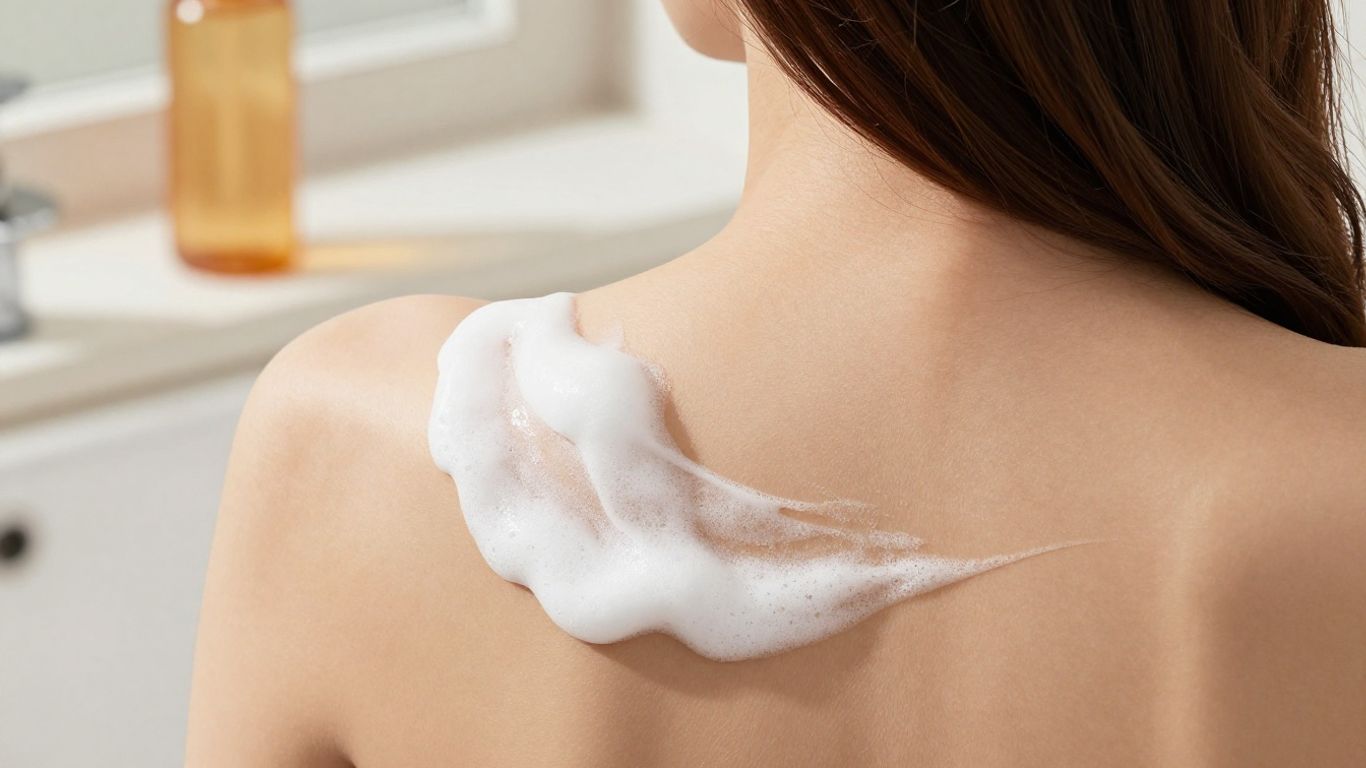
Herbal Essences Totally Twisted Curl Boosting Mousse fits the simple, volume-first approach suggested by this category. Work it through damp hair with open hands, then scrunch gently so the wave pattern is not stretched out. If your hair is easily weighed down, keep the amount closer to a teaspoon-sized portion and reassess after drying.
A budget pick is most useful when it can slot into an uncomplicated routine. Clean hair thoroughly, avoid piling on several rich stylers, and judge the finish after the hair is fully dry rather than while it is still wet. For more background on caring for 2A waves, pay attention to the relationship between moisture, definition, and weight.
3. John Frieda Frizz Ease Dream Curls Air-Dry Waves & Curls Foam — Best for frizz-prone waves
Frizz is not always a sign that hair needs more product. It can also come from rough handling, uneven drying, or applying styler after too much water has already left the hair. A foam designed for an air-dry routine is appealing when you want to minimize heat and keep the process relaxed.
Apply mousse in sections, smoothing it over the surface before scrunching the ends. This gives stray hairs a better chance of joining the larger wave groups instead of standing apart from them. Avoid touching the hair repeatedly as it dries, since friction can make a soft style look fuzzier.
The best mousse for 2A 2B hair will not look identical on every head, particularly when porosity and density differ. A useful wavy-hair care guide can help you think beyond product choice and adjust cleansing, conditioning, and drying habits too. If the hair feels stiff, use less next time rather than immediately adding oil or cream.
4. Kenra Volume Mousse 12 — Best for airy lift at the roots
Root lift is often the main reason someone with loose waves reaches for mousse. The challenge is creating height without making the crown look dry or disconnected from the lengths. Application technique matters as much as the formula: lift small sections, place product near the roots, and let the wave pattern remain relaxed through the ends.
A quick comparison can make the tradeoffs easier to see:
| Priority | Mousse approach | Application focus |
|---|---|---|
| Root volume | Light foam | Crown and underside |
| Soft definition | Moderate amount | Mid-lengths and ends |
| Frizz control | Even distribution | Surface and wave groups |
| Lasting hold | More structured formula | Sections and scrunching |
After applying, allow the roots to dry without flattening them under a towel or heavy clip. A diffuser can add lift, but air-drying is often gentler if your hair becomes fluffy with heat. The finished shape should still feel connected, not like volume has been added only at the top.
5. Moroccanoil Curl Control Mousse — Best for moisture and smoothness
Some 2B hair has enough wave to need definition but also feels dry at the ends. In that case, a mousse chosen for a smoother styling direction may be more comfortable than a very airy volumizer. Start with well-rinsed conditioner and remove excess water gently before styling.
Scrunch mousse into the lower lengths first, then use whatever remains on the crown. This keeps the driest area from being overlooked while preventing the roots from receiving too much product. If you layer leave-in conditioner underneath, keep that layer light and wait until the hair is fully dry before judging whether the combination is too heavy.
Moisture should support movement, not erase it. If waves become stringy, shorten the conditioning step or reduce the amount of styler at the next wash. People managing a mixture of textures may also benefit from low-porosity buildup guidance, especially when lightweight products still accumulate over time.
6. Innersense I Create Lift Volumizing Foam — Best clean-leaning option for fine waves
Fine waves can look beautiful and full, but they often show excess product quickly. A volumizing foam is worth considering when you want lift without building a long routine around creams, oils, and gels. Keep the preparation simple so you can tell what the styling step is actually doing.
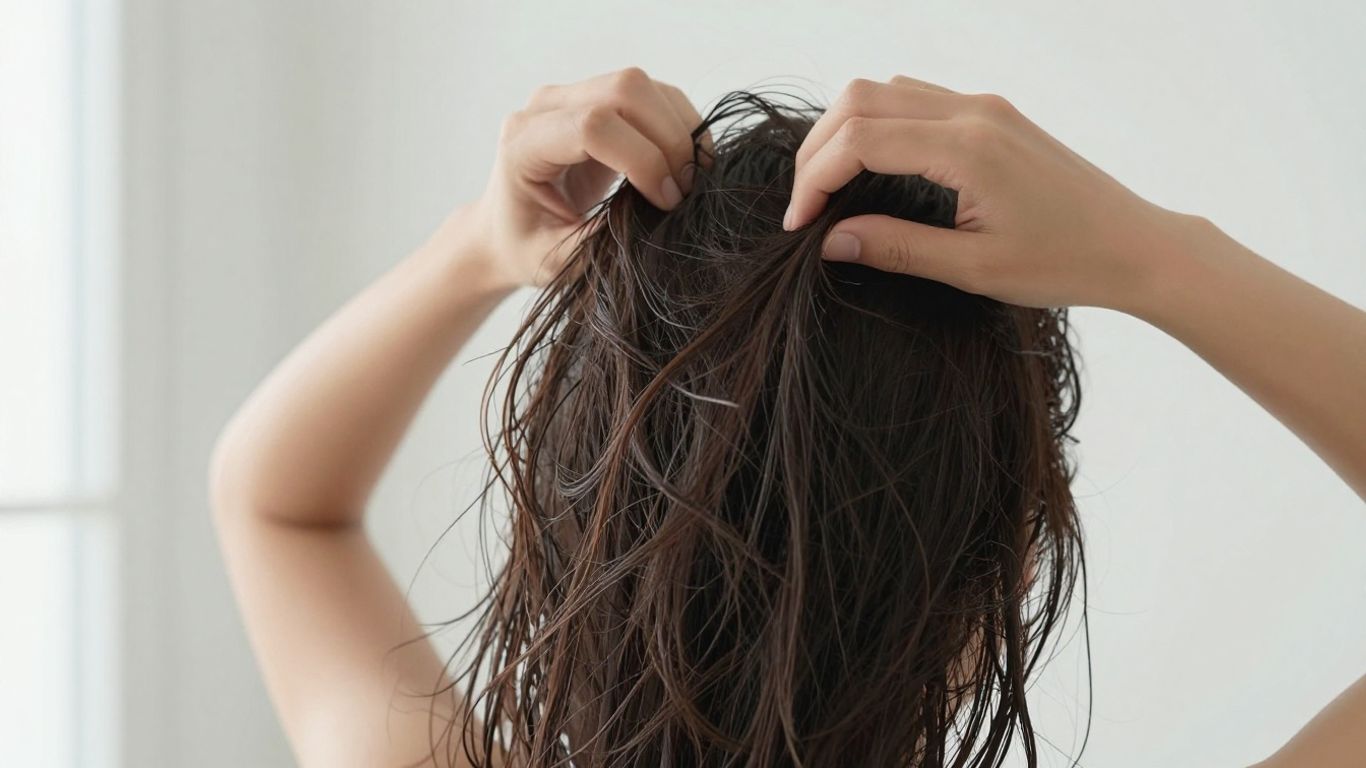
Innersense I Create Lift Volumizing Foam is the clean-leaning option in this roundup for readers who prefer that kind of positioning. Apply it to damp hair in two or three sections, concentrating on areas that need shape rather than coating every strand repeatedly. Fine hair often responds better to even coverage than to a large dose.
The phrase “clean” does not replace a fit-based evaluation. Check how your hair feels after several washes, whether the style stays buoyant, and whether the product works with your existing conditioner. For another perspective on lightweight products for fine curls, compare formulas by feel and buildup rather than by marketing language alone.
7. TRESemmé Flawless Curls Extra Hold Mousse — Best for longer-lasting hold
Some waves look good for an hour and then loosen before the day is over. A stronger-hold mousse can help when longevity matters, though extra hold may also feel less touchable if too much is applied. Use it on damp hair and make sure the product reaches the inner layers, not only the outside surface.
A simple routine keeps the result more predictable:
- Rinse conditioner thoroughly so the hair is not overly slippery.
- Apply mousse in sections while the hair is still damp.
- Scrunch upward, then leave the wave groups undisturbed while drying.
- Break up any temporary stiffness only after the hair is completely dry.
This sequence separates shaping from finishing, which helps you avoid brushing through the wave pattern too early. If the hair remains crunchy, reduce the dose or dilute the mousse across wetter sections next time. A tested mousse comparison can offer useful ideas for evaluating hold, volume, definition, and drying time without relying on one label alone.
8. Aussie Miracle Curls Mousse — Best affordable option for dry, wavy hair
Dry, wavy hair usually needs a careful balance: enough conditioning support to keep the ends comfortable, but not so much that the waves collapse. Affordable mousse can work well here when it is paired with a restrained wash-day routine. Focus on the areas that need help instead of applying an equal amount from roots to ends.
Use your palms to smooth product over the outside of the hair, then scrunch the underside. This method can reduce rough-looking flyaways while preserving the loose S shape. If the ends still feel parched, try improving the rinse-out conditioner first rather than simply increasing the mousse.
Dryness also varies with weather, chemical processing, and how often heat is used. A practical natural-wave styling guide can help you compare air-drying, scrunching, and product placement as part of the same routine. The goal is hair that feels pliable when you touch it, not hair that stays fixed in one position.
9. Cake Beauty The Curl Friend Defining Curl Creamy Mousse — Best for flexible, touchable definition
A creamy mousse makes sense for readers who want their waves to look arranged without feeling shellacked. This is especially appealing for 2A hair that needs a little encouragement but can lose movement under richer creams. Keep the application focused on the lengths and use a clean, gentle scrunch.
Definition comes from forming larger wave groups, not from separating every strand. After applying product, cup the ends in your hands and press upward several times. Let the hair dry fully before deciding whether the style needs more separation or a small refresh with water.
Flexible definition is also a useful goal for mixed-heritage hair, where different areas may not behave the same way. A routine based on observation is more reliable than forcing every section into one pattern. If you need stronger shape on a few pieces, add product locally instead of increasing the amount everywhere.
10. OUAI Air Dry Foam — Best for a simple no-heat styling routine
A no-heat routine can be pleasantly uncomplicated: wash, condition, apply mousse, scrunch, and wait. It works best when the hair already has a visible wave pattern and when you can avoid handling it during the drying process. This approach may not produce maximum root height, but it can create a soft everyday finish.
OUAI Air Dry Foam belongs in this conversation for anyone prioritizing a straightforward air-drying step. Apply it while the hair is damp, shape the waves with your hands, and arrange the part before leaving the hair alone. A light towel or cotton T-shirt can remove excess water without aggressive rubbing.
If you want to understand how different textures respond to low-manipulation routines, compare the advice in this guide to frizz control. You can also use the short routine below as a starting point, then adjust one variable at a time. That makes it easier to identify whether the issue is product weight, moisture, drying method, or simply the weather.
Conclusion
The best mousse for 2A 2B hair is the one that supports your natural wave pattern without asking it to behave like a different texture. Begin with damp hair, a modest amount, and a patient drying period, then adjust for volume, softness, frizz, or hold. The right routine should leave your waves light, defined, and recognizably yours.
Frequently Asked Questions
Is mousse good for 2A and 2B hair?
Yes, mousse can add light definition, volume, and flexible hold to 2A and 2B waves. Use a small amount first because loose patterns can become weighed down more quickly than tighter curls.
Should mousse be applied to wet or damp hair?
Damp hair is usually the easiest starting point. It gives the product enough water to spread while still allowing the waves to form as the hair dries.
How much mousse should I use for fine waves?
Start with a small palmful or less, depending on hair length and density. Add more only after the first application has been distributed and you can see that additional support is needed.
Can mousse cause buildup?
Any styling product can contribute to buildup when it is layered heavily or not removed thoroughly. Regular cleansing and avoiding several overlapping stylers can help keep waves light.
How can I prevent mousse from feeling crunchy?
Use less product, apply it to wetter hair, and avoid touching the hair while it dries. Once fully dry, gently scrunching can soften temporary stiffness.
Is air-drying or diffusing better for wavy hair?
Neither method is universally better. Air-drying is simple and low heat, while diffusing can help create more root lift; choose the method that gives your hair the best balance of shape and comfort.
Can mousse replace gel for wavy hair?
Sometimes, especially when you want a lighter and softer finish. Gel may be preferable when you need more structured hold, while mousse is often a better first choice for airy volume and movement.