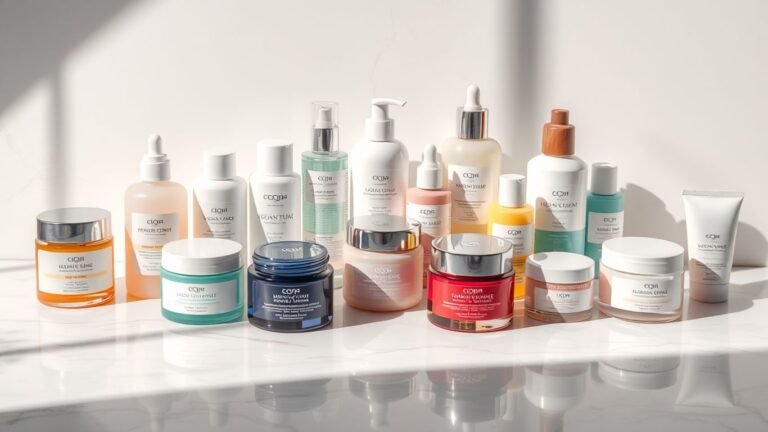
My skin journey has been a bit of a rollercoaster, honestly. As a biracial person, figuring out what works for my skin wasn’t exactly straightforward. It felt like there wasn’t a clear guide out there, especially when I became a mom and started thinking about my kids’ skin too. This whole process has been about learning, trying things out, and slowly but surely finding a good Biracial Skin Routine that makes sense for all of us.
Key Takeaways
- Biracial skin isn’t a one-size-fits-all category; it has unique needs that require special attention.
- Choosing gentle, natural ingredients is super important, especially for sensitive or mixed heritage skin.
- A good Biracial Skin Routine often involves layering products to keep skin hydrated and healthy.
- Using tools like apps can help you spot and avoid irritating chemicals in everyday products.
- Developing a consistent Biracial Skin Routine takes time and might involve some trial and error, but it’s worth it.
Embracing My Biracial Skin Journey
The Unexpected Beginning
My journey into understanding biracial skin wasn’t something I planned. It really started when I became a mom. I had my first child, and I just assumed that the baby products I used on myself would be fine for her. Turns out, I was wrong. Very wrong. After using a popular baby wash, her skin broke out in a terrible rash. It was a wake-up call, honestly. I had to quickly learn that biracial babies often have more sensitive skin and different needs than I initially thought. This whole experience pushed me to really look into what goes into skincare and why it matters so much.
Learning Through Motherhood
Fast forward a bit, and now I have four kids, all with their own unique skin and hair. It’s been a constant learning process, figuring out what works for each of them. I’ve learned that what’s good for one child might not be the best for another, even within the same family. It’s a lot of trial and error, but I’ve gotten pretty good at spotting ingredients that are gentle and safe. I’ve found that apps that scan product ingredients can be super helpful, especially when you’re trying to avoid things that might cause irritation. It’s all about being informed and making smart choices for their delicate skin.
Navigating Sensitive Skin Needs
Caring for sensitive skin, especially when it’s biracial, means paying attention to the details. I’ve learned that harsh chemicals can really do a number on their skin, leading to redness, dryness, or worse, those awful rashes. It’s made me a big believer in using natural and safe formulas. I try to stick to products with fewer ingredients, and I always check reviews from other parents who have kids with similar skin types. It’s also important to consider how laundry detergents and even fabric softeners can affect their skin, so I’m careful about those too. The goal is to create a skincare routine that’s both effective and incredibly gentle. It’s a journey, for sure, but seeing their skin happy and healthy makes it all worthwhile. For parents looking for gentle options, exploring natural and safe formulas has been a game-changer for my family.
Understanding Biracial Skin Characteristics
It’s easy to think of skin as just skin, but when you’re dealing with biracial complexions, things get a little more interesting. We’re not talking about a one-size-fits-all situation here. Biracial skin is a beautiful blend, often inheriting traits from different ethnic backgrounds, which means it can have unique needs and characteristics. It’s not just about being lighter or darker; it’s about how different pigmentations interact, how easily skin might react, and what it needs to stay healthy and happy.
Beyond One-Size-Fits-All Beauty
Forget what you see in generic beauty ads. Biracial skin doesn’t fit neatly into pre-defined boxes. It can range from very fair with cool undertones to deep ebony with warm undertones, and everything in between. Sometimes, even within the same family, you’ll see a wide spectrum of skin tones. This diversity means that what works for one person might not work for another, even if they share a similar heritage. It’s about recognizing and appreciating these differences.
The Nuances of Mixed Heritage Skin
Mixed heritage skin can sometimes present a fascinating mix of traits. For example, someone might have the tendency for hyperpigmentation from one side of their family, but the sensitivity from another. This can mean that while their skin might tan easily, it can also be prone to redness or irritation if not treated gently. Understanding these inherited tendencies is key to finding the best products for biracial complexions.
Identifying Unique Skin Concerns
Because biracial skin can be a combination of different types, it might be more prone to certain issues. For instance, some individuals might experience dryness or flakiness, while others might be more prone to breakouts or uneven tone. Conditions like eczema can also appear differently on various skin tones; for example, on darker skin, it might look more ashy or discolored rather than just red [dd08]. It’s important to pay attention to how your skin behaves and what it seems to be telling you.
- Dryness and Dehydration: Often a common concern, requiring consistent moisture.
- Hyperpigmentation: Dark spots or patches that can appear after inflammation or sun exposure.
- Sensitivity: Skin that reacts easily to certain ingredients or environmental factors.
- Uneven Skin Tone: Patches of skin that are lighter or darker than the surrounding area.
It’s not uncommon for biracial skin to have a dual nature, meaning it might exhibit characteristics of both lighter and darker skin types simultaneously. This can make finding the right skincare a bit of a puzzle, but it’s definitely solvable with the right approach.
When you’re trying to capture these beautiful, varied skin tones in photos, it’s important to work with someone who understands the nuances. A photographer experienced with mixed-race couples, for instance, will know how to adjust lighting and editing to make sure everyone looks their best [c456]. This attention to detail is similar to what we need when choosing skincare.
Crafting Your Biracial Skin Routine
When you’re dealing with biracial skin, it’s not always a simple one-size-fits-all situation. You’ve got a unique mix of characteristics to consider, and that means your skincare routine needs a bit of thoughtful planning. It’s about understanding what your skin needs, which can be different from what you might expect. This is especially true when you’re looking at managing dual heritage skin concerns or addressing uneven skin tone mixed race.
The Importance of Gentle Ingredients
First off, let’s talk about what goes on your skin. For skincare for mixed race individuals, gentleness is key. Think of it like this: you wouldn’t use a harsh scrub on a delicate flower, right? Your skin deserves that same care. Harsh chemicals and strong fragrances can often cause irritation, redness, or even breakouts, especially if your skin leans towards sensitive. It’s better to start with the mildest options and see how your skin reacts. This approach helps avoid unnecessary stress on your complexion.
Building a Hydration Layering Strategy
Hydration is a big deal for all skin types, but for mixed heritage skin, it can be a game-changer. Many people with biracial skin find that their skin can be prone to dryness or a combination of oily and dry patches. A good strategy is layering your hydration. This means starting with a lighter, water-based product, like a hydrating serum, and then following up with a richer cream to seal all that goodness in. This method helps your skin stay moisturized throughout the day without feeling heavy or greasy. It’s a smart way to tackle daily skincare for multiethnic skin.
Choosing Products for Diverse Needs
When you’re shopping for skincare, it can feel a bit overwhelming. There are so many options out there! But remember, you’re looking for products that cater to your specific needs. This might mean looking for items that help with hyperpigmentation if you’re addressing uneven skin tone mixed race, or products that offer extra moisture if dryness is your main concern. Don’t be afraid to experiment a little, but always keep those gentle ingredients in mind. You might find that certain brands or product lines are better suited for your skin than others. It’s a journey to find what works best for you, and sometimes, that means trying a few things out. For example, dermatologists often emphasize protection from environmental damage and achieving smooth, even skin tone.
Building a routine that works for you is about listening to your skin. What feels good? What makes it look and feel its best? It’s not about following every trend, but about creating a consistent, caring practice that supports your unique complexion.
Navigating Product Choices
When it comes to skincare for biracial skin, the product aisle can feel like a minefield. It’s not just about picking something that smells nice or looks pretty on the shelf. You really have to think about what’s in the bottle and how it’s going to interact with your unique skin. The goal is to find formulas that are effective without being harsh.
The Power of Natural and Safe Formulas
I’ve learned that leaning towards products with natural ingredients is often a good starting point. Think plant-based oils, gentle extracts, and minimal processing. These tend to be kinder to skin that might be more sensitive or prone to reacting. It’s about working with your skin, not against it. Many brands are now focusing on these kinds of formulations, which is a relief.
Utilizing Helpful Apps for Scans
Honestly, trying to decipher ingredient lists can be overwhelming. That’s where technology comes in handy. I found apps that let you scan product barcodes to get a breakdown of ingredients and their potential effects. It’s like having a little ingredient detective in your pocket. This has been super helpful in weeding out products that might look good but contain things that could cause irritation down the line. It’s a quick way to get a sense of a product’s safety profile.
Avoiding Irritating Chemicals
There are certain ingredients that I’ve learned to steer clear of. Things like harsh sulfates, artificial fragrances, and certain preservatives can be real culprits for redness, breakouts, or dryness. It’s a process of elimination, really. You start to notice patterns in what works and what doesn’t for your skin. Sometimes, the simplest formulas are the best. If you’re looking for brands that prioritize these safer ingredients, exploring Black-owned and -founded skincare brands can be a great way to discover innovative options.
Here’s a quick list of things to look out for (or avoid):
- Look for:
- Fragrance-free
- Paraben-free
- Hypoallergenic
- Dermatologist-tested (if possible)
- Try to avoid:
- Alcohol denat.
- Synthetic fragrances
- Sulfates (SLS/SLES)
- Phthalates
Making informed choices about the products you use daily can make a significant difference in how your skin looks and feels. It’s not about perfection, but about making better choices when you can. Taking a moment to check labels or use an app can save you a lot of trouble later on.
My Personal Biracial Skin Routine
Figuring out the right skincare for my biracial skin has been a journey, for sure. It’s not always straightforward, and what works for one person might not work for another, especially with mixed heritage. Over time, I’ve landed on a routine that feels right for me, focusing on gentle care and hydration. It’s all about listening to my skin and giving it what it needs.
Daily Cleansing Rituals
My mornings and evenings start with a gentle cleanse. I’ve found that harsh soaps just strip my skin, leaving it feeling tight and unhappy. Instead, I opt for a mild, creamy cleanser. It removes the day’s grime without taking away all the natural oils my skin needs. The key is to be thorough but gentle.
Here’s a quick look at my cleansing steps:
- Morning: A splash of lukewarm water followed by a light sweep of my creamy cleanser.
- Evening: A double cleanse if I’ve worn makeup. First, an oil-based cleanser to break down makeup and SPF, then my regular creamy cleanser.
- Post-Cleanse: Patting my face dry with a soft towel – no rubbing!
Moisturizing for Lasting Hydration
Hydration is a big deal for my skin. Biracial skin can sometimes lean towards dryness, so I focus on layering products to keep moisture locked in. I usually start with a hydrating serum, which is like a drink of water for my skin. Then, I follow up with a good moisturizer. This combination helps my skin feel plump and comfortable all day long.
My layering strategy looks something like this:
- Apply a water-based hydrating serum.
- Follow with a richer, cream-based moisturizer.
- If it’s daytime, I always finish with sunscreen.
I’ve learned that consistency is more important than using a million different products. Sticking to a simple, effective routine makes a huge difference. For more on keeping skin healthy, checking out daily skin care tips is a good idea.
Targeted Treatments for Specific Concerns
While I focus on general hydration and cleansing, I also have a few specific concerns I address. For instance, I sometimes deal with redness or the occasional breakout. When that happens, I reach for targeted treatments. I’ve found that ingredients like azelaic acid can be really helpful for calming inflammation and helping with those little dark spots that can linger after a pimple. It’s important to use these treatments sparingly and not overdo it, especially if you’re using other active ingredients. You don’t want to irritate your skin further.
When dealing with specific skin issues, it’s best to introduce one new treatment at a time. This way, you can easily identify what’s working and what might be causing a reaction. Patience is key when you’re trying to figure out what your skin truly needs.
Finding the right products took some trial and error, but I feel like I’ve finally got a good handle on what my biracial skin needs to stay happy and healthy. It’s a continuous learning process, but one that feels really rewarding.
The Evolution of My Approach
From Trial and Error to Expertise
My skin journey started out as a lot of guesswork. Honestly, I just grabbed whatever products were on sale or smelled nice. It wasn’t until I started noticing how my skin reacted – sometimes it was fine, other times it felt tight or broke out – that I realized I needed a more thoughtful approach. It felt like a constant cycle of trying something new, seeing if it worked, and then moving on if it didn’t. This trial-and-error phase, while sometimes frustrating, really taught me a lot about what my skin actually needed, rather than just what I thought it needed.
Adapting to Changing Needs
As I’ve gotten older, and especially after having kids, my skin has definitely changed. What worked in my twenties doesn’t always cut it now. Hormonal shifts and just the general passage of time mean I have to be more mindful. I’ve learned to pay attention to subtle cues – a little more dryness in the winter, a tendency towards oiliness in the summer. It’s about being flexible and willing to adjust my routine. For instance, I used to think I needed heavy creams all the time, but now I know that layering lighter, hydrating products is often more effective for my skin type. It’s a continuous learning process, and I’m always open to discovering new ways to care for my skin.
Sharing Knowledge for Other Families
Looking back, I wish I’d had more resources when I was first starting out. It felt isolating trying to figure out skincare for biracial skin on my own. Now, seeing more conversations happening about diverse skin types and needs, I feel a pull to contribute. If my experiences can help even one other parent or individual feel more confident in their skincare choices, then it’s all worth it. It’s about building a community where we can share what works, what doesn’t, and support each other on this journey. I’ve found that sharing tips, especially about finding cosmetology scholarships for those interested in beauty careers, can be really helpful for families looking to explore different paths.
It’s easy to get caught up in trends, but true skincare wisdom comes from listening to your own body and understanding its unique signals. What works for one person, or even for you at a different stage of life, might not be the right fit anymore. Patience and observation are key.
Here’s a quick look at how my routine has evolved:
- Early Days: Random products, focus on scent and price.
- Mid-Twenties: Started noticing reactions, began researching gentle ingredients.
- Late Twenties/Early Thirties: Adapting to hormonal changes, focusing on hydration layering.
- Present: Consistent routine with targeted treatments, prioritizing natural and safe formulas. I’ve also learned to appreciate the beauty in all skin tones, much like how biracial women embrace their natural hair.
My Skin Journey: What I Learned
So, that’s pretty much my story. It’s been a whole process, figuring out what works for my skin and hair, and honestly, it still is sometimes. There were definitely times I felt a bit lost, not knowing what products to use or how to handle certain things. But through all the trial and error, I’ve learned so much. It’s about paying attention to what your body needs and not being afraid to try new things. I guess the biggest takeaway is that embracing all parts of who you are, including your unique skin and hair, is what really matters. It’s a journey, and I’m still on it, but I feel more confident and informed than ever before.
Frequently Asked Questions
Why is biracial skin different?
Biracial skin is a mix of different backgrounds, so it can have unique traits. It might be more sensitive or have different needs than skin from just one background. Think of it like a blend of colors – it creates something special but might need a slightly different approach.
What does ‘sensitive skin’ mean for biracial babies?
Sensitive skin means it can get irritated more easily. For biracial babies, this could mean reacting to certain soaps, lotions, or even laundry detergents. It’s important to choose products that are mild and won’t cause redness or rashes.
How can I find safe products for my child’s skin?
Look for products with simple, natural ingredients. Apps like Think Dirty can help you scan products to see if they have any ingredients that might be harmful or irritating. Reading labels and choosing brands known for being gentle is also a good idea.
What is ‘hydration layering’ for skin?
Hydration layering means using more than one product to keep skin moisturized. You might start with a light, watery serum and then follow up with a thicker cream. This helps lock in moisture and keeps skin feeling soft and hydrated for longer.
Is it okay to use the same products on all my biracial children?
Not always. Even though they are biracial, each child’s skin can be different. One child might do great with a certain product, while another might need something else. It’s best to pay attention to each child’s specific skin needs.
What if I’m not sure how to care for my biracial child’s skin?
It’s totally normal to learn as you go! Many parents figure things out through trial and error. Talking to other parents, reading articles, and observing your child’s skin will help you learn what works best. Don’t be afraid to ask for advice or try different gentle products.