Key Takeaways
Understanding your hair’s structure is the first step toward achieving lasting hydration and health for your unique texture. These essential points will help you manage your strands effectively:
- High-porosity hair features raised cuticles that lose moisture as quickly as they absorb it.
- Incorporating heavy sealants and butters is crucial to locking hydration inside the hair shaft.
- Protein treatments are necessary for repairing structural integrity but must be balanced to avoid brittle strands.
- A consistent layering method, like LCO, creates a protective barrier against environmental damage and dryness.
- Avoiding harsh sulfates and minimizing heat styling prevents further cuticle degradation over time.
Understanding high-porosity mixed hair
Identifying the unique characteristics of high-porosity strands
High-porosity hair acts like a sponge, soaking up water almost instantly while struggling to keep that moisture locked in. If you find that your hair feels dry shortly after a wash, or if it tangles frequently and looks dull, your cuticles are likely raised. You can learn more about these patterns through a comprehensive curly hair porosity guide to confirm if your strands are thirsting for more intensive support.
Why mixed hair textures require specific moisture management
Textured hair with mixed heritage often possesses a variety of curl patterns on a single head, which can lead to uneven porosity levels. Managing this requires a thoughtful approach where different sections might need more emollients than others. Our ultimate guide to multi-textured hair care helps you navigate these nuances, ensuring every curl receives the hydration it needs to thrive and stay defined.
The role of environmental damage and chemical processing
External factors often dictate the health of your hair’s outer layer, as frequent heat styling or chemical treatments like coloring can permanently alter how your cuticles sit. Once these layers are lifted, the hair loses its natural ability to hold water effectively, necessitating a corrective routine. You can explore how high porosity curly hair care helps mitigate these effects and restores a smoother, healthier appearance to your natural curls.
Essential ingredients for deep hydration
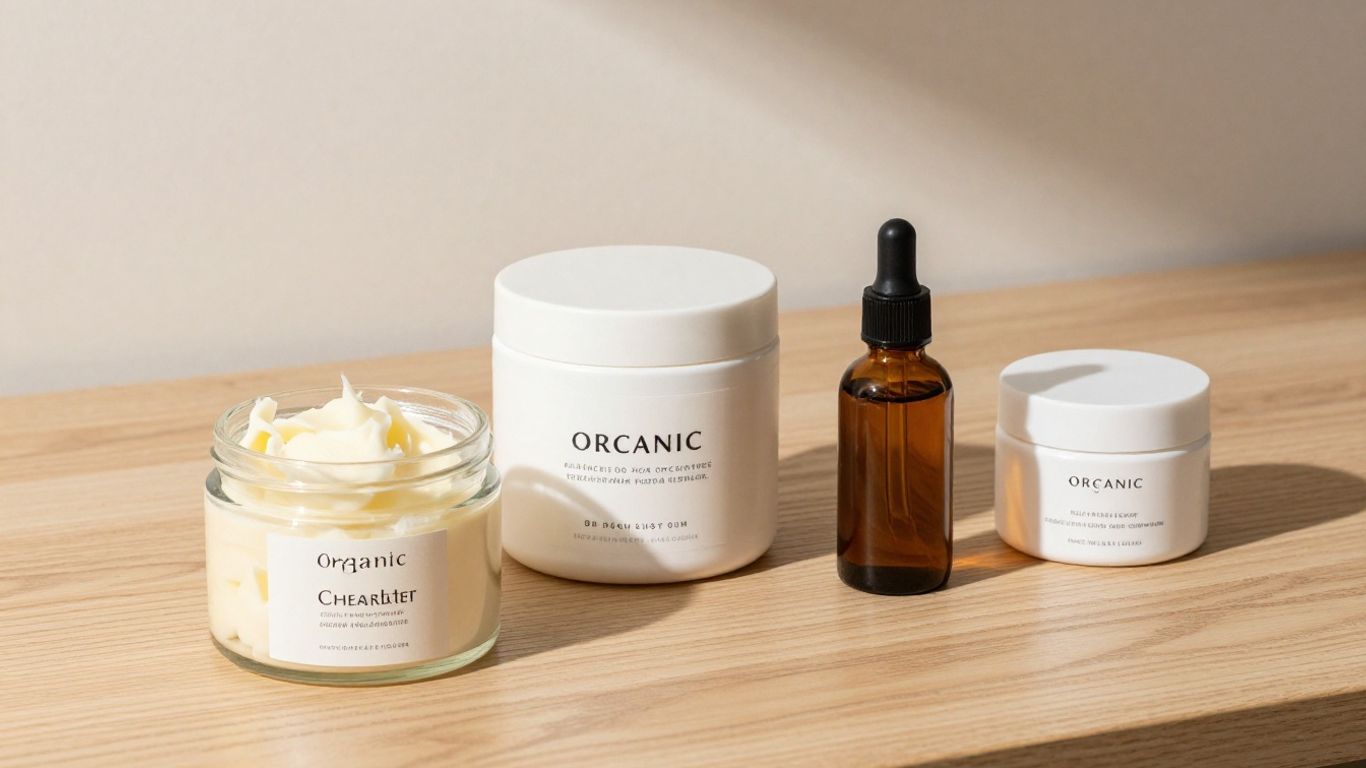
Utilizing humectants to attract moisture
Humectants are the primary workers in your hydration routine, as they reach out into the air to draw water molecules directly into your hair strands. When dealing with porous textures, pairing these with a sealant prevents that moisture from evaporating back into the atmosphere. Using products rich in ingredients like aloe vera or glycerin is a game-changer for maintaining soft, bouncy curls.
The importance of natural oils for cuticle sealing
Oils serve as the final lock on your moisture routine, flattening the raised cuticle to keep water inside where it belongs. For those seeking the best oils for low porosity hair and high-porosity counterparts, light yet effective options are essential to prevent heavy buildup while maintaining a healthy shine. These oils create a protective shield against the elements, keeping your hair resilient throughout the day.
Choosing buttery emollients for long-lasting softness
Buttery emollients are perfect for providing the weight and density that high-porosity hair craves to stay manageable. We often see that incorporating natural hair masks for shine and strength can deeply penetrate the shaft to fill gaps in the cuticle. Here are some of the most effective ingredients you should look for in your next conditioning treatment:
| Ingredient | Primary Benefit | Best For |
|---|---|---|
| Shea Butter | Deep hydration | Thick or coily textures |
| Avocado Oil | Superior penetration | Dry, brittle areas |
| Castor Oil | Natural sealing | Length retention |
Selecting rich products keeps your hair feeling soft, preventing the rough, straw-like texture that often accompanies excessive damage.
Strengthening the hair shaft with protein
Incorporating targeted protein treatments for structural integrity
Protein acts as a scaffolding system for your hair, temporarily filling in gaps in the damaged cuticle to restore strength and structure. When your hair feels mushy after getting wet, it is a clear sign that your internal bonds need support. Engaging in a routine that focuses on the protein-moisture balance ensures your hair remains both strong and elastic, preventing breakage.
Differentiating between lightweight protein sprays and deep conditioners
Not every protein product is built the same, and your hair’s needs dictate which form you should reach for. Lightweight sprays offer a quick refresh for minor maintenance, whereas deep conditioners perform the heavy lifting required for significant structural repair. Understanding the potency of your products allows you to address specific trouble spots on your head without overdoing it.
Recognizing the delicate balance to avoid protein overload
Adding too much protein can actually backfire, leading to stiff, brittle hair that snaps at the slightest touch. It is essential to monitor your hair’s response after κάθε treatment and adjust your schedule accordingly. For those wondering how to best navigate these changes, advice for mixed-race hair care can provide a foundation for building a balanced, healthy routine.
Top product categories for curl definition
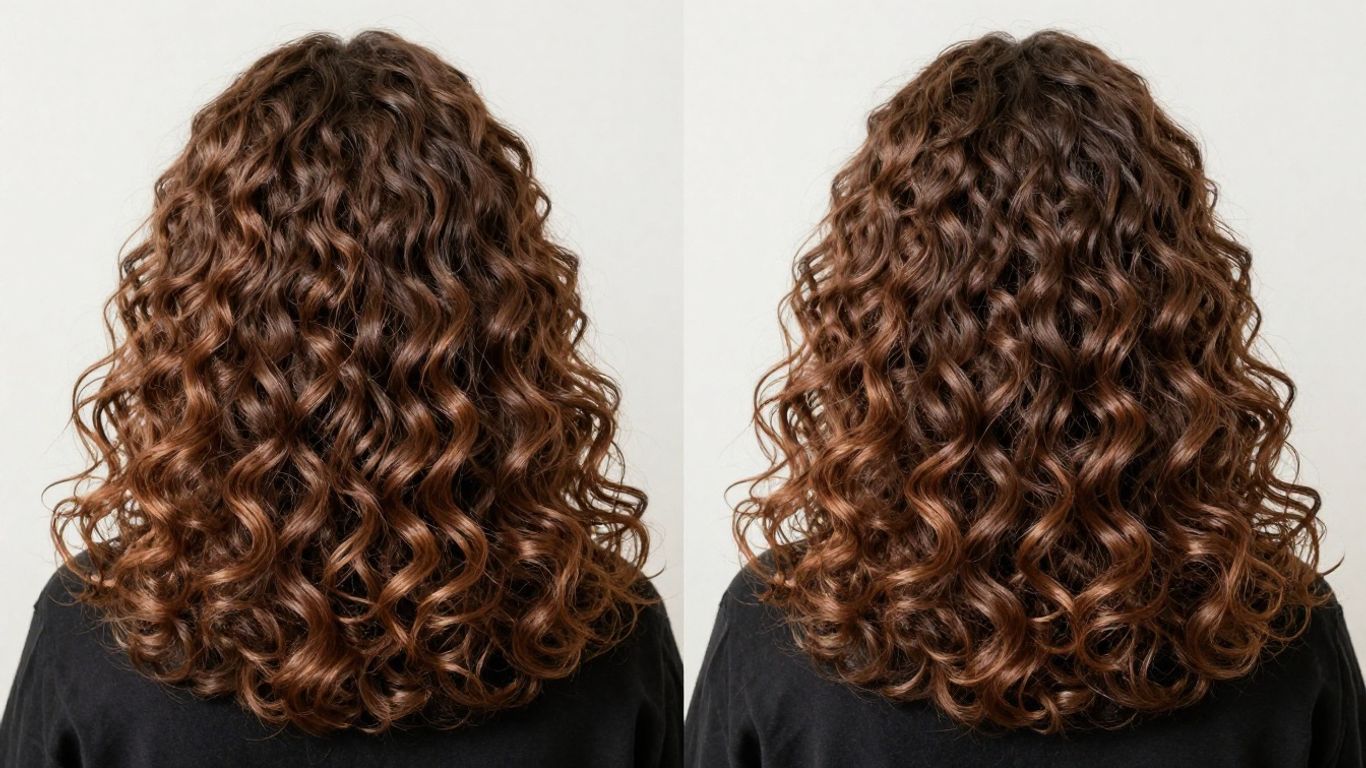
Selecting hydrating curl creams for enhanced shape
Curl creams are the foundation of any defined style, offering the moisture needed to clump curls together without causing stiffness. These formulas work to reduce frizz by smoothing the surface of each strand, allowing your natural pattern to shine through clearly. Finding the perfect balance of hold and hydration is what defines a great curl cream for mixed textures.
The benefits of water-based gels for frizz-free results
Water-based gels are excellent for locking in styles because they provide structure without the sticky residue of oil-heavy formulas. If you want consistently smooth results, incorporating the right styling gels can make a significant difference in your daily routine. Many people find success by choosing these types of products for long-lasting definition.
Application techniques that promote clumped definition
How you apply your product is just as important as the formula you choose, especially when you want to minimize frizz. We recommend working your styler in small sections while the hair is soaking wet to encourage natural clumping. You can follow these steps for the best results:
- Section your damp hair into four to six parts.
- Rake your curl cream through each section thoroughly.
- Scrunch the hair upwards to energize your natural curl pattern.
- Apply a light water-based gel to seal the clumps in place.
Employing these simple habits guarantees that your curls remain defined and hydrated as they dry throughout the day.
Layering products for maximum moisture retention
Following the LCO method for consistent hydration
The LCO method, which stands for Liquid, Cream, Oil, provides a structured architecture for layering products to maximize retention. By layering in this specific order, you ensure that moisture is introduced, softened, and then locked firmly into the strand. It is a highly effective strategy for those who find that their hair becomes dry within hours of styling.
Why the final sealant step is critical for porous hair
Without a strong final sealant, the moisture you just painstakingly applied will simply evaporate, leaving your hair feeling depleted. Whether you choose a thick oil or a butter, this final layer is the protective wall that keeps your hair hydrated until the next wash day. It essentially mimics a healthy cuticle, acting as a guard for your thirsty strands.
Adjusting product quantities for mixed hair textures
Because your hair might possess multiple textures, it is vital to adjust the amount of product you use on different sections. Dense, coily areas can hold onto more heavy cream, while finer, wavier sections might be weighed down if you use too much. Learning to listen to your hair’s satiety levels is a crucial skill for achieving even, vibrant results across all your curls.
Ingredients and habits to avoid
Identifying drying alcohols and harsh sulfates
Certain ingredients can actively sabotage your efforts to maintain moisture, particularly harsh sulfates that strip away necessary natural oils. Similarly, drying alcohols can evaporate moisture from the strand, exacerbating the issues already present in high-porosity hair. Checking your labels for these culprits is a vital step toward long-term hair health.
Preventing damage is always easier than repairing it, which is why choosing gentle, hydrating formulas is the foundation of any sustainable natural hair routine for diverse, textured hair types.
When you intentionally select products that nourish rather than strip, you protect your delicate hair fibers from unnecessary stress and breakage.
Minimizing heat styling to prevent further cuticle damage
Excessive use of flattening irons or high-heat blow-dryers is a primary cause of increased porosity due to the physical lifting of the cuticle layer. If you must use heat, always ensure you have a reliable protectant and keep the temperature at the lowest effective setting. Sometimes, the best way to regain moisture balance is to embrace air-drying as a restorative habit for a few months.
Strategies for preventing product buildup on porous hair
While your hair needs heavy products, failure to cleanse thoroughly will lead to layer upon layer of residue that blocks fresh moisture from entering. Incorporating a gentle clarifying wash is essential to keep your scalp and strands fresh without undoing all your hard work. Establishing a cleansing schedule that matches your lifestyle keeps your curls clean and ready for deep hydration.
Conclusion
Managing high-porosity mixed hair is deeply rewarding once you understand the unique requirements of your strands. By focusing on deep hydration, smart ingredient selection, and gentle handling, you can foster a healthy, vibrant curl pattern that thrives on your terms. Embracing your natural texture with a consistent, thoughtful routine is the ultimate form of self-care and ensures your unique beauty shines through.
Frequently Asked Questions
Does high porosity hair stay wet for a long time?
High-porosity hair typically dries very quickly because the open cuticles allow moisture to escape into the air just as fast as it was absorbed.
Is it normal for my hair to tangle easily if it is high porosity?
Yes, because the raised edges of the hair cuticles act like Velcro, catching on each other and leading to tangles and knots more frequently.
How often should I include protein treatments in my routine?
Most individuals with high-porosity hair benefit from a protein treatment once or twice a month, but you should monitor how your hair feels to avoid brittleness.
Can heat styling ever be safe for porous hair?
It is safest to avoid heat entirely while repairing, but if you do use it, always apply a quality heat protectant and use the lowest setting possible.
Should I choose heavy or light products for my hair?
High-porosity hair usually requires heavier products like butters and oils to simulate the missing protective layers of the cuticle and keep moisture trapped inside.
Does the float test accurately measure my hair porosity?
While popular, the float test is often unreliable because it doesn’t account for product buildup or hair density; strand texture checks and how it reacts to water are more reliable.
Can my hair’s porosity level change over time?
Yes, porosity can increase due to ongoing damage from chemical dyes, heat, or environmental exposure, but you can manage these changes with the right routine.