Key Takeaways
Achieving a radiant, dewy finish on dry skin requires a thoughtful balance between prep, product selection, and application techniques.
- Skin prep is paramount: Deep hydration through targeted serums and lightweight facial oils is the foundation of any glowing makeup look.
- Formula formulation matters: Opting for liquid and cream products over heavy powder formulas prevents makeup from clinging to dry patches.
- Application is key: Using tools like a damp beauty sponge and building layers thinly delivers a seamless, skin-like finish.
- Targeted powdering: Only apply powder toareas prone to excess shine, such as the T-zone, to preserve natural luster elsewhere.
- Routine consistency: Gentle, consistent exfoliation and thorough nightly cleansing prevent product buildup and dry patches from forming.
Preparing your skin for a dewy look
Dry skin requires a carefully constructed moisture reservoir before any cosmetics touch the face. When the skin barrier is compromised or dehydrated, makeup behaves like a sponge, pulling whatever moisture it can find directly out of your skin. This causes foundation to look cakey, uneven, and dull within hours. By establishing a plump, hydrated canvas first, you create a buffer that keeps your makeup looking fresh and luminous all day.
The importance of deep hydration before priming
To achieve a stunning look, it is vital to flood the skin with moisture before you even think about applying a cosmetic primer. Think of priming as the seal on a highly active skincare routine; it cannot do its job without a generous layer of hydration underneath. For those looking to dive deeper into digital beauty and business strategy, managing creative collaborations is highly similar to managing a brand, which you can read about in this guide on collaborating with advertising agencies to deliver cohesive results.
Selecting serums that boost surface moisture
Serums formulated with humectants are non-negotiable for dry skin. Look for lightweight, fast-absorbing options containing hyaluronic acid, glycerin, or panthenol. These ingredients draw water from the atmosphere into the epidermis, instantly plumping fine lines and softening rough texture. When your skin is effectively saturated with moisture, subsequent layers of makeup can glide across the surface instead of settling into tiny dry crevices.
Exfoliation techniques for a smooth base
Flakes are the ultimate enemy of a seamless makeup application. Incorporating a gentle chemical exfoliant, such as a mild lactic acid or mandelic acid, two to three times a week will sweep away dead skin cells without stripping the skin barrier. Avoid harsh physical scrubs, which can cause micro-tears and worsen dryness. A smooth, even surface reflects light far better, providing a natural head start for your glowing base.
Benefits of facial oils for long-lasting hydration
Applying a few drops of a nourishing facial oil is the ultimate way to lock in previous layers of hydration. Oils act as an emollient, mimicking our skin’s natural sebum to soften and protect. Pressing a lightweight squalane or jojoba oil onto the high points of the face before starting your makeup ensures a lit-from-within glow that resists fading as the day goes on.
Choosing the right products for dry skin
Selecting makeup items specifically formulated to nurture dry skin is crucial for maintaining that coveted fresh finish. The wrong ingredients can emphasize dryness, while the right ones will keep your skin looking plump and healthy.
Selecting liquid and cream-based foundations
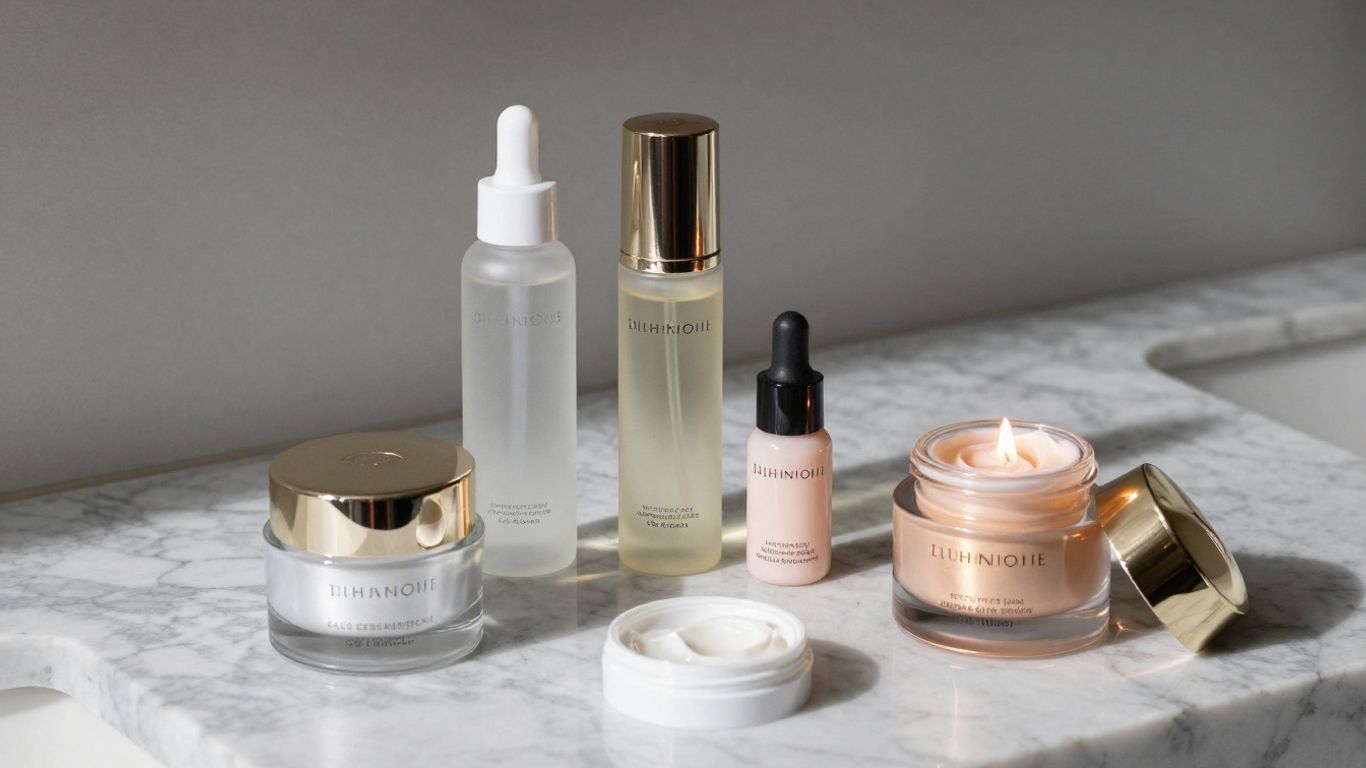
When managing dry skin, liquid and cream foundations are your best allies because they blend effortlessly into complexions without clinging to dry patches. For a reliable, drugstore-favorite option, Maybelline’s Fit Me® Dewy + Smooth Foundation offers a beautifully hydrating, medium-coverage finish that naturally smooths texture. Working with creamy consistencies allows you to maintain a supple, fresh-faced appearance that catches the light beautifully at every angle.
Identifying hydrating ingredients to look for on labels
When shopping for beauty products, always scan the ingredient lists for nourishing components. Ingredients like squalane, ceramides, hyaluronic acid, and niacinamide are excellent for repairing and supporting the skin barrier while you wear makeup. If you want to understand how deep nourishment applies to other aspects of self-care, explore our philosophy at Mixed Nature, where we emphasize the daily hydration and preservation of natural textures.
Why you should avoid powder-heavy formulas
Powder-heavy cosmetics absorb oils—which is precisely what dry skin lacks. Relying too heavily on setting powders, powder foundations, or powder blushes will quickly strip away your skin’s natural radiance, leaving a flat, aged appearance. If you must use powder, keep it extremely minimal and highly targeted.
Choosing dewy highlighters and blushes
To keep the complexion looking youthful and fresh, opt for liquid or cream blushes and highlighters. These formulas melt easily into the skin rather than sitting on top of it. Cream blushes offer a flushed, hydrated look, while liquid highlighters can be mixed directly into your foundation for an all-over luminous finish that looks entirely natural.
Expert techniques for flawless application
Even the best hydrating products can look heavy if applied incorrectly. The secret to a professional-grade finish lies in how you work the products into your skin.
Using a damp beauty sponge for seamless blending
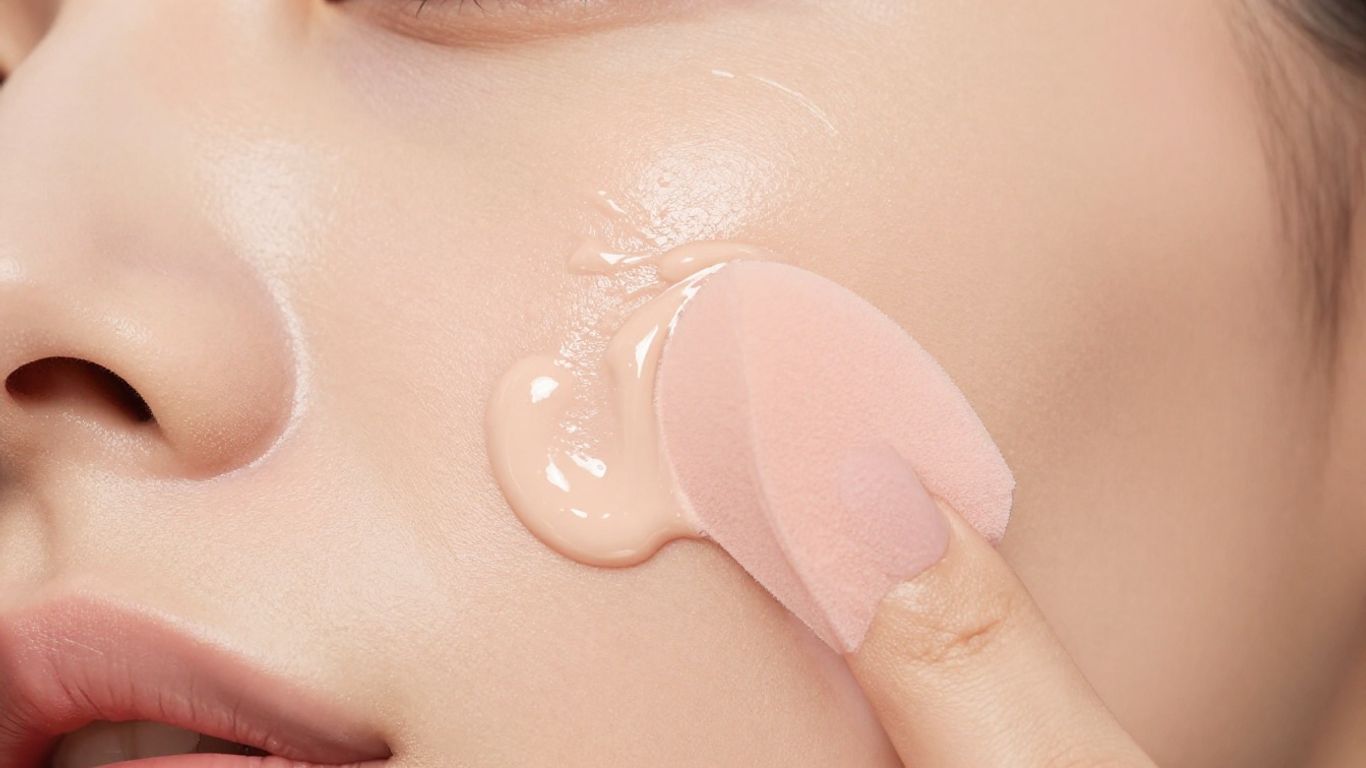
Using a damp beauty sponge is one of the most effective ways to apply dewy makeup for dry skin without disturbing any underlying dry patches. The moisture in the sponge prevents it from absorbing too much of your product while helping to press the foundation directly into the skin. This blotting motion mimics the natural texture of key skin structures, leaving a utterly seamless, airbrushed finish.
Applying product in light, buildable layers
One common error is applying a thick layer of makeup all at once. Instead, build your coverage slowly by working in very light, thin layers. This technique not only looks more natural but also ensures that the makeup adheres properly to the skin, which significantly prevents sliding or creasing throughout the day. Let’s look at how typical face coverage needs compare:
| Area of the Face | Ideal Coverage Level | Recommended Application Tool |
|---|---|---|
| T-Zone | Medium (to cover mild redness) | Damp beauty sponge |
| Cheeks | Light (allowing natural skin to show) | Warm fingertips |
| Under Eyes | Medium-High (for dark circles) | Small concealer brush |
| Jawline | Sheer (seamless blend into neck) | Sponge or buffing brush |
Taking this measured approach allows you to achieve the perfect balance of coverage and natural skin texture without looking cakey.
Warming formulas between your fingers for better absorption
Using the warmth of your hands is an incredibly underrated makeup technique. Pressing liquid foundations, cream blushes, or concealers between clean fingertips before applying them warms up the natural oils and waxes in the products. This makes the formulas highly pliable, allowing them to melt effortlessly into dry skin rather than sitting on top as a separate, noticeable layer.
Focus areas to emphasize for a natural glow
To make your skin look healthy rather than greasy, focus your highlighting efforts on specific high points of the face. These strategic zones naturally catch light first, reflecting a radiant sheen:
- The tops of the cheekbones, sweeping slightly upward toward the temples.
- The bridge and tip of the nose for a subtle, youthful lift.
- The Cupid’s bow to emphasize lip shape and add dimension.
- The brow bone to define the eye area and brighten the look.
Applying product selectively to these key areas ensures your face retains dimension while keeping the overall look sophisticated and balanced.
Setting your makeup without sacrificing the glow
There is a common misconception that dewy makeup cannot be set. However, going completely powder-free often results in makeup that transfers or fades too quickly. The trick is to set strategically.
Targeted application of powder only where necessary
Instead of dusting powder over your entire face, use a small, fluffy eye brush to apply a translucent, finely milled powder only where you absolutely need it. This typically includes the sides of the nose, the center of the forehead, and the chin. By keeping the cheeks and outer perimeter of the face powder-free, you maintain your gorgeous, luminous finish.
Using setting sprays to lock in luster
To ensure your makeup lasts without looking dry, swap heavy powder setting steps for a hydrating setting spray. A good formula will fuse the layers of skincare and makeup together, melting away any powdery residue and leaving behind a cohesive, glowing layer that helps lock everything in place for hours. If you love discovering curated lifestyle routines, check out this guide on reaching Pinterest milestones to share your favorite beauty hacks with a larger, more engaged audience.
Strategic use of illuminating setting powders
If you have areas that tend to oil up but still want to stay glowing, consider an illuminating setting powder. Unlike traditional matte or baking powders, these formulas are infused with ultra-fine, light-reflecting micro-pearls. They set your cream products in place while diffusing light, reducing the look of pores while keeping the overall finish noticeably radiant.
Refreshing your makeup throughout the day
Dry skin can drink up the moisture in your makeup as the hours pass, which leads to a slightly flat appearance by mid-afternoon. To keep your base looking fresh, carry a hydrating face mist or misting spray in your bag. A quick spritz will instantly reactivate the luminous ingredients in your makeup, bringing back that plump, just-applied look in seconds.
Common mistakes to avoid when using dewy makeup
Even with the best products and intentions, a few simple slip-ups can turn a radiant look into an uneven or short-lived application.
Over-applying foundation on textured dry patches
When we see flakiness or dry patches, our natural instinct is often to cover them with more foundation. However, layering thick product over dry skin will only accentuate the texture, making it look much more obvious. Instead, spot-treat dry patches with a tiny touch of facial oil or rich moisturizer before gently tapping a sheer concealer over the area.
Neglecting UV protection for dewy textures
Never skip sunscreen in favor of achieving a dewy base. While some hydrating sunscreens can double as luminous primers, skipping dedicated SPF altogether leaves your skin vulnerable to uv damage, which ultimately worsens chronic dryness. Always layer a broad-spectrum sunscreen under your makeup to protect your skin’s health. For absolute peace of mind during your morning beauty and wellness routine, ensure your physical environment is as fresh as your skin; local services like București office cleaning can maintain an immaculate, professional space so you can focus entirely on your self-care.
Mixing incompatible oil and water-based products
One of the most common reasons for makeup pilling or separation is mixing incompatible formulas. If you use a heavy silicone- or oil-based primer with a water-based foundation, they will naturally repel each other on your skin, causing the makeup to break apart. Always check the primary ingredients of your skincare, primers, and foundations to ensure they share a compatible base.
Skipping the cleansing step at the end of the day
No matter how hydrating your makeup products are, leaving them on overnight will severely congest your pores and dehydrate your skin in the long run. Always double cleanse at the end of the day to thoroughly dissolve makeup, sunscreen, and daily grime. Follow up immediately with your nighttime skincare routine to replenish moisture while you sleep. Taking care of your skin’s hygiene is just as satisfying as enjoying a great meal, like savoring authentic Houston Nigerian Suya after a busy week of beauty and work.
Conclusion
Achieving beautiful dewy makeup for dry skin is entirely possible with the right skin preparation, product selection, and application techniques. By prioritizing deep hydration, selecting lightweight cream or liquid formulas, and applying them in thin, buildable layers, you can enjoy a radiant, luminous finish that lasts all day without emphasizing dry patches. Treat your skin with care, avoid drying powder-heavy products, and let your natural, healthy glow shine through.
Frequently Asked Questions
What is the best way to prep dry skin before applying makeup?
The absolute best way to prep dry skin is to double up on hydration by applying a lightweight humectant serum followed by a rich, emollient moisturizer. Allowing these layers to fully absorb before applying a hydrating primer or face oil ensures your makeup glides on smoothly without clinging to dry patches.
Can I use powder if I have dry skin?
Yes, you can absolutely use powder, but it should be applied with a very light hand and targeted only to areas prone to excessive creasing or shine, like the under-eyes or the T-zone. Avoid dusting powder all over your face, as this will absorb the natural moisture and dull your dewy finish.
Why does my makeup look patchy on my dry skin after a few hours?
Makeup usually looks patchy because dry skin will naturally drink up the moisture within your foundation as the day goes on, leaving behind dry pigments. To prevent this, ensure your skin is deeply hydrated before application and mist your face periodically throughout the day to replenish surface moisture.
Is cream blush or powder blush better for dry skin?
Cream blush is much better for dry skin because it melts seamlessly into the skin and provides a fresh, natural flush that mirrors the skin’s healthy oils. Powder blushes can sit on top of the skin, emphasizing fine lines and dry texture.
How can I make my dewy makeup last all day?
You can extend the wear of your dewy base by applying thin, buildable layers of product, setting only key areas with a translucent powder, and finishing with a high-quality hydrating setting spray to lock the look in place without sacrificing shine.
What ingredients should I avoid in makeup if I have dry skin?
If you have dry skin, try to avoid products that contain high concentrations of denatured alcohol, physical powders, or heavy silicones, as these can strip moisture or sit dryly on the skin’s surface, exaggerating dry textures and flakiness.
Can I mix facial oil directly into my foundation?
Yes, mixing one or two drops of a lightweight facial oil into your liquid foundation is an excellent trick for dry skin. It sheer-out the coverage slightly, boosts the hydration levels of the formula, and delivers an incredibly luminous, dewy finish.