Key Takeaways
Protecting deep skin tones requires consistency and understanding of how different suncare ingredients behave on the surface. Here are five essential points to guide your selection:
- Melanin provides natural sun protection but does not prevent DNA damage.
- Chemical filters often integrate better than physical minerals for darker tones.
- The white cast from traditional mineral sunscreens is largely due to micronized titanium or zinc.
- Consistent reapplication is vital for maintaining the efficacy of UV protection.
- Multifunctional products containing antioxidants can help address existing environmental skin damage.
The science behind SPF and melanin
Why darker skin still burns
It is a common misunderstanding that high levels of melanin render a person immune to ultraviolet rays. While melanin does offer a degree of natural photo-protection, it is never a total shield against the sun. Ultraviolet radiation can penetrate deep into various layers of the skin, triggering structural changes that lead to long-term health concerns regardless of your complexion.
Dispelling the natural protection myth
Many people in our community grew up believing that our complexion alone was an adequate guard against the elements. This inaccurate belief ignores the reality that UV damage is cumulative and often silent until visible signs appear later in life. Relying on biological pigment instead of an external, reliable form of sunscreen for darker skin tones leaves your skin vulnerable to preventable issues.
Understanding UVA and UVB exposure risks
There are two main types of rays we must consider: UVA and UVB. UVB rays are typically responsible for immediate redness and sunburns, while UVA rays penetrate deeper, causing collagen breakdown and persistent aging. Both are equally hazardous to our skin health, meaning a broad-spectrum product is non-negotiable for anyone serious about skin care.
Common challenges for deep skin tones
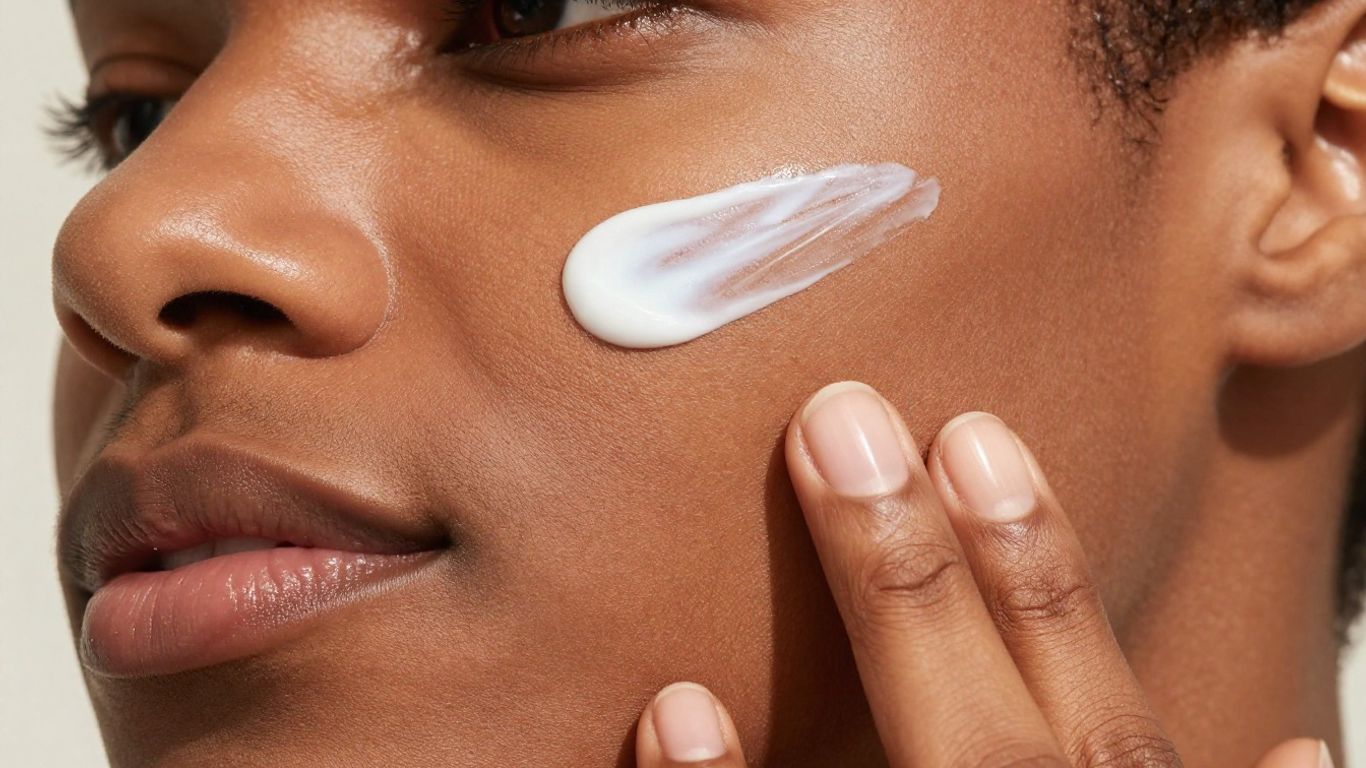
The white cast phenomenon explained
When we discuss the difficulty of finding the right SPF, the dreaded white cast remains the primary hurdle for most individuals. This residue occurs because traditional mineral ingredients, like zinc oxide, reflect light in a way that shows up prominently against darker skin. Fortunately, brands like Black Girl Sunscreen have pioneered formulas that effectively bypass this common cosmetic frustration altogether.
Addressing texture and residue concerns
Beyond aesthetics, many users feel frustrated by products that leave a sticky or greasy film. Our skin needs breathable, lightweight options that don’t compromise the barrier or clog our pores during hot days. Achieving a finish that feels natural, like a high-end moisturizer, is the goal for anyone looking to make protection a daily habit.
Managing hyperpigmentation and photoaging
One of the most effective ways to manage dark spots is by preventing them from darkening in the first place through proper shielding. When sun damage occurs, it often manifests as uneven tone, making the use of sun protection a vital part of your skin health. Below is a summary of how specific ingredients interact with hyperpigmentation concerns:
| Ingredient Category | Impact on Dark Spots | Suitability for Deep Skin |
|---|---|---|
| Chemical Filters | High protection, low cast | Excellent |
| Tinted Minerals | Excellent coverage | High |
| Niacinamide | Aids brightening | High |
Chemical vs. mineral sunscreens for melanated skin
Pros and cons of chemical filters
Chemical filters work by converting UV radiation into heat, which is then dissipated away from the skin. Because these ingredients are soluble, they rarely create the white barrier associated with traditional minerals, making them a preferred choice for many. However, some users have expressed sensitivity to specific chemical agents, necessitating careful label reading.
Micronized mineral options for deeper tones
If you prefer the mineral route, modern chemistry has given us micronized zinc and titanium that significantly reduce the visibility of white particles. These finer powders allow for a more sheer application that performs much better on deeper tones than older, bulkier versions. Looking for best mineral sunscreens specifically tested on diverse skin ensures you avoid the ashy look.
Identifying ingredients for an invisible finish
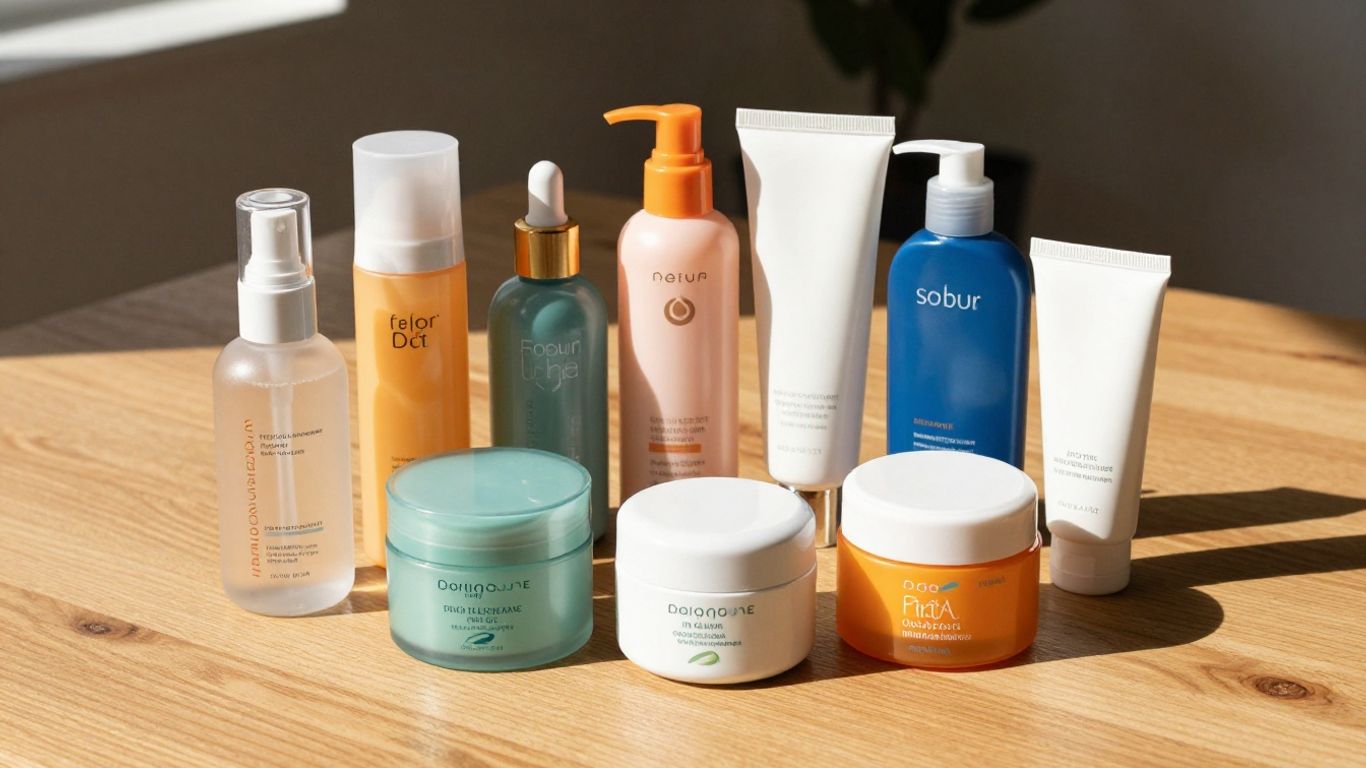
Selecting a product that includes additional moisture-retaining ingredients helps the SPF sit better on the skin surface. Ingredients like synthetic waxes or specialized oils help keep the formula smooth, ensuring that you remain fully protected all day long without looking like you have applied a heavy layer of paint.
How to identify non-whitening formulations
Reading the active ingredient label
Before you purchase, check the ingredient list for key chemical absorbers like avobenzone or octisalate. These are typically the ones used when creators highlight the ease of transition to clean sunscreens for Black people. Staying aware of these items allows you to predict how a formula will feel before you even open the package.
Seeking specific melanin-friendly certifications
While industry certifications are still evolving, look for products that specifically mention they are designed for melanin, as these are formulated with the nuances of our skin tones in mind. Independent user tests and video reviews often provide a more honest assessment than a label alone, providing proof that the product will indeed blend into deeper skin.
Effective testing techniques for color match
Always perform a patch test on your cheek or jawline, as the skin here can be different from the back of your hand. Observe the shade in natural light after the product has had ten minutes to set. If you see a gray or blueish tint, the formula is likely incompatible for your look.
Incorporating sunscreen into a daily skin routine
Pairing SPF with skincare actives
Layering SPF over your favorite serums, such as vitamin C or niacinamide, is an excellent way to maintain a routine. These actives work in tandem with your sun protection to defend against environmental pollutants while actively brightening uneven spots. Ensure that each layer dries fully before applying the next to prevent pilling or displacement of your shield.
Application techniques for full coverage
Many of us under-apply our protection, which significantly diminishes the labeled SPF on the bottle. Use the two-finger rule, measuring out a generous amount to cover the face and neck. If your sunscreen is particularly lightweight, consider applying it in two distinct layers to ensure you reach every corner of your hairline and under the chin.
Reapplication methods over makeup
Reapplying SPF doesn’t have to mean washing your face entirely. Use a setting spray that contains SPF or a lightly tinted powder specifically designed for refreshing your barrier mid-day. Keeping this simple is key to maintaining a routine you will actually follow consistently.
Conclusion
Finding the right sun protection for your unique needs involves a bit of trial and error, but the health benefits far outweigh the initial search process. As you continue to prioritize skin health, you will find that a consistent routine becomes a natural and rewarding part of your day, ensuring your skin remains vibrant, protected, and healthy as you navigate the world.
Frequently Asked Questions
Can I skip sunscreen if it is cloudy or I am indoors?
UV rays are persistent and can penetrate windows and cloud cover with surprising efficiency. Even if you aren’t spending the day at the beach, incidental sun exposure adds up throughout your life, making daily application just as important as on a bright summer afternoon.
What is the difference between physical and chemical SPF?
Physical sunscreens act like a shield sitting on top of your skin, while chemical sunscreens absorb into the top layer to dissipate rays through heat. Each type has specific formulation benefits, with chemical options often being more elegant and less likely to leave a visible residue on deeper skin.
How much sunscreen should I apply to my face?
For a truly effective barrier, experts suggest using about a nickel-sized amount for your face and neck. If you are using a lighter or tinted formula, be careful not to spread it too thin, as this significantly reduces the overall protection value of the product.
Why does some sunscreen feel oily and others dry?
The finish of a sunscreen is determined by the vehicle — the mix of oils, alcohols, and humectants — used to deliver the active ingredients. Formulas designed for different skin types will prioritize either a matte finish for oily skin or a hydrating finish for dry skin.
Does SPF 50 provide double the protection of SPF 25?
Not exactly, as the numbers do not operate on a simple linear scale. SPF 30 blocks about 97% of UVB rays, while SPF 50 blocks about 98%, meaning the incremental gain is small, yet every percentage point of protection matters for your long-term skin health.
How do I know if my sunscreen has expired?
Most sunscreen packaging will include an expiration date, which represents the point at which the product is no longer guaranteed to remain stable or effective. If you notice the texture, color, or scent of your product has changed significantly, it is time to discard it and replace it with a fresh bottle.
Should I worry about vitamin D synthesis if I wear daily SPF?
While sunscreen does reduce the skin’s ability to synthesize vitamin D from UV rays, most people reach adequate levels through diet or fortified foods. Prioritizing skin health and cancer prevention is widely recognized by dermatological organizations as more important than any slight reduction in vitamin D synthesis from sun exposure.