Here are the most important things to remember when dealing with heat damage on your mixed hair. Keep these points in mind as you work towards healthier strands.
Key Takeaways
- Heat damage happens when hot tools break down the hair’s protective outer layer, leading to dryness, breakage, and loss of curl pattern.
- Stop using hot tools immediately and pause chemical treatments to give your hair a break.
- Focus on deep moisturizing and protein treatments to rebuild strength and elasticity in damaged hair.
- Handle your hair gently during washing, drying, and styling, and get regular trims to remove split ends.
- Prevent future damage by always using heat protectant, choosing lower temperatures, and alternating styling methods.
Identifying Heat Damage on Mixed Hair Textures
Okay, so you’ve been loving your hot tools, but lately, your hair just isn’t looking or feeling right. It happens to the best of us. Figuring out if heat is the culprit is the first step to getting your hair back on track. Mixed hair textures can show heat damage a bit differently across different sections, so it’s good to know what to look for.
Recognizing the Signs of Heat Damage
Sometimes the signs are pretty obvious, other times they’re more subtle. The most common indicator is a change in your hair’s natural texture and appearance.
Here’s a checklist of what to watch out for:
- Dryness and Brittleness: Your hair feels rough, like straw, and snaps easily when you try to bend it.
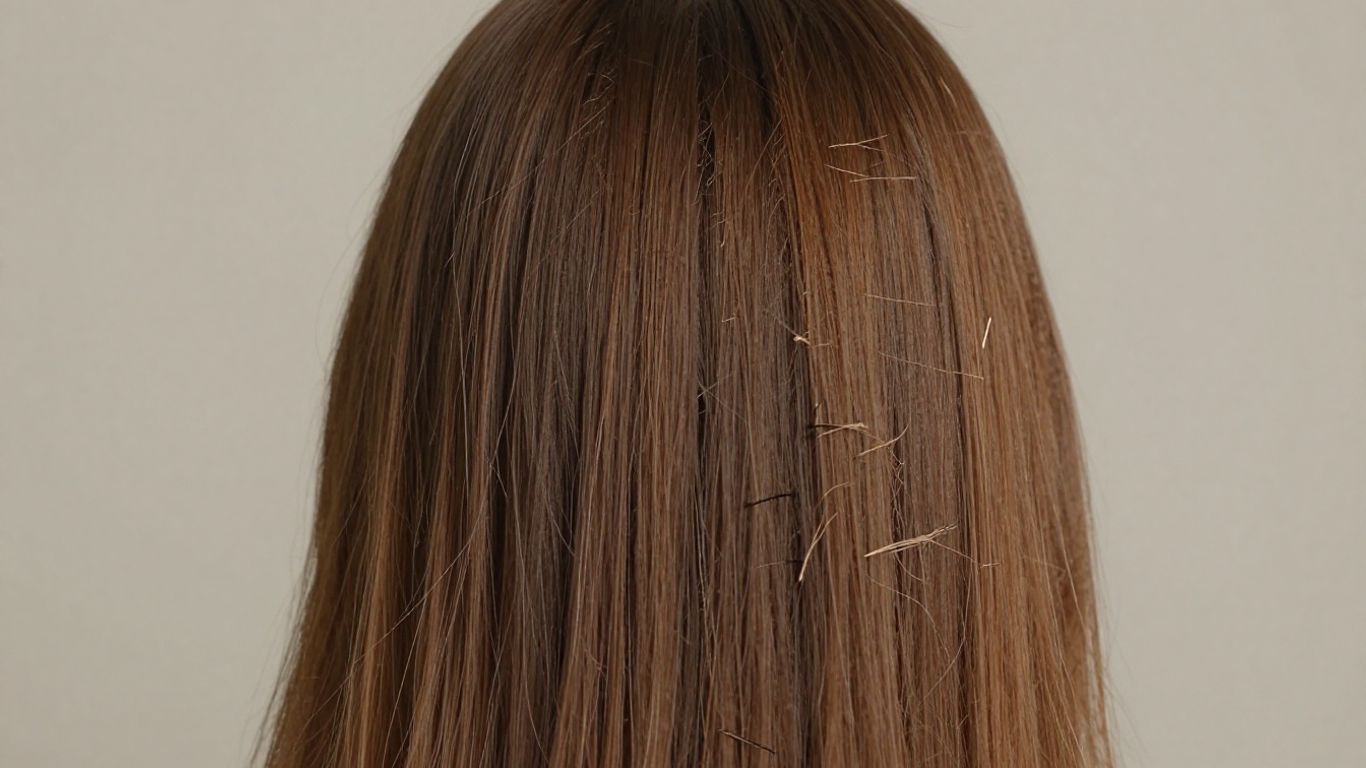
- Frizz and Flyaways: Even after styling, your hair seems to have a mind of its own, with lots of little hairs sticking up.
- Dullness: Your hair has lost its natural shine and looks lifeless.
- Split Ends: You’re seeing more split ends than usual, and they might be creeping up the hair shaft.
- Knots and Tangles: Your hair tangles much more easily, even when it’s conditioned.
- Color Fading: If you color your hair, you might notice the color fading faster than it used to.
Understanding How Heat Affects Hair Cuticles
Think of your hair’s cuticle like tiny, overlapping shingles on a roof. When your hair is healthy, these shingles lie flat, keeping moisture in and protecting the inner part of your hair, called the cortex. Heat, especially high heat, can cause these shingles to lift, crack, or even break off completely. When the cuticle is damaged, the hair loses its ability to hold onto moisture, making it dry and weak. This is why excessive heat can cause significant damage to your hair structure.
The Impact on Curl Pattern and Elasticity
For those with mixed textures, this is where things can get tricky. Heat damage can mess with your natural curl pattern, making some sections looser or straighter than others, even if they were once the same. This is because the heat has altered the protein bonds that give your hair its shape. Elasticity, which is your hair’s ability to stretch and bounce back, also takes a hit. Damaged hair loses its spring; it might stretch but then break instead of returning to its original form. This loss of elasticity makes your hair much more prone to breakage during styling or even just everyday handling.
It’s important to remember that mixed hair textures can be more sensitive. Different curl patterns within the same head might react differently to heat, so you might see damage in one area before another. Paying close attention to all your textures is key.
If you’re noticing these changes, it might be time to reassess your styling habits and consider alternatives to heat styling. Taking a break from hot tools is often the most effective first step in recovery.
Immediate Steps for Repairing Heat Damage
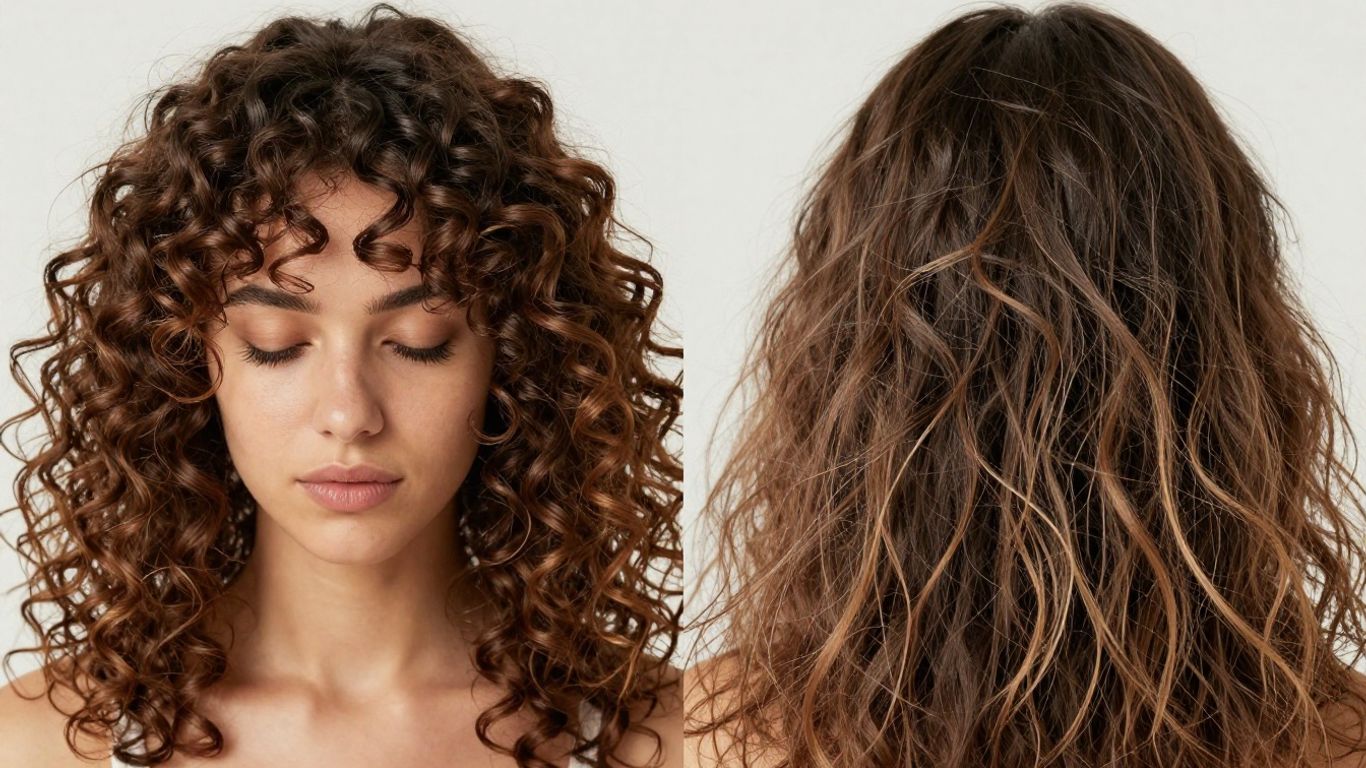
Okay, so you’ve noticed your hair isn’t quite bouncing back like it used to. Maybe it feels rougher, looks dull, or your curls aren’t as defined. That’s often a sign that heat styling has taken a toll. The good news? You can start fixing it right now. The very first thing you need to do is give your hair a break from the heat.
The Importance of Stashing Hot Tools
Seriously, put them away. Flat irons, curling wands, even high-heat blow dryers – they all need to be retired for a while. Think of it like letting a sprained ankle heal; you wouldn’t keep running on it, right? Your hair needs that same kind of rest to start recovering. This doesn’t mean you can never use them again, but for now, they’re off-limits. It’s time to embrace your natural texture and let your strands breathe. You might be surprised at how much better your hair feels once it’s not constantly being blasted with high temperatures. For now, focus on letting your hair recover its natural state.
Pausing Chemical Treatments
If you’re also coloring your hair, getting relaxers, or using other chemical treatments, it’s time to hit pause on those too. Chemicals are already tough on hair, and when your hair is already weakened by heat, adding more stress can lead to serious breakage. Let your hair recover from the heat damage first before considering any more chemical services. This break allows your hair to rebuild its strength and resilience without additional strain. It’s all about giving your hair the best chance to heal.
Implementing a Damage-Repairing Wash Routine
Your shower routine needs a little upgrade. Swap out your regular shampoo and conditioner for formulas specifically designed to help repair damage and boost moisture. Look for ingredients that strengthen and nourish. A good deep-conditioning mask is also a must-have. You want products that are going to help rebuild the protein in your hair and bring back that lost hydration. Think of it as a spa day for your hair, every time you wash.
Here’s a simple routine to get you started:
- Gentle Cleansing: Use a sulfate-free shampoo that won’t strip your hair of its natural oils.
- Deep Conditioning: Apply a rich, reparative conditioner or mask. Let it sit for at least 5-10 minutes (or longer if you have the time) to really let the ingredients work their magic.
- Rinse with Cool Water: This helps to seal the hair cuticle, locking in moisture and adding shine.
This initial phase is all about stopping further damage and starting the healing process. Be patient with yourself and your hair; recovery takes time, but these steps are the foundation for getting your strands back to their healthy best.
Restoring Moisture and Strength
Okay, so your hair’s seen better days. It’s lost that bounce, feels rough, and maybe even looks a bit sad. Don’t panic, though. We can totally bring it back to life. This part is all about giving your hair the good stuff it needs to get strong and soft again.
Generous Moisturizing Techniques
Forget those super thick conditioners that just sit on top of your hair. Damaged hair needs moisture that actually sinks in. Think about ingredients that pull water into your hair without leaving a greasy film. This is where humectants shine – they’re like tiny sponges for your strands. When you’re applying conditioner, try a different approach. Instead of slathering it on soaking wet hair, squeeze out most of the water first, aiming for about 80% dry. Then, work a good amount of conditioner through your hair, section by section. Really get in there with your fingers, making sure every strand is coated. After that, scrunch your hair upwards towards your scalp. This helps encourage those curls to remember their shape. Leave it on for about 5 to 10 minutes, maybe pop on a shower cap, and let the gentle heat from your scalp help everything soak in. Rinse with cool water – not freezing, but definitely cooler than your shower temp. This helps seal everything up.
The Role of Deep Conditioning Treatments
Deep conditioning is like a spa day for your hair, but way more effective. It’s not just about slapping on a mask; it’s about giving your hair a concentrated dose of goodness. For damaged hair, you want treatments that focus on rebuilding. Look for ingredients like rice protein, which can actually penetrate the hair shaft and help fill in those gaps caused by heat. Using a deep conditioner regularly, maybe once a week, can make a huge difference over time. It’s not a quick fix, but consistent effort really pays off. You’ll start to notice your hair feeling softer, looking shinier, and having more elasticity. It’s about getting that structural integrity back.
Incorporating Protein Treatments for Hair Health
Protein is basically the building block of your hair, so when it’s damaged, it’s lost a lot of its protein. That’s why protein treatments are so important. They help to rebuild the hair from the inside out. You don’t want to go overboard, though. Too much protein can make hair stiff and brittle, which is the opposite of what we want. It’s all about finding that sweet spot. Alternating between moisturizing treatments and protein treatments can be helpful, but sometimes, especially with more damage, you might need to focus on both simultaneously. Think of it like this: moisture keeps the hair flexible, and protein gives it strength. You need both to recover properly. If your scalp is also feeling a bit rough, using products that help balance its pH can also support healthier new growth, which is key for long-term recovery.
Your scalp health is directly linked to how well your hair can recover from damage. A happy scalp means healthier hair growing in, which is super important for rebuilding your overall hair health.
Here’s a quick rundown of what to aim for:
- Moisture: Keeps hair flexible and prevents breakage.
- Protein: Rebuilds the hair shaft and adds strength.
- Gentle Cleansing: Avoids stripping away natural oils that protect your hair.
- Scalp Care: Supports healthy new growth and reduces inflammation.
Gentle Styling and Maintenance Practices
Okay, so your hair has been through it. Now what? It’s all about being super gentle and rethinking how you handle your strands day-to-day. This isn’t the time for roughhousing your hair; it needs a soft touch and a bit of patience. The goal is to minimize stress on already fragile hair and encourage healthy new growth.
Mastering the Art of Air Drying
Seriously, ditch the blow dryer for a while. Air drying is your best friend right now. It completely removes the risk of heat damage and lets your hair relax. If you’re worried about frizz or just want a bit of shape, try these methods:
- Plopping: After washing, gently squeeze out excess water with a microfiber towel or an old cotton t-shirt. Then, lay your hair onto the t-shirt, wrap it up, and let it dry. This helps define curls without heat.
- Braids and Twists: For a wavy look, loosely braid or twist damp hair. Once it’s dry, gently unravel for soft waves. This is a great way to style your hair without any heat tools at all.
- Curlformers or Flexi-rods: These are fantastic for creating defined curls or waves without heat. Just apply them to damp hair and let it air dry completely.
Handling Hair with Care
Every single touch matters when your hair is recovering. Think of your hair like delicate fabric – you wouldn’t scrub it aggressively, right? The same applies here.
- Detangling: Always use a wide-tooth comb or your fingers to detangle. Start from the ends and work your way up to the roots. Never yank or pull, especially when your hair is wet, as it’s most vulnerable then.
- Drying: Pat or gently squeeze your hair dry with a microfiber towel or a soft cotton t-shirt. Avoid rubbing vigorously with a regular bath towel, as this can cause frizz and breakage.
- Nighttime Protection: Friction from your pillowcase can cause tangles and breakage while you sleep. Invest in a silk or satin bonnet or pillowcase. You can also loosely braid or twist your hair before bed to keep it protected.
Protecting your hair at night is surprisingly important. That constant rubbing against cotton can really wear down fragile strands over time, leading to more frizz and breakage. A simple silk scarf or pillowcase makes a huge difference in reducing that friction and keeping your hair smoother and healthier.
The Benefits of Regular Trims
I know, I know, nobody wants to cut their hair, especially when they’re trying to grow it out. But hear me out. Those split ends? They’re like little troublemakers. They travel up the hair shaft, causing more damage and making your hair look less healthy overall. Regular trims, even just a little bit off the ends, get rid of the damaged parts so your healthy hair can thrive. Think of it as pruning a plant so it can grow stronger. Aim for a trim every four to six weeks to keep those split ends in check and maintain the health of your new growth.
This approach helps prevent further damage and sets the stage for your hair to regain its natural strength and beauty. Remember, consistency is key, and being gentle with your hair will pay off in the long run. For added protection during styling, consider using a leave-in product like ULTIMATE REPAIR Protective Leave-In to shield your strands.
Preventing Future Heat Damage
Okay, so we’ve talked about fixing things, but let’s be real, it’s way easier to stop the damage from happening in the first place. Once your hair is feeling better, you’ll want to keep it that way. It’s all about being smart with your styling choices and giving your hair a break when it needs it.
Always Use a Heat Protectant
This is non-negotiable, folks. Seriously, never skip this step. Think of a heat protectant as a shield for your hair. It creates a barrier between your hair strands and the hot tools, reducing the direct impact of the heat. There are tons of options out there, from sprays to serums, so find one that works well with your hair type. It doesn’t have to be fancy or expensive, just effective.
Choosing the Lowest Effective Temperature
We all want that super sleek look, but do you really need your flat iron on the highest setting? Probably not. Start with the lowest temperature that still gets the job done for your hair. You might be surprised at how well your hair styles with less heat. This simple change can make a big difference in preventing future damage. It’s about working smarter, not hotter.
Alternating Styling Methods
Even with all the precautions, applying heat every single day is a lot for your hair to handle. It’s a good idea to mix things up. Rotate between using heat tools, letting your hair air dry, and rocking protective styles. Giving your hair regular breaks from heat is key. There are even some cool techniques now for achieving certain looks without any heat at all, which is pretty neat if you ask me. For those in the middle of a transition, adapting your routine to the specific needs of each texture is important, especially for healthy new growth [e854].
It’s much easier to prevent hair damage than to fix it after it’s happened. Once your hair’s in better shape again, keep it that way by always using a heat protectant when using hot tools, being gentle when you brush, and opting for damage-repairing products.
Here’s a quick rundown of what to keep in mind:
- Heat Protectant: Always, always, always.
- Temperature: Start low and go slow.
- Frequency: Give your hair days off from heat.
- Variety: Mix up your styling routine.
Remember, consistency is key. By incorporating these habits, you’re setting yourself up for healthier, happier hair in the long run. If you’re curious about different ways to style your hair during a transition period, there are some great options out there [8dcb].
Addressing Severe Heat Damage
Okay, so you’ve gone a bit overboard with the hot tools, and now your hair is looking… well, less than its best. It happens to the best of us, honestly. When the damage is pretty significant, it might feel like you’re in a bit of a hair crisis. But don’t panic just yet. There are definitely steps you can take to help your hair recover, even when it feels like a lost cause.
When to Consider a Haircut
Let’s be real: sometimes, the quickest and most effective way to deal with severe heat damage is to cut it off. I know, I know, the thought of a big chop can be scary, especially if you’ve been growing your hair out. But those really damaged ends? They’re not going to magically get better. They can actually split further up the hair shaft, causing more problems. If your hair is breaking off a lot, feels super dry and brittle, or the curl pattern is completely gone in sections, it might be time to talk to a stylist about a significant trim or even a shorter style. Think of it as a fresh start for healthier hair to grow in. It’s about getting rid of the parts that are beyond repair so the healthy parts can thrive. You can find some great advice on choosing a new hairstyle if you’re considering a big change.
Focusing on pH Management and Cuticle Repair
When your hair is severely damaged, the cuticle layer, which is supposed to lie flat and protect the inner part of your hair, gets roughed up and lifted. This makes your hair look frizzy and feel rough. To help smooth things down, you’ll want to focus on products that help bring your hair’s pH level back to normal. Healthy hair usually sits around a pH of 4.5-5.5. When hair is damaged, the pH can go up, making the cuticle open. Using products with a slightly acidic pH can help close that cuticle. Look for ingredients like citric acid or vinegar rinses (used sparingly, of course). This helps to seal the cuticle, making hair smoother and less prone to further damage. It’s like giving your hair a protective shield.
Understanding the Curl’s Natural Weaknesses
Different curl types have different strengths and weaknesses, and heat damage can exploit these. For instance, tighter curl patterns, like coils, can sometimes be more prone to dryness because the natural oils from your scalp have a harder time traveling down the hair shaft. When heat damage occurs on top of this, it can make them even more brittle and susceptible to breakage. Looser waves or curls might lose their pattern more noticeably and appear limp or stringy. Understanding your specific curl type and how heat has affected its natural structure is key. This knowledge helps you choose the right repair strategies. For example, if your coils are extra dry, you’ll want to focus heavily on moisture, while if your waves have lost their bounce, you might need to incorporate more protein to rebuild strength. It’s all about tailoring the repair process to what your hair actually needs.
- Moisture is King: Even if you think you’re moisturizing enough, with severe damage, you likely need more. Think leave-in conditioners, hair oils, and regular deep conditioning treatments. Don’t be afraid to layer products.
- Protein Power: While too much protein can make hair stiff, severely damaged hair often needs it to rebuild its structure. Alternate protein treatments with moisturizing ones to find the right balance.
- Gentle Handling: Every touch matters. Use wide-tooth combs, detangle from the ends up, and avoid tight hairstyles that pull on fragile strands. Sleeping on a satin pillowcase can also make a big difference.
Dealing with severe heat damage is a marathon, not a sprint. It requires patience and a consistent, gentle approach. Focus on what you can control: your product choices and how you handle your hair daily. New, healthy hair will eventually grow in, and with the right care, it will be stronger and more resilient.
Conclusion
Dealing with heat damage on mixed hair textures can feel like a journey, but it’s definitely one you can win. By understanding what’s happening to your hair and taking consistent steps to repair and protect it, you’ll see a big difference. Remember to be patient with yourself and your hair; healthy hair takes time. With the right care, your curls will bounce back, looking and feeling their best. So, ditch the heat, embrace gentle styling, and give your hair the love it deserves!
Frequently Asked Questions
What does heat damage actually look like on mixed hair?
Heat damage can make your hair feel dry, look dull, and get frizzy. You might also notice more split ends, breakage, and your curls might not spring back like they used to. Sometimes, the color can even fade faster.
How quickly can I fix heat damage?
Fixing heat damage takes time. It’s not an overnight fix. You need to be patient and consistent with your hair care routine. New, healthy hair will grow in, and with good care, the older parts can recover some health too.
Is it really necessary to stop using hot tools?
Yes, for a while. If your hair is heat-damaged, using hot tools like flat irons or curling wands will only make things worse. You need to give your hair a break so it can start to heal. You can go back to them later, but carefully.
What’s the deal with protein treatments?
Hair is made of protein, so when heat damages it, protein gets lost. Protein treatments help put that protein back, making your hair stronger and less likely to break. Just don’t use too much, or your hair can get stiff.
Can I still color my hair if it’s heat-damaged?
It’s best to hold off on coloring, especially bleaching, if your hair is already damaged. Chemicals in hair dye can cause even more stress. Once your hair is healthier, you might be able to do less harsh coloring, like balayage.
What’s the best way to dry my hair without heat?
Air drying is your friend! After washing, gently squeeze out excess water with a soft towel or t-shirt. You can then apply a leave-in conditioner or styling product made for your hair type and let it dry naturally. It might take some practice to get the hang of it, but it’s much better for your hair.