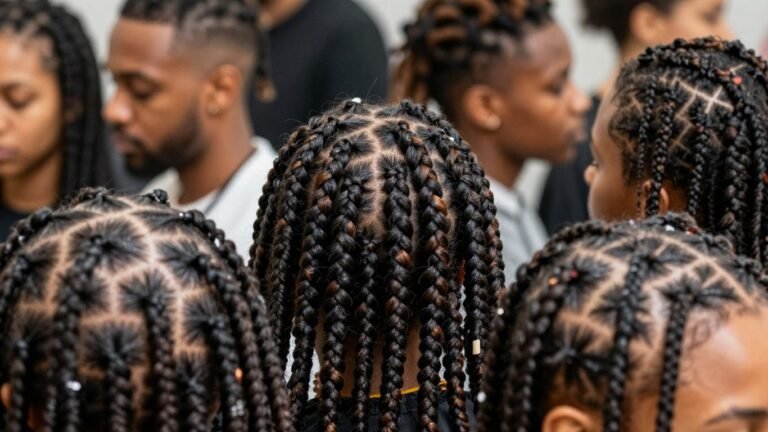
Having biracial curly hair can feel like a puzzle sometimes, right? It’s like, one day it’s cooperating, and the next it’s doing its own thing. Figuring out the best way to care for it, especially when you’re trying to keep it healthy and looking good, can be a whole journey. This guide is all about making that journey a bit easier, focusing on a solid biracial curly hair routine that works for you.
Key Takeaways
- Biracial curly hair has a unique texture that needs specific care, often combining traits from different hair types.
- A good biracial curly hair routine focuses on moisture, gentle handling, and products suited to its needs.
- Understanding your hair’s specific needs, like porosity and curl pattern, is key to choosing the right products and techniques.
- Consistency in your washing, conditioning, and styling steps will lead to healthier, more manageable curls.
- Listen to your hair; it will tell you when it needs a change in products or routine, especially with seasonal shifts.
Understanding Your Biracial Curly Hair
The Unique Texture of Biracial Curls
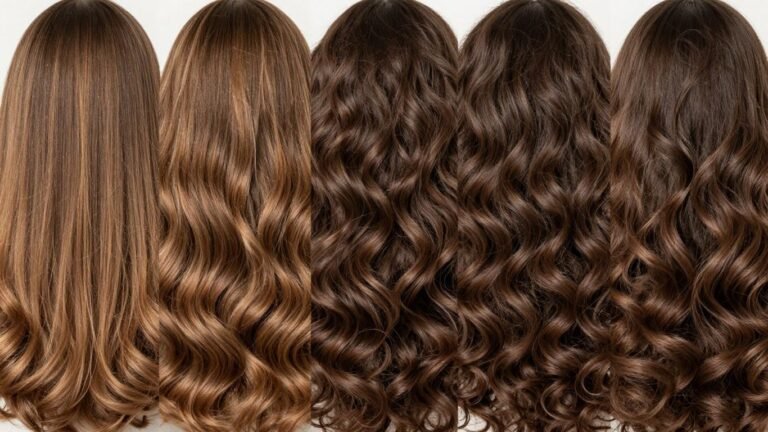
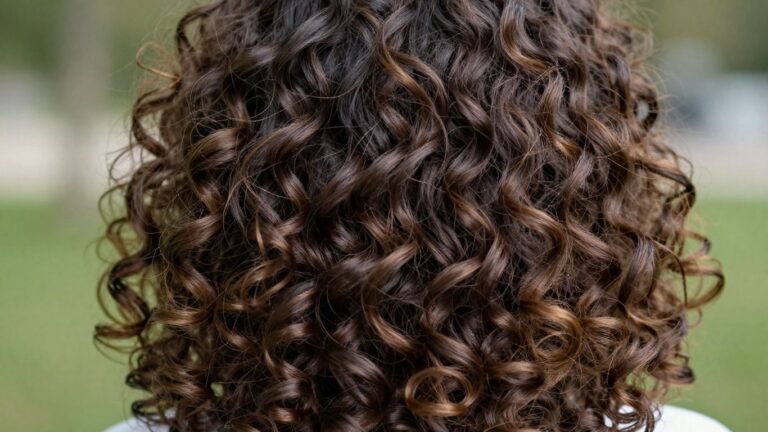
Biracial curly hair is a fascinating blend, often showcasing a spectrum of textures within a single head. You might have waves in one section, tighter coils in another, and maybe even some straighter pieces thrown in. This variety comes from the mix of genetic influences, leading to hair that can be both beautiful and a bit unpredictable. It’s not just one type of curl; it’s a whole family of them. Understanding this diversity is the first step to really mastering your routine. Instead of trying to force all your hair into one uniform style, embrace the different curl patterns. This means your hair might need different types of care in different areas. For instance, the coils around your hairline might need more moisture than the looser waves at the crown. It’s all about observing and responding to what each part of your hair is telling you.
Common Challenges and How to Address Them
Dealing with biracial curly hair can come with its own set of hurdles. One of the most common is dryness. Because of the way curly hair grows, the natural oils from your scalp have a harder time traveling down the hair shaft, leaving strands thirsty. Another challenge is frizz, which can pop up when hair isn’t properly moisturized or is exposed to humidity. Breakage is also a concern, especially when detangling or styling aggressively. To combat dryness, focus on moisture-rich products and techniques like deep conditioning. For frizz, sealing in moisture with oils or creams after applying water-based products can help. Gentle detangling, using a wide-tooth comb or your fingers, and always starting from the ends, can significantly reduce breakage. It’s a learning process, and sometimes you just have to experiment to see what works best for your specific hair.
Embracing Your Natural Texture
For so long, many of us with biracial curly hair felt pressured to conform to straighter beauty standards. But the tide is turning, and natural texture is celebrated! The key is to shift your mindset from fighting your hair to working with it. This means accepting that your hair might not look exactly like someone else’s, and that’s perfectly okay. It’s about finding styles and products that make your natural curls shine. Think about what makes your hair feel good and look its best, rather than trying to achieve an unrealistic ideal.
Learning to love and care for your unique hair texture is a journey. It involves patience, experimentation, and a willingness to let go of old ideas about how hair ‘should’ look. When you start to embrace your natural curls, you’ll find a new level of confidence and a much simpler hair care routine.
Here’s a quick look at common curl types you might find in biracial hair:
- Wavy (Type 2): Hair has an ‘S’ shape, ranging from loose waves to more defined ones. It can be prone to frizz.
- Curly (Type 3): Hair forms loops and spirals. This type can range from loose ringlets to tighter corkscrews and often needs good moisture.
- Coily (Type 4): Hair has a zig-zag pattern or is very tightly coiled. It tends to be drier and more fragile, requiring extra care and moisture.
Remember, you can have multiple types on your head! Understanding these general categories can help you choose products for mixed textures that cater to your specific needs.
Essential Products for Your Biracial Curly Hair Routine
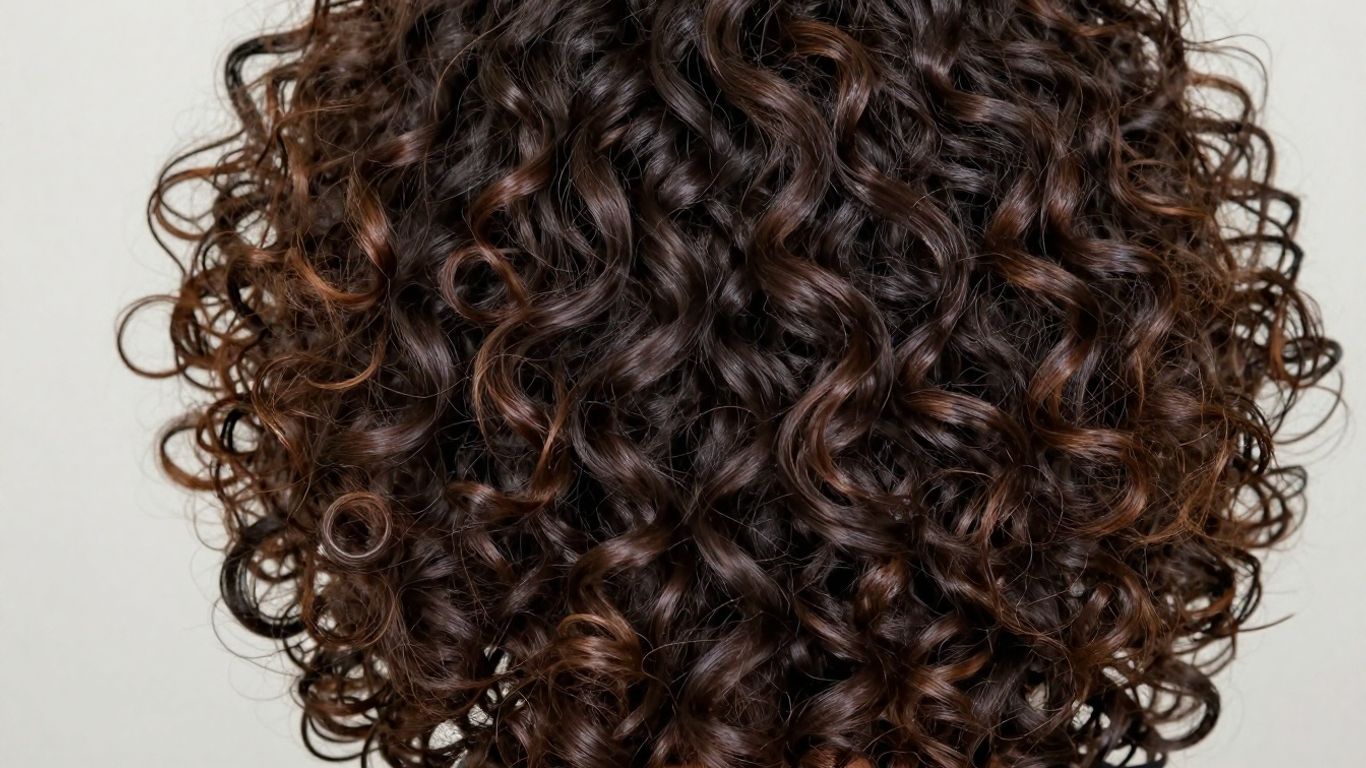
Alright, let’s talk about stocking your bathroom cabinet with the right stuff for your amazing biracial curls. It’s not about having a million products, but about having the right ones that actually do what they say they’ll do. Think of it as building a toolkit for happy, healthy hair.
Moisturizing Shampoos and Conditioners
First things first, you need a solid foundation, and that starts with your wash day. For biracial curly hair, which can often be a mix of different textures and porosities, moisture is king. You want to avoid anything too stripping. Sulfates are usually the main culprits here, so look for shampoos labeled as sulfate-free. They cleanse your scalp without taking away all the natural oils your curls desperately need. When it comes to conditioner, don’t be shy! You want something rich and creamy that helps to detangle and add slip. This is where you can really start to quench your hair’s thirst. Some people with mixed textures find that even gentle shampoos can be a bit much, so they opt for co-washing, which we’ll get into later. But if you do shampoo, make sure it’s a moisturizing one. A good starting point is looking for ingredients like shea butter, argan oil, or glycerin.
Leave-In Conditioners and Curl Creams
After rinsing out your conditioner, but before you start styling, a leave-in conditioner is your best friend. This is an extra layer of hydration that stays in your hair. It helps to prep your curls for styling, making them softer and more manageable. Curl creams are similar, but they often have a bit more hold and definition power. They can help to clump your curls together, reduce frizz, and give your hair a softer feel than a gel might. The key is finding a balance between moisture and definition without weighing your hair down. If you have finer curls, you might lean more towards lighter leave-ins or creams, while thicker, coarser hair can handle richer formulas. It’s all about experimenting to see what your specific curl pattern likes best.
Styling Gels and Mousses for Definition
Now, for the styling part. Gels and mousses are what give your curls their shape and hold. Gels are fantastic for creating a strong cast that locks your curls in place, preventing frizz and giving you definition that lasts. Mousses are generally lighter and can provide volume and a softer hold. Many people find success using both – applying a mousse first for moisture and some hold, then following up with a gel for extra definition and longevity. When choosing a gel, look for ones that are alcohol-free, as certain types of alcohol can be really drying. Some popular choices include flaxseed gels for a more natural approach, or specific curl-defining gels from brands that cater to natural hair. You can find some great options designed for mixed hair textures.
Oils and Serums for Shine and Protection
Finally, to seal everything in and add that extra bit of polish, you’ll want some oils or serums. These are usually applied at the very end of your styling routine, or sometimes to help break a gel cast. They add shine, smooth down the cuticle, and can offer protection from environmental factors. Think of them as the finishing spray for your hair. Argan oil, jojoba oil, or even a good quality hair serum can make a big difference in how your curls look and feel. They help to tame flyaways and give your hair that healthy, glossy appearance. Just remember, a little goes a long way with oils, especially if you have finer hair, so start with a small amount and add more if needed.
Washing and Conditioning Techniques
Alright, let’s talk about the foundation of a great hair routine: washing and conditioning. This is where you set the stage for everything else, so getting it right makes a huge difference. It’s not just about getting your hair clean; it’s about doing it in a way that respects your unique texture and keeps it happy.
Co-Washing vs. Shampooing
So, what’s the deal with co-washing? Basically, it means skipping shampoo and just using conditioner to clean your hair. This is super popular for curly hair because shampoos, especially those with sulfates, can strip away all the natural oils your curls desperately need. Co-washing is gentler and helps maintain moisture. However, if you use a lot of styling products, you might find that co-washing alone doesn’t get rid of all the buildup. In that case, a sulfate-free shampoo used occasionally can be your best friend. Think of it as a deep clean when you really need it. A good rule of thumb is to listen to your hair. If it feels heavy or looks dull, it might be time for a gentle shampoo.
- Co-washing: Best for daily or frequent cleansing, preserves moisture, ideal for dry or delicate curls.
- Shampooing (Sulfate-Free): Use when product buildup is an issue, provides a deeper clean, helps reset your hair.
- Alternating: Many find a balance by co-washing most of the time and using a gentle shampoo once every few weeks.
Deep Conditioning for Intense Hydration
This is non-negotiable, especially for biracial curly hair, which can often lean towards dryness. Deep conditioning is like a spa treatment for your strands. It infuses your hair with much-needed moisture and helps to repair any damage. You can buy deep conditioners off the shelf, or you can get creative with DIY masks using ingredients like avocado, honey, or yogurt. Applying a deep conditioner regularly will make your curls feel softer and look much more vibrant.
Here’s a simple way to do it:
- After washing (or co-washing), wring out excess water.
- Apply a generous amount of your deep conditioner, making sure to coat every strand from root to tip.
- Cover your hair with a shower cap or plastic wrap. For extra penetration, you can wrap a warm towel over the cap.
- Leave it on for at least 20-30 minutes. Some people even leave it on for an hour or longer.
- Rinse thoroughly with cool water.
Detangling Strategies for Minimal Breakage
Detangling can be the most nerve-wracking part of wash day, right? The key is to be gentle and work with your hair’s natural state. Always detangle when your hair is wet and saturated with conditioner or a leave-in product. This provides slip, allowing your comb or fingers to glide through without snagging. Start from the ends of your hair and slowly work your way up towards the roots. If you hit a knot, don’t force it. Try to gently tease it apart with your fingers. Using a wide-tooth comb or a brush specifically designed for detangling curly hair can also make a world of difference. Patience is your best friend here; rushing the process is a fast track to breakage. Some people find pre-poo treatments helpful before washing, as they can soften the hair and make detangling easier later on [9bfb].
Styling Your Biracial Curly Hair
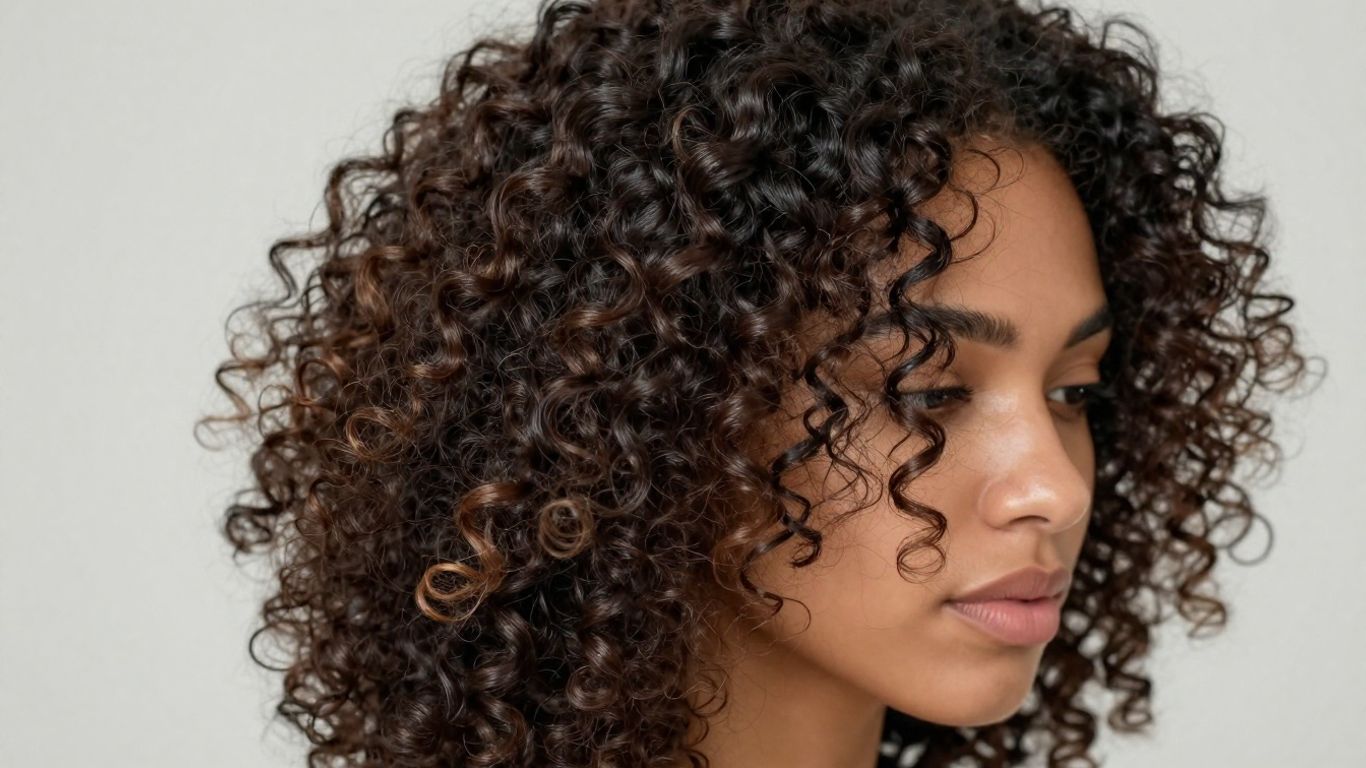
Styling biracial curly hair can feel like a balancing act, but once you get the hang of it, you’ll be rocking gorgeous looks in no time. It’s all about understanding what your unique strands need to look their best.
The Art of the Wash-and-Go
The wash-and-go is a classic for a reason. It’s relatively simple and lets your natural curl pattern shine. Start with freshly washed, conditioned, and damp hair. Apply your leave-in conditioner and then your styling product – this could be a curl cream, gel, or mousse, depending on your desired hold and definition. Work the product through your hair in sections, ensuring even distribution. Then, gently scrunch your hair upwards towards your scalp to encourage curl formation. The key here is to not touch your hair too much as it dries. Let it air dry or use a diffuser on a low heat setting.
Twist-Outs and Braid-Outs for Defined Styles
These techniques are fantastic for creating more defined, elongated curls with less frizz. After washing and conditioning, apply your styling products to damp hair. Divide your hair into sections. For twist-outs, take a section of hair and divide it into two strands, then twist them around each other. For braid-outs, divide a section into three strands and braid them. Secure the ends. You can let your hair air dry completely or sit under a hooded dryer. Once fully dry, gently unravel the twists or braids. For extra volume, you can use a pick at the roots. These styles can last for several days with proper care.
Diffusing vs. Air Drying
Both methods have their pros and cons. Air drying is the gentlest option and requires no heat, which is great for minimizing damage. However, it can take a long time, and sometimes your curls might not form as defined. Diffusing, on the other hand, speeds up the drying process and can help boost volume and definition. When diffusing, always use a heat protectant and the lowest heat and speed setting possible. Hover the diffuser around your hair or gently cup sections of curls and hold them close to the dryer. The goal is to dry your hair without disrupting the curl pattern too much.
Refreshing Curls Between Wash Days
Don’t feel like you need to wash your hair every single day. Refreshing is a great way to revive your curls on non-wash days. You can use a spray bottle filled with water and a little bit of leave-in conditioner to dampen your hair. Then, re-apply a small amount of curl cream or gel to sections that need definition. You can also try techniques like re-twisting or re-braiding small sections. Some people find that simply scrunching their hair with a bit of water helps bring their curls back to life. It’s all about finding what works for your hair’s specific needs and texture.
Maintaining Healthy Biracial Curly Hair
Keeping your biracial curly hair looking its best isn’t just about the products you use; it’s also about how you treat it day-to-day. Little habits can make a big difference in the long run.
Protecting Your Curls at Night
Sleeping can be rough on curls. Friction from your pillowcase can lead to frizz and breakage. To combat this, try a few things:
- Silk or Satin Pillowcase: These materials are much smoother than cotton, reducing snagging and moisture loss.
- Pineapple Method: Gently gather your curls on top of your head into a loose ponytail or bun. This keeps them from getting crushed while you sleep.
- Satin Bonnet or Scarf: For extra protection, wear a bonnet or scarf. It keeps everything contained and minimizes friction.
Trimming for Shape and Health
Regular trims are super important, even if you’re trying to grow your hair out. They get rid of split ends before they can travel up the hair shaft and cause more damage. Think of it as a reset button for your strands.
- Frequency: Aim for a trim every 3-4 months, or whenever you notice split ends or your style isn’t holding its shape.
- Who to See: If possible, find a stylist who really gets curly hair. They’ll know how to cut your curls to flatter your face shape and maintain your hair’s natural movement.
Avoiding Heat Damage and Chemical Treatments
While it’s fun to switch up your look, excessive heat and harsh chemicals can really do a number on your curls. The less you can rely on heat styling, the better for your hair’s health.
- Heat Styling: When you do use heat, always apply a good heat protectant spray first. Try to limit heat styling to special occasions rather than a daily thing. Consider air drying or using a diffuser on a low heat setting.
- Chemical Treatments: Relaxers, perms, and even some dyes can weaken your hair. If you choose to use them, make sure you’re doing it under the guidance of a professional and are prepared for the extra moisture and protein treatments your hair will need afterward. It’s a big commitment, and sometimes embracing your natural texture is the easiest path to healthy hair.
Taking care of your hair is a marathon, not a sprint. Consistent, gentle care will yield the best results over time. Pay attention to what your hair tells you – if it feels dry, add moisture; if it feels weighed down, maybe lighten up on the heavy products. It’s all about balance and listening to your unique strands.
Transitioning Your Biracial Curly Hair Routine
So, you’ve found a routine that works, and your curls are looking pretty great. But hair is a living thing, right? It changes. What worked last year might not be cutting it now. It’s totally normal for your hair’s needs to shift over time.
Recognizing When to Switch Up Products
Sometimes, you just know. Maybe your go-to curl cream isn’t giving you the same definition, or your hair feels drier than usual even with your usual moisturizing routine. These are signs. Your hair might be telling you it needs something different. It could be a change in the weather, hormonal shifts, or even just your hair getting used to the products. Don’t be afraid to experiment a little. Look for products that offer both definition and softness, especially if you have mixed textures within your biracial curls. The goal is to find stylers that control without making your hair stiff, keeping it touchable and defined. Finding the right products can make a big difference.
Adapting to Seasonal Hair Needs
Think about it: summer heat and humidity are way different from winter dryness. Your hair probably feels that too. In the summer, you might need lighter products to avoid feeling weighed down, and maybe something with a bit more UV protection. Come winter, you’ll likely want to amp up the moisture. Deep conditioning treatments become your best friend during colder months. It’s all about adjusting your routine to match what the environment is throwing at your hair.
Listening to Your Hair’s Signals
This is the big one. Your hair will tell you what it needs if you pay attention. Is it feeling brittle? Maybe it needs more protein. Is it limp and stringy? Perhaps it’s time for a clarifying wash or a lighter leave-in. Paying attention to these signals is key to maintaining healthy, happy curls.
Sometimes, the biggest change you can make is simply acknowledging that your hair isn’t static. It evolves, and your routine should too. This journey of adapting is part of what makes caring for biracial curly hair so interesting. It’s a continuous conversation between you and your strands.
If you’re considering a more significant change, like embracing your natural color after years of dyeing, that’s a whole other transition. It requires patience and strategic styling, but it ultimately leads to a more authentic look. Embracing your natural color can be incredibly freeing.
Wrapping It All Up
So there you have it! Taking care of biracial curly hair can feel like a puzzle sometimes, but with the right approach, you can totally make it work for you. Remember, it’s all about finding what your unique strands need, whether that’s extra moisture, gentle handling, or the perfect product mix. Don’t be afraid to experiment a little – what works for one person might not work for another. The most important thing is to be patient with yourself and enjoy the process of discovering your hair’s natural beauty. You’ve got this!
Frequently Asked Questions
Why is biracial curly hair different from other hair types?
Biracial curly hair is a mix of different curl patterns, often from parents with different hair types. This means it can be super curly in some spots and wavy in others, making it unique and sometimes tricky to manage.
What are the most common problems with biracial curly hair?
People often deal with frizz, dryness, and tangles. Because the hair has different curl types, it can be hard for moisture to travel down the hair shaft evenly, leading to these issues.
How often should I wash my biracial curly hair?
It’s best not to wash it too often. Washing too much can strip away natural oils, making your hair dry. Try washing once or twice a week, or even less if your hair doesn’t get oily quickly.
What kind of products work best for this hair type?
Look for products that are super moisturizing! Things like leave-in conditioners, curl creams, and oils are great. Avoid shampoos with harsh sulfates, as they can dry out your curls.
Is it okay to straighten my biracial curly hair?
You can straighten it, but it’s important to protect it from heat. Always use a heat protectant spray and try not to straighten it too often, as too much heat can damage your curls over time.
How can I make my curls look more defined?
Using a good curl cream or gel can help define your curls. Applying these products when your hair is still wet, and then scrunching it upwards, can really help your curls pop!