Finding the right makeup can feel like a puzzle, especially when you have mixed skin tones. It’s not always easy to find shades that look just right, and sometimes products can end up looking a bit off, like too ashy or too orange. But don’t worry, with a few simple tricks, you can really make your natural beauty shine. This guide is all about helping you pick the best makeup for your unique complexion, so you can feel confident and look amazing every day.
Key Takeaways
- Understanding your skin’s undertone—whether it’s warm, cool, or neutral—is the first step to choosing makeup that looks natural.
- When picking foundation and concealer, test shades on your jawline in natural light to ensure a perfect match and avoid ashy or orange tones.
- For contour and blush, opt for shades deep enough to create definition and colors that pop against your skin, like warm browns, corals, or berries.
- Eyeshadows in jewel tones, metallics, and warm neutrals work beautifully on deeper complexions, and good pigmentation makes a big difference.
- Lip colors ranging from deep berries and browns to vibrant corals and flattering nudes can all complement mixed skin tones wonderfully.
Understanding Your Unique Undertone
Figuring out your skin’s undertone is like finding the secret code to makeup that just works. It’s not about the surface color of your skin, but the subtle hue underneath. This is super important because it dictates which shades will make you look radiant and which might make you appear a bit off, maybe even ashy or too orange. Knowing your undertone is the first step to a flawless makeup application.
Identifying Warm, Cool, or Neutral Hues
So, how do you actually find this hidden hue? It usually comes down to three main categories: warm, cool, or neutral. Think of it like this:
- Warm undertones: If your skin tends to have yellow, golden, or peachy vibes, you’re likely warm. Veins on your wrist might look more green. You probably look great in earthy tones, golds, and orange-based reds.
- Cool undertones: If you see more pink, red, or bluish tones, you’re probably cool. Your wrist veins might appear more blue or purple. Blues, purples, and blue-based reds are often your best friends.
- Neutral undertones: This is when you have a mix of both warm and cool. Your wrist veins might look like a mix of blue and green. You’re lucky because most colors tend to look good on you!
It can sometimes be tricky, especially with deeper complexions. Sometimes looking at the center of your chest or even how your skin reacts to the sun can give you clues. If you burn easily and don’t tan much, you might lean cool. If you tan easily, you might be warm. For a more objective look, try holding up a piece of pure white paper next to your bare face in natural light. The color that seems to disappear or blend in is likely your undertone. You can also test out different colored fabrics – gold often suits warm tones, while silver looks better on cool tones. Finding your undertone is key to selecting flattering makeup shades like these.
The Importance of Undertone for Foundation
Foundation is the base of your entire look, and getting the undertone right is non-negotiable. If you pick a foundation that matches your surface color but not your undertone, it can look completely wrong once it settles on your skin. A foundation that’s too yellow might make your skin look muddy, while one that’s too pink can make you look ruddy. For those with lighter skin, the wrong undertone can lead to an ashy or grey appearance. It’s all about finding that shade that melts into your skin, making it look like your skin, but better.
When you’re testing foundation, always swatch it on your jawline, not your hand. Your hand’s skin tone can be quite different from your face. Let the foundation sit for a few minutes to see how it oxidizes and truly looks against your skin before making a decision.
Undertone Variations in Deeper Complexions
It’s a common misconception that deeper skin tones don’t have distinct undertones, but they absolutely do! In fact, undertones can be even more pronounced and sometimes trickier to pinpoint in darker complexions. You might have a deep skin tone but still have warm, cool, or neutral undertones. For example, someone with a deep brown complexion might have golden or olive undertones (warm), while another might have more of a reddish or blue undertone (cool). It’s crucial to look beyond just the depth of color and really examine those subtle hints of yellow, red, or blue. Brands are getting better at offering a wider range of shades for deeper skin tones, but understanding your specific undertone helps you cut through the noise and find what truly complements your beautiful complexion. Don’t be afraid to experiment with different brands and shades until you find that perfect match that makes your skin glow naturally.
Mastering Foundation and Concealer
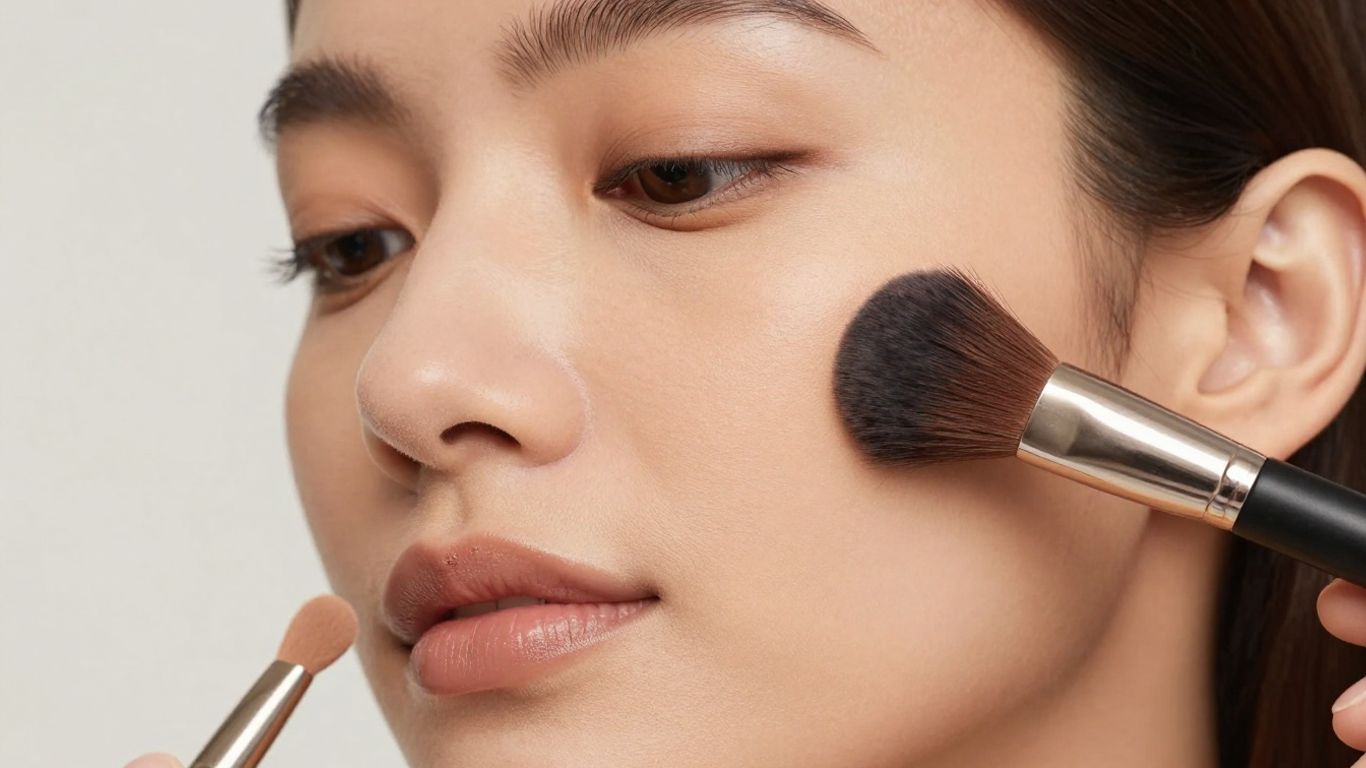
Finding the right foundation and concealer can feel like a treasure hunt, especially when you have mixed skin tones. It’s not just about picking a shade off the shelf; it’s about understanding what truly works with your unique complexion. The goal is a seamless blend that looks like your skin, only better.
Selecting the Perfect Foundation Shade
Getting your foundation shade right is probably the most important step. If it’s too light, you can end up looking ashy, and if it’s too dark, it might look muddy or just plain wrong. The undertone is key here. Many people with mixed skin tones have olive undertones, which can be tricky to match. You might lean warm, cool, or neutral, and this affects how a foundation looks on you. Always swatch a few shades on your jawline and check them in natural light before buying. This is the best way to see the true finding the right foundation match.
Here’s a quick guide to undertones:
- Warm: Look for golden, peachy, or yellow hues. Foundations with yellow or golden bases often work well.
- Cool: You might see pink, red, or bluish tones. Pink or rosy-based foundations are usually a good bet.
- Neutral: A mix of both warm and cool. You have more flexibility, but look for shades that aren’t too yellow or too pink.
For those with olive undertones, you might find that foundations labeled ‘neutral’ or those with a slight green or yellow tint work best. It can take some trial and error, but don’t get discouraged. Remember, your shade might change with the seasons, but your undertone stays the same.
Concealer Strategies for Brightening and Blemishes
Concealer is your best friend for tackling dark circles, redness, or any uneven spots. When choosing a concealer for uneven skin tone, think about what you want to achieve. For brightening areas like under your eyes or your T-zone, go one to two shades lighter than your foundation. This creates a subtle lift and makes you look more awake. However, for covering blemishes or dark spots, you’ll want a concealer that’s an exact match to your foundation shade. This way, it blends in without drawing attention to the area you’re trying to conceal.
Using a concealer that’s too light on blemishes can actually make them stand out more, which is the opposite of what we want. Stick to an exact match for targeted coverage.
Avoiding Ashy or Orange Tones
This is a common pitfall, especially for deeper complexions. Ashy tones often come from foundations that are too light or have the wrong undertone, making the skin look dull and grey. Orange tones usually mean the foundation is too warm or has too much red in it for your specific undertone. If you have best foundation for olive undertones, you might find that some foundations pull too yellow or too pink. Always test the product after it has had a chance to set on your skin, as colors can change. A good primer can also help your foundation sit better and prevent color shifts. Consider using a natural primer to create a smooth base.
| Problem | Cause |
|---|---|
| Ashy/Grey Look | Foundation too light or wrong undertone |
| Orange Look | Foundation too warm or too red |
Adding Dimension with Contour and Blush
Choosing Contour Shades for Definition
Okay, so you’ve got your base looking smooth, but now it’s time to give your face some shape, right? This is where contour comes in. For deeper skin tones, picking the right contour shade is super important. If it’s too light, it just won’t show up, and you’ll end up looking a bit flat instead of sculpted. You want a shade that’s a few steps darker than your foundation, with a cool or neutral undertone, to mimic natural shadows. Think about shades that look like a natural shadow on your skin, not just a darker version of your foundation. Cream and liquid contours tend to blend out more naturally on melanin-rich skin, giving you that subtle definition without looking muddy.
Bold Blush Colors That Pop
Blush is where we can really have some fun! Forget those pale pinks that disappear. We’re talking about rich, vibrant colors that actually show up and add life to your complexion. Think deep berries, warm corals, terracotta shades, and even vibrant fuchsias. The key is pigmentation. You want a blush that has enough color payoff so you can build it up to your desired intensity. Cream and liquid blushes are fantastic because they melt into the skin, giving a natural flush, but a well-pigmented powder blush can also work wonders. Don’t be afraid to experiment with these bolder shades; they can make your skin look so healthy and radiant.
Strategic Blush Placement for a Sun-Kissed Look
Where you put your blush makes a big difference. For a natural, sun-kissed vibe, apply blush a little higher on your cheekbones, blending upwards towards your temples. This technique, sometimes called ‘draping,’ can give your face a lifted appearance. You can also apply a touch of blush where the sun naturally hits your face – the tops of your cheeks, a little on your nose, and even a whisper on your forehead. This makes it look like you’ve just come back from a lovely day outdoors.
Here’s a quick guide to placement:
- High Cheekbones: For a lifted, sculpted look.
- Apples of Cheeks: For a classic, youthful flush.
- Temples: Blend upwards from the cheekbones for a seamless transition.
- Bridge of Nose: For that authentic sun-kissed effect.
Remember, the goal is to add warmth and dimension. Play around with these placements to see what looks best for your face shape and desired effect. It’s all about making your features pop in the most flattering way possible. Makeup placement diagram
Don’t shy away from mixing textures, either. Layering a cream blush under a powder blush can give you a beautiful, long-lasting flush that looks like it’s coming from within. It’s a little trick that makes a big impact. Finding the right shades and placement can really transform your look.
Eye-Catching Eye Makeup
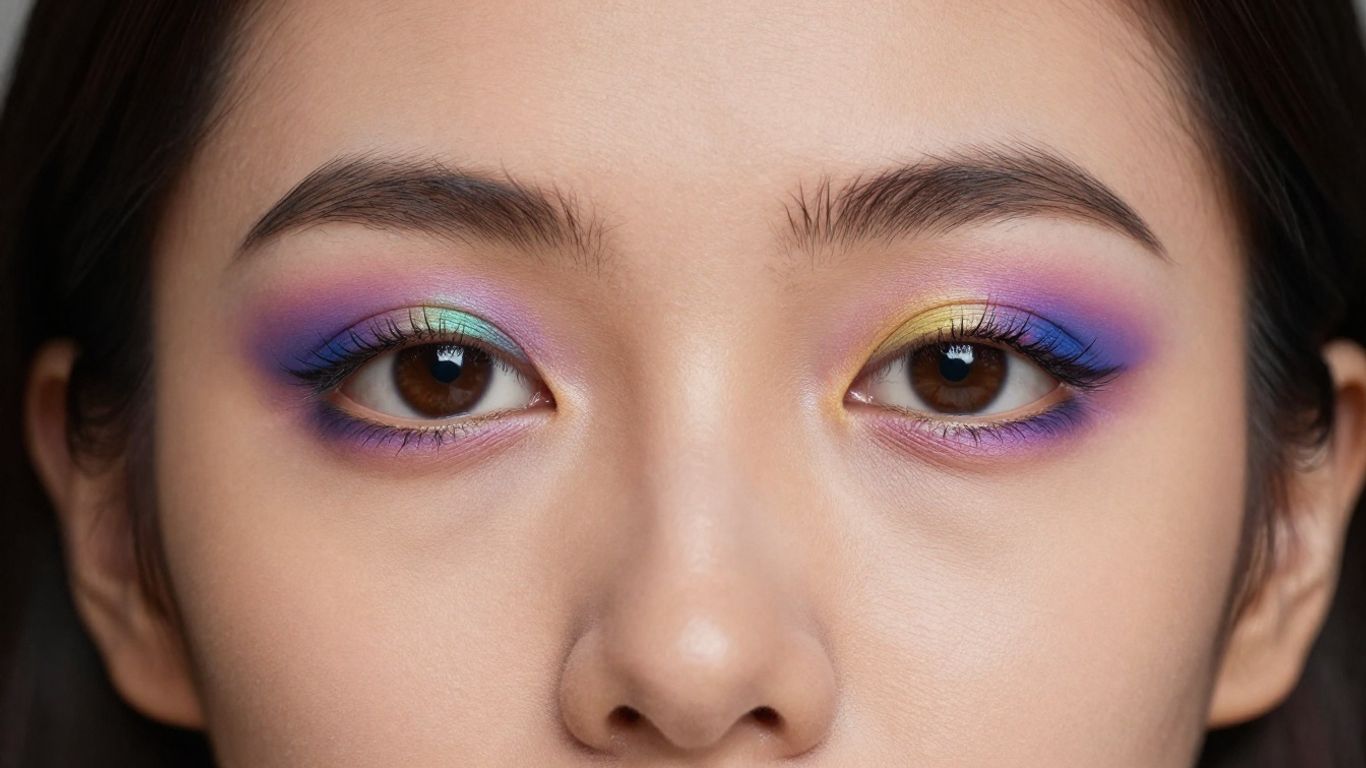
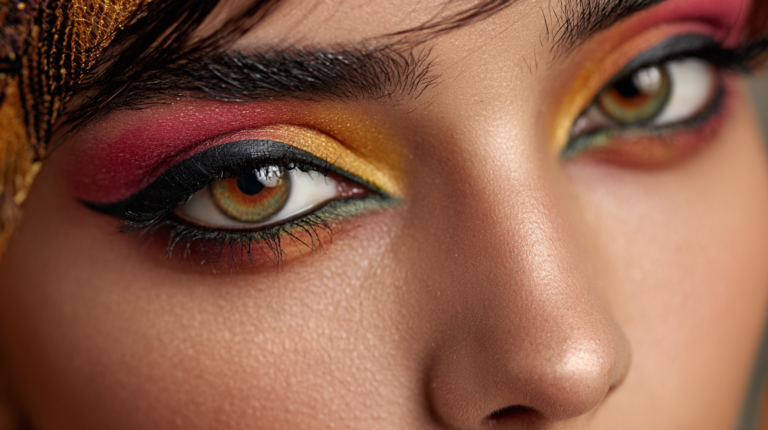
Let’s talk about making your eyes pop! When it comes to eyeshadows, many colors look absolutely stunning on deeper skin tones. Think rich jewel tones like emerald green, sapphire blue, and amethyst purple – they are incredibly flattering. Metallic shades, especially gold, copper, and bronze, truly come alive against our complexions. Don’t be afraid to experiment with vibrant colors; they’ll make your eyes the focal point.
Flattering Eyeshadow Palettes for Brown Skin
Finding the right eyeshadow palette can feel like a treasure hunt, but there are some go-to shades that really shine. For brown skin, warm browns, deep plums, or even rose gold shimmers on the lids look incredible. You can also try gold, amber, or bronze eyeshadow. Having a palette with multiple colors that blend well together is ideal, making it easy to create a cohesive look. It’s all about finding those shades that complement your natural undertones, whether you lean towards makeup shades for warm and cool skin.
Vibrant Jewel Tones and Metallics
Jewel tones and metallics are your best friends here. Emerald, sapphire, and amethyst shadows bring out the depth in brown eyes. For a touch of glamour, copper, bronze, and gold shadows add a beautiful shimmer that catches the light. These shades offer a fantastic contrast and dimension.
The Power of Pigmentation and Eye Primer
Pigmentation is key for eyeshadows to truly stand out on deeper skin tones. If an eyeshadow isn’t well-pigmented, it can look dull. You want colors that are rich and buildable. To help your eyeshadow pop and last all day, an eye primer is a game-changer. If you don’t have one, a light concealer can work in a pinch to create a smooth base. This helps prevent creasing and makes the colors appear more vibrant. For a flawless base, consider brands that focus on healthier beauty choices like RMS Beauty.
Here’s a quick guide to some flattering shades:
| Color Family | Specific Shades |
|---|---|
| Jewel Tones | Emerald Green, Sapphire Blue, Amethyst Purple |
| Metallics | Gold, Copper, Bronze, Rose Gold |
| Warm Neutrals | Deep Browns, Terracotta, Burnt Orange |
Don’t shy away from bold colors. They are meant to be seen and celebrated on deeper complexions. Experimenting with different finishes, like mattes and shimmers, can also add another layer of interest to your eye looks.
Luscious Lip Colors
Finding the perfect lip color can feel like a treasure hunt, especially when you have beautiful mixed skin tones. It’s all about embracing the depth and warmth that melanin brings. Forget the old rules; there are so many shades that will make your lips pop.
Deep Shades That Complement Melanin
When it comes to deeper complexions, rich, saturated colors are your best friend. Think about shades that have a bit of depth to them. Reds with a blue or even a hint of purple undertone can look incredibly sophisticated. Berry tones, from raspberry to deep plum, are also fantastic choices. Don’t shy away from deep browns, either – shades like chocolate, espresso, or even a warm mahogany can be stunning. These colors don’t just sit on top of the skin; they meld with it, creating a look that feels intentional and harmonious. It’s about finding a shade that feels like a natural extension of your own beautiful coloring.
Finding Your Perfect Nude Lip
Ah, the nude lip. It sounds simple, but for many, finding the nude can be a challenge. For mixed skin tones, a true nude often isn’t a pale beige. Instead, look for shades that have a bit more pigment, leaning towards peachy, rosy, or even taupe undertones. Testing shades on the inside of your wrist or directly on your lips in good lighting is key. A nude that looks washed out on someone else might be your perfect match. Consider lipsticks with a bit of brown or a warm, subtle pink to mimic the natural flush of your lips. It’s about finding a shade that evens out your lip tone without disappearing completely. A good starting point is to look for shades that are one or two shades lighter than your natural lip color. You can explore different nude options at makeup retailers.
Electrifying Coral and Berry Tones
Sometimes, you just want a lip color that makes a statement. This is where vibrant corals and juicy berry shades come in. Corals with a bit of orange or red in them can be surprisingly flattering, adding a bright, cheerful pop. Berry tones, as mentioned before, are incredibly versatile. A bright fuchsia-berry can be playful and bold, while a deeper, wine-like berry offers a more dramatic effect. These colors bring out the warmth in many mixed skin tones and add a lively dimension to any makeup look. Don’t be afraid to experiment; these shades are often forgiving and add an instant mood boost. Remember, the right lip color can really tie your whole look together, making your features stand out in the best way possible.
Achieving a Natural Glow
Sometimes, you just want to look like yourself, but a little more polished, right? It’s all about those subtle touches that make your features pop without looking like you’re wearing a ton of makeup. This is where the ‘natural glow’ comes in, and it’s totally achievable for all skin tones, especially deeper complexions.
Enhancing Features with Minimal Makeup
Forget heavy foundations for this look. Instead, think about what makes your skin beautiful already and just give it a little boost. The goal is to look fresh and awake, not made-up. A little concealer just where you need it, like under the eyes or on a stray blemish, can make a big difference. Brows are super important here; filling them in lightly with a pencil or powder that matches your hair color can frame your face perfectly. A cream blush in a peachy or rosy tone patted onto the apples of your cheeks adds a healthy flush. For your eyes, a coat of mascara and maybe a wash of a warm, neutral eyeshadow can define them subtly. A hydrating lip balm or a sheer gloss keeps your lips looking soft and full.
The Role of Tinted Moisturizers and Skin Tints
These are your best friends for a natural look. Tinted moisturizers and skin tints give you a bit of coverage to even out your skin tone without feeling heavy or cakey. They often have hydrating ingredients, which is a bonus. For mixed skin, finding one that doesn’t cling to dry patches or make oily areas look shinier is key. Look for formulas that offer a natural or dewy finish. They’re great for everyday wear and provide a good base for any other makeup you might want to add later. You can find some amazing beauty products for diverse complexions that offer this sheer coverage. It’s a great way to start your makeup routine, giving you that lit-from-within look. If you’re looking for a good starting point, exploring options for balanced skin care can help you prep your skin for these lighter base products.
Brow Definition for a Polished Look
Seriously, don’t sleep on your brows! They’re like the frame for your face, and when they’re well-defined, they can totally change your whole look. For a natural glow, you don’t want harsh, drawn-on brows. Instead, use a fine-tipped pencil or a powder that matches your hair color to fill in any sparse areas with light, feathery strokes. Think about mimicking the natural hairs. You can also brush them up with a spoolie and set them with a clear or tinted brow gel. This simple step makes you look more put-together instantly, even if you’re not wearing any other makeup. It’s amazing how much of a difference a little brow work can do for your overall appearance.
When aiming for a natural glow, the focus shifts from heavy coverage to strategic enhancement. It’s about working with your skin’s natural texture and tone, using products that add radiance and definition without masking your unique beauty. Think of it as a subtle upgrade, not a transformation.
Embrace Your Unique Glow
So, there you have it! Finding the right makeup for mixed skin tones isn’t some big mystery. It’s really about getting to know your own skin, like figuring out if you’re more warm or cool toned. Once you get that down, picking out foundation, blush, or even lipstick becomes way easier. Don’t be afraid to play around with different shades, especially those rich berry tones or warm bronzes. The most important thing is to choose products that make you feel good and highlight your natural beauty. Makeup should be fun, and with a little trial and error, you’ll find exactly what makes your melanin magic shine.
Frequently Asked Questions
How do I find my skin’s undertone?
Look at the veins on your wrist in natural light. If they look blue or purple, you likely have cool undertones. If they look green, you probably have warm undertones. If you see a mix of both, or can’t quite tell, you might have neutral undertones. Your chest or neck area can also give clues; peachy or golden tones suggest warm, while pink or reddish tones suggest cool.
Why is undertone so important for foundation?
Your undertone helps you pick a foundation that blends naturally with your skin. If you get the undertone wrong, your foundation might look too orange, too grey, or just not quite right, making it obvious you’re wearing makeup. Getting the undertone right means your foundation will look like your actual skin, just smoother.
What are some good blush colors for mixed skin tones?
Bold colors can look amazing! Think about rich shades like coral, deep rose, berry tones, or even a warm orange. These colors add a beautiful pop and healthy glow without looking washed out. It’s all about finding a shade that complements your specific undertone.
How can I make my eyeshadow stand out on deeper skin tones?
Pigmentation is key! Look for eyeshadows that are rich and vibrant. Jewel tones like emerald green, sapphire blue, and amethyst purple are stunning. Metallics like gold, copper, and bronze also pop beautifully. Using an eyeshadow primer or even a light concealer before applying shadow can help the colors look brighter and last longer.
What kind of nude lipsticks work best for mixed skin tones?
Forget light beige nudes! For deeper complexions, nudes with brown, peach, or even a hint of purple undertones tend to look much more flattering. Swatching on your wrist or jawline can help you see if a nude looks too pale or too pink compared to your natural lip color.
Can I wear bright colors if I have a deeper skin tone?
Absolutely! Don’t shy away from color. Bright shades, especially in jewel tones or vibrant corals and berries, can look incredibly striking and beautiful on deeper skin tones. The trick is to find shades with good pigment that complement your undertone, making your features shine.