
Dealing with multi-textured hair can be a bit of a puzzle. You might have straight strands mixed with curls or waves, and figuring out how to care for each part can feel like a full-time job. But don’t worry, you’re not alone! Many folks are in the same boat, trying to find the right products and techniques to keep their hair looking its best. This guide is here to help you navigate the world of mixed hair care, offering tips and tricks for every texture you might have.
Key Takeaways
- Multi-textured hair requires a tailored approach to care for different textures effectively.
- Understanding your hair’s porosity is essential for choosing the right products.
- Deep conditioning and leave-in conditioners are crucial for maintaining moisture.
- Protective styles and heat protection can prevent damage and breakage.
- Eco-friendly and natural product options are available for sustainable hair care.

Understanding Multi-Textured Hair
Identifying Your Hair Types
Figuring out your hair type is like getting to know an old friend. Each strand has its own personality, and understanding it is key to proper care. Hair types generally range from straight (Type 1) to kinky (Type 4), with wavy (Type 2) and curly (Type 3) in between. After washing, observe how your hair dries naturally. If it dries straight, it’s Type 1; wavy means Type 2; curly indicates Type 3; and if it dries into tight coils, you’re looking at Type 4. Each type has its own needs, so knowing yours helps you choose the right products and techniques.
The Role of Porosity in Hair Care
Porosity is a big deal when it comes to hair care. It’s about how well your hair absorbs and holds moisture. To check your hair’s porosity, try the water test: drop a clean strand into a glass of water. If it sinks quickly, you’ve got high porosity hair which absorbs moisture fast but also loses it quickly. If it floats, your hair is low porosity, meaning it resists moisture. Somewhere in the middle? That’s medium porosity, which is pretty balanced. Knowing your porosity helps in picking products that work best for your hair’s moisture needs.
Common Challenges with Multi-Textured Hair
Juggling different textures on one head can feel like managing a mini United Nations. You might have a mix of straight, wavy, and curly sections, each demanding its own care routine. Common challenges include uneven moisture distribution, styling difficulties, and finding the right products that cater to all textures. Here are a few tips:
- Moisturize Wisely: Use products that hydrate without weighing down your hair.
- Separate and Conquer: Treat each section according to its texture needs.
- Be Patient: Styling might take longer, but the results are worth it.
Embracing your multi-textured hair means celebrating its uniqueness while learning to manage its quirks. With the right approach, you can enjoy the best of all your hair worlds.
Essential Products for Multi-Textured Hair
Choosing the Right Shampoo and Conditioner
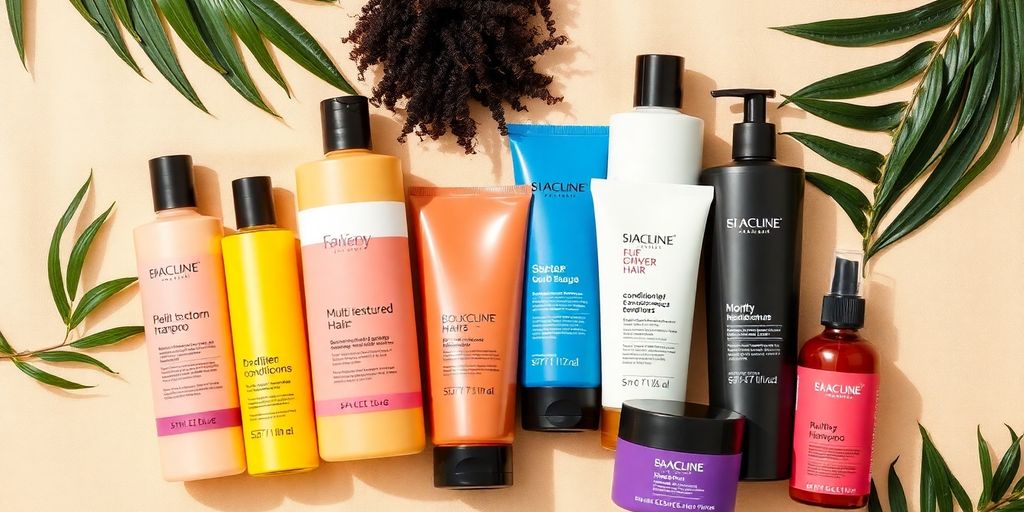
When you’re dealing with multi-textured hair, picking the right shampoo and conditioner is like finding the perfect pair of jeans. It needs to fit just right. Sulfate-free shampoos are a go-to because they clean without stripping away natural oils. For conditioners, look for ones packed with hydrating goodies like shea butter or argan oil. These ingredients help keep your hair soft and manageable, no matter how many textures you have going on.
The Benefits of Leave-In Conditioners
Leave-in conditioners might just be your new best friend. They’re perfect for adding an extra layer of moisture and help with detangling. Plus, they keep your curls looking bouncy and defined. Lightweight options are key here; you don’t want anything weighing your hair down.
Exploring Natural Hair Care Options
Going natural can be a game-changer for multi-textured hair. Think about incorporating oils like coconut or jojoba into your routine. These oils not only moisturize but also add a healthy shine. Natural products are often less harsh on your hair, making them a great choice if you’re trying to keep things simple.
Finding the right products for multi-textured hair can feel like a never-ending journey, but once you nail it, your hair will thank you with every bounce and curl.

Moisturizing Techniques for Healthy Hair
Deep Conditioning for Multi-Textured Hair
Deep conditioning is a must for anyone with multi-textured hair. It helps lock in moisture, making your hair feel softer and more manageable. Try using a deep conditioner once a week. Leave it in for about 30 minutes, maybe even pop on a shower cap to let it really soak in. You’ll notice your hair feels different—less frizzy, more hydrated. For those with high-porosity hair, deep conditioning can be a game-changer. It helps the cuticles lay flat, reducing tangling and dryness.
Using Hair Masks for Intensive Treatment
If your hair needs an extra boost, hair masks are the way to go. They’re like a spa day for your hair. Use a mask that’s rich in natural oils and proteins to nourish and repair. Apply it once a week or whenever your hair feels particularly dry. Hair masks can help restore moisture and shine, making your hair look healthier and more vibrant.
Daily Moisturizing Tips
Daily moisturizing keeps your hair looking its best. Here are some tips:
- Start with a good leave-in conditioner. It helps keep your hair hydrated throughout the day.
- Use a spray bottle filled with water and a bit of conditioner for quick touch-ups.
- Avoid using too much heat, and if you have to, always use a heat protectant.
- Seal in moisture with a light oil, especially on the ends of your hair.
Consistent moisture is key to maintaining healthy, multi-textured hair. It’s not just about products; it’s about finding a routine that works for your specific hair needs.
For more on keeping your hair hydrated and healthy, check out our textured hair care guide.
Styling Solutions for Multi-Textured Hair
Protective Styles to Minimize Damage
Protective styles are a lifesaver for anyone with multi-textured hair. These styles, like braids, twists, or buns, help reduce breakage by tucking away fragile ends. Not only do they shield your hair from daily wear and tear, but they also give you a chance to experiment with different looks. Try a mix of styles to find what suits your hair best. Keep in mind, though, that leaving these styles in for too long can lead to tangling or matting, so it’s important to switch them up regularly.
Curl-Defining Products and Techniques
Curl definition can be tricky when dealing with multiple textures. Using the right products is key. Look for curl creams or gels that enhance your natural pattern without weighing it down. Applying products while your hair is still damp helps lock in moisture and define curls. Scrunching your hair gently from the ends to the roots can also aid in curl formation. For added volume, consider diffusing your hair with a blow dryer on a low heat setting.
Heat Styling Tips and Precautions
Heat styling can be both a friend and a foe. While tools like flat irons and curling wands offer versatility, they can also cause damage if not used carefully. Always use a heat protectant spray to shield your hair from high temperatures. Keep the heat setting as low as possible to achieve your desired style. It’s best to limit heat styling to special occasions to maintain healthy hair. If you must use heat regularly, consider investing in high-quality tools that distribute heat evenly.
Caring for Children’s Multi-Textured Hair

Gentle Products for Young Scalps
When it comes to caring for children’s multi-textured hair, using gentle products is key. Kids’ scalps are more sensitive, so it’s important to choose products that are free from harsh chemicals. Opt for shampoos and conditioners that are sulfate-free, as sulfates can strip the hair of its natural oils. Look for ingredients like shea butter and aloe vera which are soothing and moisturizing. Brands like Cantu and Shea Moisture offer products specifically designed for kids with mixed-textured hair.
Detangling Tips for Kids
Detangling can be a bit of a challenge, but with the right approach, it doesn’t have to be a tear-filled ordeal. Start by using a wide-tooth comb or a detangling brush. It’s best to detangle hair when it’s wet and coated with conditioner or a leave-in product. This provides slip and helps reduce breakage. Divide the hair into sections and work through each section from the ends to the roots. Patience is key, and with time, your child might even enjoy this bonding routine.
Creating a Simple Hair Care Routine
Consistency is important in maintaining healthy hair. Establishing a routine can make hair care predictable and manageable for both you and your child. Here’s a simple routine to follow:
- Wash Day: Use a gentle, hydrating shampoo and follow up with a nourishing conditioner. Rinse thoroughly.
- Moisturize: Apply a leave-in conditioner and use a light oil to lock in moisture.
- Style: Choose styles that protect the hair, like braids or twists, and avoid styles that pull too tightly.
- Nighttime Care: Use a satin bonnet or pillowcase to minimize friction and keep curls intact.
Remember, every child’s hair is unique. What works for one might not work for another. Experiment and find the routine that suits your child’s hair best.
By incorporating these practices, you can help maintain your child’s beautiful multi-textured hair, keeping it healthy and vibrant.
Eco-Friendly Hair Care Practices
Sustainable Hair Care Products
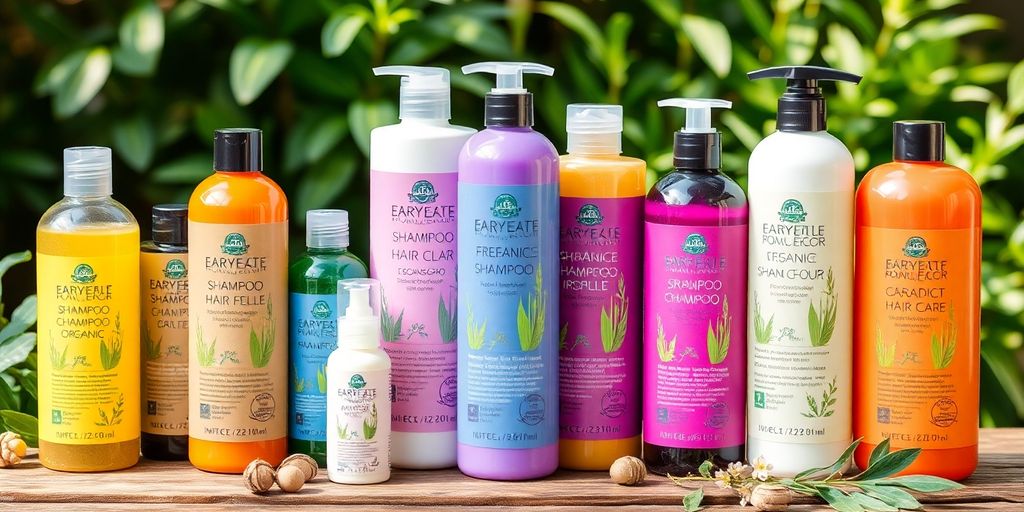
Embracing eco-friendly hair care is easier than you might think. Start by choosing products that are packaged in recyclable materials or, even better, those that come with a refill option. Solid shampoo and conditioner bars are a great alternative to traditional bottled products. They’re not only free from plastic packaging but also last longer and are often made with natural ingredients. Look for brands that prioritize sustainability in their production processes.
Vegan Options for Multi-Textured Hair
If you’re looking to make your hair care routine more ethical, consider vegan products. These are free from animal-derived ingredients and are often cruelty-free. Many brands offer vegan options that cater specifically to multi-textured hair, providing the moisture and care needed without compromising on your values. A bonus? These products often use fewer synthetic chemicals, which can be gentler on your hair and scalp.
Reducing Environmental Impact
There are simple steps you can take to minimize your hair care’s environmental footprint. First, reduce the frequency of washing your hair. This saves water and reduces the amount of product you use over time. Second, consider using eco-friendly hair tools, like brushes made from bamboo instead of plastic. Lastly, try air-drying your hair whenever possible to cut down on electricity use from blow dryers and styling tools.
Making small changes in your hair care routine can have a significant impact on the environment. Every choice counts, from the products you use to how you style your hair.

Promoting Scalp Health and Hair Growth
Importance of Scalp Care
Taking care of your scalp is like tending to a garden. A healthy scalp is essential for strong, vibrant hair. It’s not just about washing your hair; it’s about keeping the scalp clean and balanced. Regular cleansing helps remove product buildup and dead skin cells, which can clog hair follicles. When follicles are clogged, it can slow down hair growth and even lead to hair thinning.
- Use a gentle shampoo that suits your scalp type
- Avoid harsh chemicals that can strip natural oils
- Consider a scalp massage to boost blood circulation
Products to Stimulate Hair Growth
There are tons of products out there promising to boost hair growth. But, what really works? Look for ingredients known to nourish and strengthen the hair. Aloe vera, coconut oil, and rosemary oil are among the top natural ingredients that promote hair growth, reduce thinning, and nourish hair.
- Aloe vera soothes and conditions the scalp
- Coconut oil penetrates deeply to moisturize
- Rosemary oil is known for its ability to stimulate hair follicles
Maintaining Strong Hair Follicles
Strong hair begins at the root. To maintain healthy follicles, it’s important to keep them nourished and free from damage. Hair oils and butters can be a great addition to your routine. They not only moisturize but also protect against environmental stressors.
- Warm up your favorite hair oil and gently massage it into your scalp.
- Let it sit for about 30 minutes before washing it out.
- Use a butter-based product to seal in moisture and shield your hair.
Keeping your scalp healthy is the foundation of beautiful hair. It’s not just about what’s on the surface, but how you nurture your scalp from the inside out. With the right care, your hair can thrive, looking fuller and feeling stronger than ever.
Conclusion
Taking care of mixed hair can feel like a journey, but it’s all about finding what works best for you. With so many textures and types, it’s important to experiment with different products and routines. Remember, what works for one person might not work for another, so don’t be afraid to try new things. The key is to keep your hair healthy and happy, whether that means using natural products, deep conditioning regularly, or finding the perfect leave-in conditioner. Embrace your unique hair and enjoy the process of discovering the best care routine for your multi-textured locks. Your hair is beautiful, and with the right care, it can be its best self.
Frequently Asked Questions
What is mixed hair?
Mixed hair usually refers to hair that has a combination of different textures, often found in people of mixed race. It can range from wavy to curly to coily, and might have various curl patterns and thicknesses all on one head.
How often should you wash mixed hair?
You don’t need to wash mixed hair every day. It’s often best to wash it once or twice a week to keep it from drying out. Curly hair doesn’t get oily as quickly as straight hair because the natural oils from the scalp don’t travel down the hair shaft as easily.
Can mixed hair get lice?
Yes, mixed hair can get lice just like any other type of hair. It’s a myth that certain hair types can’t get lice. Keeping hair clean and checking regularly can help prevent lice infestations.
What are the best products for mixed hair?
Look for products that add moisture and define curls, like sulfate-free shampoos, leave-in conditioners, and curl creams. It’s often helpful to try different products to see what works best for your specific hair texture.
Why is deep conditioning important for mixed hair?
Deep conditioning helps to keep mixed hair hydrated, soft, and manageable. It provides the extra moisture that curly and coily hair types need to prevent breakage and frizz.
How can I reduce frizz in mixed hair?
To reduce frizz, keep your hair well-moisturized and use products like leave-in conditioners and curl creams. Avoid brushing dry hair, and instead use a wide-tooth comb on wet hair. Air drying or using a diffuser can also help maintain your hair’s natural curl pattern.


Thank you for your sharing. I am worried that I lack creative ideas. It is your article that makes me full of hope. Thank you. But, I have a question, can you help me?
Your article helped me a lot, is there any more related content? Thanks!
I don’t think the title of your article matches the content lol. Just kidding, mainly because I had some doubts after reading the article.
Thank you for your sharing. I am worried that I lack creative ideas. It is your article that makes me full of hope. Thank you. But, I have a question, can you help me?
I don’t think the title of your article matches the content lol. Just kidding, mainly because I had some doubts after reading the article. https://accounts.binance.com/fr/register?ref=GJY4VW8W
Thank you for your sharing. I am worried that I lack creative ideas. It is your article that makes me full of hope. Thank you. But, I have a question, can you help me?
Your point of view caught my eye and was very interesting. Thanks. I have a question for you.
I don’t think the title of your article matches the content lol. Just kidding, mainly because I had some doubts after reading the article.
Your article helped me a lot, is there any more related content? Thanks!
Your article helped me a lot, is there any more related content? Thanks!
Can you be more specific about the content of your article? After reading it, I still have some doubts. Hope you can help me.
https://t.me/Top_BestCasino/164