
Key Takeaways
Flat dark marks after acne are often discoloration rather than scars, and the distinction matters when choosing care. A steady, gentle routine can help fade existing marks while reducing the chance of new ones.
- Flat brown or gray marks often reflect post-inflammatory hyperpigmentation; indented or raised areas may be scars.
- Treating active acne and avoiding picking can help prevent new marks from forming.
- Introduce one brightening ingredient at a time, and adjust if your skin becomes irritated.
- Daily broad-spectrum sunscreen helps protect healing skin; tinted formulas with iron oxides may offer additional visible-light protection.
- Persistent, changing, painful, or raised marks deserve a dermatologist’s assessment.
Understand what kind of post-acne marks you have
A mark left after a breakout can be frustrating, but it does not always mean the skin has been permanently scarred. On deeper skin tones, inflammation may leave a flat area of darker color that takes time to fade. Texture, shape, and how the spot feels can offer useful clues, though a dermatologist is best placed to assess anything uncertain. Knowing what you are treating makes it easier to choose a gentle, realistic plan.
How post-inflammatory hyperpigmentation appears
Post-inflammatory hyperpigmentation, often shortened to PIH, is extra pigment left behind as skin heals from inflammation such as acne. It usually looks flat and may appear brown, dark brown, or gray, depending on the person and the mark. It can be more noticeable on darker skin, but skin tone alone does not determine how any individual will heal. Avoid squeezing or picking blemishes, since added inflammation can prolong the discoloration.
How acne scars differ from flat dark marks
Dark marks and scars can occur together, but they are not the same thing: PIH changes color, while a scar changes skin texture or contour. The comparison below can help you describe what you see, not diagnose it. For a broader overview of post-acne mark types, including flat spots and textural scars, see this guide.
| Feature | Flat dark mark | Textural acne scar | Raised scar |
|---|---|---|---|
| Surface | Usually smooth and level | Indented or uneven | Elevated or firm |
| Main change | Skin color | Skin contour | Skin thickness or height |
| Common care approach | Sun protection and topical ingredients | May need clinician-guided options | Dermatologist assessment may help |
A topical routine may improve discoloration, but it generally cannot fill an indentation or flatten raised scar tissue. If the surface feels different when you run a clean fingertip over it, consider asking a dermatologist what kind of mark it is before adding stronger products.
When a mark may need a dermatologist’s evaluation
A clinician can help when you are unsure whether a mark is pigment or scar tissue, or when home care is not helping. Arrange an evaluation sooner if a spot is growing, changing in shape or color, painful, itchy, or bleeding, rather than assuming it is acne-related. Raised scars that continue to thicken or extend beyond the original blemish also merit professional advice. It is reasonable to seek care simply because the marks are affecting your confidence or you want help choosing a safe plan.
Build a routine that helps prevent new marks
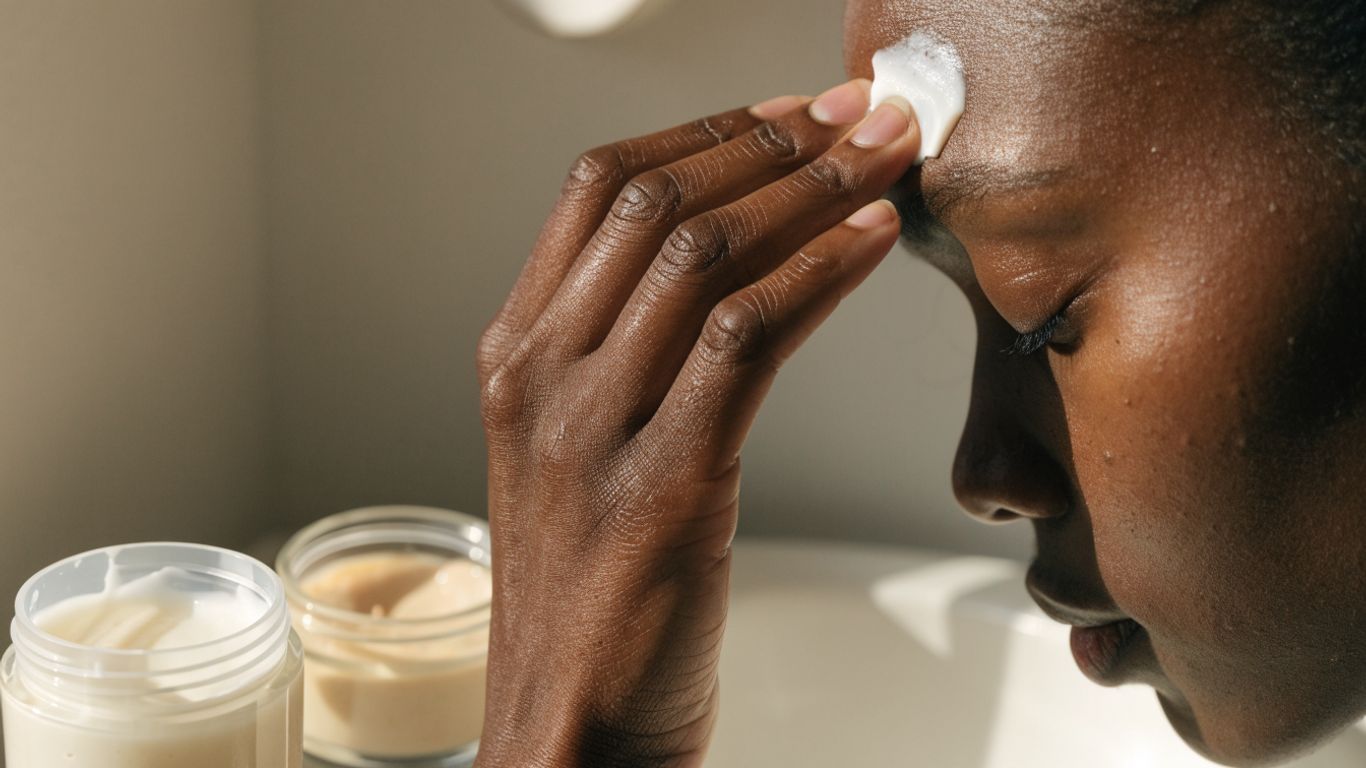
A routine does not need a long list of products to be useful. The basics are a gentle cleanse, enough moisture to keep skin comfortable, consistent acne care, and daily sun protection. Add new steps slowly; irritation can make discoloration harder to manage, especially when skin is already inflamed. Aim for a routine you can keep using, rather than a complicated one you abandon after a week.
Choose a gentle cleanser and moisturizer
Use a mild cleanser that removes sweat, sunscreen, and makeup without leaving your face tight or stinging. Follow with a moisturizer that feels comfortable for your skin; a simple, fragrance-free option may suit people who are prone to sensitivity. Mixed Nature’s barrier-supporting moisturizer guide discusses choosing a moisturizer for acne-prone skin and introducing products gradually. A comfortable skin barrier makes it easier to maintain the rest of your routine without adding unnecessary irritation.
Treat active acne to reduce future discoloration
Preventing new breakouts is part of fading marks, because each inflamed blemish can leave another spot behind. Use acne treatments as directed and give a routine time to work, rather than applying several strong products at once. Try to avoid picking, squeezing, or repeatedly touching blemishes; these habits can add trauma while the skin is healing. If acne is painful, widespread, or leaving scars, a dermatologist can help you find an appropriate treatment plan.
Introduce one brightening ingredient at a time
Starting with one active ingredient makes it easier to notice whether it helps or irritates your skin. A small, gradual routine also gives you a clearer way to troubleshoot if dryness or stinging appears. When building a plan, introduce changes in a simple sequence:
- Keep cleanser, moisturizer, and sunscreen consistent first.
- Add one brightening product at a low frequency, following its label.
- Wait to see how your skin responds before adding another active.
- Reduce use or stop if persistent irritation develops.
This approach is less dramatic than layering several new formulas, but it gives your skin a better chance to adjust. Mixed Nature’s guide to care for melanin-rich skin also covers gentle routines, hydration, and daily sun protection.
Use evidence-based ingredients to fade discoloration
Several topical ingredients may help with acne or the dark marks it leaves, but no single ingredient works for everyone. The best choice depends on what else your skin needs, how sensitive it is, and what you can use consistently. Start with one active, follow the product directions, and keep moisturizer and sunscreen in the routine. Steady use beats intensity when the alternative is irritation that interrupts care.
Consider azelaic acid for acne and dark marks
Azelaic acid is used in skincare for concerns including acne and uneven pigmentation. Some people find it a useful option when both breakouts and lingering spots are part of the picture, though results and tolerance vary. Begin gradually and avoid applying it to broken or already irritated skin. Mixed Nature compares niacinamide and azelaic acid for dark spots and related concerns, including how to introduce treatments alongside sunscreen.
Use retinoids gradually to support skin renewal
Retinoids are vitamin A–related ingredients used in acne care and skin renewal, and they may also help improve the appearance of discoloration over time. They can be irritating, especially when introduced too frequently or combined immediately with other strong actives. Start according to the label or clinician’s advice, and reduce frequency if dryness or peeling becomes persistent. If you are pregnant, trying to become pregnant, or breastfeeding, ask a healthcare professional before using a retinoid.
Choose niacinamide or vitamin C based on your skin’s tolerance
Niacinamide and vitamin C are both common ingredients in products intended to improve uneven-looking tone, but formulas differ and either may bother sensitive skin. Choose one to try first, rather than assuming a higher concentration or more steps will work faster. Use it consistently as directed and stop if you develop ongoing irritation. A product’s overall formula and your own tolerance matter more than chasing a particular ingredient trend.
Protect dark skin from further discoloration
Sun protection is an everyday part of caring for post-acne marks, not only a step for sunny days or beach trips. Ultraviolet exposure can darken existing discoloration and may make it slower to fade. Find a sunscreen you like wearing, since comfort and ease of use affect whether it becomes a habit. Mixed Nature’s sunscreen guide for darker skin offers advice on choosing a formula and building a daily SPF routine.

Select a broad-spectrum sunscreen of SPF 30 or higher
Choose a broad-spectrum sunscreen labeled SPF 30 or higher and apply it as directed. Broad-spectrum means the product is designed to protect against both UVA and UVB rays. A formula that blends comfortably without an unwelcome cast may be easier to use every morning. Sunscreen helps limit additional sun-related darkening, but it does not erase marks on its own.
Look for tinted sunscreen with iron oxides
Visible light can contribute to pigmentation for some people, and tinted sunscreens that contain iron oxides may offer additional protection in this range. Check the ingredient list, because not every tinted formula contains iron oxides. Shade and finish matter too: a tint that is too light, too dark, or uncomfortable may end up unused. If you wear makeup, a tinted sunscreen can also fit naturally beneath or in place of complexion products, depending on your preference.
Reapply sunscreen during extended outdoor exposure
When you spend an extended period outdoors, reapply sunscreen according to the product label, especially after swimming, sweating, or towel-drying. A hat, shade, and protective clothing can add practical support during long days outside. These habits are useful even when you are using a brightening treatment. Keep sunscreen where you will remember it, such as near your morning skincare or in your bag.
Avoid irritation that can make marks darker
Skin that is irritated can become red, sore, flaky, or inflamed, and extra inflammation may lead to more discoloration. This is one reason a gentle plan can be more effective in practice than an aggressive one. Avoid trying to force quick results by scrubbing harder or stacking multiple acids. If your skin becomes uncomfortable, scale back and let it recover before restarting active products.
Skip harsh scrubs and aggressive at-home peels
Rough scrubs and strong at-home peels can damage or irritate the skin, particularly when used too often or layered with other active products. Scrubbing does not lift pigment from deeper layers, and visible flakes are not proof that a treatment is working. Choose gentle cleansing and follow product directions instead of trying to polish dark marks away. For procedures or stronger peels, ask a dermatologist about suitability for your skin and the risk of post-treatment pigment changes.
Patch test new products and increase use gradually
Before applying a new product across your face, test it on a small area according to the product’s directions and watch for irritation. A patch test cannot guarantee that a product will never cause a reaction, but it can help you notice a problem before broader use. If all seems well, start at a modest frequency and increase only as your skin tolerates it. Change one product at a time so you can identify what is helping or causing trouble.
Stop or adjust products that cause burning or persistent peeling
Mild, brief tingling can occur with some products, but strong burning, swelling, or ongoing peeling is a reason to stop and reassess. Rinse off a product if it causes a significant reaction, and seek medical advice if symptoms are severe or do not settle. Once your skin feels comfortable again, consider restarting less often or choosing a gentler option with professional guidance. Continuing through persistent irritation can set back progress by triggering more inflammation.
Know what to expect and when to seek professional care
Post-acne marks rarely fade overnight, and the timeline varies with the depth of discoloration, ongoing acne, sun exposure, and individual skin response. Keep the routine simple enough to follow and assess progress over time rather than judging it day by day. If you are seeing new breakouts or scars, addressing those concerns matters alongside treating the color left behind. Professional care is a good next step when the marks persist or the right approach is unclear.
Set realistic expectations for fading over several months
Flat dark marks often take several months to become less noticeable, and some take longer. Take occasional photographs in similar lighting if you want to track gradual changes; daily mirror checks can make small shifts difficult to see. Continue sun protection while marks fade, and avoid adding stronger ingredients just because results are not immediate. If nothing seems to be changing after a sustained, consistent routine, a dermatologist can reassess the plan.
Ask a dermatologist about treatment options for persistent marks
A dermatologist can distinguish pigment from textural scarring and discuss options based on your skin, acne history, and goals. They may recommend adjusting topical care or considering an in-office treatment, but procedures require careful selection and aftercare. This is especially worth discussing if previous treatments have caused irritation or worsening discoloration. Mixed Nature’s information on hyperpigmentation and treatment options can help you prepare questions for a clinical visit.
Get guidance before using prescription products or procedures
Prescription treatments and procedures are not interchangeable with ordinary over-the-counter skincare, and suitability depends on the person. Ask about likely benefits, risks, aftercare, and how a treatment may affect your skin tone before proceeding. Tell the clinician about products you already use and any past irritation or pigment changes. A personalized plan is safer than borrowing a prescription routine or procedure recommendation from someone else.
Conclusion
Fading post-acne marks on dark skin is usually a gradual process: identify whether the concern is flat discoloration or a scar, prevent new breakouts, introduce compatible ingredients carefully, and protect skin from sun exposure. A gentle routine can support progress without making irritation the price of trying to improve your complexion. If marks persist, change, or affect your wellbeing, a dermatologist can help you choose the next step.
Frequently Asked Questions
How long do post-acne dark marks take to fade?
Many marks take several months to fade, and some last longer. Their timeline depends on factors such as ongoing acne, sun exposure, and individual skin response.
Are flat dark marks the same as acne scars?
No. Flat dark marks are usually changes in pigment, while acne scars alter the skin’s texture or contour. Both can be present at once.
Can sunscreen help post-acne marks fade?
Sunscreen helps protect marks from further sun-related darkening, supporting the rest of a routine. It does not remove discoloration by itself.
Which ingredient is best for post-acne marks on dark skin?
There is no single best ingredient for everyone. Azelaic acid, retinoids, niacinamide, or vitamin C may suit different needs, but tolerance and consistent use matter.
Should I exfoliate dark acne marks?
Avoid harsh scrubs and aggressive at-home peels, which can irritate skin and worsen discoloration. If you are considering exfoliating products, introduce them cautiously and follow their directions.
Can I use several brightening ingredients at once?
It is usually easier to assess tolerance by introducing one active ingredient at a time. Adding several at once can make it difficult to identify the source of irritation.
When should I see a dermatologist about acne marks?
Seek advice if marks are persistent, raised, indented, changing, painful, or bleeding, or if acne is leaving scars. A dermatologist can help distinguish the type of mark and discuss suitable options.