Key Takeaways
Vitamin C can be a useful brightening step for brown skin, but the best choice depends on your sensitivity, skin type, and the kind of discoloration you want to address.
- Look for a formula and strength your skin can tolerate consistently.
- Start slowly, especially if you are new to active ingredients.
- Apply vitamin C to clean, dry skin and follow with moisturizer and sunscreen.
- Treat dark marks patiently; irritation can make uneven tone look more noticeable.
- Daily sun protection helps preserve progress and reduce recurring discoloration.
1. Best overall vitamin C serum for brown skin
The best vitamin C serum for brown skin is not necessarily the strongest one on the shelf. A balanced formula, comfortable texture, and routine you can repeat matter more than chasing a dramatic first impression. Vitamin C is valued for its antioxidant support and brightening potential, but brown skin often benefits from a calm, gradual approach.
When comparing serums, consider the form of vitamin C, the packaging, and the rest of the ingredient list. A simple formula may be easier to introduce alongside cleanser, moisturizer, and sunscreen. The Vitamin C for Black skin guide offers useful background on why the ingredient is commonly used for radiance and dark marks, while keeping morning sun protection in the routine.
Mixed Nature’s vitamin C collection is a natural starting point for readers who want to explore vitamin C alongside inclusive skincare guidance. Whichever serum you choose, apply a small amount after cleansing, then give it time before adding other potentially irritating actives. Consistency beats intensity when your goal is a more even-looking complexion.
2. Best vitamin C serum for sensitive brown skin
Sensitive skin needs a serum that feels manageable from the first use. Stinging, persistent redness, tightness, or peeling are signs to pause rather than push through, particularly because visible irritation can leave brown skin looking more uneven. A lower-strength or gentler vitamin C derivative may be a better entry point than a highly concentrated L-ascorbic acid formula.
Patch testing is sensible, and using vitamin C every other morning can help you understand how your skin responds. Keep the rest of the routine plain while you test it: a mild cleanser, a barrier-supportive moisturizer, and sunscreen are enough. Avoid introducing exfoliating acids or retinoids on the same nights until you know the serum is comfortable.
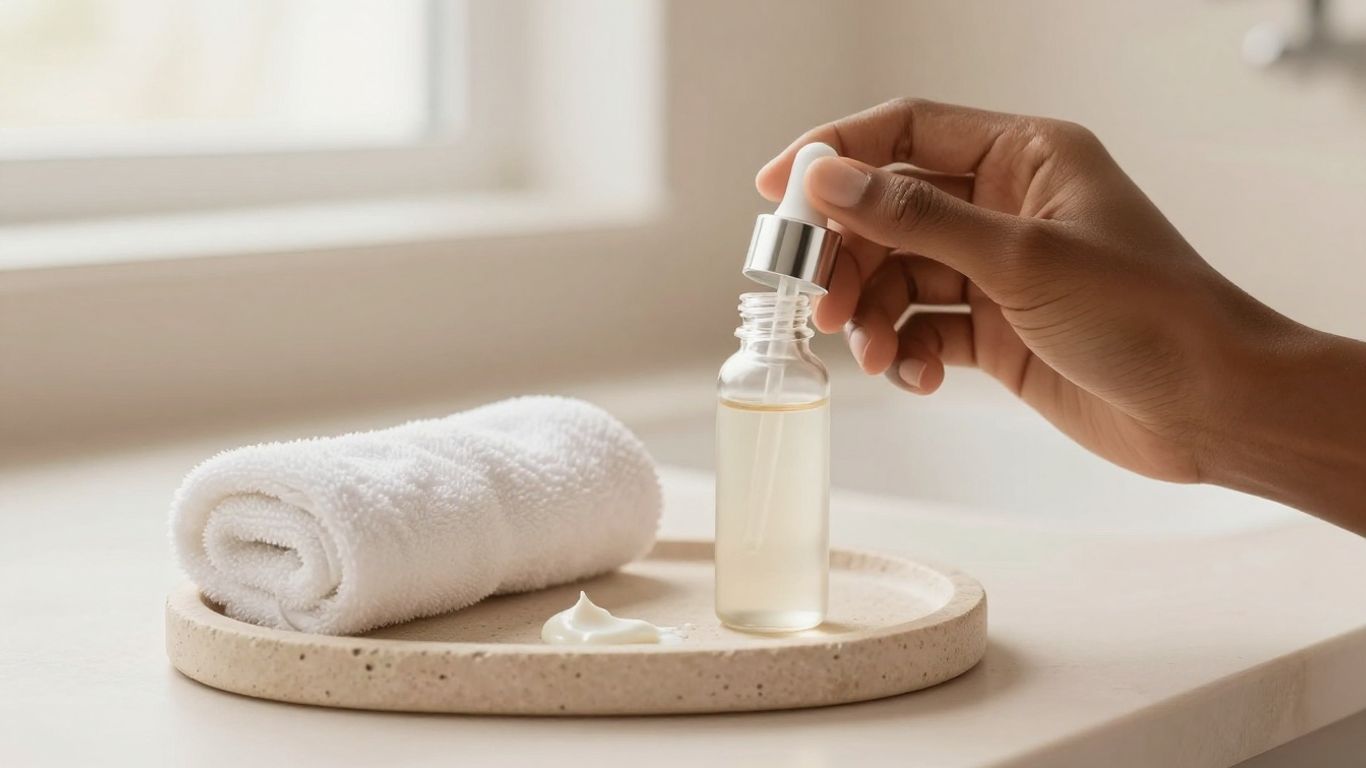
Mixed Nature’s vitamin C collection can help readers compare the role of vitamin C within a broader, melanin-aware skincare conversation. The right product should leave skin comfortable after application, not merely create a brief sensation that it is working. If sensitivity continues, stop the serum and consider professional advice.
3. Best vitamin C serum for stubborn dark spots
Stubborn dark spots rarely disappear from one product alone. They may follow acne, irritation, insect bites, or other inflammation, and the original trigger can continue creating new marks while older ones fade. Vitamin C may support a brighter, more even-looking tone, but progress is usually measured over weeks and months rather than days.
For comparison, the most useful differences between serums are often practical rather than glamorous. Use this quick guide to match the formula’s general profile to your tolerance and routine:
| Serum consideration | Often suits | What to watch for |
|---|---|---|
| Gentle vitamin C derivative | Sensitive or new users | Results may feel gradual |
| Moderate-strength formula | Regular skincare users | Avoid stacking too many actives |
| L-ascorbic acid formula | Experienced users | Low-pH formulas may sting |
| Antioxidant blend | Users wanting broader support | Check the full ingredient list |
The table is a starting framework, not a promise of results. If a spot is not changing, reassess the cause, application frequency, and sunscreen use instead of automatically increasing strength. A medically reviewed acne-scar guide for brown skin can also help distinguish post-inflammatory hyperpigmentation from true textural scarring.
4. Best vitamin C serum for post-inflammatory hyperpigmentation
Post-inflammatory hyperpigmentation, often shortened to PIH, is the darkening that can remain after a blemish or other irritation settles. It is especially frustrating when the skin feels healed but the mark remains visible. Vitamin C can fit into a routine aimed at a more uniform appearance, provided the formula does not cause new irritation.
Start with clean, dry skin and use only a few drops. Follow with moisturizer if your skin feels dry, and finish your morning routine with broad-spectrum sunscreen. This matters because sunlight can deepen the appearance of existing discoloration and make it harder to judge whether your routine is helping.
Do not use a fresh breakout as a reason to apply more serum or scrub harder. Treat active acne gently, introduce one change at a time, and give each product enough time to show whether it belongs in your routine. If the marks are spreading, recurring without an obvious trigger, or resisting a careful routine, a dermatologist can help identify other options.
5. Best gentle vitamin C serum for beginners
Beginners usually do best with a simple serum that fits into habits they already have. Use it in the morning after cleansing, then apply moisturizer and sunscreen. Starting two or three mornings per week gives you a clearer read on tolerance than applying it several times a day.
Avoid building a complicated routine around the new product. On vitamin C mornings, keep other active ingredients limited, especially exfoliating acids, benzoyl peroxide, or retinoids if you are not already using them comfortably. A gentle formula is only gentle in practice when the complete routine remains manageable.
After a few weeks, assess comfort, dryness, and the appearance of uneven tone. If everything feels calm, you can gradually use the serum more often according to its instructions. If your skin becomes rough or reactive, step back to moisturizer and sunscreen until the barrier feels normal again.
6. Best vitamin C serum for oily or acne-prone brown skin
Oily or acne-prone skin may prefer a lightweight serum that layers cleanly under moisturizer and sunscreen. Vitamin C does not replace acne treatment, and it should not be used to justify aggressive cleansing. A comfortable, non-heavy texture can make morning use easier without turning the routine into a battle against natural oil.
Look for a formula that dries without leaving a sticky film, then observe how it behaves with the rest of your products. If congestion or irritation appears, reduce frequency and check whether another new product is involved. Acne-related marks also need prevention: picking and repeated inflammation can keep creating the discoloration you are trying to fade.
A short routine is often easier to maintain than a crowded one. These habits can keep a vitamin C step practical for oilier skin:
- Cleanse without scrubbing or over-stripping.
- Apply a small amount to fully dry skin.
- Use a light moisturizer when needed.
- Finish with sunscreen every morning.
That sequence supports consistency without promising that vitamin C alone will clear acne or marks. For sunscreen ideas that suit darker, oil-prone skin, explore this guide to comfortable sunscreens for oily skin. The best serum is still the one you can wear without worsening dryness, shine, or breakouts.
7. Best vitamin C serum for dry or dehydrated skin
Dry or dehydrated skin often needs more cushioning around an active serum. Vitamin C can be followed by a hydrating layer, moisturizer, and sunscreen, rather than left to sit on skin that already feels tight. If cleansing leaves your face squeaky or uncomfortable, address that issue before judging the serum.
Humectants can help draw water into the outer layers of skin, while creams and occlusive ingredients help reduce moisture loss. Add one supporting product at a time so you can tell what improves comfort. A serum that looks excellent on paper is not a good fit if it consistently leaves your skin rough or tight.
Use vitamin C less often if dryness appears, and avoid pairing it with several exfoliating products during the adjustment period. Gentle application, adequate moisturizer, and regular sunscreen create a more forgiving setting for gradual brightening.
8. Best budget-friendly vitamin C serum for brown skin
A budget-friendly serum should still have clear directions, sensible packaging, and a texture you will actually use. Price alone does not tell you how stable a formula is or whether it will suit your skin. Compare the concentration, form of vitamin C, size, and return policy rather than assuming the most expensive option is automatically better.
You can keep the surrounding routine affordable too. A gentle cleanser, basic moisturizer, and reliable sunscreen may do more for long-term comfort than adding several extra brightening products. If the serum is new to you, buying the smaller size can be a practical way to test tolerance before committing.
Mixed Nature’s vitamin C collection is another place to browse vitamin C guidance without treating skincare as one-size-fits-all. Store vitamin C according to the label, watch for changes in color or smell, and avoid keeping it in a hot, sunny bathroom. Thoughtful use helps a modest purchase earn a regular place in your routine.
9. Best vitamin C serum with additional brightening ingredients
Some serums combine vitamin C with other ingredients associated with a more even-looking complexion. Niacinamide, azelaic acid, and tranexamic acid are common examples in broader hyperpigmentation routines, though they do not all belong in one formula or suit every person. More brightening ingredients do not automatically mean faster results.
If a serum contains several actives, introduce it slowly and keep the rest of your routine uncomplicated. Pay attention to fragrance, exfoliating ingredients, and the overall feel of the product, not just the headline ingredient. Readers interested in another targeted option can review this guide to azelaic acid for dark spots, particularly when comparing gradual introduction and routine compatibility.
When using more than one brightening treatment, alternate them rather than applying everything at once. This makes irritation easier to identify and reduces the temptation to keep adding products when progress feels slow. Sunscreen remains essential, because an unprotected morning routine can work against efforts to improve uneven tone.
10. Best dermatologist-recommended vitamin C serum for brown skin
There is no single dermatologist-recommended serum that suits every person with brown skin. A dermatologist considers the cause of discoloration, sensitivity, acne, medications, and the condition of the skin barrier before recommending a routine. Product selection should follow that assessment rather than the strength of a marketing claim.
Professional guidance is especially useful when darkening is sudden, widespread, painful, itchy, or paired with changing moles or persistent inflammation. It can also help when several months of careful use produce no meaningful change. Bring the names of your products and a simple timeline of when the marks appeared to the appointment.
Mixed Nature’s vitamin C collection can sit alongside professional advice as an educational starting point, not a substitute for diagnosis. Choose a formula you can use comfortably, introduce it gradually, and protect your skin every morning. Those modest steps are more dependable than repeatedly switching products in search of an instant fix.
Conclusion
The best vitamin C serum for brown skin is the one that supports brightening without creating a cycle of irritation. Start with a tolerable formula, keep the rest of your routine gentle, wear sunscreen consistently, and give post-inflammatory marks time to fade.
Frequently Asked Questions
Is vitamin C safe for brown skin?
Vitamin C is generally used safely across skin tones, including brown skin, when introduced gradually and used as directed. Irritation can worsen the appearance of discoloration, so stop or reduce use if burning, peeling, or persistent redness develops.
What strength of vitamin C should beginners use?
Beginners may prefer a lower-strength formula or a gentler vitamin C derivative. Use it a few mornings per week at first, then increase only if your skin remains comfortable.
Can vitamin C fade dark spots?
Vitamin C may help support a brighter, more even-looking complexion and can be part of a routine for dark marks. Results vary, and sunscreen plus treatment of the original cause are important for preventing recurring discoloration.
Should vitamin C be used in the morning or at night?
Many people use vitamin C in the morning before moisturizer and sunscreen. It can also be used at night if that fits your routine, but avoid combining too many potentially irritating actives at once.
Can vitamin C cause hyperpigmentation?
Vitamin C itself is not usually intended to cause hyperpigmentation, but irritation from a product can trigger or intensify post-inflammatory discoloration. Reduce frequency or stop use if your skin becomes inflamed.
How long does vitamin C take to improve uneven tone?
Visible changes often take several weeks or longer, depending on the cause and age of the discoloration. Consistent use and daily sun protection are more useful than applying a larger amount.
Can vitamin C be used with other brightening ingredients?
It can sometimes be combined with other brightening ingredients, but introducing several products together makes irritation more likely and troubleshooting harder. Add one product at a time and consider alternating stronger treatments.