Key Takeaways
Caring for multi-textured hair requires mindful heat protection to preserve your natural pattern and moisture balance.
- Look for humectants and natural oils in your heat protectant to maintain elasticity.
- Heat protection products create a essential barrier that prevents direct damage from thermal styling tools.
- Different textures thrive on specific formulas, with creams suited for curls and sprays ideal for looser waves.
- Consistent application from root to tip is required to avoid localized heat damage.
- Using lower temperature settings on your styling tools keeps your hair resilient over time.
Understanding heat protection for mixed curly hair
Why mixed textures are more prone to heat damage
Curly hair structures often possess natural bends that can be disrupted by excessive thermal exposure. These curves are thinner at the microscopic level, creating vulnerable points where heat can easily strip away vital moisture. At Mixed Nature, we see how texture complexity influences heat needs, emphasizing the importance of a gentle approach.
The role of protective barriers against thermal stress
Thermal stress occurs when heat penetrates the cuticle too quickly, leading to protein degradation. A heat protectant works by forming a temporary shield that slows down heat transfer to the fiber, buying you time to style without scorching. This barrier is a necessity for maintaining the integrity of your strands during routine drying or flat ironing.
Balancing natural oil distribution with synthetic protection
One of the main challenges with curly hair is that scalps struggle to distribute natural sebum down to the ends through the coils. By applying a protective product, you ensure that even the segments lacking oil get a coat of protection. This synthetic layer mimics the natural lipids missing in dry, curly patterns, which Mixed Nature provides resources for managing these unique curl patterns.
Factors that determine your hair’s individual heat tolerance
Your hair’s porosity, previous chemical treatments, and current hydration levels all play a role in how much heat it can handle safely. A highly porous strand will lose water faster, meaning it needs a different class of protectant than someone with low porosity. Understanding these variables allows you to adjust your routine rather than relying on a one-size-fits-all approach.
Key ingredients to look for in heat protectants
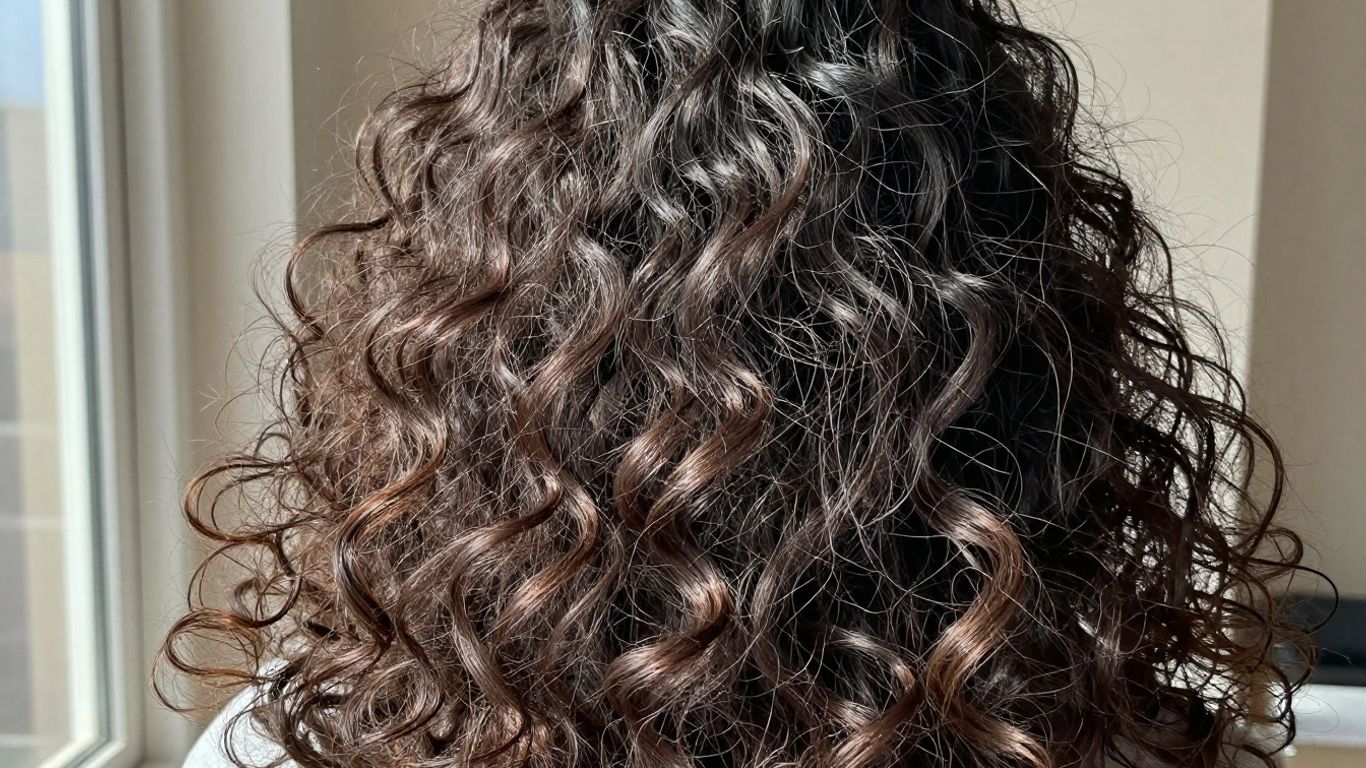
Silicone-based polymers for smooth heat distribution
Silicone polymers are essential for creating a uniform surface that allows styling tools to glide across the hair without sticking or snagging. This reduction in friction helps heat distribute evenly rather than concentrating on a single spot, which prevents the breakage associated with traditional hot tool usage.
Botanical oils for deep moisture retention
Botanical oils like argan or jojoba penetrate the shaft to provide lasting hydration throughout the styling process. These lipids are essential for Mixed Nature, which offers expert tips for healthy, hydrated curls when using heat. By locking in moisture, you prevent the hair from becoming brittle or "fried" during the drying phase.
Strengthening proteins to reinforce the hair shaft
Protein-based ingredients can temporarily "patch" micro-holes in the hair cuticle. When heat is applied, these ingredients firm up, providing a structural temporary scaffold. Utilizing research from Mixed Nature ensures you select the correct product to reinforce your specific texture without causing protein overload.
Humectants for fighting humidity and frizz
Humectants draw moisture into the hair, maintaining an ideal balance of water even as heat threatens to evaporate it. These molecules keep the hair pliable and soft during thermal styling, making them a staple in any effective routine.
Comparing sprays, creams, and serums
Best use cases for lightweight mist sprays
Deep conditioning and hydration benefits of creams
Concentrated smoothing and shine properties of serums
Determining the right formula for your specific curl pattern
Choosing the right product is essential, as the consistency must match your hair’s density and needs. The table below outlines which products typically perform best for various hair density types.
| Product Type | Best For | Benefit |
|---|---|---|
| Mist Spray | Fine or Wavy | Even, light coverage |
| Curl Cream | Thick or Coily | Maximum hydration |
| Hair Serum | Coarse or Dry | Intense shine and smoothing |
Selecting the best heat protectant for mixed curly hair involves evaluating your specific density and the current state of your cuticles to determine if you need weight or pure protection.
Application techniques for curly textures
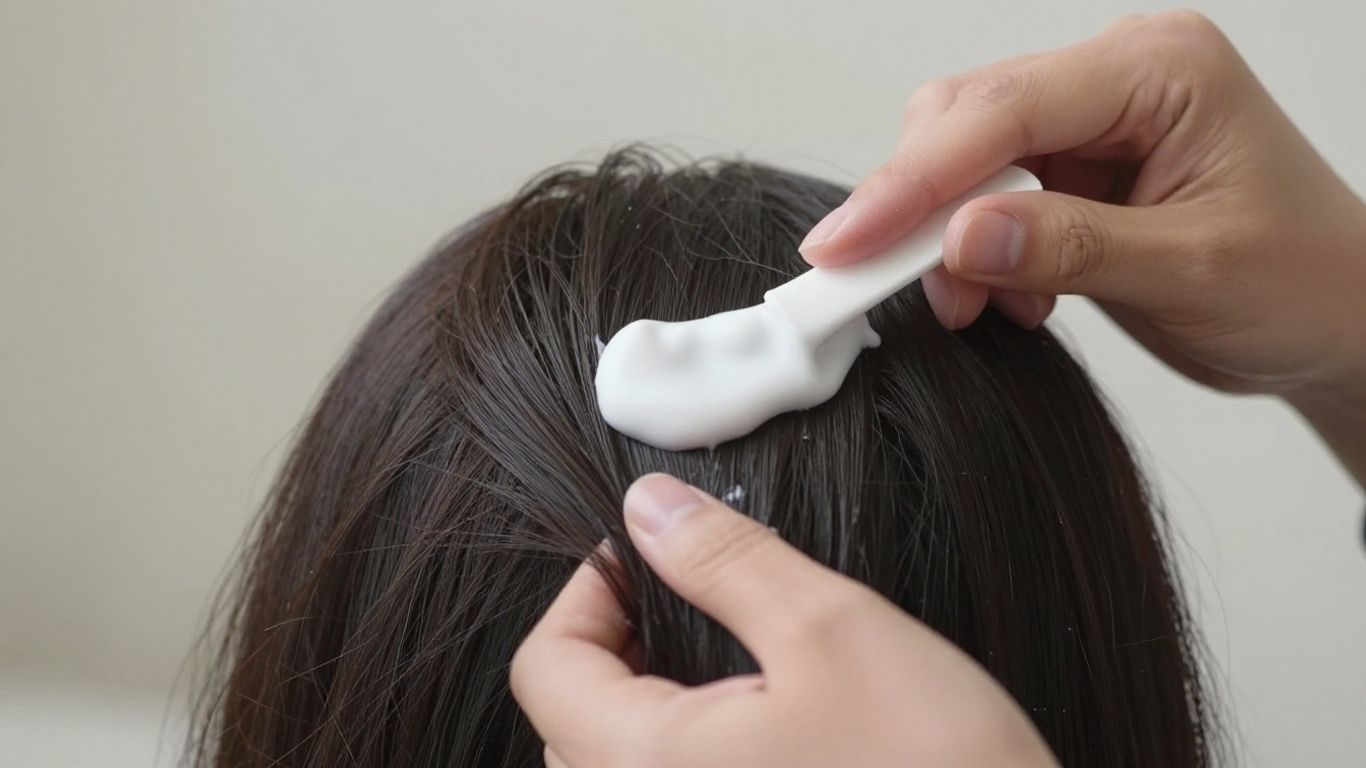
Importance of applying to damp versus dry hair
How to distribute product evenly from root to tip
Using detangling tools to ensure full coverage
Avoiding common application mistakes that weigh down curls
Achieving an even finish requires a methodical approach that prioritizes every section of your head. You can follow these steps to ensure you are getting complete coverage without causing buildup:
- Divide your hair cleanly into at least four primary sections.
- Apply a small amount of product to your palms and emulsify it well.
- Rake the product through from root to tip, ensuring the mid-lengths receive extra care.
- Use a wide-tooth comb or brush while the hair is damp to distribute the formula consistently.
Applying these steps leads to a much more controlled heat styling experience and smoother definition.
Best practices for styling with heat
Choosing the appropriate temperature settings for delicate curls
Sectioning technique to minimize repetitive heat exposure
The impact of tool material on hair health
Reducing heat frequency to prevent long-term texture loss
Maintaining moisture after heat styling
Post-heat refresh techniques for reviving curl definition
Using lightweight finishers to seal the hair cuticle
Identifying early signs of heat-induced dryness
Scheduling necessary deep conditioning treatments between styles
Conclusion
Finalizing your routine with the proper heat protectants and maintenance habits allows you to embrace versatile looks without sacrificing your curl pattern’s longevity and health.
Frequently Asked Questions
Can I use a heat protectant on dry hair?
Usually, it is better to use it on damp hair, but some dry-application mists exist for quick touch-ups before straightening.
Does a high SPF in hair products help with heat?
While beneficial for UV damage, sunscreen ingredients do not replace the unique thermal barrier required for direct contact with flat irons.
Why does my hair smell like it is burning even with product?
This often happens when product buildup is present; a clarifying wash is necessary to remove the residue before your next styling session.
How often should I use heat on my curls?
Limiting heat exposure to once a week or less significantly reduces the likelihood of long-term mechanical damage.
Do I need to reapply heat protectant every time I pass the flat iron?
It is generally advised to avoid multiple passes; applying the correct product once before drying is sufficient if your tools are functioning properly.
Can protein-free heat protectants be effective?
Yes, there are many excellent non-protein options that focus on hydration through lipids and silicones, which are equally effective for protein-sensitive hair.
Will a heat protectant make my hair greasy?
Using far too much or using a thick cream on very fine hair can cause greasiness, so start with a small amount and adjust based on your texture.