Key Takeaways
Finding the right products for your skin tone transforms your daily routine into a celebration of your natural radiance. Here are the essential tips for mastering makeup for golden undertones:
- Identify undertones using jewelry, veins, and paper tests to ensure accuracy.
- Focus on warm-toned foundations that resist oxidation throughout your day.
- Use peach, coral, and terra-cotta hues to bring out natural skin warmth.
- Prioritize color theory to neutralize dullness rather than hiding textures.
- Choose metallic finishes in bronze and earth tones for a cohesive look.
Identifying your golden undertones
The white paper test
To discover your skin’s true needs, hold a plain white piece of paper against your clean, bare skin in natural lighting. Often, skin that leans golden will show hints of yellow or peach compared to the stark white of the paper. This simple check helps differentiate between cool, neutral, and warm complexions, ensuring you pick colors that truly harmonize with your skin.
Observing vein coloration
Take a close look at the underside of your wrists where veins are most visible. If they appear distinctly green rather than blue or purple, it is a primary indicator of warm, golden undertones. This visual cue is a classic starting point for those looking to understand their natural color palette without relying on professional shade-matching services.
Jewelry preference and metallic testing
Your jewelry preference often mirrors your skin’s underlying temperature. If gold necklaces and rings make your skin appear vibrant and glowing, you likely possess a warm, golden complexion. Conversely, if silver feels harsh or flat, it confirms a need for warm-hued cosmetics that enhance your natural light.
How golden tones differ from olive undertones
Golden undertones radiate warmth, whereas olive complexions often include a subtle greenish or greyish tint. Understanding this difference is crucial because putting an overly yellow foundation on olive skin can lead to an unnatural, muddy appearance. Recognizing your specific depth allows you to select yellow undertone foundation shades that sit perfectly on your skin barrier.
Selecting the perfect foundation match
Understanding warm vs. neutral-golden pigments
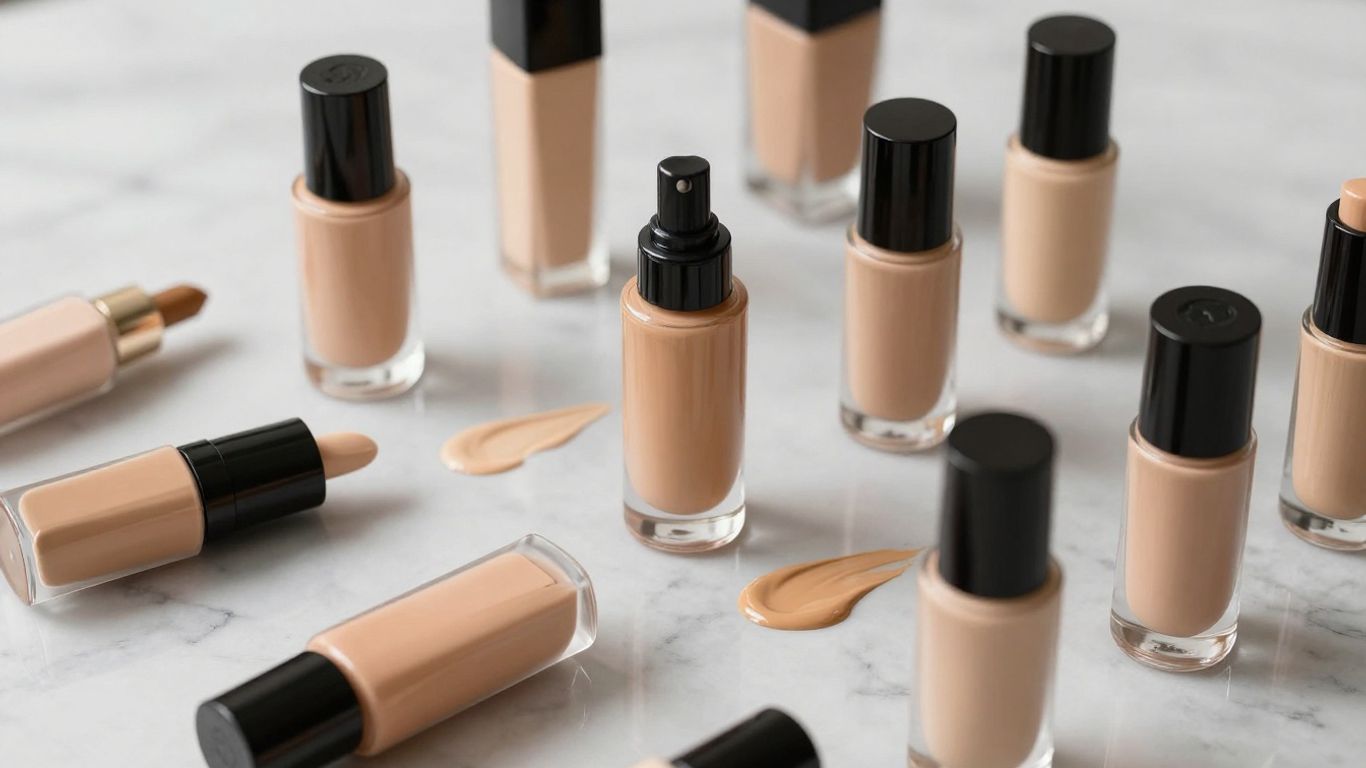
Warm-golden pigments possess a high level of yellow base, which is distinct from the balanced tones found in neutral products. Many users find their perfect foundation match by isolating these warm pigments that lift the skin rather than dulling it. Selecting high-quality formulas like the options mentioned in our top foundations for golden undertones will help maintain vibrancy all day long.
Best testing methods for facial application
Swatch your potential shades along your jawline or neck area instead of the back of your hand to ensure a seamless color transition. Testing products like specific perfect foundation options helps you observe how the pigment reacts to your skin’s surface oils over time. Always ensure the match blends into the collarbone for the most polished, deliberate result.
Oxidation and how to choose shades that stay color-true
Oxidation happens when pigments react with your natural face oils and air, sometimes turning products orange after a few hours. To prevent this, test your chosen product for a full day before committing to a purchase. Choosing high-performance brands like Makeup Forever or Iman Cosmetics often provides more color-true results, as these formulations are designed to resist the shift in hue that plagues lower-quality cosmetics.
Matching foundation depth to seasonal tan variations
Skin depth fluctuates with sun exposure, meaning your base shade might need subtle adjustments between seasons. When you seek out foundations with golden undertones to stay ahead of the weather, look for formulas that remain buildable and blendable. This flexibility allows you to mix different depths during transitional months, ensuring your makeup stays as consistent as your skin’s changing requirements.
Enhancing golden skin with blush and bronzer
Warm peach and coral blush recommendations
Blushes with warm-peach or coral bases naturally enliven golden complexions by picking up the underlying warmth of the skin. Applying these shades acts as an extension of your natural glow, especially during afternoon light. Avoiding cool-toned pinks keeps the look unified and prevents the face from appearing disjointed or patchy.
Deepening skin warmth with golden-toned bronzers
Bronzers should aim to mimic how the sun hits your high points, rather than just contouring your bone structure. If you choose a bronzer with a slight golden or honey shimmer, it highlights your texture rather than hiding it under a flat, matte veil. This approach ensures your makeup looks effortlessly radiant and sun-kissed every single time you apply it.
Avoiding ashiness in shimmering highlighters
Highlighters are a great way to add brightness, but they must be chosen with intention to avoid looking ashy or grey. The table below outlines how to select finishes that harmonize with golden skin tones.
| Highlight Finish | Tone Profile | Best for Occasion |
|---|---|---|
| Champagne Gold | Light/Warm | Daily Office Wear |
| Rich Bronze | Medium/Deep | Evening Events |
| Copper Glow | Vibrant/Warm | Summer Outdoor Nights |
Selecting finishes that reflect light back onto the skin ensures you look lifted and focused rather than chalky.
Strategic placement for a natural glow
Strategic placement involves focusing color where the light reflects most naturally, such as the highest points of your cheeks and the bridge of your nose. To achieve a professional finish, you might follow these steps:
- Apply cream products with a dabbing motion to maintain texture.
- Layer powder bronzer lightly over cream to lock in the glow.
- Focus the brightest highlighter just above the blush line.
- Soften the edges of your bronzer for a truly blurred finish.
This deliberate placement ensures your natural features remain the star of the show.
Choosing eyeshadows that complement golden warmth
Working with earth tones and bronze pigments
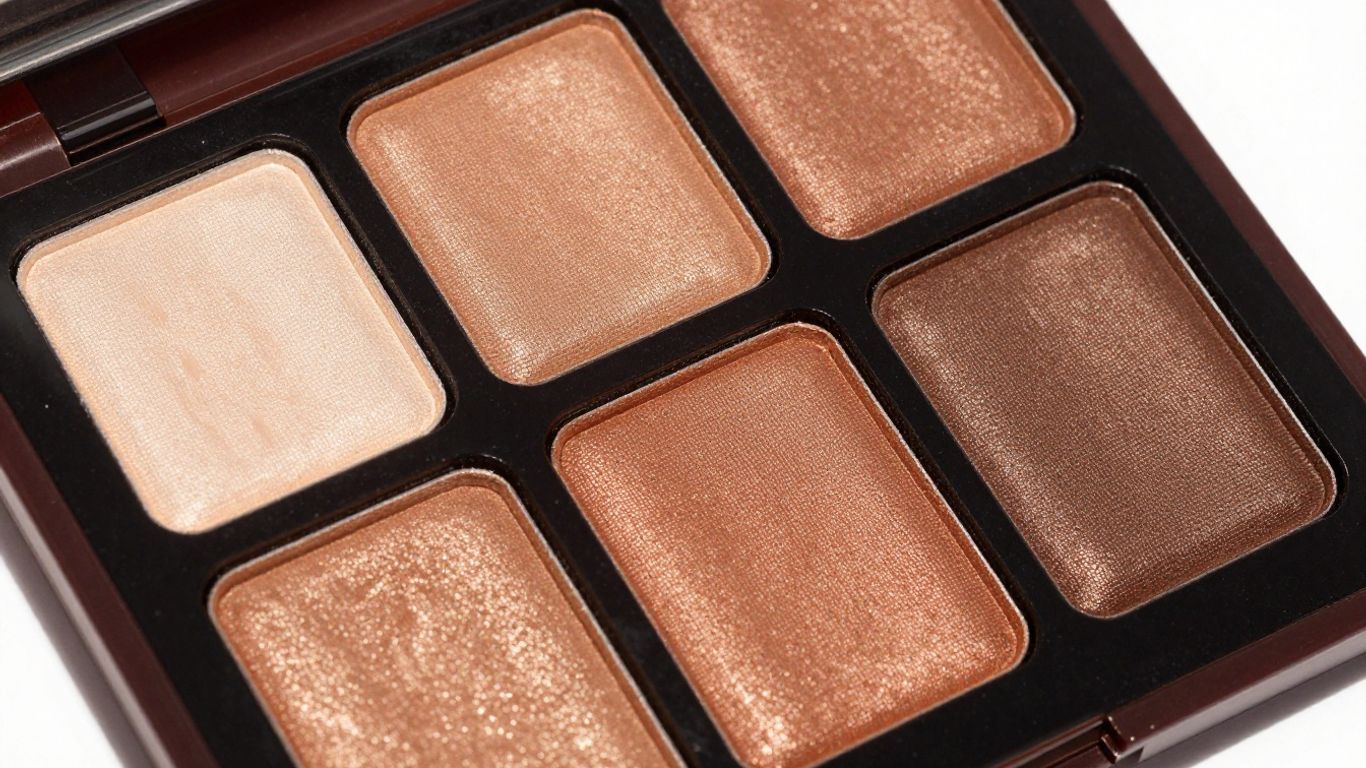
Earth tones, including terracotta, sienna, and deep chocolate, are staples for anyone with golden skin. Using bronze pigments adds a metallic finish that reflects the natural warmth of your complexion, making your eyes pop without needing extreme intensity. These pigments anchor your look and provide a grounded, sophisticated base for any transition in lighting.
Creating contrast with rich jewel tones
Emerald greens and royal purples create a stunning, high-contrast look when paired with warm skin tones. Bringing in these colors requires a thoughtful balance so they do not overpower your features, but they definitely offer an exciting alternative to standard neutral palettes. The richness of these jewel tones complements the depth of golden skin remarkably well.
Which colors to avoid to prevent a washed-out look
Steer clear of icy blues or pale lavenders, as these cool-toned shades often clash with golden undertones and drain your natural vitality. These colors tend to sit on top of the skin rather than integrating, creating a look that feels forced and muted. Stick to warmer palettes to maintain the harmony of your overall aesthetic.
Blending techniques for metallic eyeshadow finishes
Blending is the most critical step when working with metallic finishes to ensure they don’t look patchy on the eyelid. Use a fluffy brush to diffuse the edges, ensuring the pigment settles evenly along the lid crease and brow bone. For deeper techniques, take a look at the video below for a demonstration of precise shadow application.
Lip color selection for golden complexions
The power of brick reds and terracotta
Brick reds and terracotta provide the perfect bridge between a neutral lip and a bold statement, specifically because their base is so grounded in warmth. These colors appear almost natural but carry enough depth to frame your face effectively. They are excellent for daily wear, pairing seamlessly with both casual outfits and more formal attire.
Finding nude lipsticks with warm undertones
Nude lipsticks are best when they mirror the depth of your skin without drifting into cool-toned taupe or grey. Seek out shades labeled as honey or warm beige, which prevent the lips from looking washed out or flat. A well-chosen warm nude acts as the perfect anchor for a full-glam eye look or a simple no-makeup aesthetic.
Complementary lip glosses and finishes
High-shine glosses and crème finishes enhance the fuller appearance of your lips, particularly when they contain golden or copper reflective particles. These finishes draw light toward the center of your face, subtly adding volume and dimension. Avoid flat, matte formulations if you feel your lips need an extra boost of vitality.
Balancing bold statement colors with warm skin
Balance is essential when wearing bright, bold lip colors on skin with strong golden undertones. Focus on warm-toned reds, oranges, or deep plums, as they move effectively with the warmth in your face. If you opt for an intense hue on the lips, consider keeping the eyes slightly more neutral to ensure the focus remains cohesive and refined.
Color theory basics for daily makeup application
The role of color wheels in neutralizing imperfections
Color wheels are vital tools for understanding how to neutralize specific skin concerns like dark circles or unwanted dullness. By identifying a hue opposite to your concern, such as a peachy tone for blue-toned dark circles, you can correct rather than just conceal. This scientific approach helps you achieve a clean base with less product buildup.
Transitioning makeup looks from day to night
Transitioning your look doesn’t always require starting over from scratch. You can deepen your daytime neutral look by pressing a darker bronze pigment into the lash line or adding a slightly richer gloss to your lips. These minor adjustments allow you to evolve your style while maintaining the integrity of your base.
Mixing products to adjust base warmth
Sometimes an existing product might be slightly off in tone, but mixing it with a warmer bronzing drop or a golden-toned moisturizer can save the product. This practice of layering and blending is the mark of a pro, ensuring your foundation remains perfectly attuned to your shifting skin needs. It encourages a deeper look into the systemic way we view grievance as status in fashion and beauty trends, reminding us that aesthetic choices are deeply personal.
Utilizing undertone-friendly color correctors
Color correctors are not one-size-fits-all; they must specifically address your undertone to work effectively. For golden skin, avoid green correctors unless dealing with significant, specific redness, as they can sometimes turn the skin look sallow. Stick to peach, salmon, and orange-toned correctors, which will blend into your golden base with ease.
Conclusion
Embracing your natural golden undertones is about finding the shades that celebrate your skin rather than competing with it. By mastering the art of warm-toned selections for your foundation, eyes, and lips, you can easily curate a look that feels authentic and looks genuinely brilliant in any setting.
Frequently Asked Questions
How can I tell if my skin is golden or just tanned?
Golden undertones are consistent year-round, whereas a tan will fade after being away from the sun. You can perform the jewelry test to see if gold jewelry consistently looks better on your skin regardless of how much sun you have had recently.
Can people with golden undertones wear cool-toned lipsticks?
While you can wear whatever makes you feel confident, cool-toned lipsticks might tend to look a bit disconnected from warm skin. If you find a cool shade you love, try blending it with a warm-toned lip liner to soften the transition.
Why does my foundation always look orange?
Foundation looking orange is usually a sign of oxidation, where the pigments react with your skin’s oils or pH. Try looking for long-wear formulations or applying a setting powder to see if it locks the color in place more effectively.
What is the most versatile eyeshadow color for warm skin?
Bronze or a warm, medium brown is incredibly versatile because it mimics the natural shading of warm skin types. These colors work well for both casual daytime meetings and elaborate evening events.
Should I use color correctors if my foundation has full coverage?
Even with full coverage, color correctors can help prevent you from needing to cake on too much product. They allow you to neutralize specific problem areas so your base can remain thin and skin-like.
Is it possible to have neutral-golden undertones?
Many people fall into the neutral-golden category, meaning they are not exclusively warm or cool but lean slightly toward yellow. If you find that both gold and silver jewelry look fine, but gold looks slightly better, this is likely your category.
How do I keep my makeup from looking muddy?
If your makeup looks muddy, you might be using products that are too dark or have an undertone that does not match your skin. Ensure your bronzer is a warm-toned shade and that your foundation is precisely matched to your jawline in natural sunlight.