
Key Takeaways
Finding a balanced regimen for complex skin requires nuance and patience. These key points summarize how to maintain health without sacrificing comfort.
- Identify if your skin cycle is triggered by environmental shifts or internal habits.
- Focus on pH-balanced products that work with, not against, your natural barrier.
- Prioritize zoning strategies to treat oily T-zones and dry cheeks differently.
- Introduce new products gradually to monitor for reactive flare-ups.
- Protect the skin moisture barrier as the foundation of your long-term health.
Understanding the nuances of sensitive combination skin
Transitioning to a dedicated sensitive mixed skin routine requires acknowledging that your face is not a monolith. The geography of your skin changes based on diet, weather, and stress levels, making it difficult to rely on one-size-fits-all solutions. Treating your complexion with care requires observing how different zones react to your current environment.
Identifying your skin’s primary triggers
Your skin often signals distress through localized redness or sudden breakouts rather than uniform changes. Monitoring these signals can help you understand environmental stressors like dry indoor heating or excessive humidity that prompt sebum overproduction. Many users find internal guidance through resources like the Wanna’s contests planning guide to mirror the precision needed when adjusting your personal wellness habits.
Differentiating between hormonal oiliness and dryness
Fluctuations in skin texture often align with your internal biological rhythm, manifesting as peak oiliness when inflammation rises. Understanding this duality helps in prioritizing skin health as a consistent practice rather than a reactive measure. Recognizing these shifts allows you to adjust your approach without over-stripping areas that are simply in a transitional state.
Why the skin microbiome matters for sensitivity
A healthy skin environment thrives when the microbial population remains stable and protected against harsh chemical stripping. Keeping the acid mantle intact provides the ultimate defense against external pollutants and internal sensitivities.
Maintaining this delicate balance is crucial for those whose complexion feels perpetually unpredictable. Supporting this ecosystem avoids the cycle of damage that so often plagues reactive skin types.
Gentle cleansing strategies for mixed zones
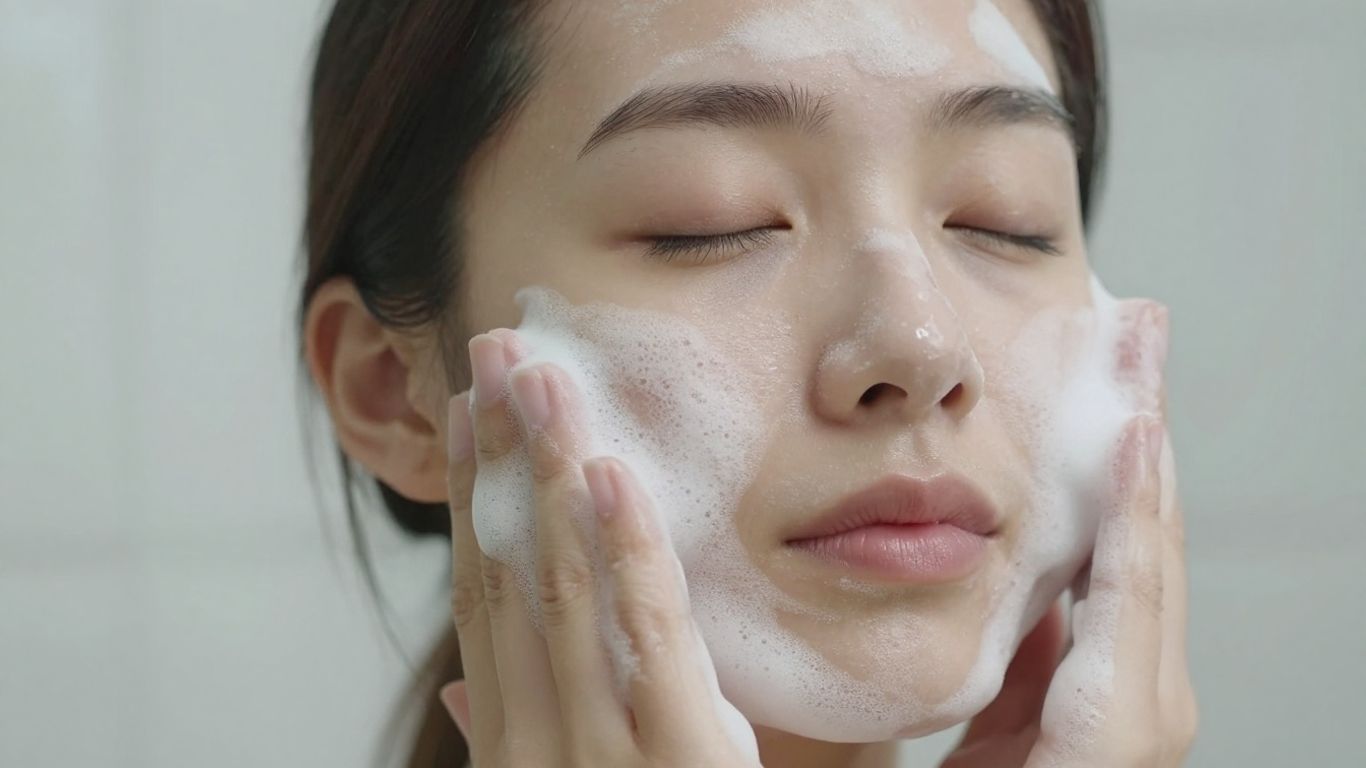
Effective cleansing starts by removing debris without destroying the protective surface proteins of your skin. Because mixed zones vary in moisture levels, your method needs to be tailored to respect the local environment of the T-zone versus the perimeter. Focusing on gentle movement and lukewarm water temperature prevents the unnecessary agitation that triggers widespread redness.
Selecting pH-balanced, non-comedogenic cleansers
Using a skincare routine that avoids stripping agents ensures that your skin remains calm after every rinse. Look for formulas that contain surfactants designed for high compatibility, ensuring that your pores stay clear while the rest of your skin retains hydration. This balanced approach is essential for long-term health.
Implementing a double-cleansing method correctly
Double cleansing is highly effective at dissolving long-wear makeup and daily impurities without harsh scrubbing. This method ensures that the final rinse leaves nothing behind but a clean base, ready for the next steps of your evening, much like how one might handle London’s black cab drivers with a specialized driver-first philosophy. A clean base is always the most effective start for sensitive complexions.
Managing water temperature to prevent redness
Hot water is a common culprit for reactive skin, as it strips natural oils and expands small capillaries. Rinsing your skin with lukewarm water acts as a preventative measure, specifically for those prone to rosacea-like symptoms or chronic dryness. Consistency here helps maintain your skin’s baseline stability.
Targeted treatment for oily and dry areas
Zoning your treatment allows for the precision that sensitive mixed skin demands. Instead of applying one serum to every part of your face, you can curate your application to ensure that the forehead gets oil-control while the cheeks get deep replenishment. This is how you optimize the efficacy of your daily routine.
Applying hydration where it is needed most
Dry zones, usually located on the cheeks or around the eyes, require water-binding ingredients that act fast. Using a skincare routine guide tailored to your specifics can help you pinpoint if your dryness is environmental or deeper. Effective hydration should feel refreshing without being heavy.
Using sebum-regulating serums without stripping the skin
You need to manage oil without forcing your T-zone into a state of panic-driven overproduction. The following table identifies which areas benefit from specific treatment strategies:
| Area of Face | Target Concern | Suggested Focus |
|---|---|---|
| T-Zone | Excess Sebum | Niacinamide Serums |
| Cheeks | Tightness | Hyaluronic Acids |
| Jawline | Potential Breakouts | Spot Balancing Acids |
Selecting the right agents in these categories is vital for maintaining comfort throughout the day.
Spot treatment techniques that respect your skin barrier
When blemishes occur in sensitive zones, generic spot treatments are often too aggressive. Applying clinical-grade treatments like those identified in the Power BI reports security documentation emphasizes that testing and segmentation matters for results. By isolating active treatments to a single point, you minimize the risk of total-face inflammatory flare-ups.
Choosing the right moisturizer for reactive skin
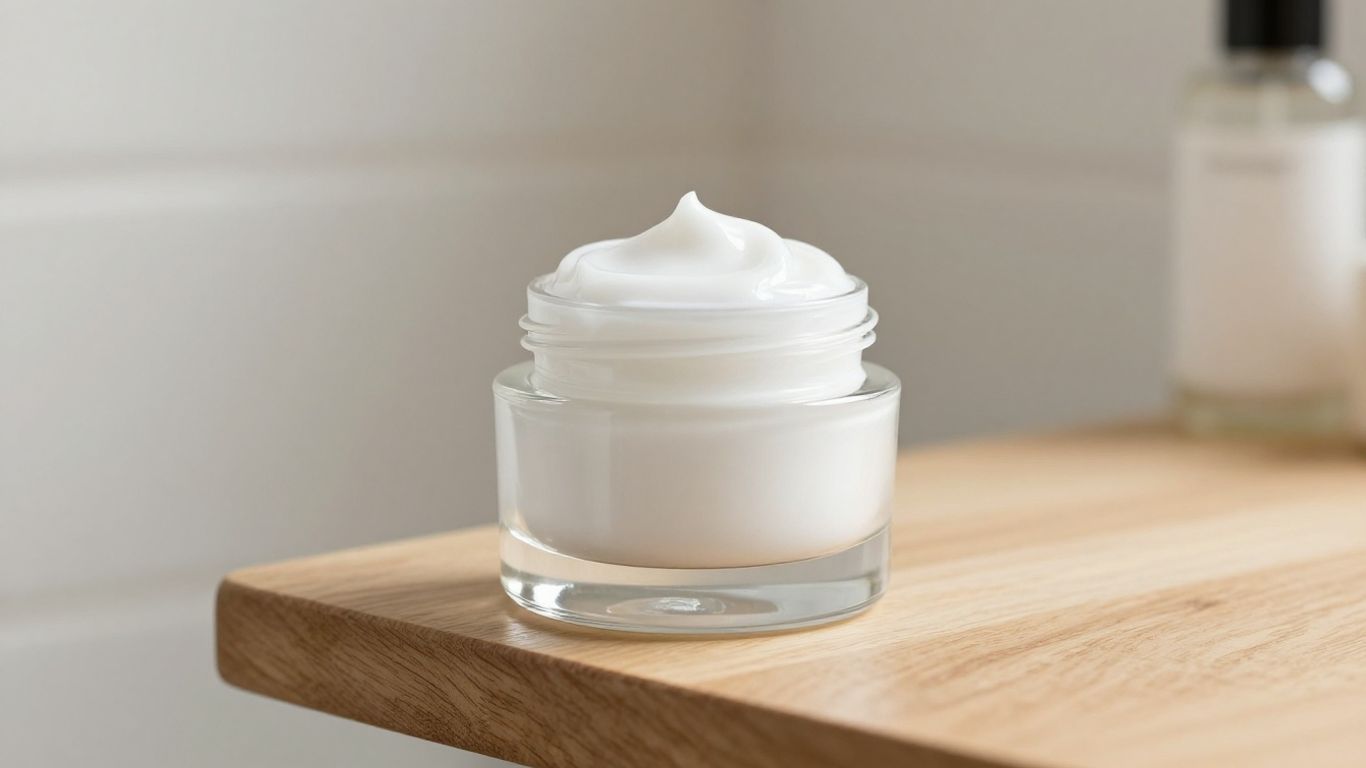
Finding a moisturizer that bridges the gap between light oil control and heavy hydration is the hallmark of a successful routine. Reactive skin requires formulations that are non-irritating, focusing on restoring the barrier while managing textures. You want a product that feels like a weightless layer of support.
Gel-based formulations for the T-zone
Gel moisturizers absorb quickly, leaving a matte finish that prevents unwanted shine. These are perfect for the forehead and nose, where the skin needs moisture but cannot tolerate heavy occlusives. They work harmoniously with your skin’s natural oil output during the day.
Cream-based hydration for peripheral dryness
Dry cheeks often require a denser cream that creates a lasting seal for moisture retention. This allows the skin to remain supple throughout the winter months or in dry office environments. Balancing these two textures ensures overall comfort.
Ingredients that soothe while balancing oil production
Many users find that searching for the ultimate skincare routine includes identifying ingredients like ceramides that calm active inflammation. These calming agents work silently to ensure that your skin stays balanced, preventing the erratic response often seen in mixed-type complexions.
Essential sun protection for sensitive complexions
Sun protection is non-negotiable, but for sensitive skin, it can be the most challenging step. Finding a formula that doesn’t trigger stinging or congestion is key to daily compliance. A good sunscreen should act as a comfortable shield.
Mineral versus chemical sunscreen for sensitive skin
Mineral blockers like zinc or titanium are generally preferred for sensitive skin because they sit on top of the skin rather than absorbing into it. This physical barrier approach is less likely to trigger heat-activated reactions, commonly discussed in an expert-approved skincare guide from dermatology resources.
Lightweight textures that do not clog pores
Look for sunscreens that use fluid technology to spread easily without feeling thick or waxy. These formulas offer broad protection while remaining virtually invisible, ensuring that your skin can breathe comfortably while keeping UV damage at bay.
Best practices for reapplication without irritation
Reapplication often puts the skin at risk of rubbing-induced redness. Patting or misting protection over existing coverage allows you to replenish your shield without the abrasive friction of reapplying thicker layers mid-day.
Weekly maintenance and balancing treatments
Consistent maintenance ensures your skin isn’t just surviving but thriving. Balancing your weekly schedule allows for deeper treatments that rejuvenate your complexion while preventing the buildup of dead skin cells that can lead to congestion.
Exfoliating gently without causing inflammation
Exfoliation should never feel like a chore; it is an act of gentle renewal. Consider these habits to ensure your weekly session remains safe:
- Perform your exfoliation in the evening to allow for overnight recovery.
- Opt for chemical exfoliants instead of physical scrubs to protect skin integrity.
- Focus exfoliation primarily on the T-zone where dead cells accumulate faster.
- Limit usage to two times per week to prevent damage to the outer layer.
Following these steps ensures that you are actively building a healthier, brighter complexion.
Incorporating hydrating masks for recovery
After a long week, a hydrating mask acts as a reset button for parched cheeks. These masks provide a concentrated dose of moisture that helps re-establish the barrier of your skin. It is a productive way to treat your face with the same care as one would apply to marketing with Google Shopping, ensuring your efforts are visible and effective.
How to test new products to avoid inflammatory flare-ups
Patch testing is a critical step often overlooked. Apply a small amount of new product behind the ear for 24 hours to monitor for sensitivity before committing it to your entire face. This simple act of caution saves your complexion from unnecessary trauma.
Ingredients to embrace and others to avoid
Understanding what goes into your bottles is as important as the routine itself. Some ingredients act as protective allies, while others consistently destabilize the sensitive environment of your face. By becoming an ingredient-conscious consumer, you protect your skin’s future health.
Soothing botanicals that support the skin barrier
Natural extracts such as oat and chamomile are excellent for calming redness and acting as a cushion for your skin. These ingredients support the barrier function and are generally well-tolerated even by the most sensitive skin types. They provide immediate relief from environmental irritation.
Common preservatives to flag for sensitive skin
Some preservatives, used to keep products shelf-stable, can be triggers for those with sensitive skin. Familiarizing yourself with these names allows you to navigate the label with confidence, choosing formulas that preserve the product without hurting your complexion. Knowledge is your most frequent ally here.
Why fragrances and essential oils can cause reactions
Fragrances are among the top causes of dermatitis and localized redness in reactive complexions. Essential oils, while popular, are potent and can be highly irritating when used indiscriminately on sensitive skin. Choosing fragrance-free labels ensures that you are avoiding unnecessary chemical noise.
Conclusion
Achieving a healthy balance with sensitive combination skin is a journey that rewards curiosity and observation rather than rigid adherence to industry standards. By focusing on gentle, targeted hydration and listening to the specific, varied needs of your T-zone and cheeks, you can cultivate a complexion that feels comfortable, clear, and truly thriving. Remember that the healthiest approach is one that allows for flexibility while keeping your skin’s long-term environmental and biological integrity at the forefront of every daily ritual.
Frequently Asked Questions
How often should I exfoliate sensitive combination skin?
Exfoliating once or twice a week is usually sufficient for sensitive combination skin, allowing for renewal without irritation.
Can I use different moisturizers for my T-zone and cheeks?
Yes, using a light gel on the T-zone and a richer cream on the cheeks is an effective strategy for targeted balance.
Is it normal for my skin to feel tight after cleansing?
Feeling tight after cleansing is a sign the product is too harsh; opt for a milder, pH-balanced cleanser to avoid this.
Should I avoid all chemical sunscreens if my skin is sensitive?
While not all chemical sunscreens are problematic, mineral ones are less likely to cause irritation, making them a safer primary choice.
What are the main signs that a product is irritating?
Signs include persistent redness, stinging, or the sudden appearance of itchy bumps shortly after product application.
How long does it take to see results from a new routine?
Most skin cycles take about four to six weeks to reflect changes in a specific routine, so patience is key for long-term health.
Is it necessary to double cleanse every single night?
Double cleansing is most beneficial at night to remove makeup, sunscreen, and daily pollutants effectively, but once-daily cleansing remains standard for many.