Key Takeaways
Properly caring for olive skin requires a thoughtful routine that addresses unique pigmentation and textural concerns common to these complexions. By utilizing targeted active ingredients and consistent sun protection, you can maintain a healthy and vibrant appearance.
- Identify olive undertones through skin analysis, not just surface color.
- Prioritize gentle exfoliation to manage hyperpigmentation without causing inflammation.
- Use mineral sunscreens to protect against sun-induced dark spots daily.
- Incorporate antioxidants for long-term brightness and barrier health.
- Balance active treatments with hydration to maintain skin resilience.
Understanding olive skin undertones
When exploring the nuances of your complexion, it becomes clear that olive skin is more than just a surface color. Many people with this tone find it challenging to select the right makeup or skincare, often feeling that products never quite look natural. Understanding the specific qualities of your skin allows you to move past trial and error and build a regimen that supports your natural glow.
Identifying if you have an olive undertone
Olive skin is frequently misunderstood as having green skin, but it is actually a unique interplay of colors that creates an earthy or muted overtone. A helpful way to explore your complexion involves checking how you react to the sun; those with olive skin typically tan much more readily than they burn. Look at the veins on your wrists or inner arms to see if they lean toward a teal or greenish hue, which often signals an olive balance.
The difference between surface tone and undertone
There is a meaningful distinction between surface tone—the color you see when looking in a mirror—and the underlying tone that influences how products settle. While your surface tone might change slightly with exposure to light or seasonal shifts, your undertone remains constant. Recognizing this helps you avoid common pitfalls, such as choosing foundations that turn orange or grey after oxidization.
Why olive skin requires a unique approach
Olive complexions have a specialized structure that is both resilient and sensitive to specific triggers. Because these tones sit in a middle ground, they have unique requirements for achieving radiant skin and managing texture. The goal is to maximize the natural health of your barrier while keeping inflammatory responses under control.
Common skin concerns for olive complexions
Navigating the world of skin health with an olive complexion often means dealing with concerns that are uniquely suited to our tone. While we are often less prone to fine lines early on, the skin can exhibit a high level of reactivity to trauma. Addressing these challenges effectively is a pillar of developing a routine that keeps the face looking fresh and clear.
Managing post-inflammatory hyperpigmentation
Post-inflammatory hyperpigmentation is a common struggle for those with richer olive tones, often appearing as lingering dark marks after minor breakouts or scratches. This reactive nature makes it vital to treat the skin with extreme care. When dealing with these spots, consistent long-term gentle care is significantly more successful than harsh, one-time interventions.
Balancing oil production and hydration
The moisture balance in olive skin can swing between oily and dehydrated depending on environmental factors. Using a balanced approach ensures you keep sebum in check without stripping the protective lipids. Maintaining this equilibrium requires a stable routine that emphasizes lightweight humectants and non-comedogenic emollients for health.
Preventing dark spots and uneven texture
Preventing unevenness is a daily task that encompasses both protection and active correction. Below is a breakdown of simple daily habits for preventing texture concerns:
| Practice | Benefit | Frequency |
|---|---|---|
| Evening Cleansing | Removes environmental debris | Daily |
| SPF Application | Prevents UV-induced darkening | Every morning |
| Serum Application | Balances pigment production | Twice daily |
These practices collectively ensure your skin surface remains smooth and clear of unwanted discoloration or uneven patches.
Sensitivity to environmental stressors
Environmental factors like pollution, heat, and humidity are constant stressors that can leave the skin looking dulled or irritated. Building a strong routine involves bolstering the skin’s defense against these elements. Protecting the barrier allows your natural color to shine through without interference from external damage.
Essential ingredients for radiant olive skin
Selecting the right ingredients starts with knowing what your skin needs to thrive. Focus on building a toolkit of actives that support brightness and cellular renewal without causing excessive stress. Integrating these components into your life requires patience, as well as a focus on results that emerge over time.
Targeted brightness with vitamin C
Vitamin C is a foundational antioxidant for brightening and protecting against environmental dullness. When used regularly, it helps to keep the complexion vibrant and clear, providing a necessary layer of defense every morning. It remains one of the most effective ways to support an even tone.
Managing pigmentation with niacinamide
Niacinamide is a versatile powerhouse for regulating oil production and smoothing out texture. It is particularly well-suited for olive complexions because it is generally non-irritating, meaning it addresses redness and dark spots without triggering the inflammatory response that often leads to more hyperpigmentation.
Exfoliating gently with alpha hydroxy acids
Gentle chemical exfoliation with alpha hydroxy acids, like lactic or glycolic acid, is essential for removing dead skin cells safely. By keeping the surface texture refined, these ingredients help prevent blockages and encourage light reflection, which enhances that characteristic olive glow. Always start with a low concentration to monitor how your skin reacts.
Utilizing retinol for cellular turnover
Retinol is the gold standard for long-term skin health, promoting faster cell turnover to keep the complexion looking fresh. For those with olive skin, utilizing a lower-frequency application allows you to enjoy the benefits of improved texture and tone management while keeping sensitivity to an absolute minimum.
The role of sun protection for olive skin
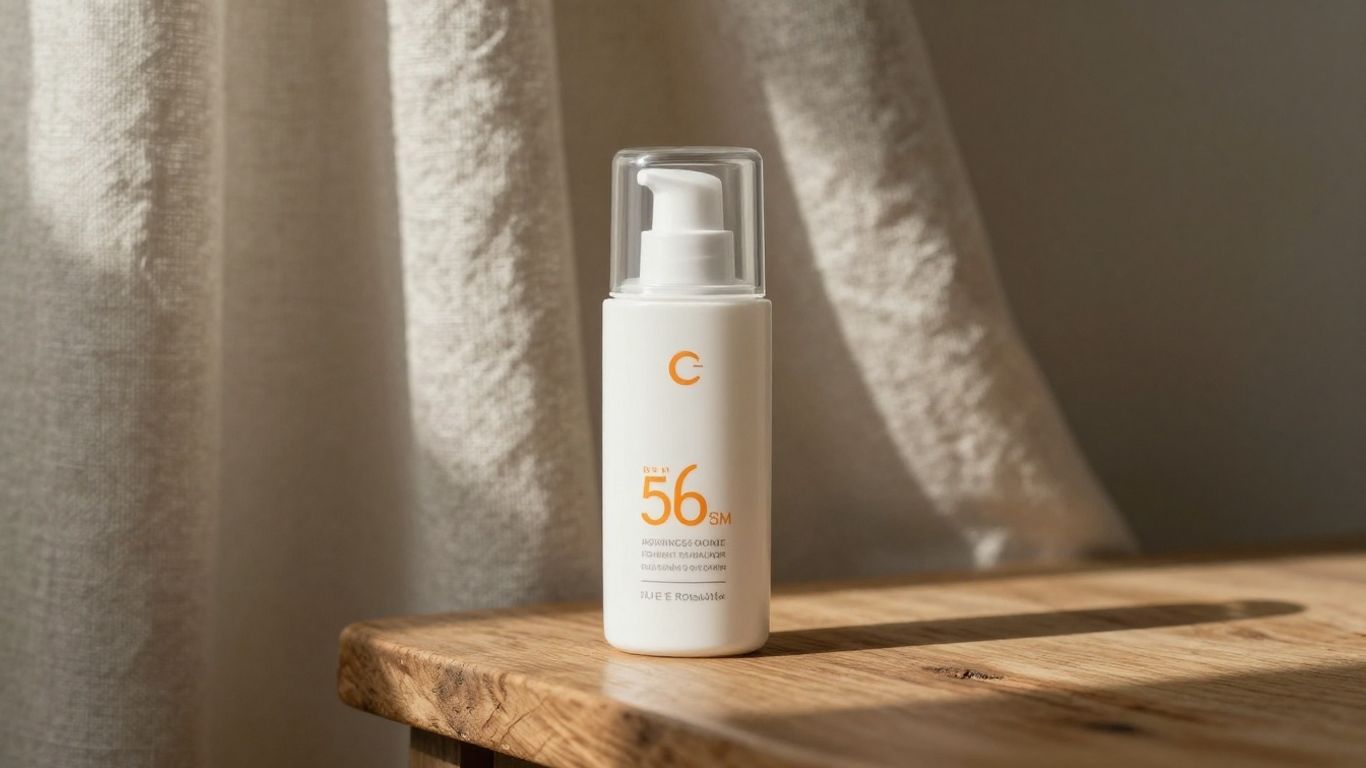
Sun protection is non-negotiable for anyone looking to maintain an even complexion, especially those with olive undertones who are prone to dark spots. While the skin may not burn immediately, UV light triggers melanin production that can lead to long-lasting pigmentation issues. Integrating SPF into your morning regimen is the best way to safeguard your progress.
Why mineral sunscreens are often preferred
Mineral formulas containing zinc oxide or titanium dioxide provide a physical barrier that reflects rays rather than absorbing heat. This is often preferred because it prevents the slight increase in skin temperature that can trigger hyperpigmentation in sensitive tones. Choosing these options keeps the area cool and protected.
Preventing the white cast on deeper tones
Finding a mineral sunscreen that does not leave a chalky residue is purely a matter of seeking out tinted or micronized formulas. A sheer, tinted sunscreen often disappears into the complexion more naturally, ensuring you feel comfortable applying the full required amount of protection. Protecting the skin should never come at the cost of your confidence.
Understanding how UV exposure worsens hyperpigmentation
UV radiation is the primary culprit behind the deepening of acne scars and existing dark spots. Even short periods of sun exposure can signal the skin to produce more pigment as a defense mechanism, turning a small mark into a much larger aesthetic concern. Relying on daily SPF usage is essential to stop this cycle.
Building a balanced daily skincare routine
Consistency is the catalyst for any successful transformation in your skin health. A good routine does not need to be complicated, but it should be tailored to address the unique way your face balances oil, hydration, and pigment. By keeping things simple and repetitive, you create a standard that your skin can rely on every single day.
Developing a simple morning cleansing regimen
The morning routine should focus on cleansing away nighttime debris and preparing the face for the day ahead. Using a gentle, low-pH cleanser helps maintain your barrier while readying the surface for your antioxidants and SPF. A clear, calm start significantly reduces the risk of inflammation throughout the day.
Establishing an effective evening recovery plan
Evening is the time for deep repair, starting with thorough cleansing to remove sunscreen and pollutants. This is the ideal moment to introduce your active treatments, such as niacinamide or retinol, allowing them to work while you sleep. Here are a few steps for your recovery routine:
- Double cleanse to remove all makeup and SPF.
- Apply water-based serums to provide long-lasting hydration.
- Layer a nourishing moisturizer to lock in active ingredients.
These steps ensure that your barrier stays intact and that you wake up with skin that feels refreshed rather than stripped or dry.
Incorporating periodic treatments and masks
Adding a weekly mask or exfoliant treatment can help deep clean pores and manage any stubborn texture issues or dryness. Choose products that focus on hydration or soothing botanicals to avoid disrupting the progress you have made during the week. These extra steps provide a moment of care for yourself and your skin.
Professional treatments versus at-home care
While a consistent home routine is the foundation of skin health, there are times when professional intervention can offer faster results. Decisions regarding these treatments should be made with a dermatological approach in mind. Balancing high-intensity procedures with a supportive daily regimen is key to avoiding unnecessary trauma.
Benefits of chemical peels for olive tones
Chemical peels offer a way to resurface the skin and address pigment concerns more deeply than at-home exfoliants. When performed by a professional, these peels are tailored to the thickness and sensitivity of olive skin, helping to lift away stubborn spots while stimulating collagen. This allows for a smoother, more radiant complexion over time.
Risks of laser therapy for deeper complexions
Laser therapy must be approached with caution in deeper olive tones, as heat-based devices carry a risk of triggering unwanted inflammation or dark patches. It is essential to consult with an expert who understands the unique risks for our specific skin structure. Proper preparation usually involves avoiding sun and using brighteners for weeks before the procedure begins.
Combining professional facials with daily maintenance
Routine professional facials help manage ongoing issues like pore congestion or dullness that might be difficult to clear at home alone. A professional can also guide you on when to scale your home routine up or down, ensuring that your skin stays healthy and balanced throughout the seasons. This combined approach is the most effective way to sustain long-term improvements.
Conclusion
Caring for olive skin is a rewarding journey that connects you deeply with the unique patterns of your own body. By prioritizing gentle, consistent habits and respecting the skin’s reactive nature, you can naturally enhance your natural tone and maintain a vibrant, healthy complexion for years to come.
Frequently Asked Questions
Why does my makeup look grey when I apply it?
This often happens when the foundation base is too cool or too neutral, which clashes with the subtle green or warm undertones of olive skin. Using a foundation with a more olive-leaning or yellow pigment can help neutralize this effect and restore a more natural look.
Does olive skin really age differently?
People with olive complexions often retain more elasticity, which can mean that fine lines take longer to appear compared to lighter tones. However, the skin is still susceptible to sun damage, which remains the number one cause of premature visible aging over time.
How often should I exfoliate if I have olive skin?
Exfoliation should be gentle and generally limited to two or three times a week for most people. If you notice any redness or irritation, scale back immediately, as excessive exfoliation can quickly trigger the hyperpigmentation that many with olive undertones are prone to.
Are there specific foods that help olive skin?
Generally, focusing on anti-inflammatory, antioxidant-rich foods like leafy greens, berries, and omega-3 fatty acids supports skin health from the inside out. There is no magic food, but a balanced diet keeps your overall skin inflammation levels lower.
Why does my acne leave dark spots every time?
This is called post-inflammatory hyperpigmentation, a very common reaction in olive skin where the body overproduces melanin in response to even minor inflammation. The best approach is to treat breakouts early and gently to minimize the trauma caused to the skin surface.
Can I use retinol if I have sensitive skin?
Yes, but it is important to start with a very low concentration and apply it perhaps only once or twice a week to start. By layering it with moisturizer—or using it after—you can mitigate potential irritation while still benefiting from the cellular renewal it provides.
Should I avoid the sun completely?
Complete avoidance is not necessary, but you should practice safe exposure habits, including wearing protective clothing and wide-brimmed hats. Daily SPF protection is the most effective way to enjoy the outdoors while keeping your complexion balanced and preventing future pigmentation issues.