Here are the main points to remember for keeping your mixed hair hydrated during dry weather. These tips will help you manage dryness and keep your hair healthy.
Key Takeaways
- Daily spritzing with water-based sprays can revive dry hair throughout the day.
- Regularly deep condition and use hydrating shampoos and conditioners.
- Seal in moisture using natural oils or lotions to prevent dryness.
- Minimize heat styling and protect hair from harsh environmental factors.
- A healthy diet and staying hydrated internally supports hair moisture.
Understanding Mixed Hair in Dry Weather
The Impact of Dry Air on Hair
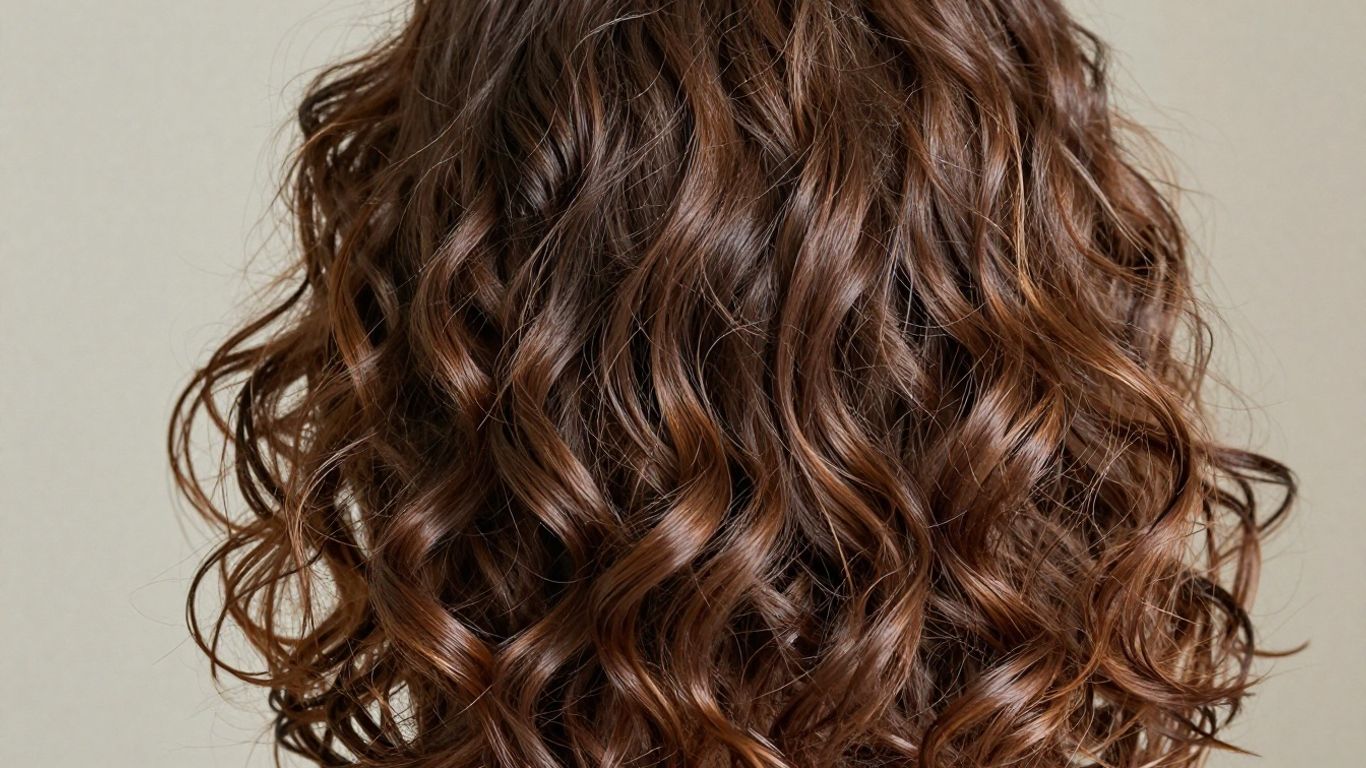
Dry air, especially during colder months or in arid climates, can really do a number on your hair. Think of it like a sponge; when the air around it is dry, it starts to pull moisture from whatever it can, and unfortunately, that includes your hair. This can leave your strands feeling brittle, looking dull, and even prone to static. It’s like your hair is constantly thirsty, and the environment isn’t offering it a drink. This moisture loss is the primary culprit behind many common hair woes in dry conditions.
Why Mixed Hair Needs Special Care
Mixed hair, often characterized by a combination of textures or porosity levels within the same head of hair, presents a unique challenge when the weather turns dry. Some sections might be more prone to dryness and breakage, while others might struggle to absorb moisture effectively. This inconsistency means a one-size-fits-all approach just won’t cut it. You need strategies that cater to these different needs, ensuring every strand gets the hydration it requires without being weighed down. It’s about balancing the needs of finer, straighter sections with coarser, curlier parts, all while battling the dehydrating effects of the air. Finding the right products can feel like a quest, but it’s worth it for healthy hair. For instance, understanding your hair’s porosity can help you choose products that work best for your specific hair needs.
Recognizing Signs of Dehydration
So, how do you know if your hair is crying out for moisture? There are a few tell-tale signs. First off, if your hair feels rough to the touch, almost like straw, that’s a big indicator. You might also notice an increase in frizz, even if you don’t typically deal with it. Split ends can become more frequent, and your hair might lose its natural shine, appearing dull and lifeless. Another common sign is increased static electricity, making your hair fly away unexpectedly. If you’re seeing any of these, it’s time to amp up your hydration game.
- Rough texture
- Increased frizz
- More split ends
- Dull appearance
- Static electricity
Sometimes, the simplest solutions are the most effective. Paying attention to how your hair feels and looks is the first step in figuring out what it needs. Don’t underestimate the power of observation when it comes to hair care.
Daily Hydration Strategies
Keeping your mixed hair happy and hydrated day-to-day is super important, especially when the air is dry. It’s not just about what you do in the shower; it’s about consistent care. Think of it like watering a plant – a little bit often keeps it thriving.
The Power of Daily Spritzing
One of the simplest, yet most effective, ways to combat dryness is by misting your hair daily. Grab a spray bottle filled with plain water or a hydrating leave-in conditioner spray. A quick spritz can instantly revive your strands, especially if you’re dealing with dry indoor heat. It’s a fast way to add a bit of moisture back into your hair without a whole lot of fuss. This is especially helpful if you’re trying to maintain your hairstyle between washes. You can even mix a few drops of a lightweight oil into your spray for an extra boost of hydration. It’s a game-changer for keeping frizz at bay and your hair feeling soft.
Incorporating Scalp Treatments
Don’t forget your scalp! A dry scalp can lead to flakiness and can even affect hair growth. Before bed, try massaging a natural oil, like jojoba or almond oil, into your scalp for a few minutes. This not only feels relaxing but also helps increase blood flow, which nourishes your hair roots. It’s a great way to moisturize your scalp and keep it healthy, which in turn supports healthier hair. Some people find that a good scalp serum can really target dryness and dandruff effectively.
The Sandwich Moisture Method
This method sounds a bit quirky, but it really works for locking in moisture. The idea is to layer different products to create a moisture barrier. You start with a water-based leave-in conditioner, then apply a cream or oil, and finally, seal it all in with a gel or pomade. This multi-layer approach helps keep your hair hydrated for longer periods. It’s like giving your hair a protective shield against the dry air. You can adjust the products based on your hair’s needs, but the layering is key to its success. It’s a fantastic technique for ensuring your mixed hair stays soft and manageable throughout the day, even in harsh weather conditions. If you’re looking for a way to keep your hair moisturized for extended periods, this method is worth trying. You can find great moisturizing hair products that work well with this technique.
Washing and Conditioning for Dryness
When your mixed hair is feeling parched, especially during dry weather spells, how you wash and condition it makes a big difference. It’s not just about getting clean; it’s about adding moisture back in, not stripping it away. The goal is to cleanse gently while infusing your strands with hydration.
Avoiding Over-Washing
Think about how often you really need to wash your hair. If you’re washing it every single day, you’re probably stripping away all those natural oils that keep your hair soft and protected. For most people with mixed hair, especially in dry conditions, washing every 2-3 days, or even less, is usually plenty. Listen to your hair; if it doesn’t feel greasy or dirty, give it a break between washes. This simple change can make a huge difference in preventing dryness and keeping your hair feeling better overall. It’s a small adjustment that really helps maintain your hair’s natural balance.
Choosing Hydrating Shampoos and Conditioners
When you do wash, pick your products wisely. Look for shampoos that are labeled as hydrating or moisturizing. Sulfate-free formulas are generally a good bet because sulfates can be quite harsh and strip moisture. Ingredients like shea butter, glycerin, aloe vera, and various natural oils are your friends here. For conditioner, you want something rich and creamy. Consider applying your conditioner before your shampoo sometimes; this technique allows the conditioner to really sink into your hair before the shampoo cleanses it. It might sound backward, but many people find it helps keep their hair from feeling stripped. You can find some great sulfate-free options to help maintain moisture and prevent dryness. This routine will help maintain moisture.
The Role of Deep Conditioning Treatments
Regular conditioner is great, but deep conditioning is where the real magic happens for dry hair. Think of it as a super-boost of hydration. You should aim to do a deep conditioning treatment at least once a week, maybe even more if your hair is feeling particularly thirsty. You can buy specialized deep conditioners, or even make your own using natural ingredients like coconut oil, olive oil, or avocado. Applying heat, like with a warm towel or a shower cap, can help the treatment penetrate even deeper. It leaves your hair feeling softer, looking shinier, and much more manageable. It’s a step that really shouldn’t be skipped when you’re battling dryness.
Washing and conditioning are foundational steps. Getting them right means you’re already halfway to combatting dryness. It’s about being mindful of what your hair needs and choosing products and methods that support its moisture levels, especially when the air outside is working against you.
Sealing in Moisture Effectively
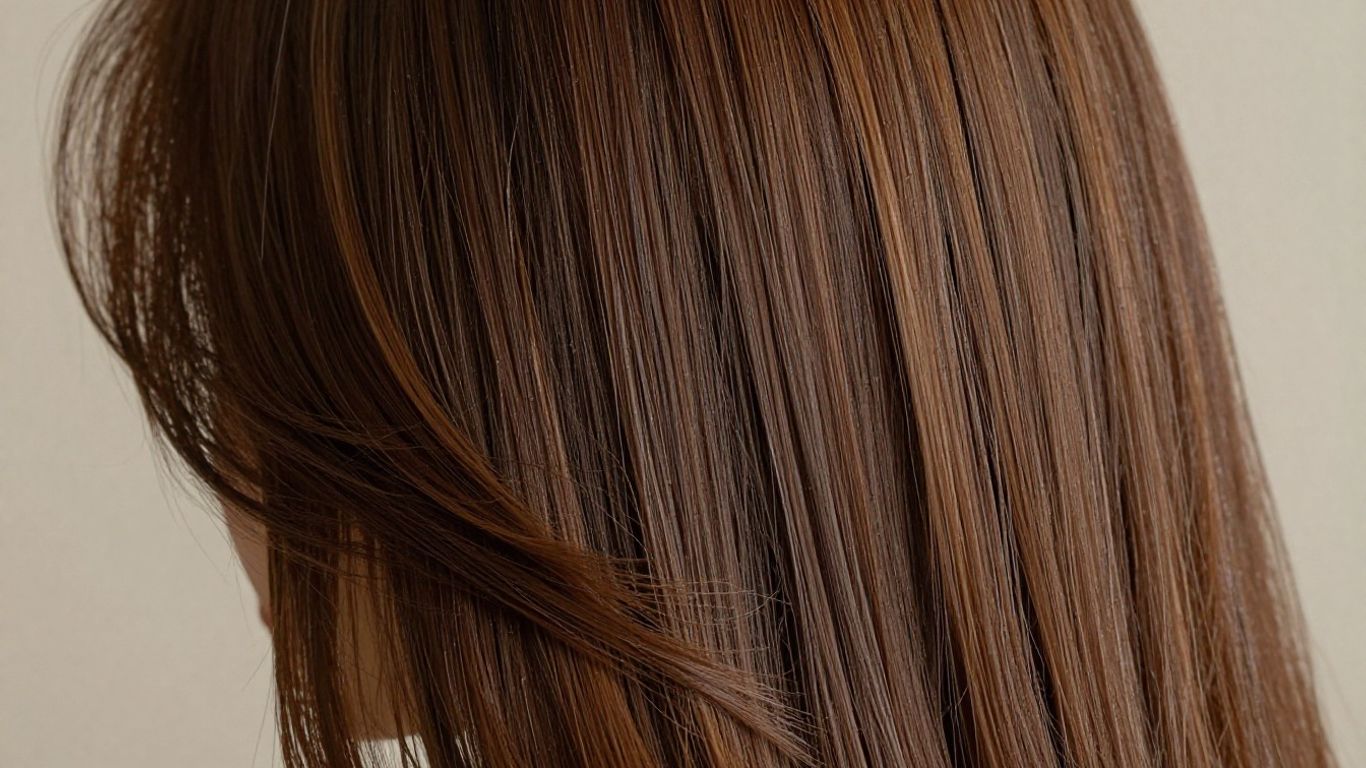
Okay, so you’ve put in the work to hydrate your mixed hair, but now comes the really important part: keeping that moisture locked in. Think of it like putting on a raincoat before you head out into a storm – you need that protective layer. Without it, all your efforts can just evaporate into the dry air.
Utilizing Moisture-Sealing Lotions
Lotions are great because they’re usually water-based, meaning they can penetrate the hair shaft a bit before forming a barrier. When the weather is super dry, a good moisture-sealing lotion can be a lifesaver. It adds that extra bit of hydration and then helps to keep it there. It’s all about creating a barrier that keeps the good stuff (moisture) in and the bad stuff (dry air) out. You don’t need a ton, just a light application focusing on your mid-lengths and ends usually does the trick. It helps reduce frizz and makes your hair feel so much softer.
The Benefits of Natural Oils
Natural oils are like nature’s own sealant. They’re fantastic for mixed hair because they can really help to smooth down the hair cuticle. When your cuticle is smooth, your hair looks shinier and is less likely to get all frizzy. You can use them in a few ways:
- As a final step: After applying your leave-in conditioner or lotion, use just a few drops of oil. Rub it between your palms and then gently smooth it over your hair. Focus on the ends, as they tend to be the driest.
- Mixed with your butter: If you use a heavier hair butter, try mixing a little oil into it. This can make the butter easier to spread and boost its sealing power.
- Pre-poo treatment: Before you even wash your hair, you can apply oil to the lengths and ends. Let it sit for a bit to give your hair some extra nourishment before cleansing.
Some oils are lighter than others, so you might need to experiment to see what works best for your hair’s needs. For example, argan oil is pretty light, while shea butter is much richer. Finding the right natural oils for hair can make a big difference.
Locking in Hydration with Serums
Hair serums are often silicone-based, and while some people avoid silicones, they can be really effective at creating a smooth, protective layer. They’re particularly good at giving your hair that sleek, polished look and can help shield it from environmental stressors. When you’re dealing with dry weather, a serum can add a final touch of shine and help keep flyaways at bay. Just like with oils, a little goes a long way. You want to avoid applying too much near your roots, as it can make your hair look greasy. Focus on the mid-shaft to the ends for the best results. It’s a great way to finish off your routine and make sure all that hard work stays put.
Remember, the goal here isn’t to weigh your hair down, but to create a light, protective shield. Think of it as giving your hair a cozy, moisture-retaining blanket for the dry season.
Minimizing Moisture Loss
Okay, so we’ve talked a lot about getting moisture into your hair, but what about keeping it there? That’s where minimizing moisture loss comes in. It’s like trying to fill a leaky bucket – you gotta plug those holes!
Reducing Excessive Heat Styling
This one’s a biggie. If you’re constantly blasting your hair with heat from blow dryers, straighteners, or curling irons, you’re basically zapping out all the good stuff we just worked to put in. Mixed hair, especially when it’s already dealing with dry weather, is super vulnerable to this. The heat strips away the natural oils that keep your strands protected and hydrated. Try to air dry your hair as much as possible. When you absolutely must use heat, always, always, always use a heat protectant spray first. And when you’re blow-drying, use the lowest heat setting you can manage and point the nozzle downwards to help smooth the hair cuticle. It makes a difference, trust me.
Protecting Hair from Environmental Factors
Think about what your hair goes through every day. The sun, the wind, even just the dry air itself can be rough. In dry climates, your hair can get brittle and staticky really fast. It’s a good idea to shield your hair when you can. Wearing a hat or a scarf when you’re out and about, especially on windy or super sunny days, can make a big difference. It’s a simple step, but it really helps prevent your hair from drying out and getting damaged. You can also use products that create a bit of a barrier, like a good leave-in conditioner or a light hair oil, to give your hair some extra defense.
The Importance of Protective Styles
Protective styles are your best friend when you’re trying to keep moisture locked in. These are styles that tuck away your ends, which are usually the oldest and driest part of your hair. Think braids, twists, or buns. When your ends are tucked away, they’re less exposed to the dry air and friction from your clothes or pillowcases. This means less breakage and less moisture loss. Plus, it gives your hair a break from daily manipulation. It’s a win-win! You can even combine these styles with moisturizing products to really seal in the goodness. For example, after doing some twists, you could apply a bit of hair butter to the ends to really lock in that hydration. It’s a great way to keep your hair healthy and growing while you’re busy with life. Learn more about protective styles.
Nourishing Mixed Hair from Within
You know, sometimes it feels like we focus so much on what we put on our hair, but forget about what’s happening inside. It’s like trying to water a plant by just spraying the leaves – you gotta get to the roots, right? Well, our hair is kind of the same. What we eat and drink actually plays a pretty big role in how hydrated and healthy our mixed hair stays, especially when the weather is trying its best to suck all the moisture out.
The Hydrating Diet Connection
Think of your diet as the ultimate internal moisturizer. Foods packed with water content, like juicy watermelon, crisp cucumbers, and sweet berries, help keep your whole system, including your hair, hydrated. It’s not just about water, though. Healthy fats are super important too. Eating things like salmon, walnuts, and flaxseeds can help your body produce its own natural oils, which are fantastic for keeping your hair soft and shiny. Making these small dietary shifts can really make a difference in your hair’s overall health and moisture levels. It’s a simple concept, but it works wonders.
Staying Adequately Hydrated
This one might seem obvious, but seriously, how much water are you actually drinking? When the air is dry, your body can get dehydrated faster, and your hair will show it. Aim to drink plenty of water throughout the day. It’s not just about quenching thirst; it’s about keeping your internal systems running smoothly, which directly impacts your hair’s ability to retain moisture. If you find plain water a bit boring, try infusing it with fruits like lemon or mint for a little extra flavor. Keeping a reusable water bottle handy is a good way to track your daily intake.
Considering Hair Supplements
Sometimes, even with a good diet and plenty of water, our bodies might need a little extra help. This is where hair supplements can come into play. Think of them as a targeted boost for your hair’s health. They often contain vitamins and minerals like biotin, vitamin E, and zinc, which are known to support hair growth and strength. If you’re struggling with dryness or breakage, a supplement might help fill in any nutritional gaps. It’s always a good idea to chat with a doctor or a nutritionist before starting any new supplement, just to make sure it’s the right fit for you and your specific needs. They can help you figure out what might be best for your hair’s condition.
Conclusion
Dealing with mixed hair in dry weather doesn’t have to be a constant battle. By understanding your hair’s needs and adopting a consistent hydration routine, you can keep it looking and feeling its best. Remember to be patient, experiment with different products and techniques, and listen to what your hair tells you. With the right approach, you can achieve ultimate hydration and say goodbye to dry, brittle strands, no matter the weather.
Frequently Asked Questions
What is mixed hair?
Mixed hair is hair that has more than one texture. For example, you might have straight hair on top and curly hair underneath, or some parts of your hair might be wavy while others are coily. It’s pretty common and means you might need different approaches for different sections.
Why does dry weather make my hair feel worse?
When the air is dry, it pulls moisture out of your hair, just like it pulls moisture from your skin. This makes your hair feel brittle, look dull, and can lead to frizz and breakage. Mixed hair, with its different textures, can be especially sensitive to this.
How often should I wash my hair in dry weather?
You probably shouldn’t wash your hair too often. Washing too much can strip away the natural oils your hair needs to stay soft and hydrated. Try washing it only once or twice a week, and when you do, use a shampoo that’s made for dry or damaged hair.
What’s the ‘Sandwich Moisture Method’?
It’s a way to layer different hair products to keep your hair moist for a longer time. You basically put on a few layers of products, like a leave-in conditioner, then an oil, and then a cream. This creates a barrier that locks in moisture, especially helpful when it’s dry out.
Can I still use heat on my hair?
It’s best to use heat styling tools like blow dryers and straighteners as little as possible when the weather is dry. Heat can zap the moisture right out of your hair. If you have to use them, always put on a heat protectant spray first and use the lowest heat setting you can.
Does what I eat affect my hair’s dryness?
Yes, it really does! Drinking enough water is super important for keeping your whole body, including your hair, hydrated. Eating foods with healthy fats, like fish and nuts, and plenty of fruits and veggies can also help your hair stay moisturized from the inside out.