Trying to figure out a mixed hair care routine can feel like a lot. There are so many textures, products, and opinions out there—it’s easy to get overwhelmed. But once you learn what your hair actually needs, things get a lot simpler. Whether your hair is curly, wavy, or somewhere in between, it’s all about keeping it healthy, moisturized, and easy to manage. Here’s a guide to help you build a routine that works for your unique strands, keeps your color looking fresh, and helps you feel good every day.
Key Takeaways
- Moisture is the foundation of any mixed hair care routine—hydrating products are your best friends.
- Understanding your hair’s porosity helps you choose the right products for lasting hydration and shine.
- Gentle cleansing and regular deep conditioning keep both your scalp and strands healthy.
- Detangling is easier (and less painful) with the right tools and a little patience—always start from the ends.
- Protective styles and a ‘less is more’ approach with products can help avoid build-up and keep hair looking fresh.
Understanding Your Mixed Hair Needs
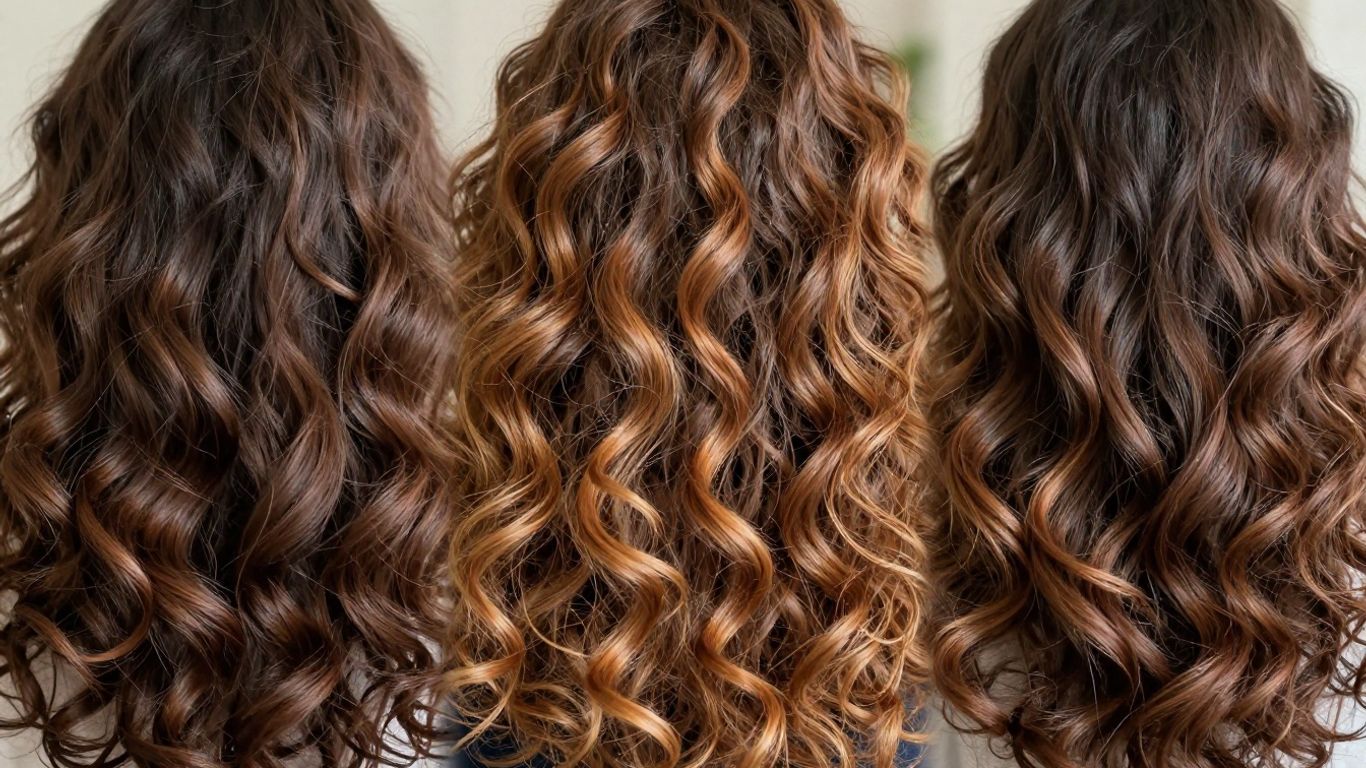
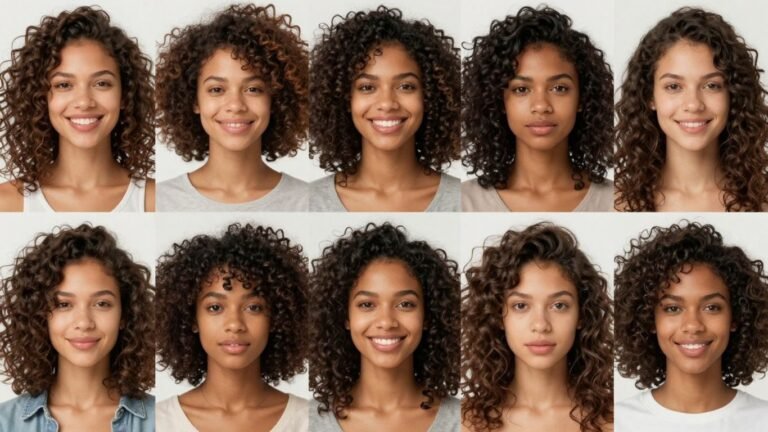
Mixed hair is a blend of different textures—think loose waves at the front, tight curls at the nape, sometimes even straight pieces mixed in. If you’ve ever felt completely lost picking out hair products or figuring out the right order for your routine, you’re not alone. Figuring out what your hair really needs is key to keeping it healthy and looking good, even on hectic days.
Embrace Your Unique Texture
Every mixed head of hair is one-of-a-kind, so try not to compare yours to anyone else’s. Maybe your family didn’t know how to care for anything besides stick-straight hair, or maybe you grew up with more than one "hair rule." Either way, your job now is asking: what does my hair actually need? Some days, your curls will look different on one side of your head than the other—honestly, that’s normal. Try these steps:
- Don’t get too hung up on labels like "3A" or "4B"—your needs may change day-to-day.
- Notice which areas get dry, tangle, or frizz up the fastest.
- Accept that your hair may not fit in a single category—and that’s totally okay.
Most people with mixed hair find their curls and waves are a blend, and this can make finding the right products a challenge. The trick? Make peace with the unique way your hair grows.
Moisture is Paramount for Mixed Hair
Mixed textures mean mixed needs, but the one thing almost every person with mixed hair shares is dryness. The curls and bends make it tough for natural oils to reach the ends, which leads to dry, fluffy, or lifeless-feeling hair. Moisture isn’t just a nice-to-have—it’s the difference between soft, defined hair and a brittle mess. Here’s what helps:
- Go for a sulfate-free, gentle shampoo.
- Deep condition at least weekly. Those intense conditioners with shea butter or argan oil can totally change the game for dry hair.
- Be careful with product buildup—sometimes less really is more. A clarifying shampoo can break down buildup and let moisture actually reach the strands.
| Moisture Habits | How Often | Purpose |
|---|---|---|
| Deep Conditioning | Once a week | Hydrate & replenish curls |
| Leave-In Conditioner | After wash | Lock in moisture, smooth cuticle |
| Clarifying Shampoo | 1-2x/month | Remove buildup blocking hydration |
Porosity: The Key to Hydration
Porosity isn’t something most people talk about at first, but it pretty much decides how much moisture your hair takes in and keeps. It’s basically how open or closed your hair’s cuticles are. If you skip figuring out your porosity, your mixed hair might stay thirsty (or get too greasy) no matter how many products you try.
- High porosity: Curls soak up water and products fast, but they lose moisture quickly too. Rich creams, thick oils, and layers are your friends.
- Low porosity: Water beads up on the surface, and products can feel like they’re just sitting there. You’ll do better with lightweight, water-based products that won’t weigh everything down.
- Most people fall somewhere in the middle, and it can change! Sun and chemical treatments can mess with your porosity, so check in now and then.
If your strands feel rough or brittle even after conditioning, or you notice your hair dries super fast, porosity might be the missing puzzle piece. Being aware of it can steer your routine in a whole new direction.
Bottom line? Mixed hair does best when you pay attention to how it acts, pick what it actually needs—instead of what works for someone else—and keep experimenting until your routine feels just right.
Essential Cleansing and Conditioning Practices
When it comes to keeping your mixed hair looking and feeling its best, the way you wash and condition it makes a huge difference. It’s not just about getting clean; it’s about maintaining that delicate balance of moisture and strength.
Gentle Cleansing for Color Protection
If you’ve colored your hair, you know how quickly that vibrant hue can fade. That’s why picking the right shampoo is super important. You want something that cleans your scalp and hair thoroughly but doesn’t strip away all the color molecules. Look for shampoos specifically labeled as "color-safe" or "color-protecting." These are usually sulfate-free, which is a big plus because sulfates can be pretty harsh and contribute to color loss. Think of it as a gentle hug for your hair, not a rough scrub. Using lukewarm water is also key here; hot water can open up the hair cuticle and let color escape, while cold water might not get your scalp as clean. Wash your hair with lukewarm water to keep your color locked in.
Deep Conditioning for Extra Nourishment
Mixed hair often needs a little extra love, especially when it comes to moisture. A weekly deep conditioning treatment can be a game-changer. These treatments are more intense than your regular conditioner and really help to replenish lost hydration. They can make a big difference in how soft, manageable, and healthy your hair looks and feels. When you apply it, really focus on the mid-lengths and ends of your hair, as these areas tend to be drier. You can even use a shower cap and sit under a hooded dryer for a few minutes to help the conditioner penetrate better.
Hydrating Leave-In Conditioners
After you’ve washed and conditioned, a leave-in conditioner is your best friend for daily hydration and manageability. It’s like an extra layer of protection and moisture that lasts all day. This is especially helpful for detangling and keeping frizz at bay between washes. You don’t need a lot; a small amount applied to damp hair, focusing on the ends, can make a world of difference. It helps to keep your hair soft, smooth, and ready for whatever styling you have planned. A good leave-in can really simplify your routine and keep your hair happy.
Taking care of your hair doesn’t have to be complicated. By choosing the right products and using gentle techniques, you can keep your mixed hair healthy and vibrant. It’s all about consistency and giving your hair what it needs.
Mastering Detangling and Frizz Control
Detangling and managing frizz can feel more like a daily battle than a routine, especially with mixed textures that seem to knot up with just a breeze. Mixed hair isn’t just curly or wavy or straight; it’s a bit unpredictable, with some sections tighter than others and a whole lot of personality all wrapped up in one head. Finding what works for your head of hair can take time, but once you land a routine that fits, it starts to make those morning struggles much shorter.
Effortless Detangling Techniques
Detangling doesn’t have to be a fight against your own hair. The key is in when and how you do it:
- Always detangle when your hair is wet and slippery with conditioner—this gives you way less breakage and painful tugging.
- Use your fingers first, working in small sections from the ends and moving up to the roots. Don’t rush – slow and gentle wins every time.
- If you still need help, grab a wide-tooth comb or a flexible detangling brush. Water flow can actually help separate stubborn strands, so try detangling under running water in the shower to make it even easier (here’s how to get
tangle-free curls with minimal effort tangle-free curls). - Finish with a good leave-in conditioner to deter knots from forming again.
Humidity-Proofing Your Style
Humidity can undo hours of work in just minutes if you let it. Frizz is basically your hair screaming for moisture, so here’s how to keep things smooth even on the sweatiest days:
- Try humidity-blocking styling creams or serums. They create a little shield around the hair to stop moisture from getting in and fluffing it up.
- Rinse your hair with cool water after washing—this helps seal the cuticle and hold styles longer.
- Blot, don’t rub, with a microfiber towel. Old T-shirts work too. Rubbing just opens the cuticle, giving frizz an open invitation.
- Applying a tiny bit of hair oil or anti-frizz spray on damp hair can make a big difference in that final, frizz-free look. For more tips, check out these
steps for frizz-free hair frizz-free hair.
When you take the time to prep your hair before going out, you won’t be stuck wishing you’d just thrown on a hat when the clouds roll in.
Sleek Finishes for Polished Hair
You know when you want your hair to look just a little more put-together, maybe for work or a night out? The difference between controlled and messy often comes down to those finishing steps.
Here are some ways to get that polished look:
- Smooth a bit of lightweight styling gel over the top layer with damp, not soaking wet hands.
- Lay edges and baby hairs with a soft toothbrush and a bit of edge control—not too much, or it’ll flake up.
- For extra shine, run your fingers through your hair with a tiny dab of serum, focusing on your mid-lengths and ends.
- Tuck stubborn flyaways with a soft, clean toothbrush sprayed with hairspray if you want zero crunch.
No routine fits everyone perfectly, but with a little patience you’ll figure out what your hair needs to stay smooth and tangle-free, even when the weather wants otherwise.
Enhancing Shine and Strength
Getting shine and strength out of mixed hair takes a little more than just a quick rinse and some leave-in. Here’s what’s worked for me over the years—it’s not always glamorous, but honestly, the results speak for themselves.
Nourishing Hair Oils for Vitality
The right hair oil can change everything. Lightweight oils, especially the ones with nourishing extras like honey or natural plant extracts, are perfect for mixed textures. Apply a small amount to your ends after styling, and notice how it coats them in softness without that greasy finish that sticks around all day.
- Start with clean, damp hair.
- Rub 1-2 drops of oil between your palms.
- Focus on mid-lengths to ends, where dryness pops up most.
- Avoid the roots if your scalp gets oily fast.
If you want to keep your hair from looking and feeling dry, adding oil as a finishing step will lock in your other products, seal ends, and protect color, too.
Boosting Shine Without Greasiness
Shine shouldn’t come at the cost of heavy buildup. For mixed hair, layering a shine serum or mist over your usual routine can add a glossy finish. The trick is to use a product made for your hair type—look for something that adds dimension and polish without flattening curls or waves. Timing matters too: spray or smooth a little on while your hair is slightly damp, then let it air dry or diffuse. For a few more ways to keep your hair shiny and smooth, consider these approaches from gentle washing methods to trimming the ends regularly, like the advice in high-quality hair shine products.
A quick table of what to look for in shine products:
| Product Type | Ideal For | Application Tip |
|---|---|---|
| Oil | Dry/Curly Ends | Focus on ends, not roots |
| Serum | Fine/Limp Hair | Use sparingly, mid-shaft up |
| Mist/Spray | All Hair Types | Light spray after styling |
Strengthening Strands from Root to Tip
Mixed hair often needs a little reinforcement. Protein-rich masks or treatments help hair bounce back if it feels weak or stretched. You don’t need a complicated lineup—just look for a protein mask once every couple of weeks. Hair elasticity is real: it tells you if your strands are about to snap or stretch and recover easily. If your hair stretches and doesn’t break, it’s probably getting enough moisture and protein. If not, that’s your sign to give it a little boost.
- Check hair elasticity by stretching a single strand—does it spring back, or just break?
- Apply a mask with proteins or amino acids as needed.
- Don’t overdo it—protein overload is a thing and can make hair brittle.
Stick to a routine, and over time, your strands will start to look and feel stronger. That shine will stick around longer, too. Regular trims, gentle routines, and small tweaks make the biggest difference.
Specialized Care for Colored Hair
Maintaining Vibrant Hues
Keeping your hair color looking fresh and bright after leaving the salon can feel like a challenge, but it’s totally doable with the right approach. The biggest thing to remember is that color-treated hair needs a gentler touch. Washing your hair less frequently is one of the simplest yet most effective ways to preserve your color. When you do wash, opt for shampoos and conditioners specifically made for color-treated hair. These formulas are designed to clean without stripping away the pigment. Think of it as giving your hair a clean slate without taking away the beautiful color you just invested in. It’s about balance – keeping your hair clean while letting that vibrant hue shine through.
Protecting Blondes and Bright Colors
If you’re rocking blonde, red, or any other vivid shade, you know how quickly brassy or dull tones can creep in. Purple shampoos and conditioners are your best friends here. They work by depositing violet pigments to cancel out unwanted yellow and orange tones. However, some purple products can be quite drying, which is the last thing color-treated hair needs. Look for sulfate-free options that also contain moisturizing ingredients. This way, you can neutralize those brassy tones and keep your hair feeling soft and hydrated. It’s a delicate balance, but finding the right purple shampoo can make all the difference in keeping your color looking salon-perfect.
Color-Depositing Treatments
For an extra boost between salon visits, consider color-depositing treatments. These can come in the form of masks, conditioners, or even temporary color sprays. They add a little bit of pigment back into your hair, helping to refresh your shade and extend its life. You can use them weekly or bi-weekly, depending on how often your color fades. It’s a great way to keep your color vibrant without over-processing your hair. Some of these treatments can even add a bit of shine and moisture, making them a multi-tasking wonder for your colored locks. You can find affordable hair care gems that rival salon products, all under $10, which is great for trying out different treatments. Budget-friendly color boosters can be a game-changer.
When you first color your hair, try to wait at least 24 to 72 hours before shampooing. This gives the dye molecules time to properly settle into the hair shaft, leading to more vibrant and longer-lasting color.
Styling and Product Application Tips
The ‘Less Is More’ Product Approach
When it comes to styling your mixed hair, I’ve found that using too many products can actually do more harm than good. Piling on heavy creams or gels can lead to buildup, making your hair feel weighed down and look dull. My go-to strategy is to keep it simple. Start with a good, lightweight leave-in conditioner on damp hair. This gives you a solid base. Then, if you need more definition or hold, add a curl cream or a light gel. The key is to layer sparingly, focusing on what your hair actually needs. You can always add a little more, but it’s tough to take away product that’s already there.
Applying Products to Damp Hair
This might sound basic, but how and when you apply your products makes a huge difference. For mixed hair textures, applying styling products to soaking wet hair is a game-changer. Seriously, don’t towel dry too much. When your hair is still dripping, it helps to lock in moisture and allows your products to distribute much more evenly. This technique really helps to define your natural pattern and combat frizz before it even has a chance to start. It’s a simple step that makes a big impact on the final look and feel of your hair.
Protective Styles for Daily Wear
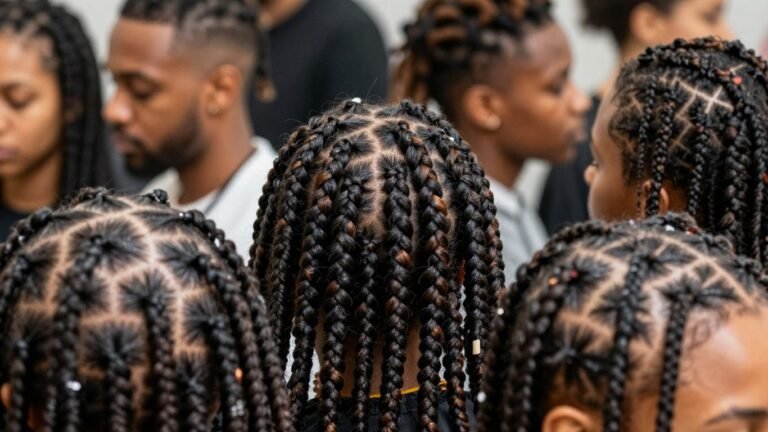
Let’s be real, some days you just need your hair to stay put and look polished, especially if you have a busy schedule or a job that requires a neat appearance. Protective styles are your best friend here. Think braids, twists, or even a sleek bun. These styles not only keep your hair looking put-together but also help minimize manipulation, which is great for preventing breakage. If you’re looking for ways to keep your hair neat and tidy, especially if you’re in a profession where braids and buns are a daily reality, a good edge control gel and a satin scarf are lifesavers. They help keep everything smooth and prevent flyaways without causing tension on your scalp. For those days when you want to show off your natural texture, a diffuser can help enhance your curls without making them look too ‘poofy’, or a chic half-up, half-down style can offer a polished look with less effort.
Wrapping It All Up
So, that’s the lowdown on keeping your mixed hair looking its best. It might seem like a lot at first, but honestly, it’s all about finding what works for your specific strands. Pay attention to what your hair tells you – does it need more moisture? Less product? The right routine isn’t some magic formula, it’s just a bit of trial and error and a whole lot of love for your unique texture. Stick with it, be patient, and you’ll totally see the difference. Your hair will thank you with shine, softness, and that healthy vibe we’re all going for.
Frequently Asked Questions
What makes mixed hair different from other hair types?
Mixed hair is special because it can have a mix of textures, like waves, curls, or coils, all on one head. This unique mix means it often needs extra attention to stay moisturized and healthy, unlike hair that’s all one texture.
Why is moisture so important for mixed hair?
Mixed hair tends to get dry more easily. Keeping it well-moisturized helps prevent frizz, keeps curls looking great, and makes hair feel soft and manageable. Think of it like giving your hair a big drink of water!
How often should I deep condition my mixed hair?
Deep conditioning once a week is a great way to give your mixed hair a big boost of moisture. It helps to fix dryness and keeps your hair feeling strong and looking shiny.
What’s the best way to detangle mixed hair without causing breakage?
Always detangle when your hair is wet and has conditioner in it. Use a wide-tooth comb or your fingers, starting from the ends and gently working your way up to the roots. Patience is key!
Are there special shampoos and conditioners for mixed hair?
Yes! Look for shampoos and conditioners that are sulfate-free, as these are gentler and won’t strip away your hair’s natural oils. Ingredients like shea butter, argan oil, and avocado are excellent for keeping mixed hair hydrated.
How can I control frizz in my mixed hair?
Frizz happens when hair is dry or when humidity is high. Using leave-in conditioners, curl creams, or hair oils can help seal the hair’s cuticle, keeping moisture in and frizz out. Protective styles can also help a lot!