So, you’ve heard about hair porosity, right? It’s basically how well your hair soaks up and holds onto moisture. It sounds simple, but understanding your hair porosity statistics can really change how you care for your hair. It affects everything from what products work best to how long your styles last. We’re going to break down what hair porosity means, how to figure out your level, and what to do with that info. Let’s get your hair looking and feeling its best.
Key Takeaways
- Hair porosity is your hair’s ability to absorb and keep moisture, and knowing your hair porosity statistics is key to a good hair routine.
- You can figure out your hair porosity with simple home tests like the float test or by feeling your hair strands.
- Low porosity hair resists moisture, medium porosity hair balances absorption and retention, and high porosity hair easily absorbs but also loses moisture quickly.
- Things like genetics, chemical treatments, and heat styling can change your hair’s porosity over time.
- Tailoring your hair care products and methods to your specific porosity level helps prevent damage and keeps your hair healthy.
Understanding Hair Porosity Statistics
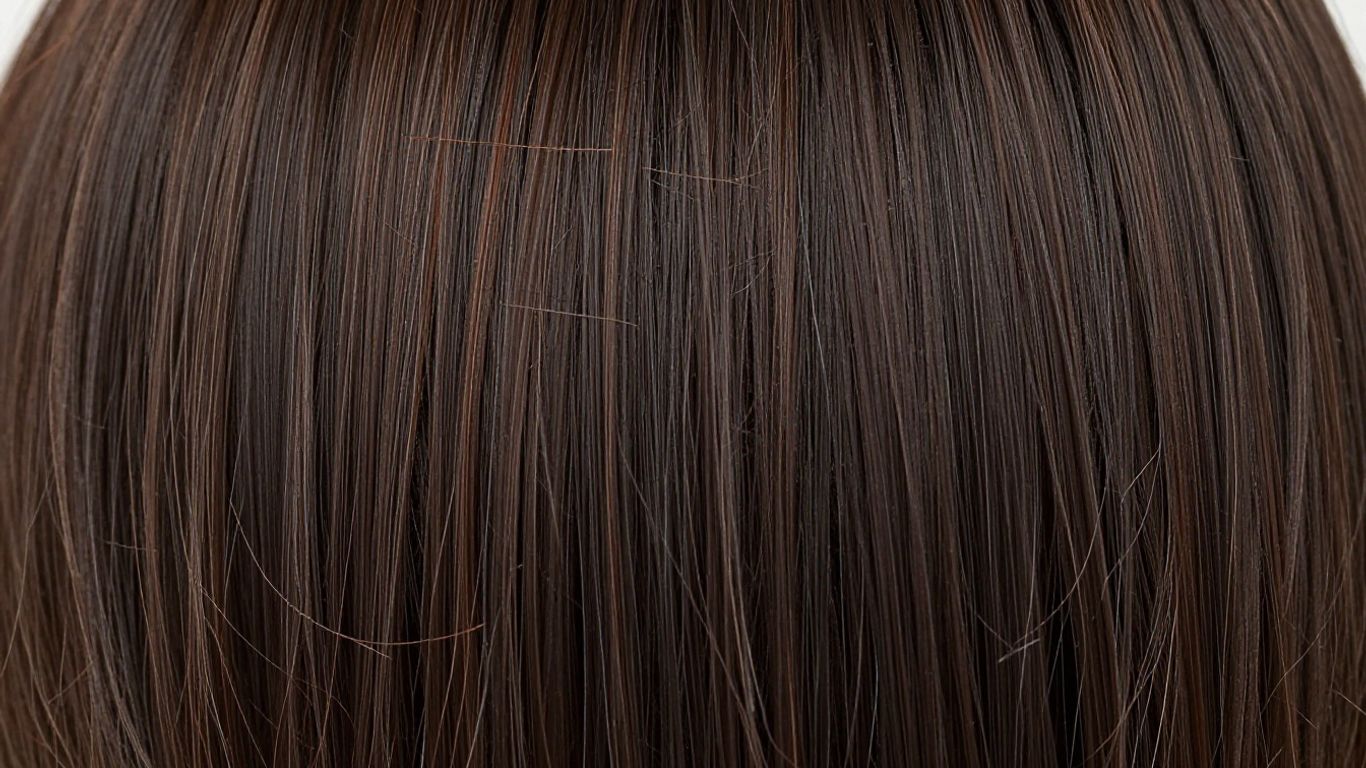
Ever wonder why some hair products seem to work wonders for your friend but do absolutely nothing for you? Or why your hair feels dry and brittle one minute and greasy the next? A big part of that puzzle is something called hair porosity. It sounds technical, but it’s really just about how your hair acts when it comes to moisture. Think of your hair strand like a tiny, layered structure. The outer layer, called the cuticle, is made up of shingles. How those shingles lie – whether they’re flat and tight or lifted and open – determines how easily water and products can get in, and more importantly, how well they stay in.
What Hair Porosity Means For Your Hair Health
Basically, your hair’s porosity level is a big deal for its overall health. If your hair has low porosity, those cuticle shingles are lying super flat. This means it’s tough for moisture to get in, but once it does, it’s also hard for it to get out. This can lead to product buildup because things just sit on the surface. On the flip side, high porosity hair has lifted or even missing cuticle pieces, creating gaps. Moisture can rush in easily, but it also escapes just as fast, leaving your hair feeling dry and prone to damage. Medium porosity hair is kind of the sweet spot, where the cuticles are just right – letting moisture in and holding onto it without much fuss. Knowing your porosity helps you pick the right products and methods to keep your hair happy and hydrated.
The Crucial Role of Hair Porosity in Your Routine
Your hair porosity dictates how your hair interacts with everything you put on it and do to it. For instance, if you have low porosity hair, heavy oils and butters might just sit on top, making your hair feel greasy without actually moisturizing it. You might need lighter products and heat to help them penetrate. On the other hand, high porosity hair drinks up moisture but loses it quickly, so you’ll want to focus on sealing that moisture in with richer conditioners and oils. Skipping this step means all that effort to hydrate your hair goes to waste. It’s all about working with your hair’s natural tendencies, not against them. Getting this right can make a huge difference in how your hair looks and feels.
Why Hair Porosity Statistics Matter
Understanding hair porosity isn’t just about knowing if your hair is "good" or "bad" at absorbing moisture. It’s about tailoring your entire hair care approach. Different porosity levels mean different needs. For example, a study looking at hair porosity using a new gas sorption method showed how it can quantify pore volume, which is key to understanding damage mechanisms. This kind of scientific insight helps explain why certain treatments work better for some than others. It’s the science behind why your hair might frizz easily or why it takes forever to dry. By paying attention to these statistics, you can stop guessing and start giving your hair exactly what it needs to thrive. It’s a more informed way to approach hair care, leading to better results and healthier strands over time. Understanding hair porosity is the first step to a better hair journey.
Determining Your Hair Porosity Level
So, you’ve heard about hair porosity and how it affects your hair, but how do you actually figure out what yours is? It’s not as complicated as it sounds, and thankfully, you don’t need a fancy salon appointment to get the scoop. Knowing your hair’s porosity is like getting a secret map to better hair days. It helps you understand why some products work wonders while others just sit on your hair, or why your hair might feel dry even when you’re trying to moisturize it.
The Simple Strand Test Explained
One of the most common ways to get a general idea of your hair’s porosity is the simple strand test. It’s pretty straightforward and uses things you likely already have at home. You’ll need a clean glass of water and a few strands of your hair. You can get these from your brush or by gently plucking a few from your head – just make sure they’re clean and free of any product.
Here’s how it generally works:
- Gather your hair strands: Take about 3-4 clean, dry strands of hair.
- Prepare the water: Fill a clean glass or bowl with room-temperature water.
- The float test: Place the hair strands into the water. Now, you wait and watch.
What happens next tells you a lot. If your hair strands sink straight to the bottom, it usually means you have high porosity hair. If they float on the surface, that’s a sign of low porosity. And if they hover somewhere in the middle, maybe floating for a bit before slowly sinking, you’re likely in the medium porosity zone. This test gives you a good starting point for understanding your hair’s moisture needs.
Home-Based Hair Porosity Tests
Beyond the float test, there are a couple of other easy methods you can try right at home. These tests help confirm what the float test might have suggested or give you a different perspective.
- The Spritz Test: On dry hair, lightly mist a section with water. Observe how quickly your hair absorbs the moisture. If it soaks it up almost instantly, you probably have high porosity. If the water beads up and takes a while to sink in, it’s likely low porosity. Medium porosity hair will absorb the water at a moderate pace.
- The Feel Test: Run your fingers down a clean, dry strand of hair. If it feels super smooth, it might be low porosity. If it feels rough or bumpy, especially if you can feel the cuticle edges, it could be high porosity. Medium porosity hair will feel somewhere in between.
Interpreting Your Hair Porosity Results
Once you’ve done a test or two, it’s time to make sense of what you’ve observed. Remember, these are general indicators, and your hair might have characteristics of more than one type. It’s all about getting a feel for what your hair likes and dislikes.
- Low Porosity: Your hair might struggle to get wet, and products can sometimes build up on the surface without really penetrating. It often looks shiny but can feel dry if moisture can’t get in.
- Medium Porosity: This is often considered the ‘ideal’ type because it absorbs and retains moisture pretty well. Your hair likely styles well and doesn’t get overly dry or oily easily.
- High Porosity: Your hair might soak up moisture quickly but also lose it just as fast. This can lead to frizz, dryness, and breakage, especially after washing or chemical treatments. You might find that certain hair products don’t seem to last on your hair.
Understanding your hair’s porosity isn’t about labeling it perfectly, but rather about gaining insight into its unique behavior. This knowledge helps you choose the right products and techniques to keep your hair healthy and happy, preventing common issues like dryness or excessive oiliness.
Characteristics of Different Hair Porosity Types
Low Porosity Hair: Smoothness and Moisture Resistance
Low porosity hair is like a well-sealed fortress. The cuticle layers are packed together super tightly, almost like shingles on a roof that lie flat. This makes it tough for moisture and products to get in. Think of it like trying to pour water onto a waxy surface – it just beads up and rolls off. Because of this, low porosity hair often takes a long time to get fully wet and even longer to dry. It can also be prone to product buildup because heavier creams and oils tend to sit on the surface instead of soaking in. But hey, the upside? When you do manage to get moisture in, it tends to stay put, making this hair type often appear smooth and shiny.
- Takes a long time to get wet.
- Dries slowly.
- Prone to product buildup.
- Often looks shiny and smooth.
Low porosity hair isn’t necessarily ‘bad’ hair; it just has a unique way of interacting with moisture and products. The key is finding the right application methods and product types to help things penetrate effectively.
Medium Porosity Hair: Balanced Absorption and Retention
Medium porosity hair is often considered the sweet spot. Its cuticles are a bit more relaxed, not too tight and not too open. This means it can absorb moisture pretty well without taking forever, and it also holds onto that moisture reasonably well. You might find that your hair styles hold up nicely and it’s generally more resilient to things like heat styling or chemical treatments compared to other porosity types. It’s not usually a struggle to get products to absorb, and you don’t typically face the extreme dryness or rapid moisture loss that other types might experience. It’s a good balance, really.
- Absorbs moisture at a moderate rate.
- Retains moisture well.
- Generally resilient to styling and treatments.
- Dries in a reasonable amount of time.
High Porosity Hair: Moisture Absorption and Loss
High porosity hair has cuticles that are raised or have gaps, often due to damage from heat, chemicals, or rough handling. This means moisture can get in really fast – sometimes almost instantly. The flip side? That moisture also escapes just as quickly. It’s like a sieve. This can lead to hair that feels dry, looks frizzy, and is prone to breakage because it’s constantly struggling to hold onto hydration. You might notice your hair dries super fast, but it can also feel rough and look dull if not properly moisturized and sealed. Finding products that help to fill those gaps and lock in moisture is super important for high porosity hair care.
- Absorbs moisture very quickly.
- Loses moisture rapidly.
- Dries very fast.
- Often prone to frizz and breakage.
| Characteristic | Low Porosity | Medium Porosity | High Porosity |
|---|---|---|---|
| Cuticle State | Tightly packed, flat | Slightly raised | Raised, with gaps |
| Moisture Absorption | Difficult | Moderate | Easy |
| Moisture Retention | Excellent | Good | Poor |
| Drying Time | Slow | Moderate | Fast |
Factors Influencing Hair Porosity Statistics
So, you’ve figured out if your hair is more like a sponge or a water-repellent surface. But have you ever wondered why it behaves that way? It’s not just random; a few key things play a big role in how porous your hair is.
Genetics and Innate Hair Structure
First off, a lot of it comes down to what you were born with. Your genes pretty much set the stage for your hair’s natural structure, including how tightly or loosely packed your cuticles are. Think of it like eye color – some things are just in your DNA. This innate structure is the baseline for your hair’s porosity. It’s why some people naturally have hair that drinks up moisture, while others struggle to get products to sink in.
The Impact of Chemical Treatments
Now, this is where things can get interesting – and sometimes, a little rough for your hair. Things like coloring, bleaching, perms, or chemical straightening treatments can really mess with your hair’s cuticle. These processes can lift or even damage those protective outer layers, making your hair more open and thus, more porous. The more you chemically alter your hair, the higher its porosity is likely to become. It’s a trade-off; you get a new look, but your hair might need a lot more attention to keep it hydrated and healthy. If you’re frequently coloring or straightening, you might notice your hair feels different, maybe drier or more prone to tangling, and that’s often the porosity changing.
Environmental and Styling Influences
Beyond genetics and chemicals, what you do to your hair day-to-day and the environment you’re in also leave their mark. Things like excessive heat styling – think blow dryers, curling irons, and flat irons used too often or too hot – can lift the cuticle and increase porosity. Even something as simple as brushing your hair too aggressively, especially when wet, can cause damage. And let’s not forget the environment. Sun exposure, wind, and even hard water can affect your hair’s condition over time. Protecting your hair from these elements, perhaps with a hat on a sunny day or using heat protectant sprays, can help manage its porosity levels. It’s all about being mindful of how your habits and surroundings impact your hair’s health.
Here’s a quick look at how different factors can shift your hair’s porosity:
- Chemical Treatments: Bleaching, dyeing, perms, relaxers.
- Heat Styling: Frequent use of blow dryers, curling irons, flat irons.
- Environmental Factors: Sun exposure, wind, humidity, hard water.
- Mechanical Stress: Aggressive brushing, tight hairstyles.
Understanding these influences is key. It helps you pinpoint why your hair might be behaving a certain way and allows you to adjust your routine accordingly. For instance, if you notice your hair becoming more porous after a bleaching session, you’ll know to focus on moisture-rich treatments and gentle handling.
Managing Hair Based on Porosity Statistics
So, you’ve figured out your hair’s porosity level – awesome! Now comes the fun part: actually using that info to make your hair happier. It’s not about following super strict rules, but more about tweaking your routine so your products actually do what they’re supposed to. Think of it like this: you wouldn’t try to water a cactus with a sprinkler, right? Same idea applies to your hair.
Tailoring Your Routine for Low Porosity Hair
Low porosity hair can be a bit stubborn when it comes to letting moisture in. The cuticles are really tight, so products can sometimes just sit on top, leading to buildup. The key here is to use lightweight products and heat to help them penetrate.
- Cleansing: Opt for sulfate-free shampoos that are less likely to strip your hair, but don’t shy away from clarifying shampoos every few weeks to tackle any buildup. A gentle scalp massage can also help.
- Conditioning: Look for lighter conditioners and leave-ins. Avoid heavy creams or oils that can weigh your hair down. Applying conditioner to damp hair and using a little bit of heat (like sitting under a hooded dryer for a few minutes or using a warm towel) can help the product absorb better.
- Styling: Water-based products are your friend. Serums and light lotions work well. If you’re using heat, make sure to use a heat protectant.
Remember, the goal with low porosity hair is to get moisture in and keep it there without making your hair feel greasy or heavy. Patience is key, and sometimes a little warmth goes a long way.
Optimizing Care for Medium Porosity Hair
Medium porosity hair is often considered the easiest to manage because it absorbs and retains moisture pretty well. Your routine might not need drastic changes, but focusing on balance is still important.
- Cleansing: You can generally use a variety of shampoos, but it’s still a good idea to avoid harsh sulfates too often. Listen to your hair – if it feels dry, switch to a moisturizing shampoo.
- Conditioning: Most conditioners will work well. You can experiment with different types, from lighter lotions to richer creams, depending on how your hair feels. Deep conditioning treatments every couple of weeks can give your hair an extra boost.
- Styling: Medium porosity hair usually holds styles well. You can use a range of styling products, but pay attention to how your hair reacts. If you notice it getting weighed down, try a lighter product.
Strategies for High Porosity Hair Needs
High porosity hair has cuticles that are more open, which means it absorbs moisture quickly but also loses it just as fast. This can lead to dryness, frizz, and breakage. The focus here is on sealing in moisture and protecting the hair.
- Cleansing: Use moisturizing, sulfate-free shampoos. Avoid anything too stripping, as this will only exacerbate dryness. Rinse with cool water to help close the cuticle slightly.
- Conditioning: Rich, creamy conditioners and deep conditioning treatments are your best bet. Look for ingredients like shea butter, coconut oil, and other heavier oils that can help seal the cuticle. Leave-in conditioners are also very beneficial.
- Styling: The LOC (Liquid, Oil, Cream) or LCO (Liquid, Cream, Oil) method can be super effective for high porosity hair. This layering technique helps to lock in moisture. Using heavier oils and butters can provide a good seal. When detangling, be extra gentle, especially when your hair is wet, as high porosity hair is more prone to breakage.
It’s all about finding that sweet spot where your hair feels hydrated, looks healthy, and is less prone to damage. Don’t be afraid to experiment a little – what works for one person might not work for another, even with the same porosity level.
The Science Behind Hair Porosity
Ever wonder why some hair products seem to work wonders while others just sit on top, making your hair feel greasy or stiff? It often comes down to something called hair porosity. Think of your hair strand like a tiny, layered structure. The outermost layer, the cuticle, is made up of overlapping scales, kind of like shingles on a roof. The way these scales lie – whether they’re tightly packed or lifted and separated – dictates how easily moisture can get into your hair and, just as importantly, how well it stays there. This structure is the core of what determines your hair’s porosity.
Cuticle Condition and Its Significance
The condition of your hair’s cuticle is the main player here. When the cuticle scales lie flat and are tightly bound, you generally have low porosity hair. This means moisture has a harder time getting in, but once it does, it’s pretty good at staying put. On the flip side, if the cuticle is raised, damaged, or has gaps, you’ve got high porosity hair. This type readily absorbs moisture and products, but it also loses that moisture just as quickly, leading to dryness. Medium porosity hair sits somewhere in the middle, with cuticles that are neither too tight nor too open, allowing for a balanced absorption and retention of moisture.
How Hair Porosity Affects Product Performance
Understanding your hair’s porosity is like having a secret decoder ring for your hair care products. If you have low porosity hair, heavy creams and oils might just coat the cuticle without penetrating, leading to buildup. You might need lighter formulas, perhaps applied with a bit of heat to help them absorb. For high porosity hair, which drinks up moisture but loses it fast, you’ll want products that help seal that moisture in. Think richer conditioners and leave-in treatments designed to combat rapid moisture loss. Products that work wonders for one porosity type can be a total flop for another, all because of how the cuticle is structured.
The Cortex and Moisture Retention
Beneath the cuticle lies the cortex, the inner core of your hair strand. This is where the bulk of your hair’s strength and moisture content resides. The cortex is made up of protein structures that hold onto water. When your hair has high porosity, it often means the cortex itself might have more internal damage or gaps, making it harder to hold onto moisture even if the cuticle allows it in easily. This is why even after applying a hydrating product, high porosity hair can feel dry again relatively quickly. The health and structure of the cortex, influenced by the cuticle’s condition, directly impacts how well your hair retains moisture over time.
Wrapping It Up: Your Hair Porosity Journey
So, we’ve talked a lot about hair porosity, and honestly, it’s not as complicated as it might sound. Knowing if your hair likes to soak up moisture easily or if it holds onto it like a fortress is pretty helpful. It means you can stop guessing what products will work and start picking ones that actually do. Whether your hair is low, medium, or high porosity, understanding it is the first step to getting it to look and feel its best. Don’t get too hung up on it, just use this info to make smarter choices for your hair. It’s all about giving your strands what they need, and now you’ve got a better idea of how to do that.
Frequently Asked Questions
What exactly is hair porosity?
Hair porosity is basically how well your hair can soak up and hold onto moisture. Think of it like a sponge – some sponges soak up water fast and hold it, while others let it drip right through. Your hair strands have tiny outer layers called cuticles, and how open or closed these are affects how much moisture gets in and stays in.
How can I figure out my hair’s porosity level?
There are a few easy ways to test your hair at home! One popular method is the ‘float test.’ Take a clean strand of hair and put it in a bowl of water. If it floats, you likely have low porosity hair. If it sinks quickly, it’s probably high porosity. If it floats for a bit then sinks, you’re likely in the medium porosity range.
What’s the difference between low, medium, and high porosity hair?
Low porosity hair has cuticles that are very close together, making it hard for moisture to get in, but once it does, it stays put. High porosity hair has cuticles that are open or damaged, so moisture gets in easily but also escapes quickly, leading to dryness. Medium porosity hair is balanced, absorbing and holding moisture well.
Can my hair’s porosity change over time?
Yes, it can! Things like coloring your hair, using heat styling tools often, or even sun exposure can damage your hair’s cuticles and make it more porous. So, hair that used to be medium porosity might become high porosity if it’s treated harshly.
Why is knowing my hair porosity important for my hair care routine?
Understanding your porosity helps you pick the right products and use the right techniques. For example, if you have low porosity hair, you might need lighter products that won’t build up. If you have high porosity hair, you’ll want richer products to help seal in moisture and repair damage.
Does hair porosity affect how my hair styles?
Definitely! Low porosity hair might take longer to style but can hold a style well. High porosity hair might style quickly but struggle to keep its shape or stay smooth throughout the day because it loses moisture easily. Knowing your porosity helps you choose styles and products that work with your hair’s natural tendencies.