So, you’ve got hair that’s doing its own thing in different spots? Like, straight up top, a bit wavy in the middle, and then BAM, curly at the ends? Yeah, that’s mixed texture hair for you. It can feel like a puzzle, but honestly, it’s pretty cool once you figure out how to work with it. This guide is all about making your unique hair map work for you, using the right products, and styling it so everything looks cohesive. We’re talking about Mixed Texture Hair Care that actually makes sense.
Key Takeaways
- Understand your hair’s unique zones: Roots, mid-lengths, and ends often have different textures requiring distinct care.
- Tailor your wash day: Use different shampoos and conditioners for your roots versus your ends, and always deep condition weekly.
- Build a product arsenal: Combine lightweight leave-ins, volumizing mousses, curl creams, and serums to address each texture’s needs.
- Style with intention: Employ specific tools and techniques for each hair zone to encourage consistency and definition.
- Protect and adapt: Use overnight care like silk pillowcases and protective styles, and adjust your routine for seasonal weather changes.
Understanding Your Unique Hair Map
Ever feel like your hair has a mind of its own, with different sections doing their own thing? You’re not alone! Many of us have what’s called mixed-texture hair, meaning different parts of your head have different types of strands. It’s not about having ‘bad’ hair; it’s about understanding its unique landscape. Getting to know your hair’s map is the first step to managing different hair types effectively.
Identifying Your Texture Zones
Think of your hair as having distinct zones, each with its own needs. This isn’t about fixing anything, but rather about giving each area the specific care it deserves. It’s like having a personalized blueprint for your mane.
The Roots: Straight or Wavy
Often, the hair closest to your scalp tends to be straighter or have a looser wave. This area can also be prone to getting oily faster because of natural scalp oils. It might lie flatter and need a bit of a lift.
Mid-Lengths: The Transitional Zone
This is where things can get interesting. The mid-lengths are frequently the most unpredictable part of your hair. You might find inconsistent waves, looser bends, or areas that seem to transition between textures. It’s the wildcard zone, and it’s totally normal for it to be a bit of a mix.
Ends: Curly or Frizzy
Your ends are usually the oldest and most processed part of your hair, which is why they often show the most texture. This is where you’re most likely to find tighter curls, spirals, or even frizz. They typically crave more moisture and gentle handling.
Understanding these zones helps you tailor your wash day and styling routines. Instead of a one-size-fits-all approach, you can target specific needs, like using a lighter shampoo on your roots and a richer conditioner on your ends. This personalized care makes a big difference in how your hair looks and feels.
Here’s a quick look at what you might observe:
- Roots: Straight, fine, oily, lies flat.
- Mid-Lengths: Loose waves, inconsistent bends, sometimes frizzy.
- Ends: Tighter curls, spirals, dry, prone to frizz.
Learning to identify these zones is the foundation for managing different hair types and creating harmony throughout your strands. It’s about working with your hair’s natural character, not against it.
Wash Day Wisdom for Mixed Textures
Wash day can feel like a puzzle when your hair has multiple personalities. You’ve got those straighter roots that might get oily quickly, a wavy middle that needs some encouragement, and curly or frizzy ends that are always thirsty. The key is to treat each section with what it needs, not just what’s easiest. This approach is central to any good curly and wavy hair routine.
Shampooing Strategically
Forget a one-size-fits-all shampoo. For mixed textures, it’s often best to cleanse in stages. Start with a lightweight shampoo or a clarifying one right at your roots to lift away excess oil and product buildup. Then, consider a more moisturizing shampoo for your mid-lengths and ends, which tend to be drier. This targeted cleansing prevents your roots from feeling stripped while giving your ends the moisture they crave. It’s a simple adjustment that makes a big difference in how your hair feels post-wash.
Conditioning From Mid-Shaft Down
When it comes to conditioner, think of your roots as self-sufficient. They usually don’t need the extra weight or moisture. Focus your conditioner application from the mid-shaft all the way down to your ends. This is where the dryness and damage typically occur. Gently finger detangle while the conditioner is in to help work out knots without causing breakage. This simple step is a cornerstone of natural hair care for varied textures.
The Power of Weekly Deep Conditioning
Your ends, especially if they’re curly or prone to frizz, will likely benefit from a weekly deep conditioning treatment. This is your chance to really replenish moisture and repair any damage. Look for masks with ingredients like shea butter, argan oil, or hydrolyzed proteins. It’s a dedicated moisture boost that helps keep your entire hair map happy and healthy. This is one of the best products for multi-textured hair you can incorporate.
Zoning Your Wash Routine
If you’re feeling ambitious, you can take wash day a step further with "zoning." This means using different products on different parts of your head. For example, you might use a volumizing shampoo on your roots and a hydrating shampoo on your ends. You can even apply different conditioners or treatments to specific zones. It sounds extra, but the results—hair that feels balanced and looks cohesive—are totally worth it. It’s all about giving each texture the specific attention it deserves, making your curly and wavy hair routine much more effective.
Wash day for mixed textures isn’t about fighting your hair; it’s about understanding its unique needs. By adjusting your cleansing and conditioning, you can create a foundation for healthier, more manageable hair across all your textures. This mindful approach is key to achieving harmony.
Here’s a quick breakdown of how to approach your wash day:
- Cleansing: Lightweight/clarifying at roots, moisturizing from mid-shaft down.
- Conditioning: Focus on mid-shaft to ends; avoid roots.
- Deep Conditioning: Weekly treatment, especially for drier or curlier sections.
- Zoning (Optional): Use different products for different texture zones for targeted care.
Crafting Your Product Arsenal
Okay, so you’ve figured out your hair’s unique map and you’re ready to tackle wash day. Now comes the fun part: building a product lineup that actually works for all those different textures living on your head. It’s not about finding one miracle product; it’s about having a few key players that you can mix and match.
The Leave-In Conditioner Base
Think of a good leave-in conditioner as your hair’s primer. It’s the first layer that helps everything else stick and work better. It preps your hair for whatever styling comes next, adding a bit of slip for easier detangling and a baseline of moisture. This is especially helpful for those drier, curlier ends that need a little extra love right from the start.
Volumizing Mousse for Lift
If your roots tend to fall flat or get oily quickly, a lightweight volumizing mousse or foam is your best friend. You want something that gives a bit of oomph without making your hair feel stiff or sticky. Apply this just to the roots, especially if you’re blow-drying, to help lift them away from your scalp. It’s a simple step that makes a big difference in the overall shape of your style.
Curl Creams for Definition
For the sections of your hair that are naturally wavy or curly, a curl cream is key to bringing out that beautiful pattern. The trick here is to use it sparingly, especially on finer textures, so you don’t weigh your hair down. You’re looking for something that defines the curl without making it crunchy. Applying it to soaking wet hair can really help lock in that moisture and definition. Some people find that a good curl cream can keep their curls defined for days, which is a win in my book.
Serums and Oils for Shine
Once everything else is in place, a little bit of serum or a light oil can go a long way. Use this super sparingly, focusing on the mid-lengths and ends. It’s your secret weapon for smoothing down any flyaways, adding a healthy shine, and giving your hair that finished look. Too much, though, and you’ll end up with greasy-looking hair, so start with just a drop or two. Many of the best ones are now found under "finishing spray" categories, like this absolute powerhouse Kristen Ess Hair Dry Finish Working Texture Spray.
Building your product arsenal isn’t about buying everything on the shelf. It’s about selecting a few targeted items that address the specific needs of each texture zone on your head. Start with the basics and add as you discover what works best for you.
Here’s a quick rundown of what to consider:
- Leave-in Conditioner: For moisture and slip.
- Mousse/Foam: For root lift and volume.
- Curl Cream/Gel: For defining waves and curls.
- Serum/Oil: For shine and smoothing.
Remember, the goal is to blend these products in a way that complements your hair’s natural variations, not fights against them. Experimenting is part of the process, so don’t be afraid to try different combinations to see what gives you the best results. You might find that certain products work better for specific weather conditions, too, like Ouai Wave Spray for those humid days.
Styling Techniques for Harmony
Tools for Every Texture
Okay, so you’ve got your hair washed and conditioned, and you’ve prepped it with your chosen products. Now comes the fun part: actually styling it. If you’re using the same brush or heat tool all over, it’s time to rethink that. Different parts of your head have different needs, right? So, your tools should reflect that. A wide-tooth comb is your best friend for detangling, especially when your hair is wet. If you’re blow-drying, a round brush can help lift those straighter roots. For the curly ends, a diffuser attachment on your dryer is great for drying without messing up the curl pattern. And flat irons? Use them sparingly, maybe just for a quick touch-up if needed. Honestly, sometimes just letting your hair air dry with the right products is the easiest way to go. It’s not about fighting your hair; it’s about guiding it.
Guiding Your Roots to Volume
Those straighter or wavier roots can sometimes fall flat, or they might get oily pretty quickly. To combat this, try applying a volumizing mousse or a root-lifting spray right at the crown before you start styling. When you’re blow-drying, flip your head upside down or use a round brush to really get some lift at the roots. If you prefer air drying, you can use small clips, like pin curl clips, at the roots to give them a boost while they dry. This little bit of lift can make a big difference in the overall shape of your style.
Encouraging Consistency in Mid-Lengths
Your mid-lengths are often the most unpredictable part, the real transitional zone. This is where blending is super important. After applying your products, give these sections a gentle scrunch. If you have wavy bits that aren’t quite cooperating, try twisting small sections around your finger while your hair is still damp. This helps encourage them to form a more consistent pattern. Once your hair is dry, try not to brush it too much. Just use your fingers to gently fluff and separate if needed. This helps maintain the definition you’ve worked to create and avoids turning your waves into frizz.
Defining Your Curly Ends
Now for the ends! This is where you want to really define those curls and combat any frizzy bits. Reach for a curl-enhancing cream or even a bit of styling gel. If you want super defined curls, you can try finger coiling small sections. This means taking a small piece of hair and twisting it around your finger from root to tip. For drying, a diffuser on a low heat setting is ideal. Alternatively, you can try the ‘plopping’ method, where you wrap your damp hair in a cotton t-shirt to absorb excess water and encourage curl formation. Remember, the goal isn’t to make everything look exactly the same, but to help each texture do its best. Learning how to style frizzy hair often comes down to giving those ends the moisture and definition they crave. Embrace your unique hair.
Styling mixed-textured hair is less about forcing uniformity and more about celebrating the blend. It’s about understanding what each section needs and giving it that specific care. Think of it as a team effort within your own hair.
Protective Styles and Overnight Care
Okay, so we’ve talked about washing and styling, but what about when you’re not actively doing your hair? That’s where protective styles and overnight care come in. These aren’t just about looking cute; they’re super important for keeping your mixed-texture hair healthy and happy, especially when you’re trying to manage different curl patterns all over your head.
Braids, Buns, and Twists
These are your best friends for giving your hair a break. Think of them as a vacation for your strands. Braids, buns, and twists help to minimize tangles, reduce friction, and keep moisture locked in. This is especially helpful if you have sections that tend to get dry or frizzy. They’re a great way to protect your hair from the elements and from daily wear and tear. You can explore a whole range of options, from simple twists to more intricate braids, depending on your hair’s needs and your personal style. It’s a smart way to preserve your hair’s length and health.
Silk or Satin Pillowcases
This is a small change that makes a huge difference. Cotton pillowcases can be rough on your hair, absorbing moisture and causing frizz and breakage. Switching to silk or satin is like giving your hair a smooth, gentle surface to rest on. It reduces friction, which means less tangling and less disruption to your carefully styled curls and waves. Seriously, it’s a game-changer for waking up with less frizz.
The Art of Pineappling
Pineappling is a technique where you gather your hair into a very loose, high ponytail on the very top of your head, almost like a pineapple. This is fantastic for preserving your curl pattern overnight. It keeps your curls from getting flattened or crushed while you sleep. For those with mixed textures, it helps keep the different curl types from getting too tangled with each other. You can secure it with a soft scrunchie to avoid any harsh lines or breakage.
Wrapping Delicate Ends
Sometimes, the ends of your hair need a little extra TLC. If you have finer or more delicate ends, or if they tend to get particularly dry, wrapping them can be beneficial. You can loosely wrap them in a silk or satin scarf. This protects them from friction and helps them retain moisture. It’s like tucking your hair in for the night, giving those delicate parts a bit of extra security and care. You might even add a tiny bit of leave-in conditioner or a lightweight oil before wrapping if your ends are feeling parched.
Navigating Salon Visits
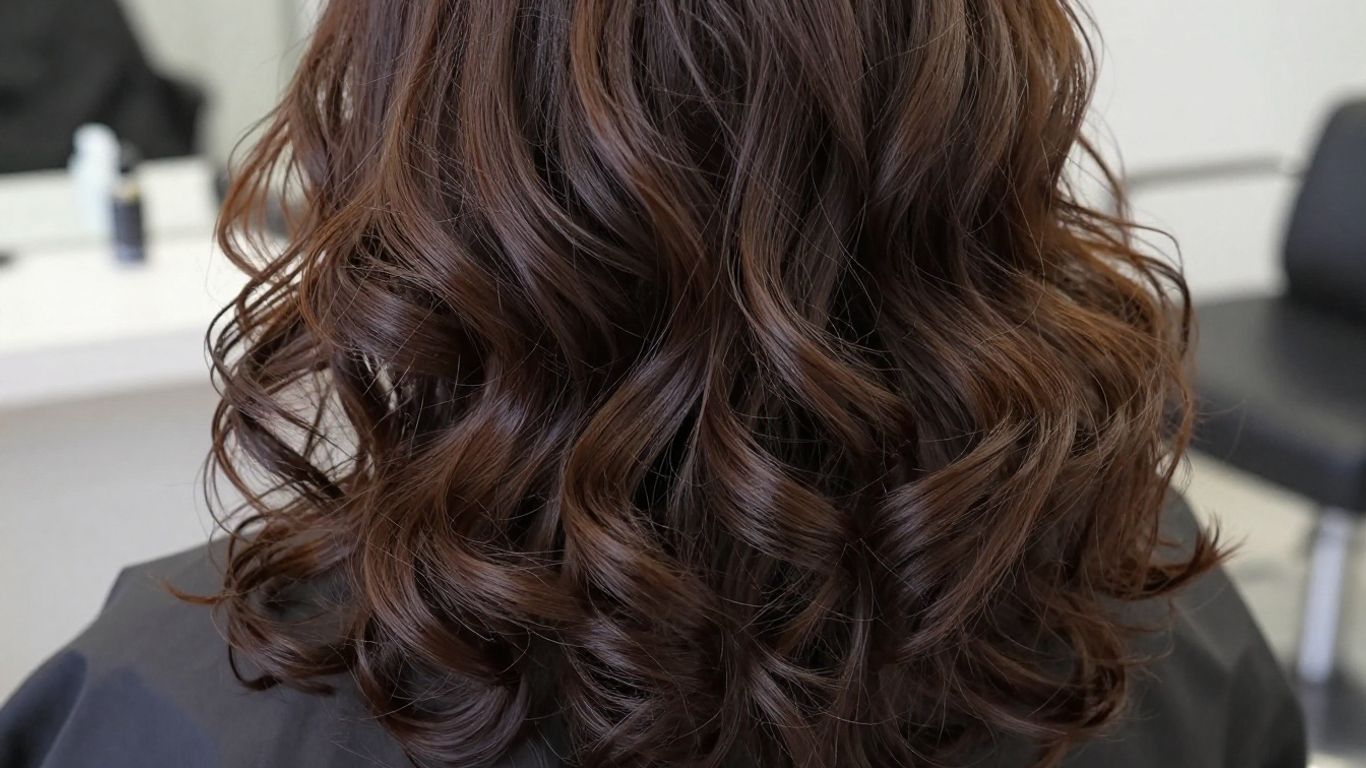
Going to the salon can feel like a gamble when you have mixed textures. You know the drill: you explain your hair has different needs from root to tip, and sometimes, you leave with a style that only really works for one of those textures. It’s frustrating, right? The key is finding a stylist who truly understands the complexity of your hair.
Communicating Your Needs
Before you even sit in the chair, think about what you want to achieve. Don’t be shy about explaining that your hair isn’t uniform. Mention if your roots are straighter, your mid-lengths wavy, and your ends curly or prone to frizz. Let your stylist know your goal isn’t to force everything into one texture, but to make each part of your hair look its best. If you like to switch between heat-styled looks and embracing your natural pattern, tell them that too. This kind of open chat helps them tailor their approach.
Seeking Specialized Stylists
It really helps to do some homework before booking. Look for salons or stylists who specifically mention working with textured or curly hair. Many places now highlight their expertise in handling different curl types and patterns. A quick search online can often reveal salons that focus on this, like those you might find through resources listing curly hair specialists. Checking out their social media or portfolios can give you a good idea of their work with diverse hair types.
Customized Cutting Approaches
When you’re in the salon, ask your stylist about their cutting technique. Some stylists prefer to cut curly hair dry to see how the curls naturally fall, while straighter sections might be better cut when wet. They might also suggest cutting your hair in sections, treating each area with the method that suits its texture best. It’s also a good idea to ask for product recommendations that cater to your specific hair zones, not just a generic suggestion for
Embracing the Unpredictability
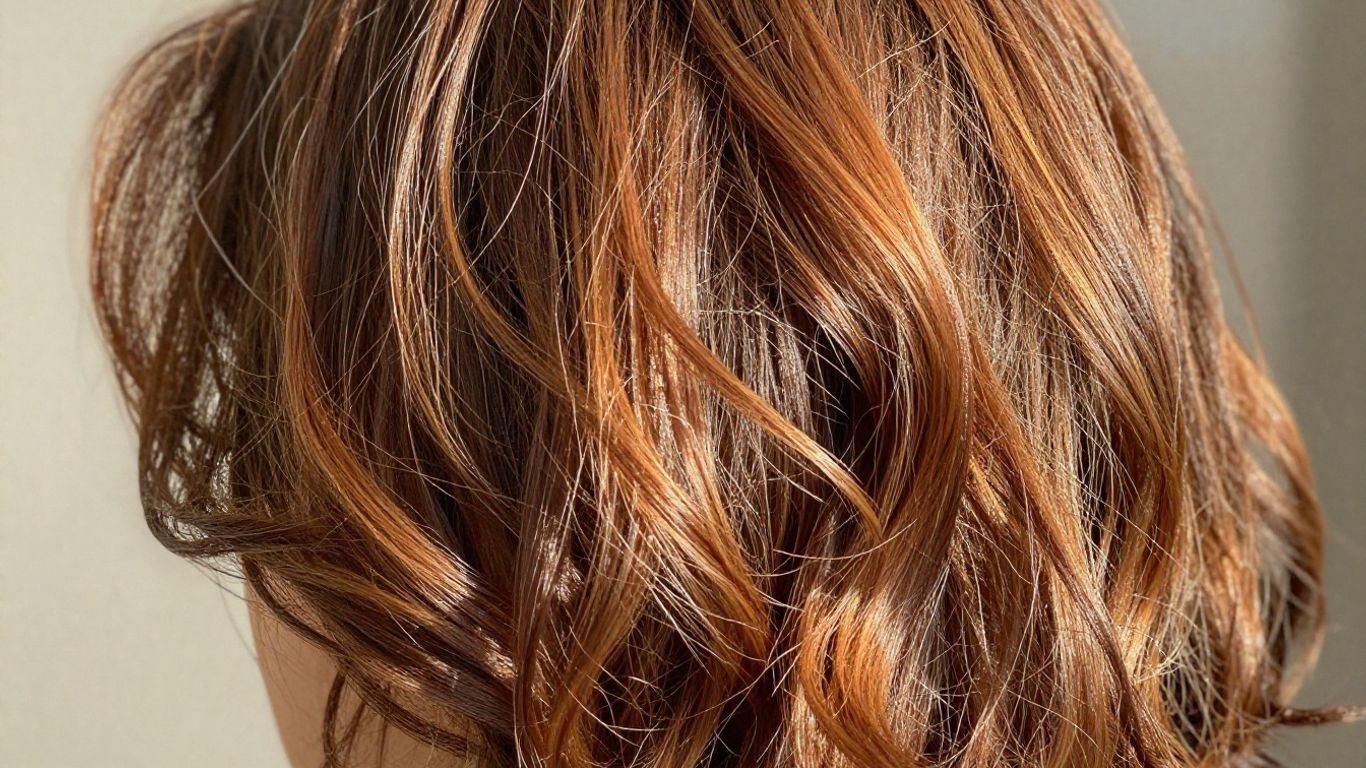
Let’s be real for a second. Mixed-texture hair is, well, unpredictable. Some days it cooperates beautifully, and other days it seems to have a mind of its own, channeling a vibe you weren’t exactly going for. But here’s the thing: that unpredictability is actually where the magic happens. Your hair isn’t meant to be perfectly uniform; it’s dynamic and full of character. The goal isn’t to force it into submission, but to learn to work with it.
Confidence in Your Blend
Having hair that doesn’t fit neatly into one category can sometimes mess with your confidence. You might feel like you don’t fully belong in the ‘curly’ camp or the ‘straight’ camp. But your hair doesn’t need to be boxed in to be beautiful. In fact, its unique blend is what makes it so captivating. When someone compliments your hair, just say thank you. Resist the urge to downplay it or explain away its quirks. Your hair is a reflection of you, and its complexity is part of its charm.
Celebrating Natural Character
Instead of chasing a mythical standard of ‘perfect’ hair, which often means a single, uniform texture, start celebrating what you have. Your mixed textures naturally bring volume, movement, and a certain je ne sais quoi. It’s not about trying to make your roots behave like your ends, or vice versa. It’s about appreciating that your hair has multiple personalities, and each one is valid. This approach shifts styling from a battle to a creative process. You’ll find joy in the variety, even if your ends decide to do their own thing while your roots are perfectly behaved. That’s not a flaw; it’s personality. It’s what makes your hair uniquely yours.
Teamwork, Not Taming
Caring for mixed-texture hair is less about ‘taming’ it and more about building a partnership. You and your hair are on the same team, even when it feels like a struggle. Once you start giving each section the specific care it needs, rather than trying to apply a one-size-fits-all routine, things start to fall into place. You’ll discover products that work well together and styles that highlight your natural blend. It’s about understanding your hair’s needs, not forcing it to conform. Give your hair the grace to be a little bit of everything – let it bounce, curl, wave, and flow. When you stop aiming for uniformity and start celebrating the mix, you’ll find a new level of confidence. Your hair isn’t confused; it’s complex, and that complexity is unforgettable. Learning to care for your unique hair map is key to making this teamwork successful, especially when dealing with different textures.
Mixed-texture hair isn’t a problem to be solved; it’s a beautiful characteristic to be understood and appreciated. Embracing its natural variations leads to a more relaxed and confident approach to hair care.
Seasonal Adjustments for Mixed Texture Hair
Our hair definitely has a mind of its own, and it seems to change its tune with the weather, doesn’t it? Dealing with mixed textures means we’re already juggling different needs from root to tip, and then the seasons throw their own curveballs. It’s like a whole other layer of complexity, but once you get the hang of it, your hair can look great year-round.
Summer Humidity Solutions
Summer is all about battling the frizz and the limpness. That humidity can make your straighter roots go flat while turning your curly ends into a big, puffy cloud. The trick here is to keep things light. Think about using anti-frizz sprays or serums, but focus them from the mid-lengths down. Up top, you want products that give lift without weighing your hair down, like a light mousse or a volumizing spray. It’s a balancing act to keep everything from getting heavy and greasy.
Fall’s Styling Sweet Spot
Ah, fall. This is often the easiest season for mixed textures. The humidity isn’t as intense as summer, but it’s not yet the bone-dry air of winter. This makes it a great time to experiment with new styles or get a fresh trim. You can often get away with slightly richer products than in summer, but you don’t need the heavy hitters of winter just yet. It’s a good time to really play with defining your waves and curls without worrying too much about them falling flat or puffing up too much. This is also a great time to consider a gentle clarifying shampoo to remove any lingering summer product buildup.
Winter Moisture Strategies
Winter air can be incredibly drying, and our mixed-texture hair often suffers the most. Those curlier, frizz-prone ends can get really brittle and straw-like. Moisture is your absolute best friend during these months. Break out the richest conditioners, hydrating masks, and cream-based styling products. You might even want to layer a hair oil over your leave-in conditioner, especially on the ends. Don’t forget that hats can be a lifesaver, but make sure they have a silk or satin lining, or wear a silk scarf underneath to prevent friction and moisture loss.
Spring’s Clarifying Refresh
Spring is the season of renewal, and your hair needs a refresh too. After a winter of heavy creams and oils, your scalp and strands might have some buildup. This is the perfect time to do a good clarifying treatment to get rid of all those heavy products. Once your hair is clean, you can start introducing lighter formulas again, getting ready for the warmer weather. It’s about shedding the winter weight and getting your hair ready for whatever the fluctuating spring weather brings. This spring refresh helps reset your hair’s balance.
It’s a Team Effort, Not a Battle
So, we’ve talked about understanding your hair’s unique map, picking the right products for each zone, and even how to chat with your stylist about your specific needs. It might seem like a lot, but really, it’s all about working with your hair, not against it. Think of it as a partnership. Some days will be easier than others, and that’s totally okay. The goal isn’t perfect uniformity; it’s about embracing the character and charm that your mixed textures bring. When you start treating each part of your hair with the care it deserves, styling becomes less of a chore and more of a creative expression. You’ve got this beautiful, dynamic hair – let it shine in all its unique glory.
Frequently Asked Questions
Why does my hair have different textures all over?
It’s super common for hair to have different textures on the same head! This can happen naturally. Think of it like different parts of your hair getting different instructions as they grow. Your roots might be straighter, while the middle gets wavy, and the ends decide to be curly. It’s just your unique hair map!
How can I wash my mixed-texture hair without making one part unhappy?
The trick is to be a bit strategic. You might want to use a lighter shampoo on your roots to keep them from getting oily, and then a more moisturizing shampoo or conditioner on your mid-lengths and ends, which often need more hydration. Applying conditioner mostly from the middle of your hair down is usually a good move.
What kind of products should I use for different textures on my head?
You’ll likely need a mix! A lightweight leave-in conditioner is a great start for all your hair. Then, you might use a mousse or volumizing spray for your straighter roots to give them some lift. For your wavy or curly sections, a curl cream or enhancer can help define them without making them heavy.
How do I style my hair when the roots are straight but the ends are curly?
It’s all about treating each part with care. For your roots, you might want to blow-dry them upwards or use a round brush to add volume. For your wavy or curly parts, scrunching in a curl cream and letting them air dry or using a diffuser can help them look their best. The goal is to blend, not to make everything the same.
Are there any good hairstyles for mixed-texture hair?
Absolutely! Protective styles like braids, twists, and buns are fantastic. They help keep everything together and reduce frizz. Even simple styles like a messy bun or a half-up, half-down look can highlight the different textures in a really cool way. Don’t be afraid to let some waves or curls frame your face!
How can I protect my mixed-texture hair at night?
Sleeping on a silk or satin pillowcase is a game-changer because it causes less friction than cotton, which helps prevent frizz and dryness, especially for your curlier ends. You can also try ‘pineappling’ your hair – gathering it into a loose, high ponytail on top of your head with a soft scrunchie to preserve your curls and waves.