
Hair is a big part of who we are, and understanding your hair type can make a world of difference in how you care for it. With so many different textures and styles, figuring out where your hair fits into the big picture can be tricky. This guide breaks down the basics of hair categories, helping you identify your type and find the right products and styles that work for you.

Key Takeaways for Hair Categories
- Hair types are categorized into four main types: straight, wavy, curly, and coily.
- Each main type has subcategories, making a total of 12 distinct hair types.
- To determine your hair type, wash your hair and let it dry naturally without products.
- Understanding terms like texture, porosity, and density helps in identifying your hair type.
- Different hair types require different care products for optimal health and styling.
Understanding Hair Categories
Defining Hair Types
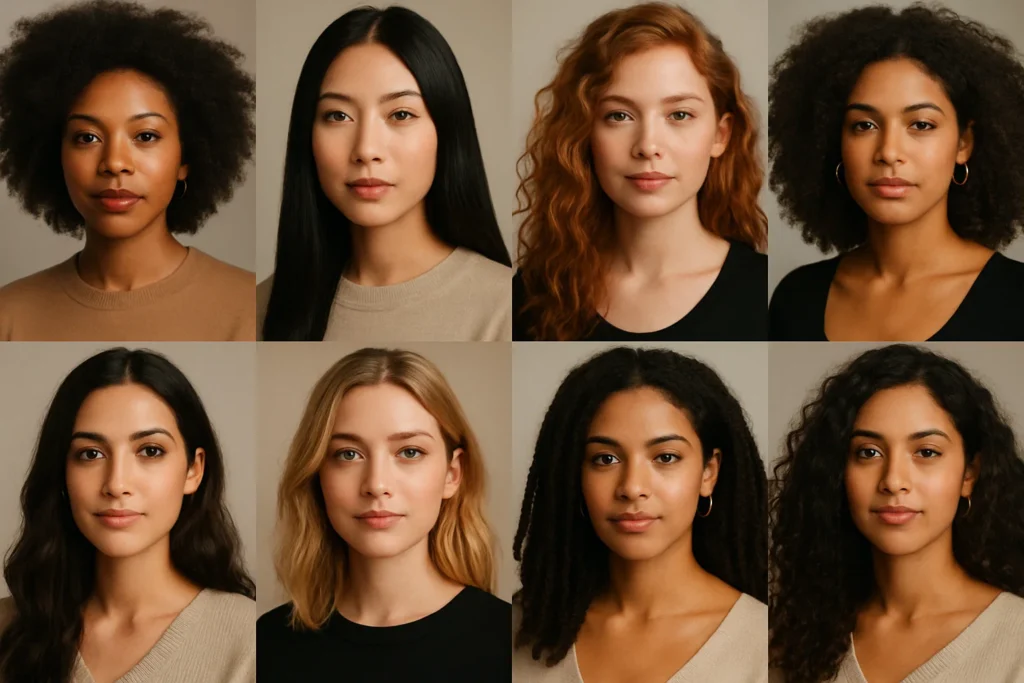
Okay, so what’s the deal with hair types anyway? Basically, it’s a system for figuring out what kind of hair you have so you can take better care of it. Think of it like a cheat sheet for your hair. It’s not just about whether your hair is straight, wavy, curly, or coily. It also involves things like how thick each strand is and how well your hair holds moisture. Knowing your hair type can seriously change your hair game, helping you pick the right products and styling methods.
Importance of Hair Categories
Why should you even bother with hair categories? Well, imagine using a heavy, greasy product on fine hair – disaster! Understanding hair categories helps you avoid those kinds of mistakes. It’s about finding products that actually work for your hair, not against it. Plus, it can save you money in the long run because you won’t be buying a bunch of stuff that doesn’t do anything. It’s also super helpful for styling. Knowing your hair type means you can choose styles that will actually hold and look good, instead of ending up with a frizzy mess. For example, understanding hair classification can help you choose the right products.
Common Misconceptions
There are a few things people often get wrong about hair categories. First, it’s not an exact science. You might find that you have a mix of hair types, or that your hair changes over time. Also, hair type isn’t the only thing that matters. Things like your hair’s porosity (how well it absorbs moisture) and density (how thick your hair is overall) also play a big role. And finally, don’t think that one hair type is better than another. It’s all about working with what you’ve got and finding what makes your hair look and feel its best.
It’s easy to get caught up in wanting a different hair type, but the truth is, every hair type has its own unique beauty and advantages. The key is to learn how to care for your specific hair type and embrace its natural characteristics.
The Four Main Hair Types
Okay, so let’s break down the main hair types. It’s not as complicated as it seems, I promise! Basically, everyone’s hair falls into one of four categories: straight, wavy, curly, or coily. Each one has its own quirks and needs, and understanding where you fit in is the first step to happy hair.
Type 1: Straight Hair
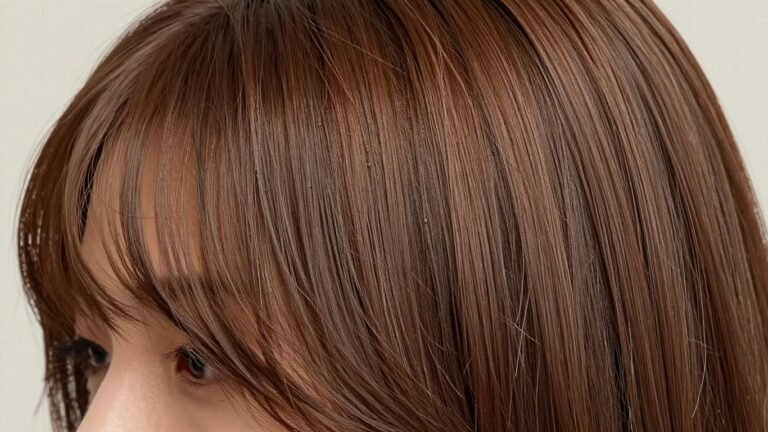
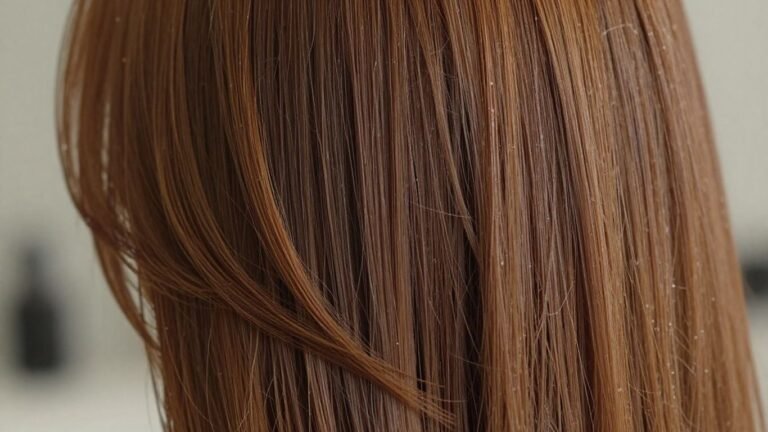
Straight hair, or Type 1, is pretty much what it sounds like: hair that falls straight without any natural curl or wave. The main thing about straight hair is that the natural oils from your scalp can travel down the hair shaft really easily. This can make it look super shiny, but it also means it can get oily faster than other hair types. People with straight hair often find themselves washing their hair more frequently to combat the grease. It’s usually pretty easy to manage, but can sometimes lack volume. If you’re looking to add some oomph, volumizing products are your best friend. You can find the right products for your hair type.
Type 2: Wavy Hair
Wavy hair, or Type 2, is that sweet spot between straight and curly. It’s got a natural “S” shape to it, and the waves can range from loose and beachy to more defined. Frizz is often a concern with wavy hair, especially in humid weather. Finding the right balance of moisture is key – too much and it can get weighed down, too little and it’ll be a frizzy mess.
Type 3: Curly Hair
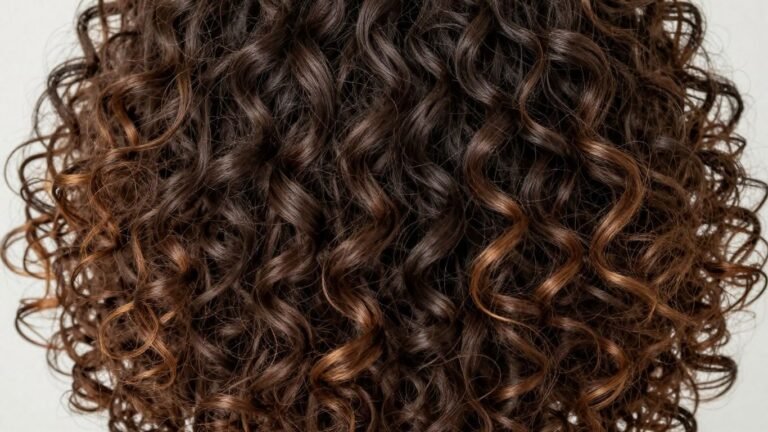
Curly hair, or Type 3, is where we start seeing some serious curl action. The curls can be tight and springy, or looser and more flowing. The defining characteristic of curly hair is its distinct curl pattern, which can range from loose loops to tight ringlets. Hydration is super important for curly hair, as it tends to be drier than straight or wavy hair. This is because the natural oils from the scalp have a harder time traveling down the twists and turns of the curls. Deep conditioners and leave-in treatments are a curly-haired person’s best friend.
Type 4: Coily Hair
Coily hair, or Type 4, is the most tightly coiled hair type. It’s often referred to as kinky or Afro-textured hair. Coily hair is naturally very dry and fragile, so moisture is absolutely essential. The curl pattern can range from tight coils to zig-zag patterns, and it often experiences significant shrinkage. This means that the hair appears much shorter than it actually is. Protective styling, like braids and twists, is a great way to help retain moisture and prevent breakage.
Understanding these four main hair types is the foundation for figuring out the best way to care for your own hair. It’s all about learning what your hair needs and finding the right products and techniques to keep it healthy and happy.

Subcategories of Hair Types
Okay, so you’ve figured out your main hair type – straight, wavy, curly, or coily. But guess what? It doesn’t stop there! Each of these main types has subcategories, labeled A, B, and C, that describe the specific characteristics of your hair even further. Think of it as fine-tuning your understanding of your hair. It’s like saying you have a dog, but then specifying it’s a golden retriever versus a chihuahua. Big difference, right?
Type 1 Subcategories
Type 1 hair, or straight hair, is categorized by how fine or coarse the hair is, and how much body it has. It’s all about the details when there’s no curl to speak of!
- Type 1A: This is usually very fine, thin, and soft hair. It’s often hard to get it to hold a curl. Think of it as super sleek and straight.
- Type 1B: This type has a bit more body and volume than 1A. It’s still straight, but it’s not quite as flat. It might hold a curl a little better.
- Type 1C: This is the coarsest of the straight hair types. It might have a slight bend or wave to it, and it’s usually thicker than 1A or 1B. This type can be prone to frizz.
Type 2 Subcategories
Wavy hair, or Type 2, is all about the shape of the wave. Is it a loose bend, a defined S-shape, or something in between? This determines the subcategory. Knowing your wave pattern helps you choose the right products to enhance, not weigh down, your waves.
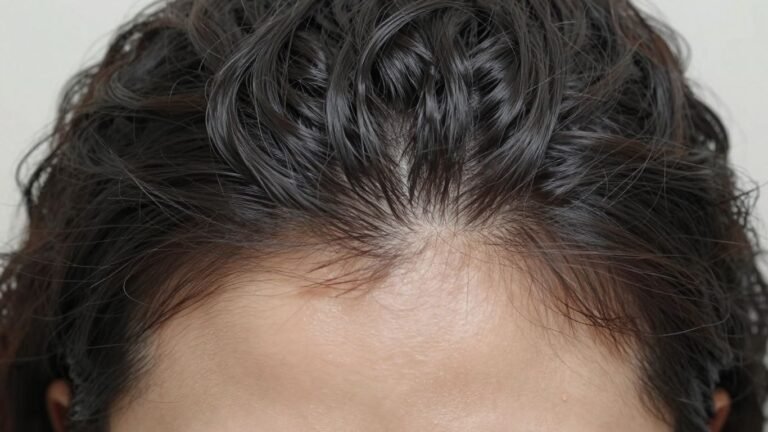
- Type 2A: This type has a loose, tousled texture. The hair lies fairly flat at the crown and gets wavier from the ears down. It’s easy to straighten.
- Type 2B: The waves are more defined than 2A and start closer to the head. This type is more prone to frizz and can be a bit harder to straighten.
- Type 2C: This is the waviest of the wavy types. It can have some loose curls mixed in with the waves, and it’s often thick and prone to frizz. It can be mistaken for curly hair.
Type 3 Subcategories
Curly hair, or Type 3, is defined by the tightness of the curls. Are they loose and bouncy, or tight and springy? This is where we get into the A, B, C’s of curl definition. It’s important to understand that shrinkage is a big factor here. Your hair might look longer when wet, but it’ll bounce up when it dries!
- Type 3A: These are large, loose curls. They’re well-defined and have a natural S-shape. They’re usually easy to straighten.
- Type 3B: These curls are tighter and springier than 3A. They can range from ringlets to corkscrews. This type is more prone to frizz and dryness.
- Type 3C: These are the tightest of the curly types. They’re densely packed corkscrews. This type is very prone to dryness and breakage.
Type 4 Subcategories
Coily hair, or Type 4, is characterized by tight coils and zig-zag patterns. This hair type is often very fragile and prone to dryness, so moisture is key! The subcategories are based on the tightness of the coils and the overall texture of the hair.
- Type 4A: These coils are tightly packed and have a defined S-pattern when stretched. They’re usually fine in texture.
- Type 4B: This type has a less defined curl pattern and more of a zig-zag shape. The strands are usually tightly angled. It can appear fluffy.
- Type 4C: This is the tightest coil pattern. The hair is densely packed and can have very little definition. It experiences the most shrinkage and is the most fragile of all hair types.
Understanding these subcategories can really help you tailor your hair care routine. It’s not just about knowing you have curly hair, but knowing what kind of curly hair you have. This knowledge empowers you to choose the right products and techniques to keep your hair healthy and looking its best.

Key Terms in Hair Categories
Cuticle and Follicle
Okay, so when we talk about hair, we throw around words like cuticle and follicle, but what do they really mean? The cuticle is the outermost layer of your hair shaft, acting like a protective shield. Think of it like shingles on a roof. The follicle, on the other hand, is where the hair actually grows from, down in your scalp. The shape of the follicle even determines if your hair is straight or curly! It’s pretty wild when you think about it.
Texture and Porosity
Two more key terms you’ll hear a lot are texture and porosity. Texture refers to the thickness of a single strand of hair – is it fine, medium, or coarse? Porosity, though, is all about how well your hair absorbs moisture. High porosity hair soaks up water quickly but can also lose it just as fast, while low porosity hair resists moisture. Knowing your hair’s porosity is super important for choosing the right products. For example, someone with mixed hair might need to consider both texture and porosity when selecting a conditioner.
Density and Curl Pattern
The final pieces of the puzzle are density and curl pattern. Density refers to how many strands of hair you have per square inch on your scalp – low, medium, or high. Curl pattern, well, that’s how your hair naturally curls, waves, or coils. It ranges from straight (Type 1) to tightly coiled (Type 4), with wavy (Type 2) and curly (Type 3) in between. Understanding your curl pattern helps you pick the best styling techniques and products to enhance your natural look.
It’s worth noting that many people have a combination of hair types and textures. Don’t feel like you need to fit perfectly into one box. The goal is to understand your hair’s unique characteristics so you can care for it in the best way possible.
How to Determine Your Hair Type
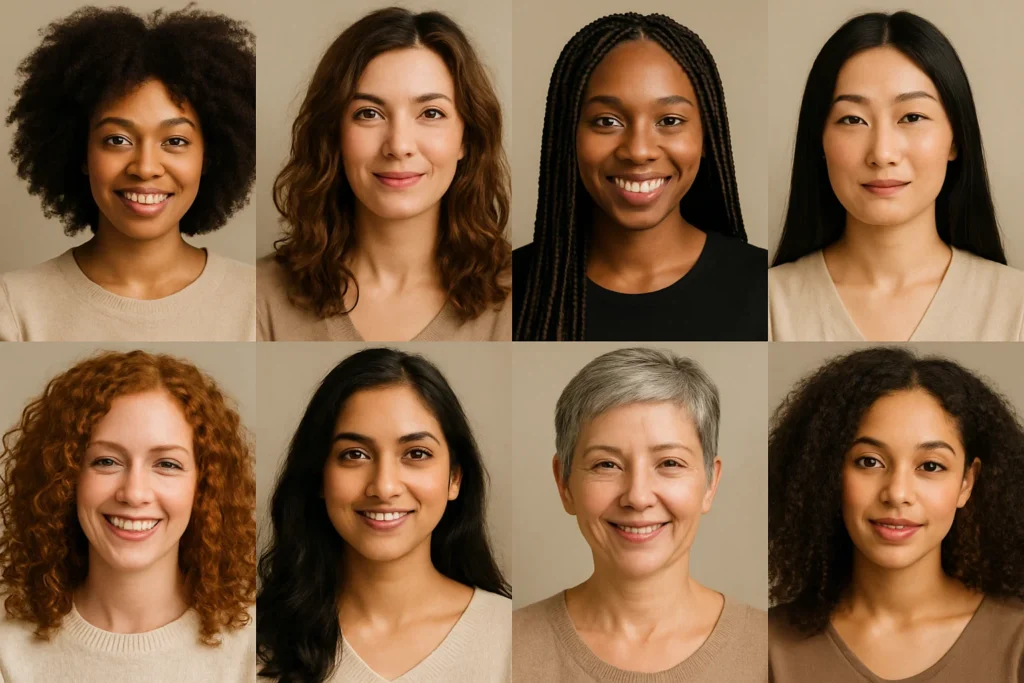
It can be tricky figuring out your hair type, but it’s super helpful for picking the right products and styling techniques. There are a few ways to go about it, and honestly, it might take a little experimenting to nail down exactly where you fit. Don’t stress if you feel like you’re between categories – a lot of people are!
Self-Assessment Techniques
Okay, so first things first: wash your hair and let it air dry completely without using any products. This gives you the most natural look at your hair’s true form. Once it’s dry, take a good look in the mirror.
- Is it straight when it dries naturally?
- Maybe it develops a slight wave?
- Or perhaps it forms defined curls or tight coils?
Next, consider how your hair feels to the touch. Is the texture fine, medium, or coarse? Try the finger-and-thumb test: gently grasp a strand—if you can barely feel it, it’s likely fine; if you feel it a bit, it’s medium; and if it feels thick, it’s coarse. Think about how your hair behaves during the day as well. Does it tend to get oily quickly? Is it prone to frizz? Does it hold styles easily? These small details can offer useful insight.
Using a Hair Type Chart
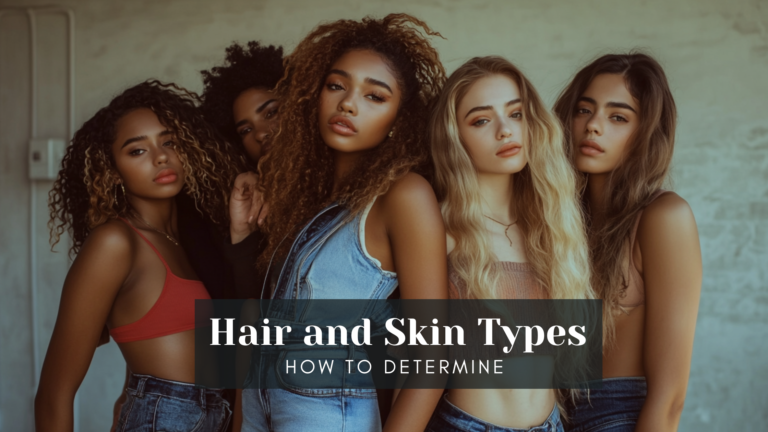
Hair type charts are your friend! They visually break down the four main hair types (straight, wavy, curly, and coily) and their subcategories (A, B, and C). You can easily find these charts online. Compare your air-dried hair to the images on the chart and see which one looks most similar. Remember, it doesn’t have to be a perfect match. You might find that you have a combination of types, especially if you have different textures in different areas of your head. For example, you might have type 2A hair in some spots and 2B in others.
Consulting with Professionals
If you’re still unsure after trying the self-assessment and using a hair type chart, consider talking to a hairstylist or a dermatologist. They can take a close look at your hair and scalp and give you a professional opinion. They can also help you identify any underlying issues that might be affecting your hair’s texture or behavior. A professional can also give you personalized recommendations for products and styling techniques that will work best for your specific hair type and needs.
It’s important to remember that hair typing is just a starting point. It’s a tool to help you understand your hair better, not a rigid set of rules. The most important thing is to find products and techniques that work for you and make you feel confident in your own skin (or, in this case, your own hair!).
Hair Care Tips for Different Categories

Products for Straight Hair
Taking care of straight hair can be easy, but it’s also easy to make mistakes. The key is to avoid weighing it down. Straight hair tends to get oily faster because the natural oils from the scalp can easily travel down the hair shaft.
- Use lightweight shampoos and conditioners. Look for volumizing formulas.
- Dry shampoo is your friend. Use it between washes to absorb excess oil.
- Avoid heavy serums and oils that can make your hair look greasy. Instead, try a light mist or spray.
Straight hair can sometimes lack volume and texture. Consider using texturizing sprays or mousses to add some oomph without weighing it down. A good haircut with layers can also make a big difference.
Products for Wavy Hair
Wavy hair needs a balance of moisture and hold to look its best. Finding the right products can be a bit of trial and error, but once you find what works, it’s smooth sailing.
- Use a moisturizing shampoo and conditioner to combat frizz.
- Try a leave-in conditioner or curl cream to define your waves.
- Consider using a diffuser when blow-drying to enhance your natural wave pattern.
Products for Curly Hair
Curly hair often craves moisture. Hydration is the name of the game. Without enough moisture, curls can become dry, frizzy, and prone to breakage.
- Use a sulfate-free shampoo to avoid stripping your hair of its natural oils.
- Deep condition regularly to replenish moisture.
- Apply a curl-defining cream or gel to enhance your curl pattern and reduce frizz.
- Consider the LOC method (Liquid, Oil, Cream) for maximum moisture retention.
Products for Coily Hair
Coily hair is the most fragile of all hair types and requires extra care and attention. It’s naturally dry, so moisture is absolutely essential. Hair type chart can help you find the right products.
- Use a moisturizing shampoo and conditioner specifically designed for coily hair.
- Deep condition weekly with a rich, hydrating mask.
- Apply a leave-in conditioner, oil, and cream to lock in moisture.
- Protective styling is a great way to minimize manipulation and prevent breakage.

Styling Techniques for Each Hair Type
Best Styles for Straight Hair
Styling straight hair can be a breeze, but it’s all about finding the right balance to avoid flatness or oiliness. The key is to add volume and texture without weighing the hair down.
- Consider layered cuts to create movement.
- Use texturizing sprays or dry shampoo for added grip.
- Try heatless styling methods like braiding overnight for subtle waves.
Straight hair often benefits from products that provide lift at the roots. Experiment with different mousses and volumizing shampoos to find what works best for you. Remember, less is more – avoid heavy products that can make your hair look greasy.
Best Styles for Wavy Hair
Wavy hair has a beautiful natural texture that can be enhanced with the right styling techniques. Embrace the waves and work with their natural movement.
- Try air-drying with a curl-enhancing cream to define waves.
- Use a diffuser when blow-drying to prevent frizz and add volume.
- Experiment with braids and updos to showcase the natural texture.
Best Styles for Curly Hair
Curly hair is versatile and can be styled in countless ways, but it requires moisture and definition. Maintaining moisture is crucial for healthy, defined curls.
- Use the LOC (Liquid, Oil, Cream) method to hydrate and seal in moisture.
- Try finger coiling or shingling to define individual curls.
- Consider protective styles like twists or braids to minimize breakage.
Best Styles for Coily Hair
Coily hair is known for its versatility and unique texture, but it can also be prone to dryness and breakage. Protective styling is essential for maintaining length and health.
- Try bantu knots or twist-outs to stretch and define coils.
- Use a leave-in conditioner and oil to keep hair moisturized.
- Coily hair thrives with deep conditioning treatments and gentle handling. Avoid harsh chemicals and excessive heat styling to prevent damage. Regular trims are also important to remove split ends and promote healthy growth. For type 1c hair, consider lightweight products to avoid weighing down the subtle wave.
Wrapping It Up
So there you have it! Understanding your hair type is super important for keeping your locks looking their best. Whether you’ve got straight, wavy, curly, or coily hair, knowing what you’re working with helps you choose the right products and styles. It might feel a bit overwhelming at first, but don’t stress. Just take your time, look at the charts, and experiment a little. Remember, most people have a mix of textures, and that’s totally normal. So go ahead, embrace your unique hair, and have fun with it!

Frequently Asked Questions
What are the main hair types?
There are four main hair types: straight, wavy, curly, and coily. Each type has its own unique features.
How can I find out my hair type?
To determine your hair type, wash and dry your hair without using any products, then compare it to a hair type chart.
What are subcategories in hair types?
Each main hair type has subcategories A, B, and C, which show more specific textures and patterns.
Why is knowing my hair type important?
Knowing your hair type helps you choose the right products and styles that work best for your hair.
Can I have more than one hair type?
Yes! Many people have different hair types in different areas of their scalp.
What products should I use for my hair type?
Each hair type needs specific products. For example, straight hair might need lightweight products, while curly hair benefits from moisturizing products.

Just a smiling visitant here to share the love (:, btw outstanding style.