
Acne Breakouts
Breaking out with acne can be frustrating and often seems to happen out of nowhere. However, there are various factors, from daily habits to environmental changes, that can contribute to the health of our skin. Understanding these elements can help in managing and preventing breakouts. This article delves into the common causes of breaking out and offers practical advice on how to maintain clear skin.
Key Takeaways
- Makeup, oil, and dirt accumulation throughout the day can clog pores and cause acne; using noncomedogenic products and proper makeup removal techniques can prevent breakouts.
- Environmental factors such as travel, climate change, and sun exposure can stress the skin and provoke acne; adapting skincare routines and using appropriate sunscreen can help.
- Dry skin and hormonal fluctuations are surprising triggers of acne; maintaining skin hydration and managing stress can mitigate breakouts.
- Modern technology like cell phones can harbor bacteria that lead to acne; regular cleaning of devices is essential for skin health.
- Hair care products and certain cosmetics can cause ‘pomade acne’ and ‘acne cosmetica’; being aware of pore-clogging ingredients and choosing the right products can reduce the risk.

The Impact of Daily Habits on Skin Health
The Triple Threat: Makeup, Oil, and Dirt
At the end of the day, your skin has been exposed to a combination of makeup, oil, and dirt. This trio can lead to clogged pores, creating an ideal environment for acne-causing bacteria to thrive and cause breakouts. To combat this, it’s essential to adopt a thorough skin cleansing routine.
Skin cleansing is vital for healthy skin. Consistent cleansing with suitable products, techniques, and frequency improves skin health. Tailor routine to skin type for best results.
Here are some practical steps to keep your skin clear:
- Choose noncomedogenic makeup that won’t clog pores.
- Wash your face every night with a gentle cleanser.
- Regularly clean your makeup brushes to prevent bacterial transfer.
- Avoid sharing makeup to reduce the risk of contamination.
Remember, the key to preventing acne is not just the products you use but also how you remove them. Ensure you’re removing makeup thoroughly each night, especially around the eyes, and keep your shower accessories clean and dry to prevent bacterial growth.
The Importance of Noncomedogenic Products
When it comes to maintaining clear skin, the products you use are just as crucial as your cleansing routine. Noncomedogenic products are specifically formulated to not block pores, which is vital for preventing acne flare-ups. These products range from moisturizers to makeup and are designed to allow the skin to breathe, reducing the risk of trapped bacteria and subsequent breakouts.
It’s essential to be vigilant about the ingredients in your skincare and makeup products. Opting for items labeled as ‘oil-free’ and ‘non-comedogenic’ can make a significant difference in your skin’s health.
Here are some steps to ensure you’re using noncomedogenic products effectively:
- Always read the ingredients list and look for terms like ‘oil-free’ and ‘non-comedogenic’.
- Cleanse your face thoroughly before bed, removing all makeup, including eye products.
- Regularly clean your makeup brushes and sponges to prevent bacterial transfer.
- Choose lightweight lotions over rich creams, especially if you have oily or acne-prone skin.
Remember, even the right products need to be used correctly. Avoid heavy application and ensure that you’re not just covering up the problem but actively preventing it.
Proper Makeup Removal Techniques
Ensuring that your makeup is thoroughly removed before bedtime is crucial for maintaining clear skin. An oil-based cleanser or micellar water are both dermatologist-recommended options for effective makeup removal. These products work to dissolve makeup and impurities without stripping the skin of its natural oils.
- Start by gently applying the cleanser to dry skin, massaging in a circular motion.
- Rinse with lukewarm water or use a soft, damp cloth to wipe away the cleanser and makeup.
- Follow up with a water-based cleanser for a double-cleansing effect, ensuring all traces of makeup and oil are gone.
Remember, the goal is not just to remove makeup, but also to prevent the buildup of oil and dirt that can lead to acne cosmetica.
Regularly cleaning your makeup brushes and sponges is also essential to avoid reintroducing bacteria to your skin. Make it a habit to cleanse these tools at least once a week to maintain their hygiene and your skin’s health.
Environmental Factors and Your Skin

Traveling and Skin Stress
Traveling introduces your skin to new environments, which can lead to increased stress and the potential for breakouts. The change of environment — such as variations in sun, heat, and humidity — can trigger acne as your skin tries to adapt to unfamiliar conditions.
While you can’t control the weather or humidity of your destination, you can manage how your skin reacts. Using sunscreen with zinc oxide or titanium dioxide can help, and it’s crucial to avoid introducing new skincare products during this period of adjustment.
To maintain radiant skin while on the move, consider these essential tips:
- Exfoliate regularly to combat environmental pollutants and impurities.
- Stick to your skincare routine as much as possible.
- Avoid heavy makeup that can clog pores in different climates.
- Stay hydrated to support your skin’s natural barrier.
Remember, your skin’s reaction to travel is a response to being challenged by new elements. With the right care, you can minimize stress-induced breakouts and keep your skin looking its best.
Adapting to New Climates Without Causing Breakouts
When you travel, your skin encounters new environmental conditions that can lead to breakouts. Adapting your skincare routine to the local climate is crucial for maintaining clear skin. Avoid introducing new products during this period, as your skin is already adjusting to the change in weather, humidity, and sun exposure.
- Use a sunscreen with zinc oxide or titanium dioxide to protect against sun-induced acne.
- Stick to your tried-and-true skincare products to minimize irritation.
- Allow your skin time to acclimate before making any significant changes to your routine.
Remember, your skin’s reaction to new environments is a natural response. Patience and gentle care can help prevent stress-related breakouts.
The Role of Sun Exposure in Acne Formation
While the sun’s rays might temporarily mask the appearance of acne, it’s a misconception that tanning can clear it up. Sun exposure can lead to oxidative reactions that are harmful to the skin and may exacerbate acne issues. It’s crucial to understand that while vitamin D from sunlight has potential benefits, relying on the sun for acne treatment is not advisable.
The use of sunscreen is essential, especially for those with acne-prone skin. A dermatologist can recommend a sunscreen that balances protection with the need for vitamin D. Remember, not all sunscreens are created equal for acne-prone skin:
- Chemical sunscreens absorb UV rays but may irritate sensitive skin.
- Physical (mineral) sunscreens act as a barrier on the skin’s surface.
Choosing the right sunscreen is a step towards managing acne effectively without compromising on sun protection.
Heavier sunscreens may promote acne breakouts, so it’s important to select a product that is noncomedogenic and suitable for your skin type.
The Surprising Culprits Behind Acne
Dry Skin and Acne: The Unexpected Connection
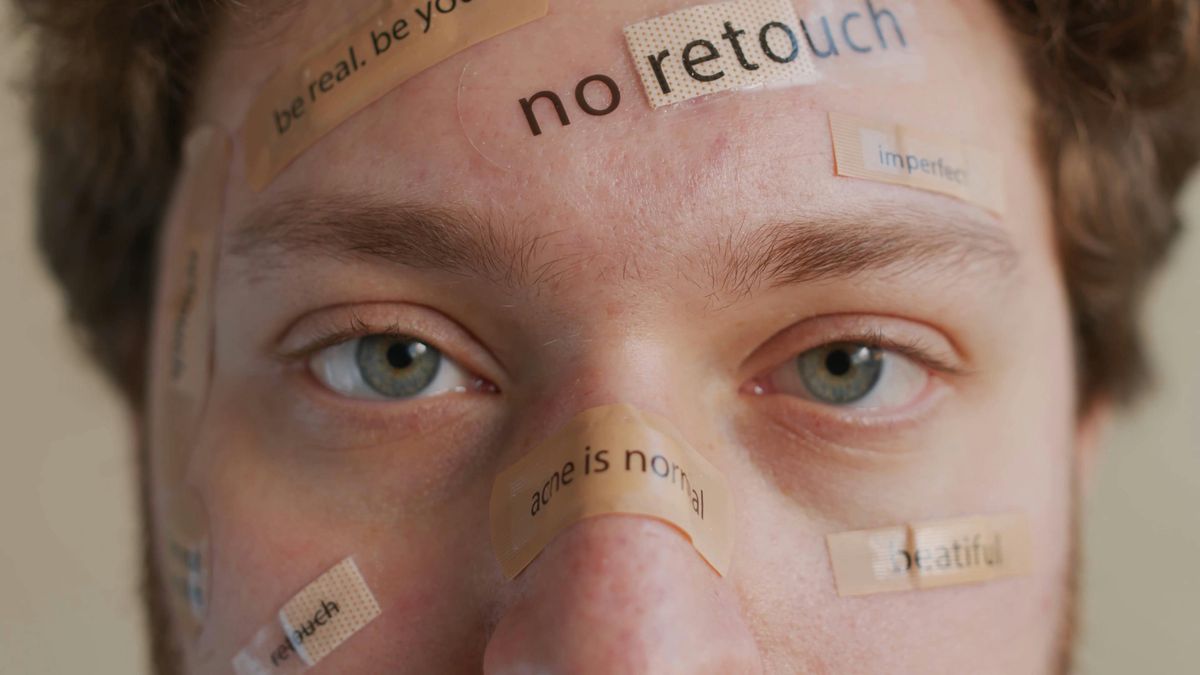
Contrary to popular belief, dry skin can be a breeding ground for acne. It’s not just oily skin that’s prone to breakouts; dry skin can also contribute to the problem. When the skin lacks moisture, it may respond by producing more sebum, leading to clogged pores and acne.
Maintaining a healthy moisture barrier is crucial for both hydration and protection against impurities. Overusing acne products or using those with high concentrations can disrupt this balance, potentially causing more breakouts.
To combat acne on dry skin, it’s essential to strike a balance between moisturizing and treating the acne. A gentle, hydrating acne treatment can help manage breakouts without further drying the skin.
Remember, the key is to keep the skin well-hydrated without overloading it with heavy creams that might clog pores. Look for noncomedogenic and hydrating ingredients that support skin health without contributing to acne.
Hormonal Fluctuations and Adult Acne
Adult acne often takes a different form than the more familiar teenage spots. Hormonal fluctuations are a significant factor, particularly in women. These fluctuations can be due to the menstrual cycle, perimenopause, or medical conditions like polycystic ovary syndrome (PCOS). Unlike teenage acne, which is often on the skin’s surface, adult acne can manifest as painful cystic acne on the chin and jawline or as comedones that remain under the skin.
Hormonal acne is not just a teenage issue; it’s prevalent among adults too, with a variety of underlying causes.
The excess production of sebum oil due to hormonal imbalances can lead to acne in specific areas, such as the chin. This is often exacerbated by stress, lack of sleep, and certain products or medications. It’s important to identify the type of acne to tailor the treatment effectively.
Here are some common triggers and factors associated with hormonal acne:
- Stress and lack of sleep
- Use of certain skincare and haircare products
- Medications, including hormonal treatments
- Underlying medical conditions
Natural remedies like aloe vera, tea tree oil, apple cider vinegar, green tea, witch hazel, zinc, and brewer’s yeast can benefit acne-prone skin, but results vary. Consult a dermatologist for severe acne.
Stress-Induced Breakouts and How to Manage Them
In today’s fast-paced world, stress has become an inescapable part of life, and its effects on skin health are significant. Stress can lead to the release of inflammatory chemicals and hormonal changes, which often result in acne flare-ups. Even positive events that we look forward to can trigger unexpected breakouts, leaving us searching for quick solutions.
To combat stress-induced acne, it’s essential to incorporate acne-fighting products into your skincare routine. Look for key ingredients like salicylic acid and benzoyl peroxide, which are effective in clearing up breakouts. However, managing stress isn’t just about topical treatments; it’s also about finding ways to relax and calm your nerves. Whether it’s through yoga, deep-breathing exercises, or simply enjoying a favorite movie, taking time to unwind can be a powerful tool in preventing future acne issues.
While stress alone cannot cause acne, it can certainly aggravate it. Therefore, addressing stress is a crucial step in maintaining clear skin.
Remember, your skin is a reflection of your overall well-being. By managing stress and taking care of your skin with the right products, you can help prevent the vicious cycle of stress-induced acne.
Modern Technology and Skin Concerns

Cell Phones: A Hidden Source of Bacteria
It’s no secret that our cell phones are breeding grounds for bacteria. Constant contact with various surfaces throughout the day turns them into a petri dish of microorganisms that can wreak havoc on our skin. When pressed against the face during calls, these bacteria can transfer directly to our skin, potentially leading to acne mechanica—pimples caused by friction and bacteria.
To minimize the risk of breakouts, it’s crucial to keep your cell phone clean. Regularly wiping down your phone with an alcohol swab can significantly reduce the amount of bacteria that comes into contact with your skin. Additionally, using headphones during calls can prevent the phone from rubbing against your face, further reducing the chance of acne mechanica.
Here are some simple steps to keep your phone and skin clean:
- Wipe down your cell phone with an alcohol swab at least once a day.
- Use headphones or speakerphone to avoid direct contact with your face.
- Avoid touching your face after using your phone to prevent bacteria transfer.
- Consider using acne products with ingredients like salicylic acid and benzoyl peroxide to address any breakouts.
The Consequences of Constant Connectivity on Skin Health
In today’s digital age, our skin is silently suffering from our constant connectivity. Prolonged exposure to screens not only strains our eyes but also our skin. Blue light from digital devices can penetrate deeply into the skin, potentially leading to premature aging and disruption of sleep patterns, which are crucial for skin repair.
- Blue light exposure from screens may accelerate aging.
- Sleep disruption can hinder the skin’s natural repair process.
- Constant handling of devices increases contact with bacteria.
It’s essential to take proactive steps to mitigate these effects. For instance, limiting screen time before bed can help maintain a healthy sleep cycle, thus supporting skin health. Additionally, regular cleaning of devices can reduce the transfer of bacteria to the face. Remember, your skin needs a break from screens as much as your eyes do.
While we can’t escape technology, we can certainly manage its impact on our skin by adopting healthier habits and being mindful of our screen time.
Cosmetic and Hair Care Products: Navigating the Acne Minefield
Acne Cosmetica: When Makeup Causes Breakouts
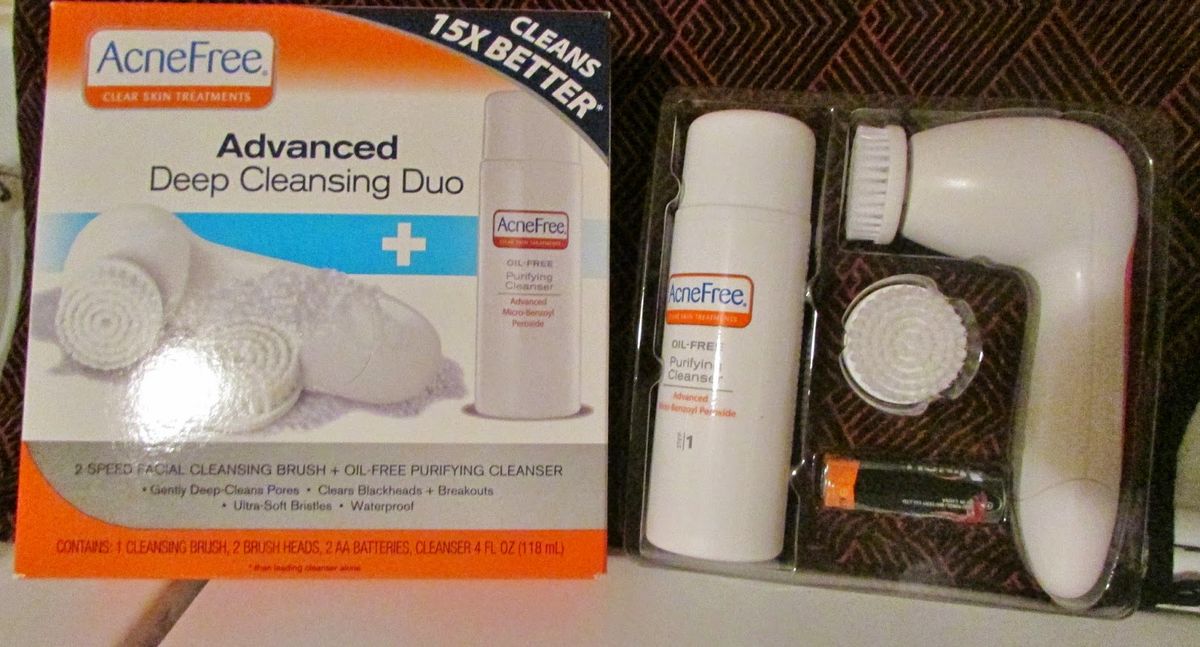
The struggle with acne cosmetica is real for many who adorn makeup. This type of acne is specifically triggered by certain cosmetic products that block pores, leading to those unwanted blemishes. It’s not just about what you put on your skin, but also about how you take it off. Inadequate removal of makeup can leave behind a mix of cosmetics, oil, and dirt, creating the perfect storm for acne to flourish.
The key to preventing acne cosmetica lies in the careful selection and use of makeup, as well as a diligent skincare routine.
Here are some practical tips to help you avoid this makeup mishap:
- Choose noncomedogenic makeup that won’t clog pores.
- Cleanse your skin thoroughly every night to remove makeup and impurities.
- Regularly clean your makeup brushes to prevent bacterial build-up.
- Be cautious with new products; introduce them slowly to monitor skin reactions.
Remember, while makeup can conceal blemishes, it’s crucial to address the root cause to maintain clear skin. The Mixed Nature website explores acne management from puberty to adulthood, offering valuable insights into skincare routines that can help prevent acne cosmetica.
Hair Care Products and Forehead Acne
The unsuspecting bottle of shampoo or jar of styling cream sitting on your bathroom shelf could be the culprit behind those persistent forehead breakouts. Hair care products, particularly those rich in oils and other comedogenic ingredients, can easily migrate onto your skin and contribute to clogged pores. This phenomenon, often referred to as ‘pomade acne,’ is a common yet overlooked cause of acne along the hairline and forehead.
When it comes to preventing pomade acne, your hairstyle plays a significant role. Bangs or hairstyles that come into constant contact with your forehead can exacerbate the issue by pressing hair products directly against your skin. To mitigate this, consider styling your hair away from your face and be mindful of how you apply products.
Here are some practical tips to keep your skin clear:
- Apply hair products with your hands, avoiding the hairline.
- After styling, use a facial cleanser to remove any product residue from your skin.
- Opt for noncomedogenic hair care items that are less likely to clog pores.
Remember, the key to maintaining clear skin is not just about the skincare products you use, but also about being aware of other products that come into contact with your skin, such as those for hair care.
Identifying and Avoiding Pore-Clogging Ingredients
Understanding the ingredients in your skincare and makeup products is crucial to preventing acne breakouts. Look for products labeled as ‘oil-free’ and ‘non-comedogenic’, which are less likely to clog pores. It’s not just about what you apply, but also about maintaining cleanliness; make sure to cleanse your face thoroughly before bed and regularly clean your makeup tools to avoid bacteria buildup.
When selecting moisturizers, opt for lightweight lotions over rich creams, especially if you have acne-prone skin. A well-chosen moisturizer can maintain hydration without contributing to clogged pores. Here’s a simple list to help you identify common pore-clogging ingredients:
- Silicones
- Certain oils (like coconut oil)
- Lanolin
- Petroleum
Remember, the key to clear skin is not just the products you use, but also how you use them. Consistency and proper application are essential.
For a comprehensive list of ingredients to avoid, consider using tools like the Pore-Clogging Ingredients Checker & List provided by CLEARSTEM Skincare. This resource can guide you in making informed choices about the products you incorporate into your skincare routine.
Conclusion
Understanding the myriad factors that contribute to breakouts is the first step towards clearer skin. From the makeup and hair care products we use to the stress of travel and environmental changes, our skin is constantly facing challenges that can lead to acne. It’s not just about oily or dry skin; it’s also about how we manage our skin care routines and lifestyle choices. By being mindful of the products we apply, keeping our makeup tools clean, and being cautious with new skin care regimens, especially when traveling, we can help mitigate some of these breakout triggers. Remember to clean your phone regularly to avoid transferring bacteria to your face and consider your hormonal levels as they can also play a significant role in skin health. Ultimately, achieving a balance in skin care, hygiene, and stress management can pave the way to a healthier, more radiant complexion.

Frequently Asked Questions
Why does makeup, oil, and dirt cause breakouts?
Makeup, oil, and dirt can build up on the skin throughout the day, forming a ‘triple threat’ that clogs pores and traps acne-causing bacteria, leading to breakouts. It’s important to use noncomedogenic products, clean your face thoroughly each night, and maintain clean makeup brushes to prevent this.
How can traveling to a new environment affect my skin?
Traveling exposes your skin to new weather conditions, such as sun, heat, and humidity, which it’s not accustomed to. This environmental stress can cause your skin to react by breaking out. Using sunscreen with zinc oxide or titanium dioxide and avoiding new skincare products can help manage this.
Can dry skin also cause acne?
Yes, dry skin can contribute to acne as it may develop microscopic cracks where bacteria can multiply, and flaking skin can clog pores. It’s essential to keep the skin well-moisturized and exfoliated to prevent dry skin-related breakouts.
What role do hormonal fluctuations play in adult acne?
Hormonal fluctuations, such as those during premenstrual periods or perimenopause, can cause breakouts in adults. These changes in hormone levels can stimulate oil production and lead to acne.
How can my cell phone cause acne?
Cell phones can harbor bacteria from constant handling and being placed on various surfaces. When you hold your phone against your face, these bacteria can transfer to your skin and contribute to acne. Cleaning your phone with an alcohol wipe daily can help reduce this risk.
Can hair care products cause acne on my forehead?
Yes, hair care products can cause ‘pomade acne’ when oils from the products seep onto the forehead, trapping bacteria in the pores. This can lead to inflammation, redness, pus, and eventually blackheads and whiteheads along the hairline and forehead. It’s important to keep your hairline clean and avoid pore-clogging ingredients in hair products.


Thank you for your sharing. I am worried that I lack creative ideas. It is your article that makes me full of hope. Thank you. But, I have a question, can you help me?
Can you be more specific about the content of your article? After reading it, I still have some doubts. Hope you can help me.
Thank you for your sharing. I am worried that I lack creative ideas. It is your article that makes me full of hope. Thank you. But, I have a question, can you help me?
Your point of view caught my eye and was very interesting. Thanks. I have a question for you.
Your article helped me a lot, is there any more related content? Thanks!
Thank you, your article surprised me, there is such an excellent point of view. Thank you for sharing, I learned a lot.
Thank you for your sharing. I am worried that I lack creative ideas. It is your article that makes me full of hope. Thank you. But, I have a question, can you help me?
Can you be more specific about the content of your article? After reading it, I still have some doubts. Hope you can help me.
Can you be more specific about the content of your article? After reading it, I still have some doubts. Hope you can help me.
https://t.me/s/Top_BestCasino/144
Your point of view caught my eye and was very interesting. Thanks. I have a question for you. https://accounts.binance.com/hu/register-person?ref=IQY5TET4
Your article helped me a lot, is there any more related content? Thanks!
Great write-up, I am regular visitor of one?¦s web site, maintain up the excellent operate, and It’s going to be a regular visitor for a long time.
Can you be more specific about the content of your article? After reading it, I still have some doubts. Hope you can help me.