
Ever wondered what makes Type 4A hair so special? This hair type is a beautiful blend of tight curls and coils, creating a unique texture that many love to flaunt. But, caring for these curls can be a bit tricky if you don’t know the ropes. From keeping them hydrated to styling them just right, there’s a lot to learn. Let’s dive into the essentials of maintaining and styling your Type 4A hair, ensuring those curls stay bouncy and healthy.
Key Takeaways
- Type 4A hair features tight, well-defined curls that form a spiral pattern.
- Maintaining moisture is key to keeping 4A curls healthy and preventing dryness.
- Choosing the right products, like sulfate-free shampoos and rich conditioners, can make a big difference.
- Protective styles like twist-outs and Bantu knots help in reducing breakage and split ends.
- Understanding the protein-moisture balance is crucial for avoiding hair damage and maintaining curl definition.

Characteristics of Type 4A Hair
Understanding the Curl Pattern
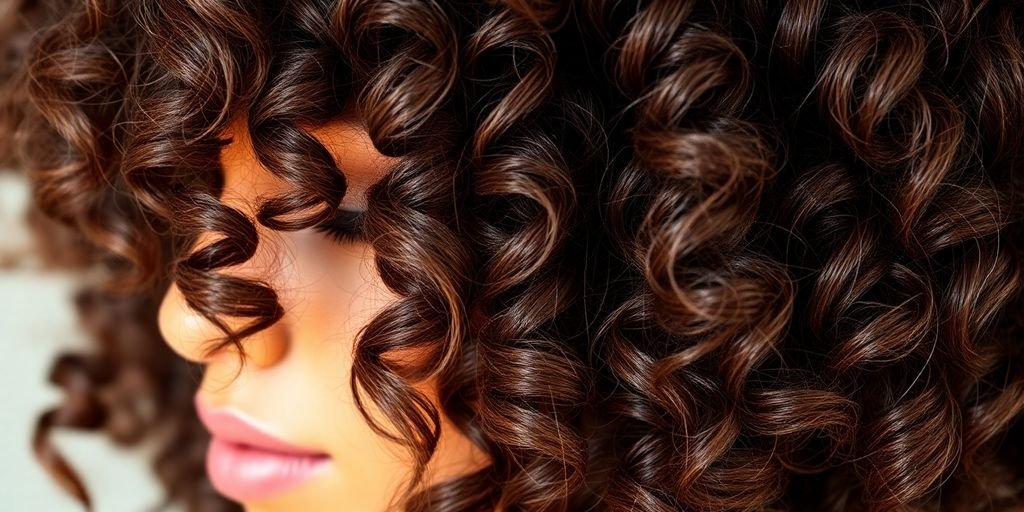
Type 4A hair is all about those tight coils. Imagine curls that look like tiny springs. These curls are usually about the width of a crochet needle, which gives them a noticeable and well-defined S-shape. If you’ve got this type of hair, you’ll know it by the way it forms these distinctive spirals. The curl pattern is not just a visual characteristic; it also plays a big role in how you care for and style your hair.
Density and Shrinkage
When it comes to density, 4A hair is typically very dense, meaning there’s a lot of hair packed into a small area. This density contributes to the overall volume and fullness of the hair. However, one of the quirks of 4A hair is shrinkage. Shrinkage can make your hair appear much shorter than it actually is. This happens because the tight curls contract as they dry. While shrinkage can be frustrating, it also means your hair is healthy and full of elasticity.
Texture and Definition
The texture of 4A hair can vary from fine to coarse, but it often feels soft to the touch. What really stands out is the definition of the curls. Thanks to their tight nature, 4A curls hold their shape well and are less prone to frizz compared to other curl types. This definition makes it easier to style and maintain, as the curls naturally separate and form without much coaxing. However, keeping them moisturized is key to maintaining this definition and avoiding dryness.
Essential Care Tips for Type 4A Hair
Moisture Retention Strategies
Keeping moisture locked in is like the holy grail for Type 4A hair. This hair type craves hydration, so it’s crucial to make sure your routine is all about keeping those curls quenched. Start by using a leave-in moisturizer to combat dryness. Incorporating stretching products can also help reduce shrinkage, giving your curls more length and bounce. Co-washing—using a conditioner instead of shampoo—can be a game changer. It cleanses without stripping natural oils, which are essential for maintaining moisture.
Choosing the Right Products
Picking the right products is half the battle won. Opt for sulfate-free shampoos and conditioners that are rich in natural oils and butters. These ingredients help to nourish and hydrate your hair, keeping it soft and manageable. Deep conditioners and hair masks can be your best friends, especially those formulated for coily hair. They provide that extra boost of moisture and help in detangling those stubborn knots.
Avoiding Common Mistakes
We’ve all made hair mistakes, but learning from them is key. Avoid using regular towels for drying your hair as they can lead to frizz. Instead, use a microfiber towel or an old t-shirt. They’re gentler and help maintain your curl pattern. Also, steer clear of heat styling tools as much as possible. If you must use them, make sure to apply a heat protectant to minimize damage.
“Keeping your Type 4A hair healthy is all about understanding its unique needs. Embrace its natural texture and give it the care it deserves.”
Effective Styling Techniques for Type 4A Hair
Twist-Outs and Bantu Knots
Twist-outs and Bantu knots are fantastic ways to showcase your 4A curls. These styles not only enhance your natural curl pattern but also offer a protective layer against breakage. To achieve a perfect twist-out:
- Start with freshly washed, damp hair.
- Apply a leave-in conditioner or styling cream to each section.
- Twist small sections of your hair, ensuring the twists are tight and even.
- Let them dry completely before unraveling for a bouncy, defined look.
Bantu knots, on the other hand, create a different texture and are perfect for a night out. Simply twist sections of your hair into small knots and secure them. Once dry, unravel for a fun and curly style.
Wash and Go Methods
For those busy days, a wash and go is your best friend. It’s all about simplicity and speed. After washing, apply a generous amount of styling gel or cream to wet hair. Rake the product through your curls with your fingers or a wide-tooth comb to ensure even distribution. Let it air dry or use a diffuser for faster results. This method helps to define your curls and reduce frizz.
Using Heat Safely
Heat can be a friend or foe to type 4A hair. If you decide to use heat, always start with a heat protectant to shield your strands. Opt for tools with adjustable temperature settings and keep the heat low. Limit heat styling to special occasions to maintain your hair’s health. Remember, frequent use can lead to dryness and damage, so it’s best to embrace your natural texture whenever possible.
Embracing your natural curls doesn’t mean limiting your style options. With the right techniques, your 4A hair can be versatile and vibrant. Whether you’re rocking a twist-out or a wash and go, your curls will shine.
Protective Styles for Type 4A Hair

Benefits of Protective Styling
Protective styles are a great way to give your hair a break from daily manipulation and protect your scalp from friction. By minimizing handling, these styles help reduce breakage and split ends, which is especially important for keeping your curls healthy. Plus, they can help you retain length by shielding your hair from environmental stressors. The less you mess with your hair, the more it grows.
Popular Protective Hairstyles
There are so many protective styles to choose from, each offering a unique look:
- Twists and Braids: These are classic options that can be styled in various ways, from simple two-strand twists to intricate box braids.
- Bantu Knots: Not only do they protect your hair, but when you unravel them, you get a beautiful curl pattern.
- Crochet Styles: These offer versatility and can mimic the look of natural hair or other textures.
Maintaining Styles for Longevity
To keep your protective styles looking fresh and your hair healthy, follow these tips:
- Moisturize regularly: Even when your hair is in a protective style, it still needs moisture. Use a leave-in conditioner or a light oil to keep your hair hydrated.
- Protect at night: Use a silk or satin bonnet or pillowcase to reduce friction while you sleep.
- Limit style duration: Don’t keep the style in for too long. Aim to change it every 4-6 weeks to prevent matting and breakage.
Embracing protective styles doesn’t mean you have to sacrifice style for safety. With the right care, your hair can thrive while looking fabulous.
Understanding the Protein-Moisture Balance
Finding the right balance of protein and moisture is key for keeping Type 4A hair healthy and vibrant. Without this balance, hair can become brittle or limp, losing its natural beauty.
Signs of Protein Overload
When your hair has too much protein, it can feel stiff and look dull. This happens because the hair strands become more rigid, leading to breakage. To fix this, try using a clarifying shampoo to remove excess protein, followed by a hydrating conditioner to bring back some softness.
Identifying Moisture Imbalance
On the flip side, too much moisture can make your curls lose their shape, leaving them looking flat and lifeless. You’ll notice your hair feels overly soft and lacks bounce. To correct this, incorporate a protein-rich product into your routine to help strengthen the hair structure.
Restoring Balance with Treatments
To maintain a healthy balance, alternate between moisturizing and protein treatments. Here’s a simple routine to follow:
- Weekly Moisturizing Treatment: Use a deep conditioner to keep your hair hydrated.
- Bi-weekly Protein Treatment: Apply a protein mask or treatment to reinforce your hair.
- Monthly Check: Assess your hair’s condition to tweak your routine as needed.
Keeping a close eye on your hair’s response to different products will help you maintain the right balance. Adjust your routine based on how your hair feels and looks.
Tools and Accessories for Type 4A Hair

Choosing the Right Comb and Brush
When it comes to maintaining type 4A hair, the choice of comb and brush is crucial. Wide-tooth combs are your best friend for detangling without causing breakage. They help glide through the curls smoothly, minimizing the risk of pulling and snagging. For those who prefer brushes, opt for ones with flexible bristles. These brushes can manage tangles effectively while being gentle on your hair. Remember, always detangle when your hair is wet and has conditioner in it to ease the process.
Benefits of Microfiber Towels
Regular towels can be harsh on your curls, leading to frizz and breakage. Instead, consider using a microfiber towel. These towels are super absorbent and gentle on your hair. They help in reducing friction, which means less frizz and more defined curls. Plus, they speed up the drying process without stripping your hair of its natural moisture.
Using Sleep Caps for Protection
At night, your hair is prone to tangling and losing moisture. A satin or silk sleep cap can make a big difference. These materials reduce friction against your pillow, helping to maintain your curls’ shape and moisture levels overnight. For those who toss and turn, a sleep cap is a must-have to keep your hair looking fresh and vibrant.
Investing in the right tools and accessories is a small change that can have a big impact on the health and appearance of your type 4A hair. It’s all about protecting those beautiful curls while keeping them hydrated and defined.
Common Challenges and Solutions for Type 4A Hair
Dealing with Frizz
Frizz is a common challenge for those with Type 4A hair. The tight curls can make it difficult for natural oils to travel down the hair shaft, leading to dryness and frizz. To combat this, consider the following strategies:
- Moisturize Regularly: Incorporate leave-in conditioners and oils into your routine to lock in moisture.
- Avoid Humidity: Use anti-humidity sprays and serums to keep frizz at bay.
- Protective Styles: Opt for styles like braids or twists to shield your hair from environmental factors.
Managing Shrinkage
Shrinkage is when your hair appears much shorter than its actual length due to the tight curl pattern. While it’s a natural aspect of Type 4A hair, it can be managed with a few techniques:
- Stretching Methods: Try twist-outs, braid-outs, or banding to elongate your curls.
- Heat Styling: Use a blow dryer with a diffuser on low heat to gently stretch the hair.
- Regular Trims: Keep your ends healthy and reduce shrinkage by trimming regularly.
Preventing Breakage
Breakage can be a major concern due to the fragile nature of Type 4A hair. To strengthen your strands and minimize breakage, consider these tips:
- Gentle Detangling: Use a wide-tooth comb or your fingers to detangle hair while it’s wet and coated with conditioner.
- Low Manipulation Styles: Choose styles that don’t require daily combing or brushing.
- Protein Treatments: Incorporate protein-rich products to rebuild and fortify your hair structure.
Maintaining Type 4A hair can be challenging, but with the right care and techniques, you can embrace your natural curls and keep them healthy. Remember, patience and consistency are key to managing and loving your unique hair type.
Wrapping It Up
So there you have it, a little guide to loving your type 4A hair. It’s all about keeping those curls hydrated and trying out different styles that protect and show off your natural beauty. Remember, your hair is unique and deserves a routine that fits just right. Whether you’re rocking twist-outs or just letting your curls be, embrace the journey. It’s not always easy, but with the right care, your curls can be as stunning as you are. Keep experimenting, keep learning, and most importantly, keep loving your hair.

Frequently Asked Questions
How can I keep my Type 4A hair hydrated?
To keep your Type 4A hair hydrated, use a co-wash instead of regular shampoo to avoid stripping natural oils. Follow up with a deep conditioning mask to lock in moisture.
What are some good styles for Type 4A hair?
Styles like twist-outs, Bantu knots, and wash-and-go are great for Type 4A hair. These styles highlight your natural curl pattern and protect your hair from damage.
How often should I wash my Type 4A hair?
It’s best to wash Type 4A hair once a week using a sulfate-free shampoo or a co-wash to maintain moisture and prevent dryness.
How do I reduce frizz in my Type 4A hair?
To reduce frizz, use a microfiber towel to dry your hair and apply a leave-in conditioner or anti-frizz serum. Avoid using heat styling tools frequently.
Why does my Type 4A hair shrink so much?
Shrinkage happens because Type 4A hair has tight curls that contract when dry. It’s a natural characteristic, and embracing it can help you appreciate your hair’s versatility.
What are protective styles, and why are they important for Type 4A hair?
Protective styles like braids and twists help prevent breakage by reducing manipulation and protecting the ends of your hair. They are crucial for maintaining healthy Type 4A hair.






Thanks for sharing. I read many of your blog posts, cool, your blog is very good.
Your article helped me a lot, is there any more related content? Thanks!
Your point of view caught my eye and was very interesting. Thanks. I have a question for you.
I don’t think the title of your article matches the content lol. Just kidding, mainly because I had some doubts after reading the article.
Thank you for your sharing. I am worried that I lack creative ideas. It is your article that makes me full of hope. Thank you. But, I have a question, can you help me?
Your article helped me a lot, is there any more related content? Thanks!
Your point of view caught my eye and was very interesting. Thanks. I have a question for you.
Your article helped me a lot, is there any more related content? Thanks!
Your article helped me a lot, is there any more related content? Thanks! https://www.binance.info/sl/register?ref=I3OM7SCZ
You need to take part in a contest for the most effective blogs on the web. I will advocate this website!