
Makeup can be a tricky area, especially if you’re aiming for that natural glow without the harmful side effects. Many popular products contain ingredients that can be harmful to your skin and overall health. If you want to enhance your beauty while keeping it safe and clean, it’s essential to know what makeup to avoid. This guide will help you navigate through the ingredients that can ruin your skin’s natural radiance.
Key Takeaways on Makeup to Avoid
- Always check for parabens and phthalates in your makeup.
- Avoid comedogenic ingredients that can clog pores.
- Stay clear of toxic additives like formaldehyde and lead.
- Skip synthetic fragrances and opt for natural alternatives.
- Be cautious with alcohol-based and harsh exfoliating products.
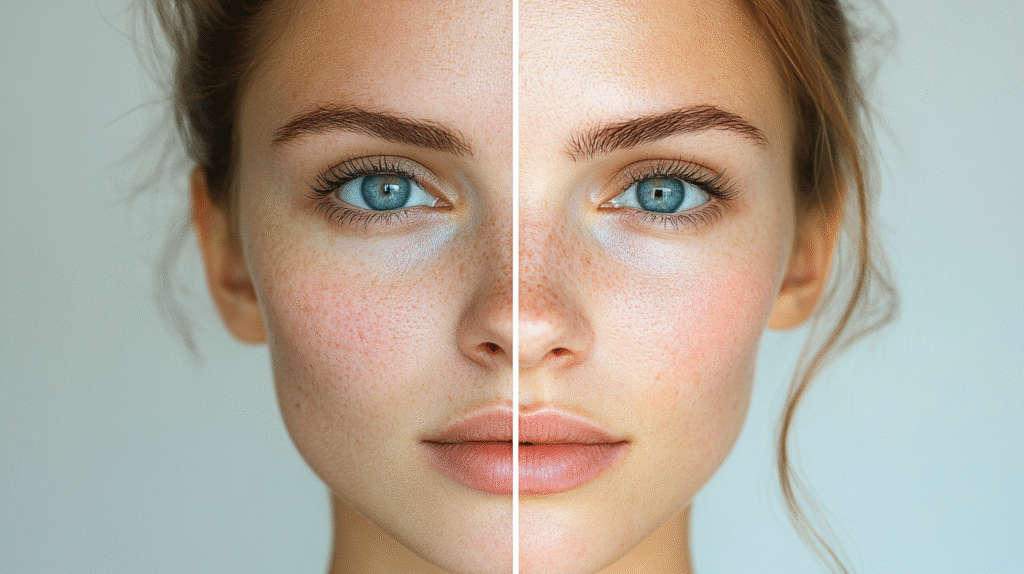
Harmful Chemicals Found In Makeup
It’s easy to assume that the makeup we buy is safe, but unfortunately, that’s not always the case. Many mass-produced products contain chemicals that can be harmful to our health. Harmful makeup ingredients to avoid for natural glow are a real concern. It’s important to be aware of these chemicals so you can make informed choices about what you put on your skin.
Parabens To Avoid
Many cosmetic companies use parabens as preservatives to prevent the growth of bacteria and mold. However, these chemicals can disrupt the endocrine system and interfere with your body’s hormones. Check labels for ingredients like propylparaben and isobutylparaben.
Phthalates And Their Effects
Cosmetic manufacturers often include phthalates in makeup, especially in products like nail polish and fragrances. These chemicals make plastics more flexible and act as solvents. Studies have linked phthalates to various health problems, including hormone disruption and reproductive issues.
It’s alarming to think that these chemicals are in products we use every day. Regulations aren’t always strict enough, so it’s up to us to be proactive and choose safer alternatives.
Synthetic Fragrances To Skip
“Fragrance” might sound harmless, but it’s often a catch-all term for a cocktail of chemicals, many of which aren’t disclosed. These synthetic fragrances can cause allergic reactions, skin irritation, and even respiratory problems. If you’re looking for natural and organic eyeshadows, consider fragrance-free options or those scented with essential oils. For Best clean beauty alternatives for natural makeup, look for products that clearly list their fragrance ingredients.
Pore-Clogging Ingredients To Avoid
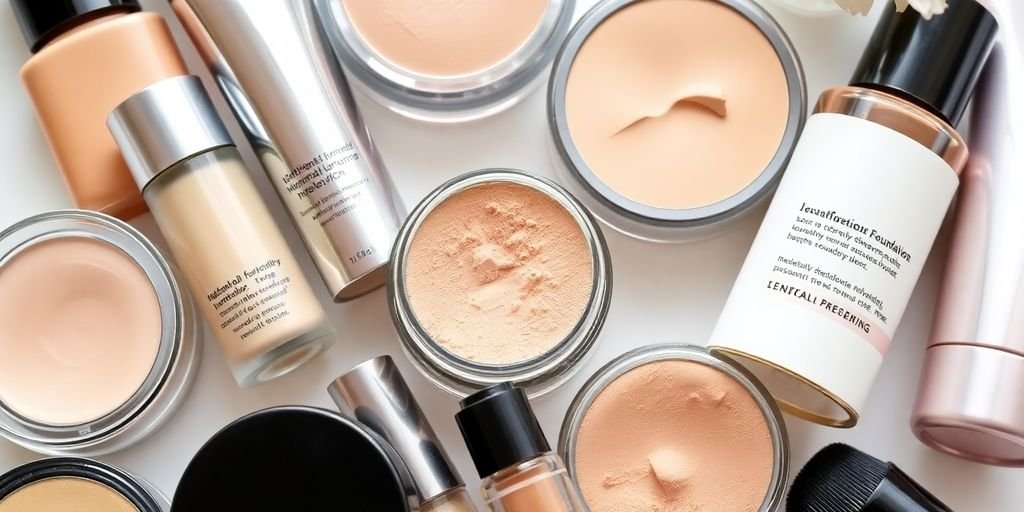
It’s super important to know what’s in your makeup, especially if you’re prone to breakouts. Some ingredients are notorious for clogging pores, which can lead to more acne and skin irritation. Avoiding these ingredients can make a huge difference in your skin’s clarity and overall health.
Comedogenic Oils
Certain oils, while seemingly natural and beneficial, can actually cause problems for some skin types. Coconut oil is a big one that many people react to, despite its popularity in skincare. Other oils like palm oil and wheat germ oil can also be problematic. It’s all about knowing your skin and how it reacts to different ingredients. If you’re noticing more breakouts after using a product with these oils, it might be time to switch things up.
Heavy Waxes
Waxes are often used in makeup to give products structure and a creamy texture. However, some waxes, like beeswax and carnauba wax, can be quite heavy and occlusive. This means they can create a barrier on the skin that traps oil and dirt, leading to clogged pores. If you have oily or acne-prone skin, look for lighter alternatives or avoid products with high concentrations of these waxes. Consider using non-comedogenic makeup to avoid pore-clogging ingredients.
Silicones That Trap Dirt
Silicones are everywhere in makeup, from primers to foundations. They give products a smooth, silky feel and can help fill in fine lines and pores. However, some silicones can create a barrier on the skin that traps dirt, oil, and dead skin cells. This can lead to clogged pores and breakouts, especially if you’re not properly cleansing your skin. Look for products with lighter, breathable silicones, or consider going silicone-free altogether.
It’s worth noting that everyone’s skin is different. What clogs one person’s pores might not affect another. Pay attention to how your skin reacts to different products and ingredients, and adjust your routine accordingly. Patch testing new products is always a good idea to see how your skin will respond before applying them all over your face.
Here are some common pore-clogging ingredients to watch out for:
- Isopropyl Myristate
- Myristyl Myristate
- Laureth-4
- Sodium Lauryl Sulfate
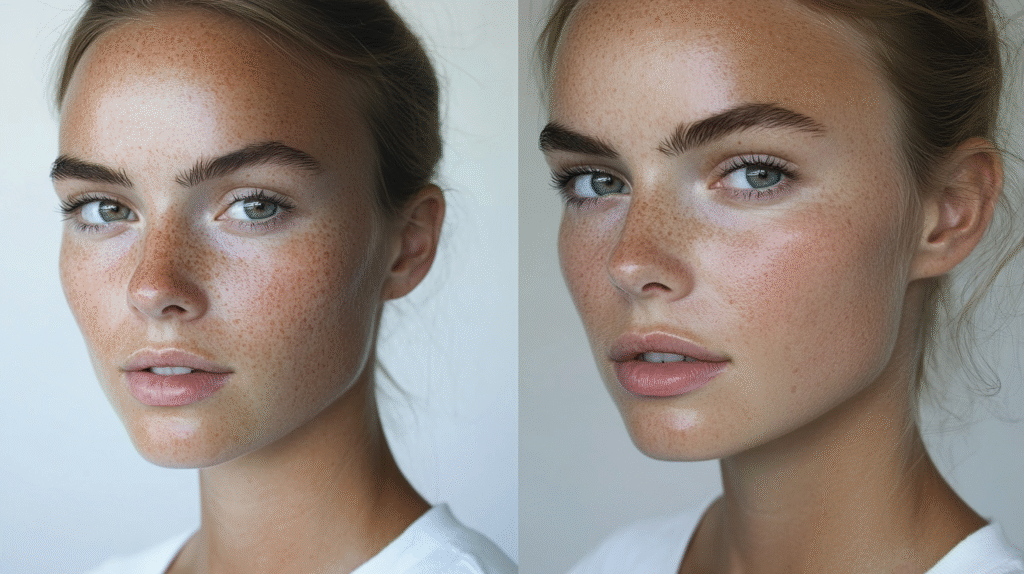
Toxic Additives In Popular Products
It’s easy to assume that everything on the shelves is safe, but some makeup products contain additives that you might want to avoid. These aren’t always obvious, so it’s worth taking a closer look at the ingredient lists.
Formaldehyde Releasing Agents
Okay, so straight-up formaldehyde is pretty rare these days, but formaldehyde-releasing agents (FRAs) are still lurking in some products. These chemicals slowly release formaldehyde over time, which can be a problem. FRAs are used as preservatives to prevent bacterial growth, but they can also cause skin irritation and are classified as carcinogens.
Think about it: you’re applying this stuff to your face every day. Common FRAs include:
- DMDM hydantoin
- Diazolidinyl urea
- Imidazolidinyl urea
- Quaternium-15
Toxin-Free Makeup is a great goal, and avoiding these ingredients is a step in the right direction.
BHA And BHT
Butylated hydroxyanisole (BHA) and butylated hydroxytoluene (BHT) are preservatives used to extend the shelf life of cosmetics. While they do a good job at that, there are some concerns about their safety. BHA, in particular, has been flagged as a possible human carcinogen by some organizations. BHT is considered less risky but can still cause skin irritation in some people. It’s one of those things where the potential risk might outweigh the benefit, especially when there are alternatives available.
Lead In Lip Products
This one’s a bit of a tricky situation. Lead isn’t intentionally added to lipsticks, but it can be present as a contaminant. Because it’s not an added ingredient, it doesn’t have to be listed on the label. The FDA has done studies and says the levels are generally low enough to not be a major concern. However, any amount of lead exposure is something to consider, especially with repeated use of lip products. Researching brands that prioritize purity and regularly test their products for contaminants is worthwhile. Look for companies committed to transparency and safety. It’s always better to be safe than sorry, especially when it comes to lip product safety.
It’s important to remember that even small amounts of toxic additives can accumulate over time with daily use. Reading labels and choosing brands that prioritize safer ingredients is a simple way to reduce your exposure.

Artificial Colors And Dyes To Skip
Artificial colors and dyes are everywhere in makeup, promising vibrant shades and long-lasting color. But what’s the real cost of that perfect pigment? Many of these additives are derived from petroleum or coal tar sources, raising concerns about potential health risks. It’s not just about avoiding a bad reaction; it’s about understanding what you’re putting on your skin every day.
Coal Tar Dyes
Coal tar dyes, often listed as FD&C or D&C followed by a color and number, are among the most concerning. These dyes have been linked to various health issues, and some are even suspected carcinogens. The European Union has banned many of these dyes, but they’re still found in some products in the US. It’s worth checking labels carefully and opting for safer alternatives.
Synthetic Colorants
Synthetic colorants, while offering a wide range of shades, can also be problematic. They’re often created in a lab using chemical processes, and some people experience skin irritation or allergic reactions. Plus, the manufacturing process itself can have environmental consequences. If you’re looking for a powder blush that’s gentle on your skin, consider mineral-based options or those derived from natural sources.
Allergens In Pigments
Even seemingly harmless pigments can trigger allergic reactions in sensitive individuals. Some pigments contain heavy metals or other contaminants that can cause skin irritation, redness, or itching. It’s important to patch-test new products before applying them all over your face, especially if you have a history of allergies or sensitive skin. Here’s a quick guide to help you navigate the world of pigments:
- Read ingredient lists carefully.
- Look for products labeled “hypoallergenic” or “fragrance-free.”
- Consider mineral makeup, which often contains fewer potential allergens.
It’s easy to get caught up in the latest makeup trends, but it’s important to prioritize your health and well-being. By being mindful of the ingredients in your makeup, you can make informed choices that support a natural glow without compromising your health.
Fragrance And Preservatives To Avoid
It’s easy to overlook fragrances and preservatives, but they can be sneaky sources of irritation and other problems. Many conventional makeup products rely on synthetic fragrances and harsh preservatives to extend shelf life and enhance the user experience, but at what cost? Let’s take a closer look.
Synthetic Fragrance Risks
Synthetic fragrances are often a cocktail of chemicals, and manufacturers don’t have to disclose all the ingredients. This lack of transparency can be a problem for people with sensitivities. Phthalates, often found in synthetic fragrances, have been linked to hormone disruption. It’s a good idea to look for fragrance-free options or products scented with natural essential oils.
Preservatives Linked To Allergies
Preservatives are added to makeup to prevent the growth of bacteria and mold, but some can cause allergic reactions. Here are some common offenders:
- Parabens: These are widely used but can mimic estrogen in the body.
- Formaldehyde-releasing preservatives: These slowly release formaldehyde, a known carcinogen.
- Phenoxyethanol: While considered safer than some other preservatives, it can still cause skin irritation in some people.
Choosing products with gentler preservatives or those that rely on natural preservation methods can significantly reduce the risk of allergic reactions and skin sensitivities.
Natural Alternatives To Consider
Luckily, there are natural alternatives to harsh synthetic fragrances and preservatives. Here are a few to look for:
- Essential oils: These can provide a pleasant scent and may have therapeutic benefits.
- Vitamin E: This acts as a natural antioxidant and preservative.
- Rosemary extract: This has antimicrobial properties and can help extend shelf life.
Switching to products with these natural alternatives can help you achieve a natural glow without exposing yourself to potentially harmful chemicals.

Makeup Formulations That Can Irritate
It’s easy to get caught up in the latest beauty trends, but sometimes, the very products we use to enhance our appearance can end up causing irritation. Understanding which ingredients in makeup to avoid for healthy skin is key to maintaining a natural glow. Let’s explore some makeup formulations that might be doing more harm than good.
Alcohol-Based Products
Alcohol in makeup, especially in toners and some foundations, can strip your skin of its natural oils. This can lead to dryness, redness, and irritation, particularly for those with sensitive skin. It’s like trying to hydrate a plant by putting it in the desert – it just doesn’t work. Look for alcohol-free alternatives to keep your skin balanced and happy.
Harsh Exfoliants
While exfoliation is great for removing dead skin cells and revealing a brighter complexion, overdoing it can cause problems. Products containing high concentrations of AHAs (alpha hydroxy acids) or BHAs (beta hydroxy acids), or even physical scrubs with large, abrasive particles, can irritate the skin.
Think of your skin as a delicate fabric. Too much scrubbing can wear it down, leading to sensitivity and inflammation. Gentle exfoliation once or twice a week is usually sufficient for most skin types.
High SPF Foundations
Foundations with high SPF sound like a great idea – sun protection and coverage in one step! However, these formulations often contain a higher concentration of chemical sunscreen ingredients in makeup to avoid for healthy skin, which can be irritating for some people. Plus, the level of SPF you get from foundation alone is usually not enough for adequate sun protection. It’s better to use a separate sunscreen and then apply your foundation.
Here’s a quick guide:
- Use a broad-spectrum sunscreen with SPF 30 or higher.
- Apply sunscreen liberally 15-20 minutes before sun exposure.
- Reapply every two hours, or immediately after swimming or sweating.
Ingredients That Can Cause Breakouts
It’s so frustrating when you’re trying to achieve a natural glow, but your makeup is actually working against you. Some ingredients, while seemingly harmless, can be major culprits when it comes to causing breakouts. If you’re prone to acne, paying close attention to the ingredient list is essential.
Mineral Oils
Mineral oil is often used in makeup for its moisturizing properties and its ability to create a smooth texture. However, it can also be a major pore-clogger for some people. It forms a barrier on the skin that can trap dirt, oil, and dead skin cells, leading to blackheads, whiteheads, and full-blown acne. If you notice an increase in breakouts after using a product containing mineral oil, it might be time to switch to an alternative.
Lanolin
Lanolin is a natural emollient derived from sheep’s wool. It’s known for its moisturizing and softening effects, making it a popular ingredient in lipsticks, foundations, and moisturizers. However, lanolin can be comedogenic for certain individuals, meaning it can clog pores and contribute to acne. If you have sensitive or acne-prone skin, it’s best to test products containing lanolin on a small area first to see how your skin reacts. If you are struggling with acne, a free skin consultation can help.
Coconut Oil
Coconut oil has gained popularity in recent years for its numerous health and beauty benefits. While it can be incredibly moisturizing for some, it’s also highly comedogenic. This means it has a high likelihood of clogging pores, especially for those with oily or acne-prone skin. If you’re experiencing breakouts, consider avoiding makeup products that list coconut oil or any of its derivatives (like coconut alkanes) high up on the ingredient list. It’s critical to avoid pore-clogging makeup if you have sensitive skin.
It’s important to remember that everyone’s skin is different. What causes breakouts for one person might not affect another. Pay attention to how your skin reacts to different ingredients and adjust your makeup routine accordingly. Patch-testing new products is always a good idea to minimize the risk of irritation or breakouts.
Here are some common pore-clogging ingredients to watch out for:
- Shea butter
- Stearic acid
- Limonene
Wrapping It Up
In the end, choosing the right makeup can really make a difference in how your skin looks and feels. It’s all about being smart with what you put on your face. Avoiding those harmful ingredients is key to keeping your skin healthy and glowing. Remember, just because something is labeled as makeup doesn’t mean it’s good for you. Take your time, read the labels, and don’t hesitate to try out new brands that focus on clean ingredients. Your skin will thank you for it, and you’ll feel a lot better knowing you’re making safer choices. So, go ahead and embrace that natural glow!

Frequently Asked Questions
What are harmful chemicals in makeup?
Harmful chemicals in makeup include things like parabens, phthalates, and synthetic fragrances. These can be bad for your health.
Why should I avoid pore-clogging ingredients?
Pore-clogging ingredients can trap dirt and oil in your skin, leading to breakouts and acne.
What are some toxic additives to look out for?
Toxic additives include formaldehyde releasing agents, BHA, and lead, especially in lip products.
Are artificial colors in makeup safe?
Many artificial colors and dyes, like coal tar dyes and synthetic colorants, can cause allergic reactions and should be avoided.
What types of preservatives should I skip?
You should avoid synthetic fragrances and certain preservatives that can cause allergies or irritation.
How can I tell if a product is irritating for my skin?
Products with alcohol, harsh exfoliants, or high SPF can irritate your skin, so it’s best to check the labels carefully.





Dead pent content material, regards for entropy. “Life is God’s novel. Let him write it.” by Isaac Bashevis Singer.
I am incessantly thought about this, thankyou for posting.