
Welcome to your go-to guide for all things related to organic beauty products! If you’re tired of harsh chemicals and want to embrace a more natural skincare routine, you’re in the right place. This article will help you understand your skin type, explore the best organic ingredients, and build a skincare routine that works for you. Get ready to discover how to achieve that radiant glow with the power of nature!

Key Takeaways for Organic Beauty Products
- Understand your skin type to choose the right organic beauty products.
- Incorporate natural ingredients like oils and botanicals for healthier skin.
- Create a daily skincare routine using organic products for best results.
- Try DIY recipes for personalized skincare solutions.
- Stay informed about clean beauty brands and how to read product labels.

Understanding Your Skin Type
Before you jump into the world of organic beauty, it’s super important to figure out what kind of skin you have. I mean, you wouldn’t buy the wrong size shoes, right? Same deal here. Knowing your skin type is the first step to a skincare routine that actually works.
Identifying Skin Types
Okay, so how do you actually figure out your skin type? It’s not rocket science, I promise. The most common types are dry, oily, combination, sensitive, and normal.
- Dry skin often feels tight and can be flaky. It needs lots of moisture.
- Oily skin tends to be shiny, especially in the T-zone (forehead, nose, and chin), and is prone to breakouts.
- Combination skin is a mix of both – oily in some areas and dry in others.
- Sensitive skin reacts easily to products and can get red or itchy.
- Normal skin is pretty balanced – not too oily, not too dry, and generally happy.
A simple way to get a handle on your skin type is to wash your face and wait about an hour. Don’t put anything on it. Then, check how your skin feels. Is it tight? Shiny? Both? That’ll give you a good clue.
Common Skin Concerns
Everyone’s got something they’re not thrilled about when it comes to their skin. Maybe it’s acne, maybe it’s redness, maybe it’s those fine lines that seem to pop up overnight. Whatever it is, knowing your concerns helps you pick the right products. For example, if you’re dealing with acne, you might want to look for products with tea tree oil or salicylic acid. If you’re worried about aging, consider natural skincare with antioxidants like vitamin C.
Tailoring Your Routine
Once you know your skin type and concerns, you can start building a routine that’s just right for you. This means choosing cleansers, moisturizers, and serums that are designed for your specific needs. Don’t just grab whatever’s on sale! Read the labels, do your research, and listen to your skin. It’ll tell you what it likes and doesn’t like. And remember, consistency is key. A great routine won’t do much if you only do it once in a while.
Here’s a basic idea of what a tailored routine might look like:
- Cleanse: Use a gentle cleanser to remove dirt and oil.
- Treat: Apply a serum or treatment for your specific concerns (like acne or wrinkles).
- Moisturize: Hydrate your skin with a moisturizer that’s right for your skin type.
- Protect: In the morning, always finish with sunscreen. Seriously, don’t skip this step!
Essential Natural Ingredients

Benefits of Plant-Based Ingredients
Plant-based ingredients are becoming super popular in skincare, and for good reason! They’re often gentler on the skin than synthetic chemicals. Think about it: our ancestors used plants for healing and beauty for centuries. Now, science is catching up and confirming what they already knew.
- They’re packed with vitamins and antioxidants.
- They’re less likely to cause irritation.
- Many are sustainably sourced, which is a win for the planet.
Switching to plant-based skincare can feel like a big change, but it’s worth it. Your skin will thank you for it, and you can feel good about using products that are better for the environment.
Top Organic Oils for Skin
Oils are a fantastic way to nourish your skin, and organic oils take it to the next level. Here are a few favorites:
- Jojoba oil: It’s similar to our skin’s natural sebum, so it’s easily absorbed and great for balancing oil production. It’s great for organic face creams.
- Argan oil: Rich in fatty acids and vitamin E, argan oil is super hydrating and can help reduce the appearance of fine lines.
- Rosehip seed oil: Known for its ability to fade scars and improve skin tone, rosehip seed oil is a powerhouse of antioxidants and vitamins.
Healing Properties of Botanicals
Botanicals offer a wide range of benefits for the skin. From soothing inflammation to fighting free radicals, these natural ingredients can help you achieve a healthy, radiant complexion.
- Aloe vera: A classic for sunburn relief, aloe vera is also incredibly hydrating and can help calm irritated skin.
- Chamomile: Known for its anti-inflammatory properties, chamomile can help reduce redness and soothe sensitive skin. It’s great for natural beauty.
- Green tea: Packed with antioxidants, green tea can help protect the skin from damage caused by free radicals and reduce the signs of aging.
Building a Clean Skincare Routine

Daily Skincare Essentials
Okay, so you want to switch to a clean skincare routine? Awesome! Let’s start with the basics. You absolutely need a gentle cleanser. Seriously, ditch those harsh soaps. Look for something with natural oils. Then, a good moisturizer is a must. Don’t skip it, even if you have oily skin! And of course, sunscreen. Every. Single. Day. Rain or shine. It’s the best anti-aging secret out there.
- Gentle Cleanser
- Hydrating Moisturizer
- Broad Spectrum Sunscreen
Layering Products Effectively
Layering your skincare can feel like a complicated science, but it doesn’t have to be! The general rule is to go from thinnest to thickest. So, after cleansing, start with your serums. Water-based ones go first. Then, move on to your moisturizer. This helps your skin absorb everything properly. Finally, top it off with sunscreen during the day. At night, you can add a facial oil as the last step to lock in all that goodness. If you’re using a retinol product, that usually goes on after cleansing and before moisturizing, but always check the product’s instructions. Don’t forget to use a natural cleanser to start!
Transitioning to Organic Beauty
Switching to organic beauty products can be a game-changer, but it’s best to do it gradually. Don’t throw out everything at once! Start by replacing one or two products at a time. This gives your skin time to adjust and helps you figure out what works best for you. Pay attention to how your skin reacts. Some people experience a “purging” period as their skin detoxifies. If you have sensitive skin, introduce new products even more slowly.
It’s important to read labels carefully and look for certifications like USDA Organic or Ecocert. These certifications ensure that the products meet certain standards for organic ingredients and manufacturing processes. Don’t be fooled by clever marketing!
Here’s a simple table to help you track your transition:
| Product | Current Brand | Organic Replacement | Date Replaced |
|---|---|---|---|
| Cleanser | Brand X | Brand Y | 2025-06-01 |
| Moisturizer | Brand A | Brand B | 2025-06-15 |
| Sunscreen | Brand C | Brand D | 2025-07-01 |
DIY Skincare Recipes
Simple Recipes for Every Skin Type
Making your own skincare products can be surprisingly easy and super rewarding! You get total control over what goes on your skin, avoiding questionable ingredients. The best part is tailoring recipes to your specific needs.
- For dry skin, think moisturizing masks with honey and avocado.
- Oily skin? Try a clay mask to absorb excess oil.
- Sensitive skin loves gentle ingredients like oatmeal and aloe vera.
Natural Masks and Scrubs
Masks and scrubs are a fantastic way to give your skin a little extra love. Here are some ideas:
- Honey and Oatmeal Mask: Mix equal parts honey and finely ground oatmeal. Apply to your face for 15 minutes, then rinse. Soothes and hydrates.
- Sugar Scrub: Combine sugar with a carrier oil like olive or coconut oil. Gently scrub your body in the shower for exfoliation.
- Yogurt Mask: Plain yogurt contains lactic acid, a gentle exfoliant. Apply to your face for 20 minutes, then rinse. Brightens and softens.
DIY masks and scrubs are a great way to experiment with natural ingredients and find what works best for your skin. Plus, it’s a fun and relaxing activity!
Creating Your Own Serums
Serums might sound intimidating, but they’re actually quite simple to make. They’re concentrated treatments that deliver powerful ingredients directly to your skin. When creating your own serums, consider these points:
- Start with a base oil like jojoba or rosehip. These are lightweight and absorb easily.
- Add essential oils for specific benefits. Lavender for calming, tea tree for acne, and frankincense for anti-aging.
- Use a dark glass bottle to protect the serum from light. Store in a cool, dark place. You can find natural beauty recipes online to get you started.
Navigating Clean Beauty Brands

Top Organic Beauty Brands
Okay, so you’re ready to switch to organic beauty, but where do you even start? It can feel like a jungle out there! There are tons of brands popping up, all claiming to be the best. Some brands that have been around for a while and have a good reputation include:
- Juice Beauty
- Tata Harper
- Pai Skincare
These brands are known for using high-quality ingredients and having transparent practices. Do your research, read reviews, and see what resonates with you. Don’t be afraid to try samples before committing to full-size products.
What to Look for in Products
When you’re checking out products, there are a few things to keep in mind. First, look for certifications. Certifications like COSMOS or ECOCERT can give you some peace of mind that the product actually meets certain standards for organic and natural ingredients. Also, pay attention to the ingredient list. Are there a bunch of ingredients you can’t pronounce? That might be a red flag. Look for products with mostly plant-based ingredients and avoid things like parabens, sulfates, and synthetic fragrances. Finally, consider the packaging. Is it recyclable or made from sustainable materials? Every little bit helps!
Reading Labels Effectively
Reading labels can feel like decoding a secret language, but it’s a skill worth developing. The ingredients are listed in order of concentration, so the first few ingredients make up the bulk of the product. Be wary of terms like “natural” or “organic” on the front of the label, as these aren’t always regulated. Always check the full ingredient list on the back. Look for cruelty free skin care seals to ensure the products weren’t tested on animals. And if you’re unsure about an ingredient, a quick search online can usually give you more information. It’s all about empowering yourself to make informed choices about what you’re putting on your skin.
It’s easy to get overwhelmed by all the information out there. Start small, focus on one or two products at a time, and don’t be afraid to ask questions. Many brands are happy to provide more information about their ingredients and practices. Switching to chemical free cosmetics is a journey, not a race!
Lifestyle Factors for Radiant Skin

It’s easy to get caught up in fancy creams and serums, but real, lasting skin health often comes down to how we live our lives. What we put inside our bodies and how we manage stress can have a huge impact on our complexion. Let’s look at some key lifestyle factors.
Importance of Hydration
Water is absolutely vital for healthy skin. Think of it like this: your skin is an organ, and just like any other organ, it needs water to function properly. Dehydration can lead to dryness, flakiness, and even make wrinkles more noticeable. Aim to drink plenty of water throughout the day.
- Carry a reusable water bottle with you.
- Set reminders on your phone to drink water.
- Eat water-rich foods like cucumbers and watermelon.
Nutrition for Skin Health
What you eat directly affects your skin. A diet rich in fruits, vegetables, and healthy fats provides the nutrients your skin needs to stay healthy and vibrant.
- Antioxidants: Protect skin from damage (berries, spinach).
- Healthy Fats: Keep skin moisturized (avocados, nuts).
- Vitamins: Support collagen production (citrus fruits, bell peppers).
Eating a balanced diet isn’t just good for your overall health; it’s an investment in your skin’s future. Focus on whole, unprocessed foods to give your skin the building blocks it needs to thrive.
Stress Management Techniques
Stress can wreak havoc on your skin. It can trigger breakouts, worsen conditions like eczema and psoriasis, and accelerate aging. Finding healthy ways to manage stress is crucial for maintaining a clear and youthful complexion. Consider eco-friendly foundations to help with your complexion.
- Practice mindfulness or meditation.
- Engage in regular physical activity.
- Get enough sleep (7-8 hours per night).
- Spend time in nature.
Sun Protection and Natural Remedies

Choosing Non-Toxic Sunscreens
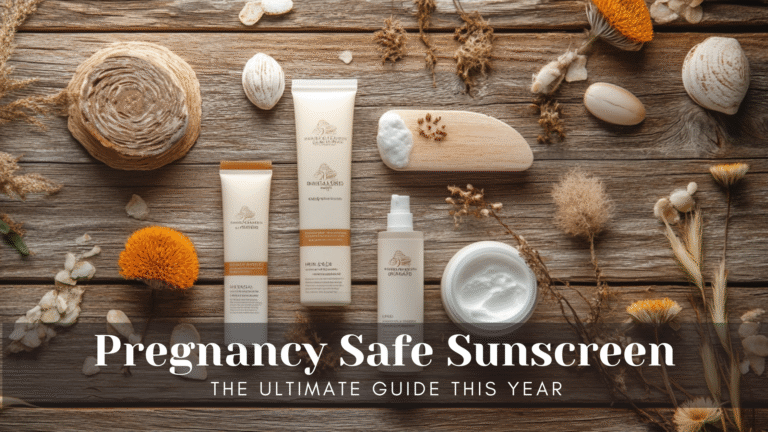
Okay, so we all know sunscreen is important, right? But what kind should you be using? It’s a minefield out there! The goal is to find something that protects you without loading you up with chemicals you can’t even pronounce. I’ve been trying to switch over to mineral sunscreens, and it’s been a journey.
Here’s what I’ve learned:
- Look for zinc oxide and titanium dioxide. These are mineral-based and create a physical barrier against the sun. ILIA’s Super Serum Skin Tint is a good option.
- Avoid oxybenzone and octinoxate. These are chemical filters that have been linked to hormone disruption and coral reef damage. Yikes!
- Read the labels! Seriously, take the time to understand what you’re putting on your skin.
Finding the right sunscreen is a personal thing. What works for me might not work for you. The important thing is to do your research and find something that you feel good about using every day.
Natural After-Sun Care
Oops, maybe you forgot to reapply, or maybe you just underestimated the power of the sun. Now you’re a little pink. Don’t panic! There are plenty of natural ways to soothe sunburned skin.
- Cool Compresses: Soak a soft cloth in cool water and apply it to the affected areas for 10-15 minutes several times a day.
- Aloe Vera: This is a classic for a reason. It’s cooling, anti-inflammatory, and helps to speed up healing. Keep it in the fridge for extra relief!
- Oatmeal Bath: Add colloidal oatmeal to a lukewarm bath. Oatmeal has anti-inflammatory properties that can help soothe irritated skin.
Herbal Remedies for Skin Recovery
Beyond aloe, there are other herbal helpers you can turn to for skin recovery. These aren’t miracle cures, but they can definitely provide some relief and support the healing process.
- Calendula is known for its anti-inflammatory and wound-healing properties. You can find it in creams, lotions, or even make your own infused oil.
- Chamomile is another soothing herb that can help calm irritated skin. Try a chamomile tea compress.
- Green tea is packed with antioxidants that can help repair sun damage. Brew a strong cup of green tea, let it cool, and use it as a compress or rinse.
Final Thoughts on Your Organic Skincare Journey
So there you have it! Embracing organic beauty products can really change the game for your skin. Whether you’re dealing with dryness, oiliness, or sensitivity, there’s something out there for you. Remember to pay attention to what your skin needs and don’t be afraid to experiment a little. It might take some time to find the perfect routine, but trust me, it’s worth it. By choosing natural ingredients, you’re not just caring for your skin, but also being kinder to the planet. So go ahead, give your skin the love it deserves, and enjoy the glow!

Frequently Asked Questions
What is the difference between organic and regular skincare products?
Organic skincare products are made with natural ingredients and do not have synthetic chemicals. Regular products often have harmful additives that can irritate your skin.
How can I tell my skin type?
You can find out your skin type by checking how your skin feels throughout the day. If it’s oily, dry, or a mix of both, that will help you identify your skin type.
What natural ingredients should I look for?
Look for ingredients like aloe vera for soothing, jojoba oil for hydration, and vitamin C for brightening. These are great for different skin needs.
Can I make my own skincare products at home?
Yes! You can create simple skincare products at home using ingredients like honey, oatmeal, and yogurt. They can be very effective.
How do I start using organic beauty products?
Begin by replacing one or two products in your routine with organic options. Gradually switch more products as you find what works for you.
Why is sun protection important?
Sun protection helps prevent skin damage, sunburn, and premature aging. Using a natural sunscreen can keep your skin safe from harmful UV rays.




**mitolyn official**
Mitolyn is a carefully developed, plant-based formula created to help support metabolic efficiency and encourage healthy, lasting weight management.