
Blackheads. They’re those tiny, stubborn spots that seem to pop up just when you don’t want them to. You’re not alone in this battle; many people face the same struggle. This guide is here to help you understand what blackheads are, why they happen, and most importantly, how to deal with them. From home remedies to professional treatments, and daily habits that can make a difference, we’ve got you covered. Let’s dive into the world of blackhead management and prevention.
Key Takeaways
- Blackheads are common skin bumps caused by clogged hair follicles.
- Home remedies like salicylic acid and retinoids can help clear blackheads.
- Professional treatments are available for stubborn blackheads.
- Daily habits, such as using noncomedogenic products, can prevent blackheads.
- Avoid common mistakes like popping blackheads and overusing acne products.
Understanding Blackheads: Causes and Characteristics
What Are Blackheads?
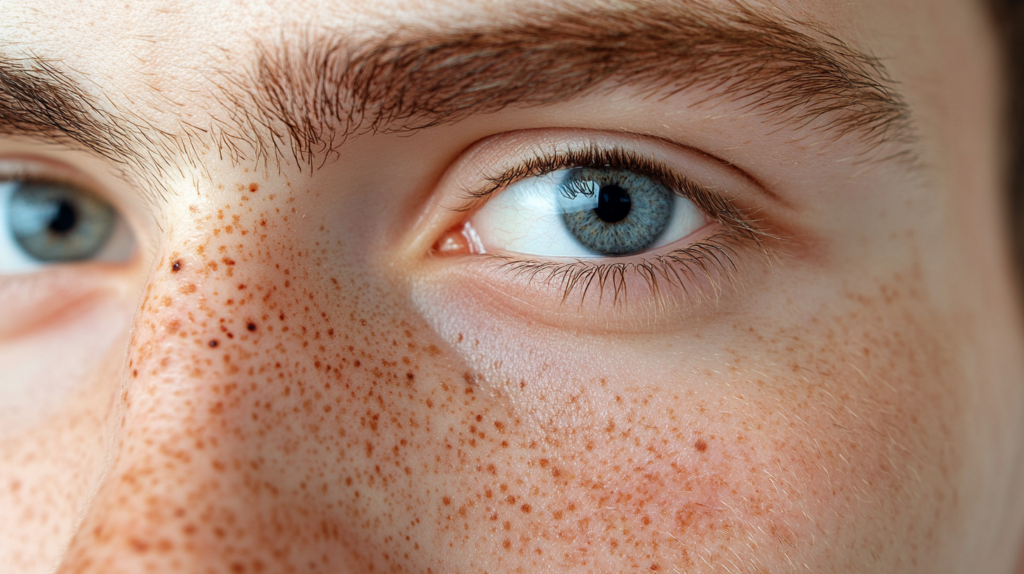
Blackheads are those tiny, dark spots that pop up on your skin, especially around the nose and chin. They’re a type of acne but a bit different from the usual pimples. When your pores get clogged with oil and dead skin cells, they form a plug. Unlike whiteheads, blackheads are open to the air, which causes the gunk inside to oxidize and turn black—hence the name. They’re not harmful, but they can be pretty annoying if you’re aiming for clear skin.
Common Causes of Blackheads
Blackheads can happen to anyone, but some folks are more prone to them. Here’s why:
- Excess Oil Production: Your skin naturally produces oil to keep it hydrated. But when there’s too much, it mixes with dead skin cells and clogs your pores.
- Hormonal Changes: Hormones can make your skin oilier, especially during puberty, pregnancy, or even just before your period.
- Poor Skin Care Habits: Skipping regular cleansing or using harsh products can leave your skin vulnerable to blackheads.
- Diet and Environment: Some studies suggest that sugary foods and pollution might also play a role.
How Blackheads Differ from Other Acne
Blackheads are just one form of acne, but they have their quirks. Unlike whiteheads, they don’t have a layer of skin covering the clogged pore. This exposure to air is what makes them look black. Other types of acne, like cysts or pimples, are usually more inflamed and can be painful. Blackheads, on the other hand, are more of a cosmetic nuisance than a painful problem.
If you’re dealing with blackheads, remember they’re common and manageable. A consistent skincare routine can make a big difference.
Effective Home Remedies for Blackhead Removal
Using Salicylic Acid for Blackheads
Salicylic acid is a popular choice for treating blackheads. It’s known for its ability to penetrate the pores and dissolve the debris that leads to blackheads. Starting with a product that contains 2% salicylic acid is usually a good idea. You can find it in face washes, toners, and even wipes. If your skin feels dry, consider using it less frequently or switching to a lower concentration.
Benefits of Alpha and Beta Hydroxy Acids
Alpha and beta hydroxy acids (AHAs and BHAs) are great for exfoliating the skin. They help remove dead skin cells and unclog pores. Glycolic acid, a type of AHA, can be particularly effective. Look for products with around 10% glycolic acid for best results. Regular use can help keep blackheads at bay.
Incorporating Retinoids in Your Routine
Retinoids are another effective remedy for blackheads. They help prevent dead skin cells from clogging your pores and reduce the formation of acne scars. Consider starting with an over-the-counter retinoid before moving to prescription options. You might want to use a salicylic acid product in the morning and a retinoid at night for a balanced routine.
Consistency is key when it comes to skincare. It may take some time to see results, but patience and regular application can lead to clearer skin.
Professional Treatments for Stubborn Blackheads
When to Seek Professional Help
Sometimes, no matter how diligent you are with your skincare routine, blackheads just won’t budge. That’s when it’s time to think about professional treatments. If you’ve tried over-the-counter products and still see those pesky spots, a dermatologist can offer more potent solutions. They can assess your skin and recommend treatments tailored to your needs. It’s crucial to consult a professional if your blackheads are persistent or if you’re unsure about the right treatment for your skin type.
Types of Professional Extractions
Professional extractions are a safe way to remove blackheads without damaging your skin. Dermatologists use specialized tools to gently extract blackheads, minimizing the risk of scarring. Here’s a quick look at some common professional treatments:
- Chemical Peels: These involve applying a chemical solution to peel away the top layer of skin, reducing blackheads and improving texture.
- Microdermabrasion: This technique uses tiny crystals to exfoliate the skin, removing dead cells and reducing blackheads.
- Laser Therapy: Particularly useful for deep blackheads, this method uses light to penetrate the skin and clear out clogged pores.
Risks and Benefits of Professional Treatments
While professional treatments can be highly effective, they do come with risks. You might experience redness, irritation, or even swelling after some procedures. It’s important to weigh these potential side effects against the benefits of clearer skin. On the upside, professional treatments often deliver faster and more noticeable results than home remedies.
Professional treatments can provide a significant improvement in skin appearance, but they require careful consideration and expert guidance. Always discuss potential side effects and costs with your dermatologist before proceeding.
For a comprehensive understanding of blackhead prevention and treatment, including when to seek professional help, refer to this guide.
Preventing Blackheads: Daily Habits and Lifestyle Changes
Choosing Noncomedogenic Products
When it comes to skincare, one of the smartest moves you can make is opting for noncomedogenic products. These are specially formulated to avoid clogging your pores, which is a major factor in blackhead formation. Noncomedogenic products include moisturizers, sunscreens, and makeup that are less likely to cause breakouts. It’s like giving your skin a fighting chance against those pesky blackheads. If you’re curious about how these products can help prevent acne, check out our section on Acne breakouts.
Importance of Regular Cleansing
Cleansing your skin regularly is a must-do habit. It helps to remove dirt, oil, and makeup that can build up over the day. But be gentle! Over-cleansing or using harsh soaps can irritate your skin, causing it to produce more oil. Aim for a balanced routine with a mild cleanser twice a day. Consider adding a chemical exfoliant like salicylic acid to help keep your pores clear. Regular cleansing also means washing your pillowcases and makeup tools frequently to avoid transferring dirt and oil back onto your face.
Diet and Hydration Tips for Clear Skin
What you eat can show up on your skin. Foods high in sugar and dairy might trigger blackheads for some folks, so it’s worth keeping an eye on your diet. Instead, focus on a balanced diet rich in vitamins, antioxidants, and healthy fats. Drinking plenty of water is equally important as it helps maintain skin hydration and balance oil production. A well-hydrated body often means clearer skin, so keep that water bottle handy!
Consistency is key when it comes to preventing blackheads. By incorporating these habits into your daily routine, you’ll be on your way to clearer, healthier skin. Remember, it’s not about doing everything perfectly, but about making small, lasting changes.
Common Mistakes to Avoid in Blackhead Management
The Dangers of Popping Blackheads
We’ve all been there—staring at a blackhead in the mirror, tempted to just squeeze it out. But resist the urge! Popping blackheads can cause more harm than good. When you squeeze, you risk pushing the blockage deeper into the pore, which can lead to inflammation and even scarring. Instead, consider manual extractions performed by a professional, which are safer and more effective.
Overuse of Acne Products
It’s easy to think that the more product you use, the better your skin will look. But too much of a good thing can backfire. Overusing acne treatments can dry out your skin, leading to more oil production and potentially more blackheads. Stick to the recommended usage and give your skin time to adjust. Remember, patience is key.
Misconceptions About Pore Strips
Pore strips seem like a quick fix, but they often don’t solve the problem. They might remove surface debris, but they don’t get to the root of the blackhead. Plus, they can irritate your skin, leaving it dry and more prone to breakouts. Instead, focus on a consistent skincare routine that includes exfoliation and hydration to keep blackheads at bay.
It’s tempting to try every new product or hack you read about online, but remember that your skin needs consistency. Stick to a routine, and don’t be afraid to consult a dermatologist for personalized advice.

The Role of Skincare Products in Blackhead Prevention
Understanding Noncomedogenic Labels
When you’re on the hunt for skincare products to prevent blackheads, the term “noncomedogenic” is your best friend. Noncomedogenic products are specifically designed not to clog pores, making them essential for anyone dealing with blackheads. Look for this label on moisturizers, sunscreens, and makeup. The idea is to keep your skin hydrated and protected without adding extra oil or debris that could lead to blackheads.
Key Ingredients to Look For
Skincare products can be a game-changer if you know what to look for. Here are some key ingredients that help in preventing blackheads:
- Salicylic Acid: A beta hydroxy acid (BHA) that penetrates deep into the pores to break down oil and dead skin cells.
- Glycolic Acid: An alpha hydroxy acid (AHA) that helps exfoliate the skin, promoting the shedding of dead skin cells.
- Retinoids: These vitamin A derivatives help increase cell turnover and prevent the clogging of pores.
How to Build a Skincare Routine
Creating a skincare routine that works for you is crucial in keeping blackheads at bay. Here’s a simple guide to get you started:
- Cleanse: Use a gentle cleanser twice daily to remove dirt and oil.
- Exfoliate: Incorporate a chemical exfoliant like salicylic acid or glycolic acid a few times a week.
- Moisturize: Choose a noncomedogenic moisturizer to keep your skin hydrated without clogging pores.
- Protect: Always apply sunscreen with at least SPF 30 to protect your skin from sun damage.
Consistency is key. Stick to your routine, and over time, you’ll likely notice fewer blackheads and clearer skin.
For more detailed insights on building a comprehensive skincare routine, check out our guide on skincare techniques.
By choosing the right products and sticking to a routine, you can effectively manage and prevent blackheads, keeping your skin clear and healthy.
Conclusion
Alright, so there you have it. Tackling blackheads isn’t a one-size-fits-all kind of deal, but with some patience and the right routine, you can definitely get a handle on them. Remember, consistency is your best friend here. Whether you’re using salicylic acid, trying out a retinoid, or just making sure to cleanse and moisturize properly, stick with it. And hey, don’t forget to keep those hands off your face! It’s tempting, I know, but it’s worth it in the long run. Keep experimenting with what works for you, and soon enough, those pesky blackheads will be a thing of the past. Good luck!
Frequently Asked Questions
What exactly are blackheads?
Blackheads are tiny, dark spots on your skin caused when oil and dead skin cells clog your pores. Unlike whiteheads, they stay open, which makes them look dark.
How can I safely remove blackheads at home?
You can try using products with salicylic acid or alpha and beta hydroxy acids. These help to clear out the pores. Just remember, don’t squeeze them, as it can make things worse.
When should I see a professional for blackhead removal?
If your blackheads are deep or won’t go away with home treatments, it might be time to see a dermatologist. They can safely extract them without causing damage to your skin.
What are some daily habits to prevent blackheads?
Wash your face twice a day with a gentle cleanser, use non-pore-clogging products, and stay hydrated. Keeping your skin clean and moisturized helps prevent blackheads.
Is it okay to use pore strips for blackheads?
Pore strips can remove blackheads temporarily, but they don’t solve the problem. Overuse can irritate your skin, so it’s best to use them sparingly.
Why shouldn’t I pop my blackheads?
Popping blackheads can push bacteria deeper into your skin, causing more breakouts or even scarring. It’s best to let them be or use proper treatments to clear them up.


Can you be more specific about the content of your article? After reading it, I still have some doubts. Hope you can help me.
Your article helped me a lot, is there any more related content? Thanks! https://accounts.binance.info/en-IN/register-person?ref=UM6SMJM3
Can you be more specific about the content of your article? After reading it, I still have some doubts. Hope you can help me. https://www.binance.com/join?ref=P9L9FQKY
Your point of view caught my eye and was very interesting. Thanks. I have a question for you.
Can you be more specific about the content of your article? After reading it, I still have some doubts. Hope you can help me.
Your point of view caught my eye and was very interesting. Thanks. I have a question for you. https://www.binance.info/uk-UA/register?ref=W0BCQMF1
Thanks for sharing. I read many of your blog posts, cool, your blog is very good.
Your article helped me a lot, is there any more related content? Thanks!
Can you be more specific about the content of your article? After reading it, I still have some doubts. Hope you can help me. https://www.binance.info/register?ref=IXBIAFVY
**mitolyn official**
Mitolyn is a carefully developed, plant-based formula created to help support metabolic efficiency and encourage healthy, lasting weight management.
Thank you for your sharing. I am worried that I lack creative ideas. It is your article that makes me full of hope. Thank you. But, I have a question, can you help me?