
Perimenopause skin and hair changes can be some of the most frustrating and confusing symptoms women face during this transitional time. As hormone levels shift, many women notice their skin becoming dry, dull, or more prone to breakouts, while their hair may start thinning or losing its luster. These changes are common, but they can still feel overwhelming. In this article, we’ll explore what’s really happening to your skin and hair during perimenopause—and offer practical tips to help you care for both, so you can feel confident and radiant at every stage.
Key Takeaways
- Hormonal changes during perimenopause can lead to skin dryness and hair thinning.
- Hydration is essential for maintaining skin health; consider using moisturizers with hyaluronic acid.
- A balanced diet rich in vitamins and antioxidants supports both skin and hair health.
- Regular exercise boosts circulation, helping nourish your skin and hair while reducing stress.
- Embrace your changing appearance with confidence, and explore makeup tips designed for mature skin.
Understanding Perimenopause Skin and Hair Issues
Hormonal Changes and Their Effects
Perimenopause skin and hair changes are driven largely by fluctuating hormone levels, especially declining estrogen. Collagen production decreases significantly during this time, with studies suggesting a loss of about 30% in the first five years after menopause, leading to thinner skin, sagging, and more pronounced wrinkles as estrogen’s role in collagen synthesis diminishes (American Academy of Dermatology, 2023). Estrogen also helps maintain skin elasticity, hydration, and hair follicle health. As levels drop, women over 40 may experience drier, more fragile skin and changes in hair texture, thickness, and growth. Other hormonal shifts, such as decreased progesterone and androgens, contribute to this complex and highly individual transition
Common Skin Concerns
During perimenopause, several skin concerns become more prevalent. These include:
- Increased Dryness: Reduced estrogen leads to decreased oil production, causing dry, itchy skin.
- Fine Lines and Wrinkles: Lower collagen levels contribute to the appearance of fine lines and wrinkles, especially around the eyes and mouth.
- Skin Laxity and Sagging: Loss of elasticity results in skin laxity and sagging, particularly in the face and neck.
- Menopause skin changes: These changes can also lead to increased sensitivity and irritation. It’s important to adjust your skincare routine to address these specific issues. For example, when traveling, maintain clear skin by sticking to familiar products.
- Acne: Some women experience menopausal acne and hair thinning due to hormonal imbalances.
Hair Thinning and Loss
Perimenopause hair loss is a common concern, often linked to hormonal fluctuations and decreased estrogen levels. This can manifest as:
- Thinning Hair: Overall reduction in hair density, making the hair appear less full.
- Changes in Texture: Hair may become finer, more brittle, and less manageable.
- Increased Shedding: More hair falling out than usual, especially during washing or brushing.
- Receding Hairline: In some cases, women may notice a receding hairline, similar to male pattern baldness.
It’s important to remember that everyone’s experience with perimenopause is unique. While some women may experience significant skin and hair changes, others may have milder symptoms. Understanding the underlying causes and available treatments can help you navigate this transition with confidence.
Nourishing Your Skin During Perimenopause
Perimenopause brings a whole host of changes, and your skin definitely feels it. It’s not just about wrinkles; it’s about how your skin feels. The key to keeping your skin happy during this time is all about giving it the right kind of nourishment. Let’s break down how to do that.
Hydration Strategies
First things first: water, water, water! I can’t stress this enough. But it’s not just about drinking enough (though that’s super important). Think about how you’re hydrating your skin topically.
- Layering Hydration: Start with a hydrating toner or essence, then a serum, and finally, a moisturizer. This helps lock in moisture at different levels.
- Humidifiers: Especially during dry months, a humidifier can make a huge difference in your skin’s moisture levels.
- Internal Hydration: Don’t forget that what you put in your body matters. Water-rich foods like cucumbers and watermelon can contribute to overall hydration. Consider mixed-race skincare for more tailored advice.
Choosing the Right Products
This is where things get a little more personal. What worked in your 20s probably won’t cut it now. Look for products specifically designed for Dry skin or mature skin.
- Gentle Cleansers: Avoid harsh soaps that strip your skin of its natural oils. Creamy or oil-based cleansers are your friends.
- Rich Moisturizers: Look for ingredients like hyaluronic acid, ceramides, and shea butter. These help to hydrate and protect your skin barrier.
- Sunscreen: This is non-negotiable, no matter your age. Protect your skin from further damage.
Daily Skincare Routine
Consistency is key. A simple but effective routine is better than a complicated one you won’t stick to.
- Morning: Gentle cleanse, hydrating serum, moisturizer, sunscreen.
- Evening: Double cleanse (especially if you wear makeup), hydrating toner, treatment serum (like retinol or peptides), rich moisturizer.
- Weekly: Exfoliate gently (chemical exfoliants are often less harsh), use a hydrating mask.
Listen to your skin. If something feels irritating or drying, stop using it. Perimenopause can make your skin more sensitive, so it’s important to be gentle and patient. Don’t be afraid to experiment to find what works best for you. Remember that Skin aging during menopause is a natural process, and your skincare should support, not fight, your skin’s natural changes.
Addressing Hair Changes in Perimenopause
Perimenopause doesn’t just mess with your skin; it can also impact your hair. Hair thinning is a common complaint, and it can be pretty upsetting. But don’t worry, there are things you can do!
Hair Care Tips
- Use gentle shampoos: Harsh chemicals can strip your hair and scalp of moisture, making the problem worse. Look for sulfate-free options.
- Avoid excessive heat styling: Blow dryers, straighteners, and curling irons can damage your hair, leading to breakage. Try to air dry when possible.
- Be gentle when brushing: Wet hair is more fragile, so use a wide-tooth comb to detangle gently. Start from the ends and work your way up.
Nutritional Support for Hair Health
What you eat really does affect your hair. Make sure you’re getting enough of these:
- Protein: Hair is made of protein, so it’s essential to get enough in your diet. Think lean meats, eggs, beans, and nuts.
- Iron: Iron deficiency can lead to hair loss. Leafy greens, red meat, and fortified cereals are good sources.
- Omega-3 fatty acids: These healthy fats can help nourish your scalp and promote hair growth. Find them in fish, flaxseeds, and walnuts.
It’s easy to forget about nutrition when you’re dealing with everything else that comes with perimenopause, but a balanced diet is key for overall health, including your hair. Consider talking to a doctor or registered dietitian for personalized advice.
Styling Techniques for Thinning Hair
Sometimes, it’s all about how you style it. Here are a few tricks:
- Volumizing products: Mousses and sprays can add lift and fullness to your hair.
- Strategic haircuts: Layers can create the illusion of more volume. Talk to your stylist about what would work best for you.
- Scalp massage: Massaging your scalp can stimulate blood flow and encourage hair growth. Plus, it feels great! Consider using hair restoration options to help with hair growth.
Holistic Approaches to Beauty
Perimenopause isn’t just about what creams you slap on or what shampoo you use. It’s a whole-body experience, and your beauty routine should reflect that. Think of it as an inside-out job.
Diet and Nutrition
What you eat seriously impacts your skin and hair. I’ve noticed a huge difference since I started paying more attention to my diet. Focus on foods rich in antioxidants, healthy fats, and essential vitamins. Think colorful fruits and veggies, nuts, seeds, and fatty fish.
- Berries (blueberries, strawberries, raspberries)
- Leafy greens (spinach, kale)
- Avocados
- Salmon
I started adding a daily smoothie with spinach, berries, and flaxseed, and my skin feels so much more hydrated. It’s a small change that’s made a big difference.
Exercise and Its Benefits
Exercise isn’t just about fitting into your old jeans (though that’s a nice bonus!). It’s amazing for your skin and hair too. Regular physical activity boosts blood circulation, which helps nourish your skin cells and hair follicles. Plus, it can help regulate hormones and reduce stress, both of which can wreak havoc on your appearance. Consider these options:
- Yoga
- Walking
- Swimming
Stress Management Techniques
Stress is a major beauty killer. When you’re stressed, your body produces cortisol, which can lead to breakouts, hair loss, and dull skin. Finding ways to manage stress is crucial during perimenopause. Here are some techniques I’ve found helpful:
- Meditation
- Deep breathing exercises
- Spending time in nature
- Daily skincare routine can also be a form of self-care.
I’ve started practicing mindfulness for just 10 minutes a day, and it’s helped me feel so much calmer and more in control. It’s amazing how much of a difference it can make.
Skincare Ingredients to Embrace
Hydrators and Moisturizers
During perimenopause, your skin’s moisture levels can take a nosedive. That’s why incorporating effective hydrators and moisturizers into your skincare routine is super important. Think of these ingredients as your skin’s best friends during this time. Look for products containing hyaluronic acid, which is a moisture magnet, drawing water into the skin to keep it plump and dewy. Hyaluronic acid is a great ingredient to look for. Ceramides are also fantastic, as they help to strengthen the skin barrier, locking in hydration and preventing moisture loss. Glycerin is another humectant that attracts water, leaving your skin feeling soft and supple.
Antioxidants for Protection
Our skin faces a daily barrage of environmental stressors, like pollution and UV rays, which can accelerate aging. Antioxidants act like a shield, protecting your skin from this damage.
- Vitamin C is a popular choice, known for its brightening and collagen-boosting properties.
- Vitamin E is another powerful antioxidant that helps to neutralize free radicals and protect the skin’s lipid barrier.
- Hydroxytyrosol, derived from olives, is a gentle yet effective antioxidant, ideal for sensitive skin. Hydroxytyrosol benefits are numerous.
Incorporating antioxidants into your routine can help to maintain a youthful and radiant complexion, fighting off the effects of environmental damage and supporting overall skin health.
Ingredients to Avoid
While some ingredients are beneficial, others can be irritating or exacerbate dryness during perimenopause. It’s a good idea to be mindful of what you’re putting on your skin and avoid harsh chemicals that can strip away moisture or cause inflammation.
Here are some ingredients to consider limiting or avoiding:
- Sulfates: Often found in cleansers, sulfates can be overly drying and irritating.
- Alcohol: High concentrations of alcohol can strip the skin of its natural oils, leading to dryness and irritation.
- Fragrances: Synthetic fragrances can be a common trigger for sensitive skin, so opt for fragrance-free products whenever possible.
- Harsh Exfoliants: Over-exfoliating can damage the skin barrier, so avoid abrasive scrubs and limit the use of strong chemical exfoliants. Instead, consider gentler options like lactic acid or mandelic acid.
Embracing Your Changing Appearance
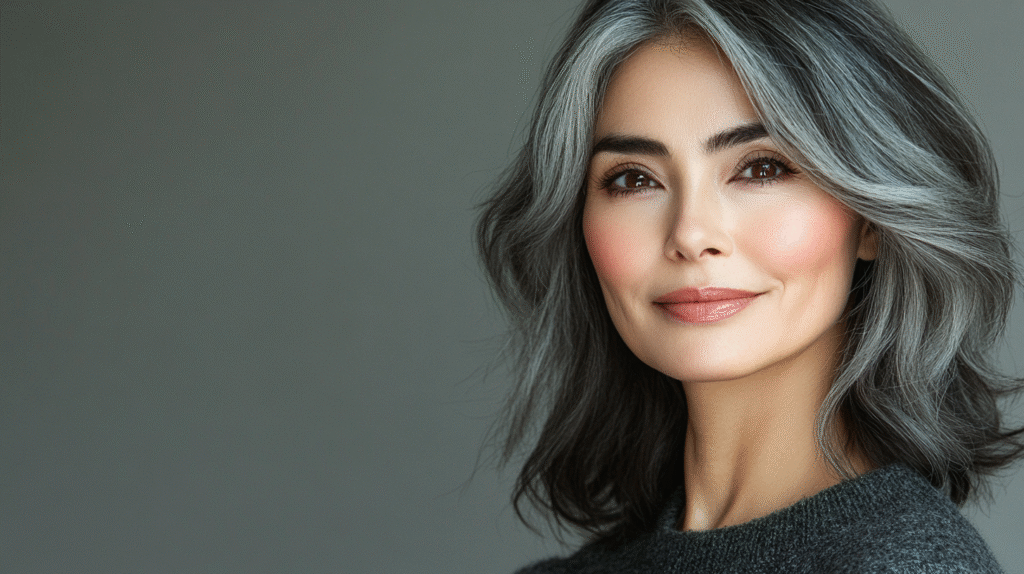
Perimenopause brings changes, and it’s normal to feel a bit thrown off by them. It’s not just about wrinkles or gray hairs; it’s about how you feel in your skin. The key is to shift your focus toward self-acceptance and finding joy in this new chapter. It’s about redefining beauty on your own terms.
Building Confidence
Confidence during perimenopause can take a hit, but it’s totally rebuildable. Start by acknowledging the changes you’re experiencing without judgment. Instead of dwelling on what’s different, focus on what you appreciate about yourself. Maybe it’s your strength, your wisdom, or your sense of humor.
- Practice positive self-talk. Replace negative thoughts with affirmations.
- Celebrate your achievements, big or small.
- Surround yourself with supportive people who lift you up.
Remember, confidence comes from within. It’s about accepting yourself fully, flaws and all. It’s a journey, not a destination.
Makeup Tips for Mature Skin
Makeup can be a fun way to enhance your features, but it’s important to adjust your approach as your skin changes. Heavy makeup can settle into fine lines and actually accentuate them. Here are a few tips:
- Opt for lightweight, hydrating foundations. Pregnancy-safe certifications are important to look for.
- Use a damp sponge or brush for application to avoid a cakey look.
- Cream blushes and highlighters can add a youthful glow.
- Don’t forget to prime your skin before applying makeup for a smoother finish.
Finding Your Personal Style
Perimenopause is a great time to re-evaluate your personal style. What worked in your 20s or 30s might not feel right anymore, and that’s okay! Experiment with new colors, silhouettes, and accessories.
- Consider a wardrobe edit. Get rid of anything that doesn’t fit well or make you feel good.
- Invest in quality pieces that you love and that will last.
- Don’t be afraid to try new trends, but always stay true to your own taste.
Professional Treatments for Skin and Hair
Consulting with Dermatologists
It’s easy to feel lost with all the changes happening during perimenopause. That’s where a dermatologist comes in. They can offer personalized advice and treatment plans tailored to your specific skin and hair needs. Don’t hesitate to seek their expertise for concerns like persistent acne, severe dryness, or significant hair loss. They can also help you understand which over-the-counter products are most likely to be effective for you, saving you time and money in the long run. They can also help with hair and skin solutions.
Exploring Cosmetic Procedures
For some, over-the-counter products and lifestyle changes aren’t enough to address their skin and hair concerns. In these cases, cosmetic procedures might be worth considering. Options range from non-invasive treatments like chemical peels and microdermabrasion to more involved procedures. Here are a few examples:
- Laser Resurfacing: Can help reduce the appearance of fine lines, wrinkles, and age spots.
- Dermal Fillers: Used to restore volume loss in the face, which can become more noticeable during perimenopause.
- Botulinum Toxin Injections: Can minimize the appearance of wrinkles, particularly around the eyes and forehead.
It’s important to have realistic expectations about what cosmetic procedures can achieve. They can certainly improve the appearance of your skin and hair, but they won’t stop the aging process altogether. Always choose a qualified and experienced practitioner to minimize the risk of complications.
Hair Restoration Options
Hair thinning and loss can be particularly distressing during perimenopause. Fortunately, there are several hair restoration options available. These include:
- Topical Treatments: Minoxidil is a common over-the-counter treatment that can help stimulate hair growth.
- Prescription Medications: Some medications, like finasteride (though typically used for men), may be prescribed off-label to help with hair loss in women.
- Hair Transplantation: A more permanent solution that involves transplanting hair follicles from one area of the scalp to another.
It’s important to discuss the potential risks and benefits of each option with a qualified professional to determine the best course of action for your individual needs. Remember that managing fine lines is possible with the right approach.
Embracing Your Beauty Journey
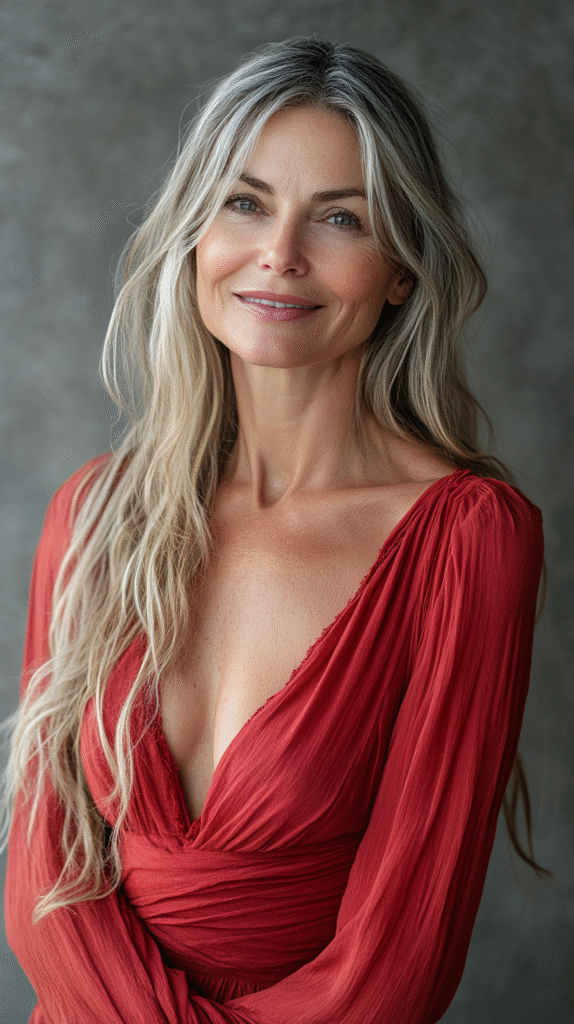
As you go through perimenopause, remember that changes in your skin and hair are completely normal. It can be tough to see these shifts, but with the right care and mindset, you can still feel beautiful. Focus on nourishing your body with good food, staying active, and managing stress. Don’t forget to treat your skin gently and use products that hydrate and protect. Embrace this phase of life as a chance to learn more about yourself and what makes you feel good. You’re not alone in this journey, and with a little patience and self-love, you can shine through these changes.
Frequently Asked Questions
What is perimenopause?
Perimenopause is the time before menopause when a woman’s hormone levels start to change. This can lead to symptoms like irregular periods and changes in skin and hair.
How does perimenopause affect my skin?
During perimenopause, lower estrogen levels can make your skin drier and thinner, leading to wrinkles and loss of elasticity.
What can I do to keep my skin hydrated?
To keep your skin hydrated, drink lots of water and use moisturizers that contain ingredients like hyaluronic acid.
Why is my hair thinning during perimenopause?
Hair thinning can happen during perimenopause due to hormonal changes that affect hair growth and health.
What are some good skincare products for perimenopause?
Look for gentle cleansers and moisturizers that are free of harsh chemicals. Products with hyaluronic acid and antioxidants are great choices.
How can I boost my confidence during these changes?
Embrace your new look by experimenting with makeup and finding a personal style that makes you feel good. Remember, these changes are natural!

you’re really a good webmaster. The web site loading speed is incredible. It seems that you’re doing any unique trick. Also, The contents are masterwork. you’ve done a great job on this topic!