
Alright, so let’s talk about Paños, or as the docs call it, Pityriasis Versicolor. It’s this skin thing that pops up when a certain fungus decides to have a party on your skin. Not exactly fun, right? It shows up as these weird patches on your skin, and depending on your skin tone, it can look lighter or darker than your usual color. It’s more common in hot and sweaty places, so summer can be a bummer for those who have it. But hey, don’t sweat it too much—there are ways to deal with it and get your skin back on track.
Key Takeaways
- Paños is a skin condition caused by the Malassezia fungus.
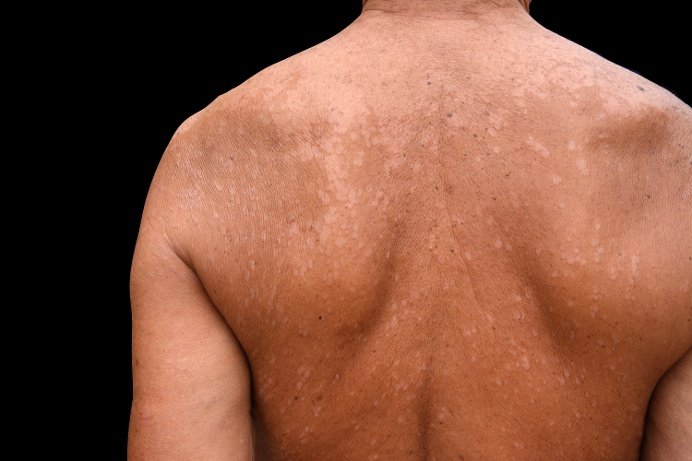
- It appears as discolored patches on the skin, often lighter or darker than the surrounding area.
- Hot and humid environments can trigger or worsen the condition.
- Various treatments are available, including topical antifungals and oral medications.
- Lifestyle changes, like proper skincare and diet, can help prevent recurrence.
Introduction to Paños (Pitiriasis Versicolor)
What is Paños?
Paños, also known as Pitiriasis Versicolor, is a common skin condition caused by a type of yeast that’s normally found on the skin. When this yeast grows out of control, it leads to discolored patches on the skin. These patches can be lighter or darker than the surrounding skin and are often found on the trunk and shoulders. The condition is not contagious, but it can be persistent, especially in hot, humid environments.
Historical Background of Paños
The condition was first identified in 1846, and its name derives from the Latin words “versāre” and “color,” meaning “to turn color.” Over the years, it has been referred to by various names across different cultures, including “Peter Elam’s disease” in South Asia. Despite its long history, the exact triggers that cause the yeast to grow excessively are not fully understood.
Common Misconceptions About Paños
There are several misconceptions about Paños. Some people mistakenly believe it is a result of poor hygiene, but this isn’t true. Others think it is highly contagious, which is also incorrect. The condition is merely a superficial fungal infection that can be managed with proper treatment. Understanding these misconceptions can help reduce stigma and encourage those affected to seek appropriate care.
Recognizing the Symptoms of Paños

Visible Signs on the Skin
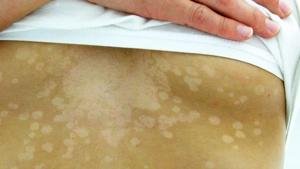
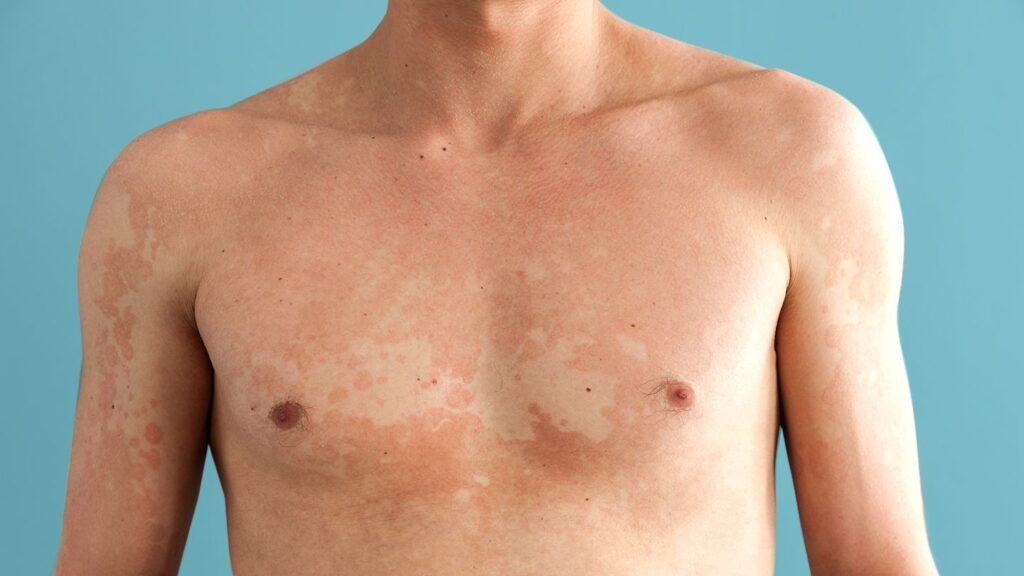
Paños, or pityriasis versicolor, often shows up as patches on the skin that can be lighter or darker than the surrounding area. These patches might be white, pink, or brown, and they sometimes have a fine, flaky surface. You might notice these spots more after being in the sun, as they don’t tan like the rest of your skin. Sometimes, they can even get a little itchy, but not always.
Differences in Symptoms by Skin Tone
How Paños looks can really depend on your skin tone. For folks with darker skin, the patches usually appear lighter, which makes them stand out more. On the flip side, if you have lighter skin, the patches might look darker or have a reddish tint. This can make them more noticeable after spending time in the sun or getting hot and sweaty.
When to Seek Medical Advice
If you notice any unusual patches on your skin that don’t go away after a few weeks, it might be time to check in with a doctor. This is especially true if the patches are spreading or if they’re making you uncomfortable. A healthcare professional can help figure out if it’s Paños or something else and suggest the best treatment options.
Being proactive about your skin health can prevent small issues from becoming bigger problems. It’s always better to get a professional opinion if you’re unsure about any changes in your skin.
Exploring the Causes of Paños
Role of Malassezia Fungus
Paños, also known as pityriasis versicolor, is primarily caused by the Malassezia yeast, a type of fungus found naturally on the skin. These yeasts, specifically Malassezia globosa and Malassezia furfur, are generally harmless but can become problematic under certain conditions. When the balance of the skin’s microbiome is disrupted, these fungi can grow excessively, leading to the development of Paños. This overgrowth can be triggered by factors such as high humidity, excessive sweating, or oily skin.
Environmental and Lifestyle Factors
Several environmental and lifestyle factors can contribute to the onset of Paños:
- Climate: Warm and humid environments are ideal for the growth of the Malassezia fungus, making individuals in tropical regions more susceptible.
- Hygiene Practices: Poor hygiene or infrequent skin cleaning can lead to an accumulation of oils and sweat, fostering fungal growth.
- Clothing Choices: Wearing tight or non-breathable clothing can trap moisture on the skin, creating a perfect breeding ground for the fungus.
Genetic Predispositions
Some individuals may have a genetic predisposition to developing Paños. This predisposition can affect the skin’s ability to regulate fungal growth, making it easier for the Malassezia yeast to proliferate. Family history can be an indicator, as Paños may run in families, suggesting a hereditary component. While genetics alone do not cause Paños, they can increase one’s susceptibility when combined with environmental triggers.
Understanding the causes of Paños is crucial in managing and preventing this condition. While Malassezia fungus plays a central role, environmental factors and genetics also contribute significantly. By recognizing these elements, individuals can take proactive steps to minimize their risk.
Diagnosing Paños: What to Expect
Clinical Examination Procedures
When you suspect you might have Paños, the first step is usually a visit to a healthcare provider. During the clinical exam, the doctor will inspect the affected skin areas closely. They might use a special tool called a dermatoscope, which magnifies the skin, making it easier to see the subtle changes in color and texture. This tool helps in identifying the characteristic signs of Paños.
Laboratory Tests and Imaging
Sometimes, a visual examination isn’t enough. In such cases, doctors may take skin scrapings from the affected areas to examine under a microscope. A common test is the potassium hydroxide (KOH) preparation, where the sample is treated with KOH to highlight the presence of fungal elements. Another technique involves using a Wood’s lamp, which emits ultraviolet light that can make the affected skin fluoresce a copper-orange color, indicating the presence of the Malassezia fungus.
Differential Diagnosis
It’s important to differentiate Paños from other skin conditions that might look similar. Some of these include:
- Progressive macular hypomelanosis
- Pityriasis alba
- Seborrheic dermatitis
- Vitiligo
Each of these conditions has its own unique features, and a healthcare provider, such as Julia Dudkiewicz, can help distinguish between them. Accurate diagnosis ensures that you receive the right treatment and care for your skin.

Effective Treatments for Paños
Topical Antifungal Medications
Dealing with Paños often starts with topical antifungal treatments. These are creams, lotions, or shampoos applied directly to the affected areas. Selenium sulfide and ketoconazole are popular choices. You might find them in medicated shampoos or creams that you apply to dry skin, leave for a bit, and then rinse off. Usually, it’s a daily routine for a couple of weeks. Some folks also use ciclopirox, which not only tackles the fungus but also helps with any inflammation.
Oral Treatment Options
When the condition is more severe or keeps coming back, doctors might suggest oral antifungal medications. These are pills you take for a short period. Itraconazole and fluconazole are common, but they’re typically reserved for stubborn cases. It’s interesting, sometimes patients are advised to exercise after taking the medication. The idea is to sweat it out, letting the medicine spread through the skin.
Home Remedies and Lifestyle Changes
Besides medications, some home remedies might help manage Paños. Regularly washing the skin with a gentle cleanser can prevent the fungus from spreading. Some folks swear by using diluted apple cider vinegar or tea tree oil, although these aren’t scientifically proven. Lifestyle changes like wearing breathable fabrics and avoiding excessive heat and humidity can also make a big difference. Staying cool and dry is key to keeping those pesky spots at bay.
Living with Paños can be a bit of a hassle, but with the right treatment and some lifestyle tweaks, you can manage it effectively. It’s all about finding what works best for you and sticking with it.
Preventing Recurrence of Paños
Daily Skincare Routine
Keeping a consistent skincare routine can be a game changer in preventing the return of Paños. Moisturizing daily helps maintain the skin’s natural barrier, reducing the chances of the fungus taking hold again. Here’s a simple routine to follow:
- Cleanse: Use a gentle cleanser that doesn’t strip your skin of its natural oils.
- Moisturize: Apply a light moisturizer to keep your skin hydrated.
- Protect: Use sunscreen daily, as the sun can sometimes worsen discoloration.
Diet and Nutrition Tips
What you eat can influence your skin’s health. A balanced diet can help keep your skin in top shape and possibly prevent flare-ups. Consider these tips:
- Stay Hydrated: Drinking plenty of water keeps your skin hydrated from the inside out.
- Include Antioxidants: Foods rich in antioxidants like berries, nuts, and leafy greens can support skin health.
- Limit Sugar and Dairy: Some people find that reducing sugar and dairy helps reduce skin issues.
Managing Environmental Triggers
Being mindful of your environment can also help in keeping Paños at bay. Here are some things to consider:
- Avoid Excessive Heat: Try to stay cool, as sweating can exacerbate the condition.
- Choose Breathable Fabrics: Wear clothes made of natural fibers like cotton to allow your skin to breathe.
- Stay Dry: After showers or swims, dry off thoroughly to prevent moisture buildup, which can encourage fungal growth.
Living with Paños requires a bit of attention to detail, but by incorporating these practices into your daily life, you can significantly reduce the chances of it coming back. Remember, consistency is key!
Living with Paños: Coping Strategies
Emotional and Psychological Support
Living with Paños can sometimes feel like a rollercoaster. The visible changes in skin can impact self-esteem and mental health. It’s important to acknowledge these feelings and seek support when needed. Consider talking to a therapist who can help manage any anxiety or depression that may arise. Joining a support group can also provide a sense of community and belonging, helping you to connect with others who understand what you’re going through.
Community and Support Groups
Finding a community that understands your experiences can be incredibly comforting. Look for local or online support groups where you can share your journey and learn from others. These groups often provide a safe space to discuss challenges and share tips on managing symptoms. You might even find lifelong friends who are going through similar experiences.
Long-term Management Plans
Managing Paños isn’t just about treating the symptoms when they appear. It’s about creating a long-term plan that keeps flare-ups at bay. Consider these steps:
- Regular Skincare Routine: Establish a daily routine that includes gentle cleansing and moisturizing to keep your skin healthy.
- Monitor Your Diet: Some people find that certain foods trigger their symptoms, so keeping a food diary might be helpful.
- Stay Informed: Keep up with the latest research and treatments for Paños. This empowers you to make informed decisions about your health.
Living with Paños requires patience and persistence. It’s a journey of learning and adapting, but with the right support and strategies, you can manage it effectively and maintain a good quality of life.
Wrapping It Up
So, there you have it, a deep dive into the world of Paños, or Pityriasis Versicolor. It’s one of those skin conditions that can be a real nuisance, especially if you live in a hot and humid place. But the good news is, with the right treatment, it’s totally manageable. From topical creams to oral medications, there are plenty of options to get your skin back to its usual self.
Just remember, if you think you might have it, it’s always a good idea to check in with a dermatologist. They can help you figure out the best way to tackle it. And hey, if it comes back, don’t sweat it too much—literally. Just keep your skin clean and dry, and you’ll be on the right track. Thanks for sticking around and learning a bit more about this pesky skin issue!

Frequently Asked Questions
What is Paños?
Paños, also known as Pityriasis Versicolor, is a skin condition caused by a fungus. It can change the color of your skin, making patches lighter or darker than your usual skin tone.
How do I know if I have Paños?
If you notice patches on your skin that are lighter or darker and might be a bit scaly, especially after being in the sun, you might have Paños. It’s best to check with a doctor for a proper diagnosis.
Can Paños be cured?
Yes, Paños can be treated with special creams or pills that your doctor can prescribe. It’s important to follow their advice to get rid of it.
Is Paños contagious?
No, Paños is not contagious. You can’t catch it from someone else or give it to another person.
Why does Paños keep coming back?
Paños can come back, especially in warm, humid weather. It’s important to follow prevention tips like keeping your skin dry and using prescribed treatments.
What should I do if over-the-counter treatments don’t work?
If store-bought treatments aren’t helping, see a doctor. They can give you stronger medicine or check if something else is causing your skin changes.
Editor’s Note:
Personal Experience: A Practical Solution
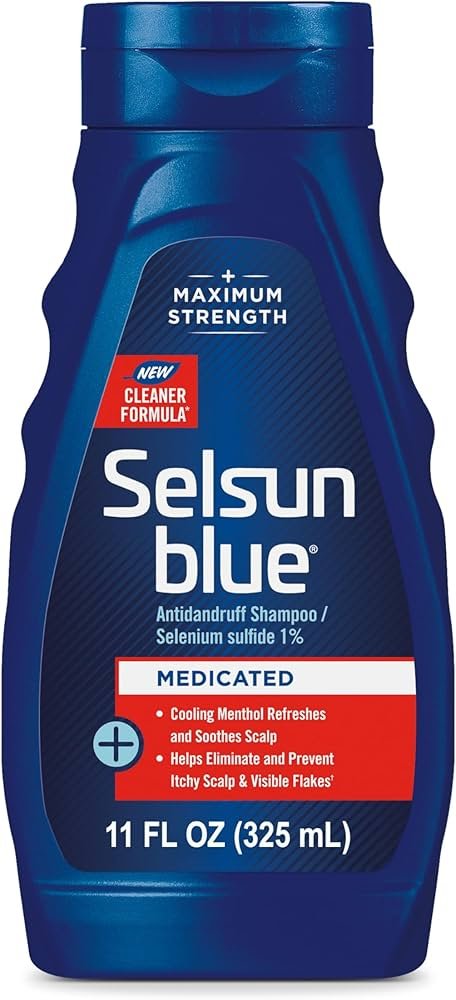
From ages 12 to 24, I struggled with recurring paños (tinea versicolor), experiencing periodic outbreaks that would come and go. A turning point came when I met an army medic who shared a simple yet effective treatment strategy. He recommended thoroughly showering and using Selsun Blue (original dandruff shampoo) as a targeted solution. Following his advice, I found remarkable results – the condition disappeared permanently. Years later, when my son turned 21 and developed the same skin condition, I passed along the same advice. By applying the Selsun Blue treatment method, he became free of paños within just within weeks. This straightforward approach, shared through personal experience, proved to be an accessible and successful method for managing tinea versicolor.




Your article helped me a lot, is there any more related content? Thanks!
Your article helped me a lot, is there any more related content? Thanks!
I don’t think the title of your article matches the content lol. Just kidding, mainly because I had some doubts after reading the article.
Thanks for sharing. I read many of your blog posts, cool, your blog is very good.
Thanks for sharing. I read many of your blog posts, cool, your blog is very good.
Your point of view caught my eye and was very interesting. Thanks. I have a question for you.
Can you be more specific about the content of your article? After reading it, I still have some doubts. Hope you can help me.
I don’t think the title of your article matches the content lol. Just kidding, mainly because I had some doubts after reading the article.
Greate pieces. Keep posting such kind of information on your site. Im really impressed by it.
Very good information. Lucky me I came across your blog by accident (stumbleupon). I have bookmarked it for later!
Hurrah, that’s what I was searching for, what a stuff! present here at this website, thanks admin of this site.
Hurrah, that’s what I was looking for, what a information! present here at this web site, thanks admin of this web site.
Hurrah, that’s what I was looking for, what a material! existing here at this blog, thanks admin of this website.
Hurrah, that’s what I was searching for, what a data! existing here at this weblog, thanks admin of this website.
Wow, that’s what I was looking for, what a data! present here at this web site, thanks admin of this website.
Hurrah, that’s what I was exploring for, what a data! existing here at this blog, thanks admin of this web site.
Wow, that’s what I was searching for, what a stuff! present here at this webpage, thanks admin of this site.
Wow, that’s what I was exploring for, what a stuff! present here at this webpage, thanks admin of this web page.
Wow, that’s what I was exploring for, what a data! present here at this webpage, thanks admin of this site.
Hurrah, that’s what I was looking for, what a stuff! present here at this web site, thanks admin of this web site.
Wow, that’s what I was searching for, what a material! present here at this weblog, thanks admin of this web site.
Cool blog! Is your theme custom made or did you
download it from somewhere? A theme like yours with a few simple tweeks would really make my blog stand
out. Please let me know where you got your theme.
Appreciate it
After I originally commented I appear to have clicked the -Notify me when new comments are added- checkbox and from now on every time a comment is added I get 4 emails with the same comment. Is there a way you can remove me from that service? Many thanks!
I really love your blog.. Pleasant colors & theme.
Did you build this website yourself? Please reply back as I’m looking to create my very own blog and would like to find out where you got this from or what the
theme is named. Thanks!
When I initially commented I seem to have clicked the -Notify me when new comments are added- checkbox and now every time a comment is added I receive 4 emails with the exact same comment. Perhaps there is a means you can remove me from that service? Thanks a lot!
After I originally commented I appear to have clicked the -Notify me when new comments are added- checkbox and now each time a comment is added I receive four emails with the same comment. Is there an easy method you can remove me from that service? Cheers!
When I originally commented I appear to have clicked on the -Notify me when new comments are added- checkbox and now whenever a comment is added I receive four emails with the same comment. Perhaps there is a means you are able to remove me from that service? Many thanks!
When I initially left a comment I seem to have clicked on the -Notify me when new comments are added- checkbox and now each time a comment is added I get 4 emails with the same comment. Is there a means you can remove me from that service? Kudos!
When I initially left a comment I seem to have clicked the -Notify me when new comments are added- checkbox and from now on each time a comment is added I receive four emails with the same comment. Perhaps there is a way you are able to remove me from that service? Thanks!
After I initially left a comment I appear to have clicked on the -Notify me when new comments are added- checkbox and from now on whenever a comment is added I receive four emails with the same comment. Is there a means you are able to remove me from that service? Thanks!
When I initially left a comment I seem to have clicked on the -Notify me when new comments are added- checkbox and from now on every time a comment is added I get four emails with the same comment. There has to be a means you can remove me from that service? Cheers!
When I initially left a comment I seem to have clicked on the -Notify me when new comments are added- checkbox and from now on whenever a comment is added I get four emails with the same comment. There has to be an easy method you can remove me from that service? Thank you!
When I originally commented I seem to have clicked the -Notify me when new comments are added- checkbox and now every time a comment is added I get 4 emails with the exact same comment. There has to be a means you are able to remove me from that service? Kudos!
Hello there! I could have sworn I’ve been to this blog before but after checking through some of the post I realized it’s new to me. Nonetheless, I’m definitely delighted I found it and I’ll be bookmarking and checking back frequently!
Hello there! I could have sworn I’ve been to this website before but after checking through some of the post I realized it’s new to me. Nonetheless, I’m definitely glad I found it and I’ll be book-marking and checking back often!
Hello there! I could have sworn I’ve been to this blog before but after reading through some of the post I realized it’s new to me. Anyhow, I’m definitely happy I found it and I’ll be bookmarking and checking back frequently!
Hey there! I could have sworn I’ve been to this site before but after browsing through some of the post I realized it’s new to me. Anyhow, I’m definitely glad I found it and I’ll be bookmarking and checking back often!
Hi! I could have sworn I’ve been to this website before but after checking through some of the post I realized it’s new to me. Anyhow, I’m definitely happy I found it and I’ll be book-marking and checking back frequently!
Good day! I could have sworn I’ve been to this blog before but after checking through some of the post I realized it’s new to me. Anyways, I’m definitely delighted I found it and I’ll be bookmarking and checking back frequently!
Hi there! I could have sworn I’ve been to this site before but after checking through some of the post I realized it’s new to me. Anyhow, I’m definitely glad I found it and I’ll be book-marking and checking back frequently!
Good day! I could have sworn I’ve been to this site before but after reading through some of the post I realized it’s new to me. Nonetheless, I’m definitely happy I found it and I’ll be book-marking and checking back frequently!
Hi every one, here every one is sharing these experience, thus it’s pleasant to read this web site, and I used to visit this weblog daily.
Hello, I would like to subscribe for this weblog to take newest updates, thus where can i do it please help out.
This is my first time pay a quick visit at here and i am really pleassant to read everthing at one place.
I every time spent my half an hour to read this web site’s posts every day along with a mug of coffee.
Hello, this weekend is pleasant in favor of me, as this occasion i am reading this impressive educational article here at my residence.
Have you ever considered about including a little bit more than just your articles? I mean, what you say is valuable and all. But just imagine if you added some great pictures or video clips to give your posts more, “pop”! Your content is excellent but with images and clips, this site could certainly be one of the very best in its niche. Superb blog!
I’m impressed, I must say. Rarely do I encounter a blog that’s both equally educative and interesting, and without a doubt, you have hit the nail on the head. The problem is an issue that too few people are speaking intelligently about. I’m very happy I came across this during my hunt for something relating to this.
You can certainly see your skills in the article you write. The arena hopes for even more passionate writers such as you who aren’t afraid to say how they believe. All the time go after your heart.
Great article! This is the kind of info that should be shared around the internet. Disgrace on Google for now not positioning this put up higher! Come on over and talk over with my site . Thanks =)
I wanted to thank you for this excellent read!! I absolutely loved every little bit of it. I have you saved as a favorite to look at new stuff you post…
Spot on with this write-up, I honestly think this web site needs much more attention. I’ll probably be returning to read through more, thanks for the info!
My spouse and I stumbled over here from a different web address and thought I might check things out. I like what I see so now i am following you. Look forward to going over your web page yet again.
If some one wants expert view regarding running a blog afterward i recommend him/her to pay a quick visit this web site, Keep up the nice job.
Hi everyone, it’s my first pay a quick visit at this site, and article is genuinely fruitful designed for me, keep up posting these posts.
Terrific post however I was wondering if you could write a litte more on this subject? I’d be very thankful if you could elaborate a little bit more. Bless you!
My partner and I stumbled over here different website and thought I might as well check things out. I like what I see so now i’m following you. Look forward to finding out about your web page again.
Greetings from California! I’m bored to death at work so I decided to check out your blog on my iphone during lunch break. I enjoy the information you provide here and can’t wait to take a look when I get home. I’m shocked at how quick your blog loaded on my cell phone .. I’m not even using WIFI, just 3G .. Anyhow, wonderful site!
Please let me know if you’re looking for a article writer for your weblog. You have some really great posts and I think I would be a good asset. If you ever want to take some of the load off, I’d absolutely love to write some articles for your blog in exchange for a link back to mine. Please shoot me an e-mail if interested. Cheers!
Hey I know this is off topic but I was wondering if you knew of any widgets I could add to my blog that automatically tweet my newest twitter updates. I’ve been looking for a plug-in like this for quite some time and was hoping maybe you would have some experience with something like this. Please let me know if you run into anything. I truly enjoy reading your blog and I look forward to your new updates.
It’s actually very complicated in this active life to listen news on Television, thus I just use the web for that purpose, and take the newest news.
Hello there, You’ve done a great job. I’ll definitely digg it and personally suggest to my friends. I am sure they will be benefited from this site.
hello!,I love your writing very a lot! proportion we be in contact more approximately your article on AOL? I need an expert in this house to resolve my problem. Maybe that is you! Taking a look ahead to peer you.
Sweet blog! I found it while browsing on Yahoo News. Do you have any suggestions on how to get listed in Yahoo News? I’ve been trying for a while but I never seem to get there! Cheers
Just want to say your article is as amazing. The clarity in your post is just nice and i could assume you are an expert on this subject. Well with your permission let me to grab your feed to keep up to date with forthcoming post. Thanks a million and please keep up the gratifying work.
Thank you for any other informative web site. Where else may just I am getting that kind of information written in such an ideal means? I have a mission that I am simply now running on, and I have been on the look out for such info.
I’m not sure exactly why but this site is loading very slow for me. Is anyone else having this issue or is it a problem on my end? I’ll check back later and see if the problem still exists.
This article will help the internet viewers for building up new webpage or even a weblog from start to end.
Hey there, I think your website might be having browser compatibility issues. When I look at your website in Ie, it looks fine but when opening in Internet Explorer, it has some overlapping. I just wanted to give you a quick heads up! Other then that, amazing blog!
hello!,I like your writing very so much! percentage we keep up a correspondence extra about your article on AOL? I need an expert in this area to unravel my problem. May be that’s you! Taking a look forward to look you.
Hello there, simply was aware of your blog via Google, and located that it is truly informative. I am gonna watch out for brussels. I will be grateful for those who proceed this in future. A lot of other people will probably be benefited out of your writing. Cheers!
Howdy I am so glad I found your weblog, I really found you by mistake, while I was researching on Yahoo for something else, Anyways I am here now and would just like to say many thanks for a tremendous post and a all round interesting blog (I also love the theme/design), I don’t have time to look over it all at the moment but I have saved it and also included your RSS feeds, so when I have time I will be back to read a lot more, Please do keep up the superb job.
When I initially commented I clicked the “Notify me when new comments are added” checkbox and now each time a comment is added I get four emails with the same comment. Is there any way you can remove me from that service? Many thanks!
Excellent web site you have here.. It’s hard to find high-quality writing like yours these days. I truly appreciate people like you! Take care!!
You can definitely see your enthusiasm in the article you write. The world hopes for more passionate writers such as you who aren’t afraid to mention how they believe. All the time go after your heart.
Hi there, I check your blog like every week. Your writing style is witty, keep it up!
Valuable information. Lucky me I discovered your site by accident, and I’m shocked why this twist of fate didn’t came about earlier! I bookmarked it.
I have read so many posts regarding the blogger lovers except this article is genuinely a fastidious paragraph, keep it up.
I simply couldn’t depart your website before suggesting that I extremely enjoyed the standard info a person supply for your visitors? Is gonna be again ceaselessly in order to check up on new posts
It’s very simple to find out any matter on web as compared to books, as I found this article at this website.
Your means of explaining all in this post is actually nice, every one be capable of simply understand it, Thanks a lot.
Quality articles or reviews is the key to be a focus for the people to go to see the site, that’s what this web site is providing.
I’m not that much of a online reader to be honest but your sites really nice, keep it up! I’ll go ahead and bookmark your website to come back later. Cheers
I am curious to find out what blog system you have been working with? I’m having some minor security issues with my latest site and I would like to find something more safe. Do you have any suggestions?
I’m really enjoying the design and layout of your site. It’s a very easy on the eyes which makes it much more pleasant for me to come here and visit more often. Did you hire out a developer to create your theme? Outstanding work!
I think this is among the most vital information for me. And i’m glad reading your article. But should remark on some general things, The web site style is wonderful, the articles is really excellent : D. Good job, cheers
Hi friends, its impressive article regarding cultureand entirely defined, keep it up all the time.
Hi there everyone, it’s my first pay a visit at this web site, and paragraph is actually fruitful in support of me, keep up posting these articles or reviews.
Hello, its fastidious paragraph regarding media print, we all be aware of media is a impressive source of facts.
Thank you for your sharing. I am worried that I lack creative ideas. It is your article that makes me full of hope. Thank you. But, I have a question, can you help me?
I couldn’t resist commenting. Well written!
Hi there, just wanted to mention, I liked this article. It was practical. Keep on posting!
Hi i am kavin, its my first time to commenting anywhere, when i read this piece of writing i thought i could also create comment due to this brilliant post.
Hello there, I discovered your web site by means of Google even as searching for a related matter, your website came up, it seems great. I have bookmarked it in my google bookmarks
It’s going to be ending of mine day, but before ending I am reading this wonderful post to improve my know-how.
This article is truly a fastidious one it helps new the web visitors, who are wishing for blogging.
Hi there, of course this piece of writing is truly fastidious and I have learned lot of things from it on the topic of blogging. thanks.
You’ve made some good points there. I looked on the internet to find out more about the issue and found most people will go along with your views on this web site.
Hi, I think your site may be having browser compatibility issues. When I take a look at your site in Safari, it looks fine however when opening in Internet Explorer, it has some overlapping issues. I just wanted to provide you with a quick heads up! Besides that, wonderful website!
With havin so much content do you ever run into any issues of plagorism or copyright infringement? My website has a lot of unique content I’ve either written myself or outsourced but it seems a lot of it is popping it up all over the web without my agreement. Do you know any ways to help reduce content from being stolen? I’d definitely appreciate it.
Excellent blog post. I definitely appreciate this site. Thanks!
Hi, yeah this article is truly fastidious and I have learned lot of things from it regarding blogging. thanks.
hey there and thank you for your info – I have definitely picked up something new from right here. I did however expertise some technical points using this site, since I experienced to reload the website a lot of times previous to I could get it to load properly. I had been wondering if your web host is OK? Not that I’m complaining, but slow loading instances times will often affect your placement in google and can damage your quality score if ads and marketing with Adwords. Well I’m adding this RSS to my e-mail and could look out for much more of your respective interesting content. Ensure that you update this again very soon.
Hello there, just became alert to your blog through Google,
and found that it is truly informative. I am going to watch out for brussels.
I will appreciate if you continue this in future. A lot of people will be benefited
from your writing. Cheers!
You made some really good points there. I looked on the web for more info about the issue and found
most people will go along with your views on this web site.
It’s going to be end of mine day, except before ending I am reading this wonderful post to improve
my knowledge.
Hi, I do think this is a great blog. I stumbledupon it 😉 I am going to revisit once again since i have book marked it.
Money and freedom is the greatest way to change, may you be rich and continue to help others.
Good day! I know this is kinda off topic but I was wondering if you
knew where I could get a captcha plugin for my comment form?
I’m using the same blog platform as yours and I’m having problems finding one?
Thanks a lot!
Right here is the perfect blog for everyone who really wants to understand this topic.
You know so much its almost hard to argue with you (not that I personally will need to…HaHa).
You certainly put a brand new spin on a subject that’s been written about for
a long time. Excellent stuff, just wonderful!
Every weekend i used to go to see this site, as i wish
for enjoyment, as this this site conations truly pleasant funny information too.
I really like what you guys are up too. This kind of clever
work and exposure! Keep up the wonderful works guys I’ve included
you guys to blogroll.
May I just say what a comfort to discover an individual who actually knows what they’re discussing online. You actually know how to bring an issue to light and make it important. A lot more people have to read this and understand this side of the story. I was surprised you are not more popular because you most certainly possess the gift.
Asking questions are actually nice thing if you are not understanding something totally, except this piece of writing offers nice understanding yet.
av 在线 – https://kanav.so
I’m extremely inspired with your writing abilities and also with the format on your blog. Is that this a paid theme or did you modify it your self? Anyway keep up the nice quality writing, it’s uncommon to see a great weblog like this one today..
This article provides clear idea designed for the new users of blogging, that truly how to do running a blog.
Hi there to every body, it’s my first pay a quick visit of this blog; this webpage carries amazing and truly excellent stuff for visitors.
It’s an remarkable article designed for all the internet viewers; they will get benefit from it I am sure.
Hi there! This is my first comment here so I just wanted to give a quick shout out and tell you I really enjoy reading your articles. Can you suggest any other blogs/websites/forums that deal with the same topics? Thanks for your time!
You should take part in a contest for one of the greatest blogs on the internet. I will recommend this site!
I was curious if you ever thought of changing the layout of your website? Its very well written; I love what youve got to say. But maybe you could a little more in the way of content so people could connect with it better. Youve got an awful lot of text for only having one or two pictures. Maybe you could space it out better?
**mitolyn**
Mitolyn is a carefully developed, plant-based formula created to help support metabolic efficiency and encourage healthy, lasting weight management.
Hi mates, pleasant post and good urging commented here, I am genuinely enjoying by these.
After looking into a handful of the blog articles on your blog, I honestly like your technique of blogging. I book-marked it to my bookmark site list and will be checking back soon. Take a look at my web site too and let me know what you think.
Hello! I’ve been reading your web site for some time now and finally got the courage to go ahead and give you a shout out from Porter Tx! Just wanted to say keep up the excellent work!
I am really pleased to read this blog posts which includes plenty of valuable data, thanks for providing these statistics.
Hello everyone, it’s my first go to see at this website, and paragraph is truly fruitful in support of me, keep up posting such content.
Magnificent goods from you, man. I’ve understand your stuff previous to and you are just too magnificent. I actually like what you’ve acquired here, certainly like what you’re saying and the way in which you say it. You make it enjoyable and you still care for to keep it smart. I can’t wait to read far more from you. This is actually a great web site.
Hi there i am kavin, its my first time to commenting anyplace, when i read this article i thought i could also make comment due to this brilliant paragraph.
Howdy would you mind stating which blog platform you’re using? I’m looking to start my own blog in the near future but I’m having a difficult time choosing between BlogEngine/Wordpress/B2evolution and Drupal. The reason I ask is because your layout seems different then most blogs and I’m looking for something unique. P.S Sorry for getting off-topic but I had to ask!
It’s very easy to find out any matter on net as compared to books, as I found this article at this web site.
Undeniably believe that that you stated. Your favourite reason appeared to be at the web the simplest thing to be mindful of. I say to you, I definitely get annoyed while people consider worries that they just don’t recognize about. You controlled to hit the nail upon the highest and also defined out the entire thing with no need side effect , folks could take a signal. Will probably be back to get more. Thank you
Hi! Do you know if they make any plugins to protect against hackers? I’m kinda paranoid about losing everything I’ve worked hard on. Any tips?
Good article and straight to the point. I don’t know if this is in fact the best place to ask but do you people have any thoughts on where to get some professional writers? Thank you 🙂
For latest information you have to pay a visit world wide web and on web I found this website as a finest web page for most up-to-date updates.
What’s up i am kavin, its my first time to commenting anyplace, when i read this article i thought i could also make comment due to this sensible post.
Thanks a lot for sharing this with all people you actually understand what you are talking about! Bookmarked. Kindly additionally talk over with my site =). We will have a hyperlink exchange arrangement between us