
Lipsticks are a staple in many makeup bags, but have you ever thought about what’s in them? Many conventional lipsticks contain chemicals that might not be so friendly to your skin or the environment. That’s where natural lipsticks come in—they’re made with ingredients you can actually pronounce and feel good about putting on your lips. Let’s explore why switching to natural lipsticks might be a good idea for you and the planet.

Key Takeaways
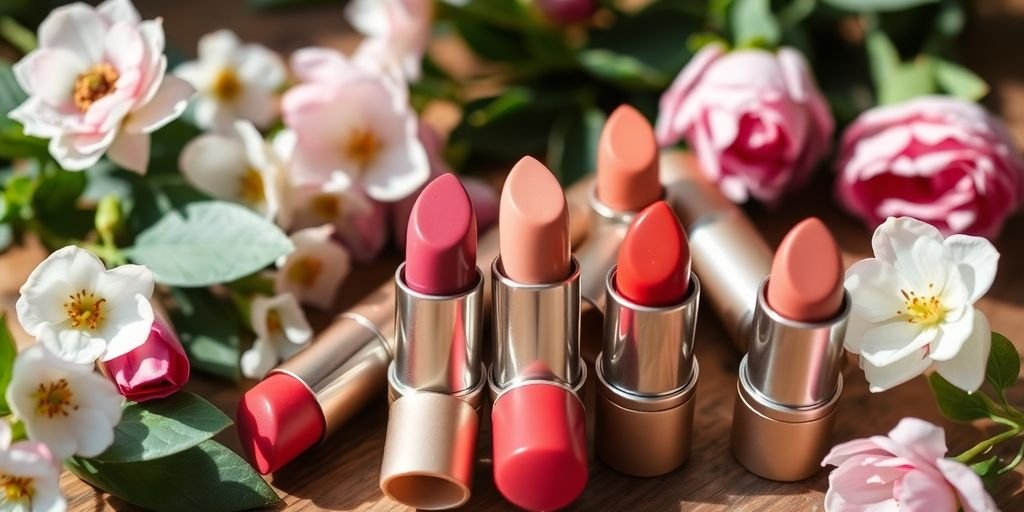
- Natural lipsticks are free from harsh chemicals and are made with ingredients like cocoa butter and jojoba oil.
- Using natural lipsticks can reduce the risk of allergic reactions and other health issues.
- Natural lipsticks are often cruelty-free and come in eco-friendly packaging.
- There are plenty of brands offering a wide range of shades in natural lipsticks.
- Making your own lipstick at home is a fun and customizable option.
Understanding Natural Lipsticks
What Makes a Lipstick Natural?
When we talk about natural lipsticks, we’re diving into a world where synthetic chemicals take a back seat. These lipsticks are crafted using ingredients sourced from nature, like plant oils, waxes, and natural pigments. The main goal is to keep it clean and simple, avoiding any harsh chemicals that might irritate your lips. Think of it as a more skin-friendly approach to makeup.
Benefits of Using Natural Lipsticks
Switching to natural lipsticks comes with a bunch of perks:
- Gentle on the Lips: Without harsh chemicals, they are less likely to cause irritation or allergic reactions.
- Eco-Friendly: Many brands focus on sustainable sourcing and packaging, which is a win for the planet.
- Nourishing Ingredients: Often packed with moisturizing elements like jojoba oil and shea butter, they help keep your lips soft and hydrated.
Common Ingredients in Natural Lipsticks
Natural lipsticks are often made with a mix of nourishing components. Here’s a quick look at some usual suspects:
- Beeswax or Candelilla Wax: Used for texture and stability, offering a smooth application.
- Plant Oils: Such as jojoba, coconut, or avocado oil, these provide hydration and a silky feel.
- Mineral Pigments: These are used for color, steering clear of synthetic dyes.
Natural lipsticks not only enhance your beauty but also offer peace of mind, knowing you’re using a product that’s kind to both your skin and the environment.
For those interested in exploring more about clean and natural lipstick options, this article highlights various organic lipstick brands that prioritize safety and quality.
The Dangers of Chemical Lipsticks
Harmful Chemicals to Avoid
When choosing lipsticks, it’s crucial to be aware of the harmful chemicals that often lurk in conventional products. Some of the most concerning ingredients include parabens, phthalates, and lead. Parabens are preservatives that can mimic estrogen in the body, potentially disrupting hormonal balance. Phthalates, commonly used to make products more flexible, have been linked to reproductive issues. Lead, a heavy metal sometimes found in lipsticks, poses serious health risks even in small amounts.
Health Risks Associated with Chemical Lipsticks
Wearing lipsticks with toxic chemicals can lead to a variety of health issues. For starters, skin irritation and allergic reactions are common, especially for those with sensitive skin. Long-term exposure to harmful ingredients like lead can result in more serious health concerns, including neurological damage. Regular use of such lipsticks may also contribute to hormone disruption, affecting overall well-being.
Environmental Impact of Chemical Lipsticks
The environmental toll of chemical-laden lipsticks is significant. Many of these products contain non-biodegradable ingredients that contribute to pollution. The production process often involves toxic chemicals that can leach into water supplies, harming aquatic life. Furthermore, the packaging is frequently non-recyclable, adding to the growing problem of plastic waste. Opting for eco-friendly alternatives can help mitigate these environmental impacts.
Choosing natural lipsticks not only benefits your health but also supports a healthier planet. By avoiding chemical-laden beauty products, you contribute to a more sustainable and eco-friendly future.
Choosing the Right Natural Lipstick
Selecting the perfect natural lipstick isn’t as simple as picking a color you like. It’s about finding a product that suits your needs and lifestyle. Here are a few things to keep in mind:
- Ingredients: Look for lipsticks made with organic and natural components. Avoid harmful chemicals like parabens and sulfates.
- Skin Tone: Consider your skin’s undertone to find shades that enhance your natural beauty. Swatch cool, warm, and neutral shades to see which ones blend seamlessly.
- Finish and Texture: Decide if you prefer a matte, glossy, or satin finish, and consider how the texture feels on your lips.
A lipstick that feels good and looks great can boost your confidence throughout the day.
When it comes to natural lipsticks, some brands stand out for their commitment to quality and sustainability. Here are a few worth checking out:
- ILIA: Known for its pigmented lipsticks, ILIA uses organic ingredients like castor seed oil and mango seed butter.
- MG Naturals: Offers a range of shades without titanium dioxide, using ingredients like cocoa butter and jojoba oil.
- Burt’s Bees: A popular choice for those seeking affordable and nourishing lip products made from natural ingredients.
Before committing to a new lipstick, it’s wise to test for potential allergic reactions:
- Patch Test: Apply a small amount of lipstick on your wrist or behind your ear and wait 24 hours.
- Check for Reactions: Look for any redness, itching, or swelling during this period.
- Consult a Dermatologist: If you have sensitive skin or a history of allergies, seek professional advice before trying new products.
Choosing a natural lipstick is not just about aesthetics; it’s about ensuring your lips are healthy and well-cared for.
Ingredients to Look for in Natural Lipsticks
When you’re on the hunt for a natural lipstick, it’s key to know what ingredients make it worth your while. Natural lipsticks are not just about skipping the bad stuff; they’re about packing in the good stuff. Here’s a breakdown of what you should be looking for:
Nourishing Oils and Butters
Natural lipsticks often boast a range of oils and butters that do wonders for your lips. Cocoa butter, for instance, is rich in antioxidants and essential fatty acids, providing deep nourishment and protection. Jojoba oil is another favorite, known for its hydrating properties and ability to soothe inflammation. These ingredients not only keep your lips soft but also help in maintaining the lipstick’s texture and longevity.
Natural Pigments and Colorants
Gone are the days when you needed synthetic dyes for vibrant lip colors. Many brands now use natural pigments derived from fruits, vegetables, and minerals. For example, beetroot can give a beautiful red hue, while turmeric provides a warm yellow. These pigments are not only safer but also offer a subtle, natural glow.
Preservatives and Stabilizers
Even natural lipsticks need to stay fresh and stable. Look for preservatives like vitamin E, which not only prolongs shelf life but also adds a dose of nourishment. Beeswax or candelilla wax are commonly used as stabilizers, providing a smooth application and helping the lipstick hold its shape.
Choosing a natural lipstick isn’t just about avoiding harmful chemicals. It’s about embracing ingredients that care for your lips and the planet. With so many options available, there’s no reason not to make the switch to a healthier, more sustainable choice.
For those interested in exploring the best non-toxic lipsticks, there are plenty of options that avoid harmful ingredients like Paraffinum Liquidum and Petrolatum.
Sustainable and Ethical Lipstick Choices
Vegan and Cruelty-Free Options
Choosing vegan and cruelty-free lipsticks is not just a trend; it’s a commitment to ethical beauty. These products are made without any animal-derived ingredients and are not tested on animals. Brands like Honeybee Gardens Truly Natural Lipstick offer a perfect blend of vibrant colors and ethical standards, ensuring your beauty routine is both kind and chic. By opting for cruelty-free products, you’re taking a stand against animal testing and supporting a more humane industry.
Eco-Friendly Packaging
Eco-friendly packaging is becoming a must-have in the beauty industry. Lipstick brands are now using recycled materials and biodegradable packaging to reduce their environmental footprint. Look for products that use minimal plastic and opt for glass or metal containers instead. This small change can significantly impact the planet by reducing waste and promoting sustainability.
Supporting Ethical Brands
Supporting brands that prioritize ethical practices is crucial in today’s world. These companies focus on fair trade, sustainable sourcing, and giving back to the community. When you purchase from such brands, you’re not just buying a product; you’re investing in a better future. Consider companies that are transparent about their sourcing and manufacturing processes, ensuring that every step is aligned with ethical standards.
Making conscious choices in your beauty routine not only enhances your personal style but also contributes to a healthier planet and a more equitable society. By supporting sustainable and ethical lipstick brands, you’re playing a part in a larger movement towards a more responsible beauty industry.
DIY Natural Lipstick Recipes
Basic Ingredients for Homemade Lipsticks
Creating your own lipstick at home is not only fun but also ensures you’re using safe, natural ingredients. Here are some essentials you’ll need:
- Beeswax or Candelilla Wax: Acts as a base, giving your lipstick structure.
- Cocoa Butter or Shea Butter: Adds creaminess and moisture.
- Jojoba Oil or Coconut Oil: Provides hydration and a smooth application.
- Natural Pigments: Such as beetroot powder or cocoa powder for color.
Step-by-Step Guide to Making Lipstick
Making lipstick at home can be simple if you follow these steps:
- Melt the Base: In a double boiler, melt 1 tablespoon of beeswax and 1 tablespoon of cocoa butter.
- Add Oils: Stir in 1 teaspoon of jojoba oil.
- Mix in Color: Add your chosen natural pigment until the desired shade is achieved.
- Pour and Set: Pour the mixture into a lipstick mold or small container and let it cool.
Tips for Customizing Your Lipstick Shades
Customizing your lipstick shade is all about experimenting:
- For a deeper color, add more pigment.
- Mix different pigments to create unique shades.
- Add a drop of essential oil for fragrance.
Making your own lipstick allows you to be creative while ensuring the product is safe and natural. It’s a rewarding process that connects you with the ingredients you’re using.
For a more detailed guide, consider checking out TKB’s “Lipstick Quick Start” for expert insights and tips.
Caring for Your Lips Naturally
Daily Lip Care Routine
Keeping your lips in top shape doesn’t have to be complicated. Start by drinking plenty of water to stay hydrated, which is crucial for maintaining soft, healthy lips. Avoid licking your lips, as this can actually lead to dryness. Instead, apply a nourishing lip balm regularly, especially before bed. Consider using a lip balm with ingredients like cocoa butter or jojoba oil for extra moisture.
Natural Lip Exfoliation Methods
Exfoliating your lips helps remove dead skin cells, leaving them smooth and ready for your favorite natural lipstick. You can make a simple lip scrub at home using sugar and honey. Just mix equal parts and gently rub onto your lips in a circular motion. Rinse off with warm water and apply a hydrating lip balm. Do this once or twice a week for best results.
Hydrating Lip Treatments
For an extra boost of hydration, try using a lip mask or a thick layer of lip balm overnight. Ingredients like shea butter and almond oil can provide deep nourishment. You might also want to explore using natural oils such as coconut or olive oil as a quick lip treatment. Simply dab a small amount onto your lips and let it absorb.
Taking care of your lips naturally not only enhances their appearance but also ensures long-term health. With a few simple steps, you can keep them looking and feeling their best.
For more tips on maintaining healthy lips, including avoiding certain habits and dietary adjustments, check out this guide.
Wrapping It Up: Why Natural Lipsticks Are a Game-Changer
So, there you have it. Natural lipsticks are more than just a trend; they’re a smart choice for anyone looking to keep their beauty routine clean and green. With all the harmful stuff out there, it’s nice to know you can still look fabulous without compromising your health or the planet. These lipsticks, packed with good-for-you ingredients like cocoa butter and jojoba oil, not only make your lips look great but also keep them feeling soft and healthy. Plus, with so many shades to choose from, there’s something for every mood and occasion. So next time you’re shopping for a new lip color, why not give natural a try? Your lips—and the earth—will thank you.
Frequently Asked Questions
What are natural lipsticks made of?
Natural lipsticks are crafted using ingredients like cocoa butter, jojoba oil, and candelilla wax, which are rich in vitamins and antioxidants.
Why should I choose natural lipsticks over regular ones?
Natural lipsticks are free from harmful chemicals like parabens and titanium dioxide, making them safer for your lips and overall health.
Are natural lipsticks long-lasting?
Yes, many natural lipsticks are formulated to be long-lasting and provide vibrant colors without needing frequent reapplication.
Can natural lipsticks cause allergies?
While natural lipsticks are generally gentler, it’s always good to test a small amount first, especially if you have sensitive skin.
Do natural lipsticks come in many colors?
Absolutely! Natural lipsticks come in a wide range of shades, including nudes, reds, and pinks, to suit different preferences.
Are natural lipsticks environmentally friendly?
Yes, they often come in eco-friendly packaging and are made with sustainable practices, making them a great choice for the planet.



I don’t think the title of your article matches the content lol. Just kidding, mainly because I had some doubts after reading the article. https://www.binance.com/lv/register?ref=B4EPR6J0
Thanks for sharing. I read many of your blog posts, cool, your blog is very good.
Can you be more specific about the content of your article? After reading it, I still have some doubts. Hope you can help me.
Thanks for sharing. I read many of your blog posts, cool, your blog is very good.
Rattling fantastic info can be found on blog.