
Dealing with acne-prone mixed skin can be a real challenge. It’s like trying to balance two different skin types at once, and finding the right treatment can feel like searching for a needle in a haystack. But don’t lose hope! Natural remedies might just be the answer you’re looking for. They’re gentle, often effective, and can be easily incorporated into your daily routine. Plus, they don’t come with the harsh side effects that some chemical treatments do. Let’s dive into some natural ways to tackle acne and keep your mixed skin happy and healthy.
Key Takeaways
- Natural remedies can be a gentle and effective way to manage acne-prone mixed skin without harsh side effects.
- Understanding your skin’s unique needs is crucial for choosing the right natural treatments.
- Diet plays a significant role in skin health; certain foods can trigger acne, while others can help clear it.
- Herbal and essential oils, like tea tree and jojoba, offer promising benefits for acne management.
- Lifestyle changes, such as stress management and proper hydration, can support clearer skin.
Understanding Acne-Prone Mixed Skin

Characteristics of Mixed Skin
Mixed skin, often called combination skin, is a blend of oily and dry areas. Typically, the T-zone—forehead, nose, and chin—tends to be oily, while the cheeks may be dry or normal. This dual nature can make skincare a bit tricky. Balancing these contrasting areas is key to maintaining healthy skin.
Common Acne Triggers
Acne can be caused by various factors, particularly for those with mixed skin. Hormonal changes, stress, and certain skin products can all contribute to breakouts. Additionally, dietary choices like high sugar and dairy intake might exacerbate acne. Understanding these triggers can help in managing flare-ups effectively.
Challenges in Treating Mixed Skin
Treating mixed skin can be a balancing act. You need products that address oiliness without drying out the skin. It’s important to use gentle cleansers and non-comedogenic moisturizers. Spot treatments can be helpful, but it’s crucial to avoid harsh ingredients that can irritate dry areas. For some, exploring treatments like retinoids might offer a solution by promoting cell turnover and minimizing acne formation.
Finding the right skincare routine for mixed skin is often a process of trial and error. Patience and consistency are your best friends on this journey.
Dietary Changes for Clearer Skin
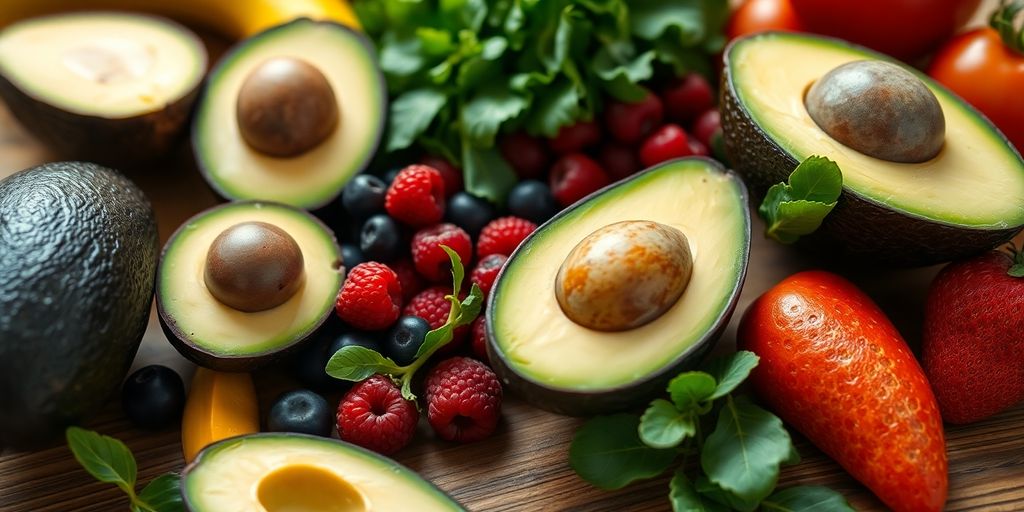
Foods to Avoid for Acne-Prone Skin
When it comes to managing acne-prone skin, what you eat can make a big difference. Foods with a high glycemic index (GI) are often linked to increased acne outbreaks. These foods cause your blood sugar levels to spike, leading to more oil production in the skin. Here’s a list of high GI foods to steer clear of:
- White bread
- Sugary soft drinks
- Cakes and pastries
- Candies
- Sugary breakfast cereals
Cutting back on dairy might also help. Some studies suggest a connection between dairy consumption and acne, although the evidence isn’t entirely clear yet. If you’re struggling with breakouts, it might be worth experimenting with reducing dairy in your diet.
Beneficial Nutrients for Skin Health
On the flip side, there are plenty of foods that can help your skin look its best. A diet rich in low GI foods can help keep your skin clear. Consider adding more of these to your meals:
- Fruits and vegetables
- Legumes
- Nuts
- Whole grains
These foods not only help control blood sugar levels but also provide essential nutrients that support skin health. Omega-3 fatty acids, found in fish like salmon, are known for their anti-inflammatory properties. Zinc, found in nuts and seeds, can also help reduce acne.
Hydration and Its Impact on Acne
Staying hydrated is often overlooked but is crucial for maintaining clear skin. Drinking enough water helps flush out toxins and keeps your skin hydrated from the inside out. Aim for at least eight glasses a day, and remember that fruits and veggies with high water content, like cucumbers and watermelon, can also contribute to your daily intake.
Keeping your skin clear isn’t just about what you put on it. What you eat and drink plays a significant role in your skin’s health. Making small changes in your diet can lead to big improvements in your skin over time.

Herbal and Natural Topical Treatments
Benefits of Tea Tree Oil
Tea tree oil is like that friend who always has your back. Known for its antimicrobial and anti-inflammatory properties, it can help clear up acne by fighting the bacteria that cause it. Diluting tea tree oil before applying it to the skin is crucial to prevent irritation. A few drops mixed with a carrier oil like coconut or jojoba can do wonders. Just dab it on the affected areas and let it work its magic.
Using Aloe Vera for Acne
Aloe vera is the soothing balm your skin needs. It’s packed with anti-inflammatory and healing properties that help reduce redness and swelling. You can apply pure aloe vera gel directly to your face, and it might even help fade those pesky acne scars over time. It’s gentle enough for daily use, making it a staple in any natural skincare routine.
Turmeric Masks for Inflammation
Turmeric isn’t just for curry. This golden spice is a powerhouse when it comes to reducing inflammation and brightening skin. Mixing turmeric powder with yogurt or honey creates a mask that can calm irritated skin and reduce the appearance of acne. Just remember, turmeric can stain, so be careful with your clothes and towels!
Essential Oils and Their Role in Acne Management
Jojoba Oil for Balancing Skin
Jojoba oil is a real game-changer for those with acne-prone skin. It’s a natural, waxy substance extracted from the seeds of the jojoba shrub. Some compounds in jojoba oil might help reduce skin inflammation, easing redness and swelling around pimples and other inflamed spots. In a study, participants using clay face masks containing jojoba oil reported a significant improvement in their acne after just six weeks.
Lavender Oil for Soothing Irritation
Lavender oil is well-known for its calming scent, but it also has some serious benefits for acne-prone skin. Its anti-inflammatory properties can help soothe irritated skin and reduce redness. Applying a diluted form of lavender oil to the skin can provide a gentle way to calm the skin and potentially reduce acne flare-ups.
Precautions When Using Essential Oils
When dealing with essential oils, caution is key. These oils are potent and should always be diluted before applying to the skin to prevent irritation or allergic reactions. Here are a few tips to keep in mind:
- Always perform a patch test before using a new essential oil.
- Use a carrier oil, like coconut or olive oil, to dilute essential oils.
- Avoid using essential oils near sensitive areas, such as the eyes and mouth.
Remember: Essential oils can be a great addition to your skincare routine, but they should be used wisely and sparingly. Always consult with a dermatologist if you’re unsure about incorporating them into your regimen.
Additionally, a 2022 study highlighted thyme’s ability to reduce bacterial growth, indicating its potential as a natural treatment for acne.
Lifestyle Adjustments to Support Skin Health
Stress Management Techniques
Managing stress is like giving your skin a little vacation. When life’s pressures build up, your body releases hormones that can trigger acne flare-ups. Here are some ways to keep stress in check:
- Practice mindfulness: Spend a few minutes each day just focusing on your breathing or try meditation.
- Get moving: Physical activities like yoga or a simple walk can help reduce stress levels.
- Connect with others: Chatting with friends or family can be a great way to release tension.
Finding what works for you is key. Not everyone will find peace in the same activities, so experiment and see what helps you unwind.
Importance of Regular Exercise
Regular exercise doesn’t just keep you fit, it also boosts your skin health. When you work out, your blood circulation improves, delivering more oxygen and nutrients to your skin. Plus, sweating helps clear out your pores, which can prevent breakouts.
- Aim for at least 30 minutes of exercise most days of the week.
- Mix it up: Try different activities like jogging, swimming, or even dancing.
- Remember to clean your skin after a workout to remove sweat and dirt.
Sleep and Skin Regeneration
Sleep is like hitting the reset button for your skin. During those restful hours, your body works hard to repair and regenerate skin cells. A good night’s sleep can make a world of difference for your complexion.
- Aim for 7-9 hours of sleep each night.
- Establish a bedtime routine: Try going to bed and waking up at the same time every day.
- Keep your sleep environment comfortable: A dark, quiet, and cool room can help you sleep better.
Incorporating these lifestyle changes can really make a difference in your skin’s health. Remember, everyone’s skin is unique, so what works for one person might not work for another. If you’re struggling with your skin, it might be worth checking out some tailored skincare approaches that suit your specific needs.

DIY Remedies: What Works and What to Avoid
Safe Ingredients for Homemade Masks
Creating your own face masks can be a fun and cost-effective way to care for your skin. Oatmeal, honey, and yogurt are some of the safest options. These ingredients are gentle, moisturizing, and can help soothe inflammation without causing irritation. Oatmeal is known for its anti-inflammatory properties, honey has antibacterial effects, and yogurt contains lactic acid which can gently exfoliate the skin.
- Oatmeal: Soothes irritated skin and reduces redness.
- Honey: Acts as a natural antibacterial agent.
- Yogurt: Provides gentle exfoliation and hydration.
Risks of Common DIY Treatments
While some DIY treatments can be beneficial, others can do more harm than good. Ingredients like lemon juice, vinegar, and baking soda are often touted for their skin benefits but can actually cause significant irritation. Lemon juice and vinegar are highly acidic and can lead to burns or discoloration. Baking soda, on the other hand, is too alkaline and can disrupt your skin’s natural pH balance, leading to dryness and irritation.
- Avoid using lemon juice due to its high acidity.
- Vinegar can cause burns and should be used with caution.
- Baking soda can disrupt the skin’s pH and should be avoided.
Spot Testing New Remedies
Before trying any new DIY remedy, it’s crucial to perform a spot test. Apply a small amount of the product to a discreet area of your skin and wait 24 hours to see if any adverse reactions occur. This simple step can prevent potential allergic reactions or irritation.
- Apply a small amount to your inner arm.
- Wait for 24 hours.
- Check for any signs of redness, itching, or irritation.
When experimenting with DIY remedies, remember that less is more. Start with minimal ingredients and gradually introduce new ones to see how your skin responds. This cautious approach can help you find what truly works for your skin without causing harm.

When to Seek Professional Help
Signs You Need a Dermatologist
Sometimes, the best course of action for acne-prone mixed skin is to consult with a dermatologist. If you’ve tried numerous remedies and nothing seems to work, it might be time to seek professional advice. Here are some signs that indicate you should make an appointment:
- Acne that is painful and deeply embedded under the skin
- Persistent breakouts that clear up and return
- Acne appearing in unusual places like your thighs or upper arms
- Breakouts that have been ongoing for years
- Acne that affects your confidence, self-esteem, and social life
- Dark spots or scars left by acne
- Suspected links between acne and a new medication
A dermatologist can help tailor a treatment plan specific to your skin type and condition.
Understanding Prescription Options
When over-the-counter solutions fail, prescription treatments may offer relief. Options include:
- Topical Treatments: These might contain stronger concentrations of active ingredients such as tretinoin or clindamycin.
- Oral Medications: Antibiotics or isotretinoin can be prescribed for more severe cases.
- Hormonal Treatments: Sometimes, hormonal imbalances contribute to acne, and medications can help regulate these.
Discussing these options with a dermatologist ensures that you choose the most suitable treatment for your skin.
Combining Natural and Medical Treatments
For many, a combination of natural and medical treatments offers the best results. Balancing both approaches can be effective, but it’s crucial to consult with a professional first. Some natural remedies might interact with medical treatments, so professional guidance is vital.
“Finding the right balance between natural remedies and medical treatments can make a significant difference in managing acne-prone mixed skin.”
Remember that while natural remedies like aloe vera or tea tree oil can be beneficial, they might not be enough for severe cases. A dermatologist can help integrate these into a broader treatment plan.

Conclusion
So, there you have it. Natural remedies for acne-prone mixed skin can be a game-changer, but remember, they’re not a one-size-fits-all solution. Everyone’s skin is different, and what works wonders for one person might not do much for another. It’s all about trial and error. Start slow, maybe try a spot test first to see how your skin reacts. And hey, if things don’t improve or get worse, don’t hesitate to reach out to a dermatologist. They can offer guidance tailored just for you. At the end of the day, taking care of your skin is a journey, and it’s okay to seek help along the way. Keep experimenting, stay patient, and you’ll find what works best for you.
Frequently Asked Questions
What is acne-prone mixed skin?
Acne-prone mixed skin is when some parts of your face are oily, while others are dry or normal. This can make it tricky to find products that work for your whole face.
Can what I eat make my acne worse?
Yes, some foods can make acne worse. Sugary snacks, greasy foods, and dairy might trigger breakouts for some people. Eating more fruits, veggies, and drinking lots of water can help.
Are natural remedies really effective for acne?
Natural remedies like tea tree oil or aloe vera can help some people with mild acne. But they might not work for everyone, and serious acne should be checked by a doctor.
How do I know if I should see a dermatologist?
If your acne is painful, leaving scars, or not getting better with home treatments, it’s a good idea to see a dermatologist. They can offer treatments that might work better for you.
Is it safe to use essential oils on my face?
Essential oils can be helpful, but they should be used carefully. Always mix them with a carrier oil and do a spot test first to make sure they don’t irritate your skin.
What is a spot test and why is it important?
A spot test is when you try a small amount of a product on a tiny area of your skin to see if it causes any bad reactions. It’s important to do this to avoid irritating your whole face.




Your article helped me a lot, is there any more related content? Thanks!
Your article helped me a lot, is there any more related content? Thanks!
https://t.me/Top_BestCasino/158
Thank you for your sharing. I am worried that I lack creative ideas. It is your article that makes me full of hope. Thank you. But, I have a question, can you help me? https://www.binance.info/register?ref=IXBIAFVY