
Taking care of mixed-race skin can be a bit of a puzzle. It’s all about understanding the unique needs and finding what works best for you. With the right routine and products, you can keep your skin healthy and glowing. This guide will walk you through everything you need to know about mixed-race skincare, from choosing the right products to consulting with professionals.

Key Takeaways
- Understand the unique needs of mixed-race skin to tailor your skincare routine effectively.
- Choose skincare products carefully, focusing on ingredients that suit your skin type.
- Establish a daily skincare routine that includes morning and evening steps, along with weekly treatments.
- Address common skin issues like hyperpigmentation and acne with targeted solutions.
- Consult with skincare professionals to get personalized advice and treatment options.
Understanding Mixed-Race Skincare Needs
Unique Skin Characteristics
Mixed-race individuals often have a blend of skin traits inherited from their diverse backgrounds. This can mean a combination of oily and dry areas, varied pore sizes, and different levels of melanin. Understanding these characteristics is key to effective skincare. Some people might find they have a naturally glowing complexion, while others may experience more sensitivity or dryness.
Common Skin Concerns
With mixed-race skin, common concerns include hyperpigmentation, sensitivity, and dryness. Because of the unique blend of skin types, some individuals may experience oily patches alongside dry areas, making it tricky to find the right balance. Hyperpigmentation can occur more frequently due to the higher melanin content, which can react to sun exposure or acne.
Importance of Tailored Skincare
Tailored skincare is crucial for addressing the specific needs of mixed-race skin. A one-size-fits-all approach doesn’t work here. It’s essential to choose products that cater to the unique combination of skin types, focusing on hydration, sun protection, and gentle exfoliation. This personalized approach helps maintain healthy, radiant skin while addressing any specific concerns like uneven tone or sensitivity.
Taking the time to understand and cater to your skin’s unique needs can lead to healthier, more resilient skin. It’s not just about the products you use, but also about understanding how your skin reacts and adapts to different conditions.
Choosing the Right Skincare Products
Ingredients to Look For
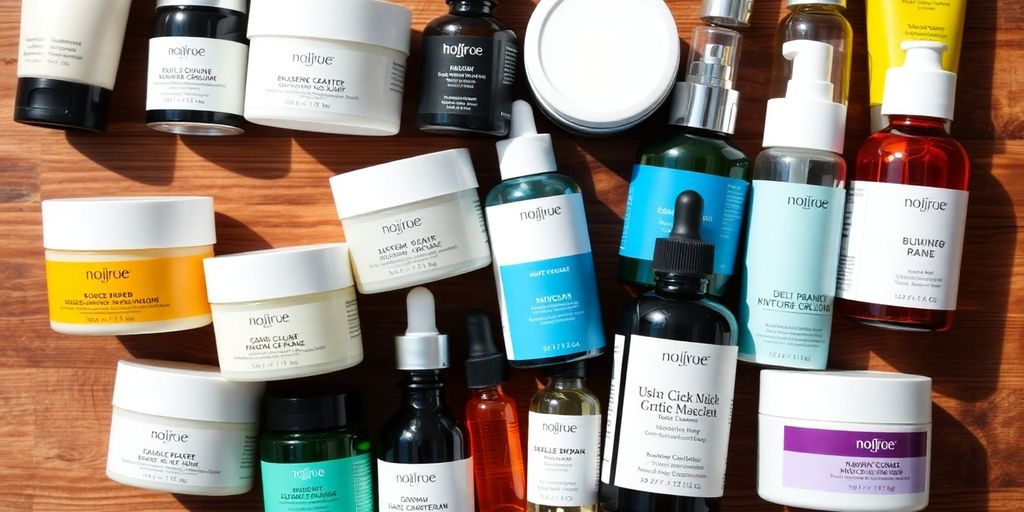
When you’re picking out skincare products, especially for mixed-race skin, it’s important to focus on ingredients that cater to a variety of skin needs. Ingredients like hyaluronic acid are great for hydration without causing greasiness. Salicylic acid can help with oil control and keep pores clear, while lactic acid gently exfoliates and removes dead skin cells. Antioxidants, such as vitamin C, are crucial for protecting your skin from environmental damage. Just remember, if you’re using vitamin C, pair it with sunscreen or apply it at night to prevent UV damage.
Products to Avoid
Not all skincare products are created equal, and some can do more harm than good. Avoid products with harsh alcohols and fragrances, as they can irritate and dry out your skin. Heavy oils might clog pores, especially in oily areas, so steer clear of those unless they’re non-comedogenic. Be cautious with exfoliants; while they’re great for removing dead skin cells, over-exfoliating can lead to sensitivity and irritation.
Natural vs. Synthetic Options
The debate between natural and synthetic skincare products is ongoing. Natural products often boast fewer chemicals and are considered gentler on the skin. However, synthetic products can be more stable and have a longer shelf life. It’s all about finding what works best for your skin type. Some people find that a mix of both natural and synthetic products provides the best results. It’s essential to test and observe how your skin reacts to different formulations.

Daily Skincare Routine for Mixed-Race Skin
Morning Routine Essentials
Starting your day with a solid skincare routine sets the tone for healthy skin. Begin with a gentle cleanser to wash away any oils or impurities that have built up overnight. Follow this with an alcohol-free toner to balance your skin’s pH levels. A good toner can also help remove any leftover residue from your cleanser. Next, apply a hydrating serum containing hyaluronic acid. This ingredient is great for locking in moisture without adding greasiness. Finish off with a moisturizer—one that’s creamy for dry areas and lightweight for oily spots. Don’t forget sunscreen! Choose a broad-spectrum SPF 30 or higher to protect against UV rays.
Evening Routine Steps
In the evening, it’s time to unwind and let your skin breathe. Start by removing any makeup with a gentle remover. Micellar water is a great choice here. After that, cleanse your face to remove the day’s grime. Once a week, use an exfoliant to slough off dead skin cells. This keeps your pores clear and helps with dry patches. You might also want to try multi-masking once a week, applying different masks to different areas of your face depending on their needs. Finally, apply a nourishing moisturizer or treatment serum. Evenings are perfect for richer products that can work overnight to repair and hydrate your skin.
Weekly Treatments and Masks
Incorporating weekly treatments can make a big difference for mixed-race skin. Exfoliate once a week to help clear away dead skin cells and reduce pore congestion. Consider using a clay mask for oily areas and a hydrating mask for dry patches. Multi-masking allows you to target specific concerns on different parts of your face. Remember, consistency is key, and these treatments can enhance your daily routine.
Taking the time to understand your skin’s unique needs can transform your skincare routine from a chore into a moment of self-care. Listen to your skin, and adjust your routine as needed for the best results.
Addressing Common Skin Issues

Managing Hyperpigmentation
Dealing with hyperpigmentation can be a real struggle for mixed-race individuals. It’s those dark spots that seem to linger forever after a breakout or sun exposure. Vitamin C serums and niacinamide are your friends here. These ingredients help lighten dark spots over time. Also, don’t skip the sunscreen. Sun protection is crucial to prevent those spots from getting darker.
Dealing with Acne
Acne doesn’t discriminate, and it can be particularly stubborn on mixed skin. The key is to find a balance between treating acne and not drying out your skin. Look for products with salicylic acid or benzoyl peroxide, but use them sparingly. Overdoing it can lead to dryness or irritation. Oh, and don’t forget to moisturize. A lightweight, non-comedogenic moisturizer is essential to keep your skin hydrated without clogging pores. If you’re battling acne and dark spots, consider consulting a dermatologist who can tailor a skincare routine specifically for mixed skin.
Preventing Dryness and Ashiness
Dryness and ashiness can sneak up on you, especially during colder months. To combat this, incorporate a hydrating serum with hyaluronic acid into your routine. It’s like giving your skin a big drink of water. Also, switch to a cream-based cleanser and a richer moisturizer during the winter. Regular exfoliation can help too, but don’t overdo it—once or twice a week is plenty. And remember, even if your skin feels dry, it still needs sun protection. A moisturizing sunscreen can do double duty here.
The Role of Diet in Skincare
Foods That Benefit the Skin
Eating the right foods can make a big difference in how your skin looks and feels. Fruits and vegetables are packed with vitamins and antioxidants that help protect your skin from damage. Oranges, strawberries, and bell peppers are rich in vitamin C, which is great for skin health. Nuts and seeds, like almonds and flaxseeds, offer healthy fats that keep your skin moisturized. Don’t forget about fish like salmon, which is full of omega-3 fatty acids that reduce inflammation and keep your skin glowing.
Dietary Habits to Avoid
Just as there are foods that help your skin, there are also those you might want to avoid. Sugary snacks and drinks can lead to breakouts and dull skin. Processed foods often contain unhealthy fats and preservatives that might cause inflammation. Too much dairy can also be a problem for some people, leading to acne or other skin issues. Keeping these foods in check can help you maintain clear and healthy skin.
Supplements for Skin Health
While a balanced diet is key, sometimes your skin needs a little extra help. Supplements can fill in the gaps. Vitamin E and C supplements are popular for their antioxidant properties, helping to fight off skin damage. Biotin is another supplement often used to support skin health, promoting a smooth and clear complexion. However, it’s important to consult with a healthcare provider before starting any new supplement regimen.
Combining diet and exercise is the most effective holistic approach to enhancing skin health. Eating well, alongside regular physical activity, helps maintain not just your skin but your overall well-being. For more on this, read about Combining diet and exercise.

Sun Protection for Mixed-Race Skin
Choosing the Right Sunscreen
Finding the right sunscreen can be tricky, especially if you have mixed-race skin. You want something that offers good protection without leaving a white cast. Look for sunscreens that contain zinc oxide or titanium dioxide, as they provide broad-spectrum protection. Mineral-based sunscreens are often a great choice because they sit on top of the skin and reflect UV rays. Some folks swear by products like Cocokind’s Daily SPF, which uses zinc oxide and is known for being lightweight and non-greasy.
Daily Sun Protection Tips
Applying sunscreen should be a part of your daily routine, rain or shine. Here’s a simple checklist to make sure you’re covered:
- Apply sunscreen every morning after your moisturizer.
- Use a generous amount – about a nickel-sized dollop for your face.
- Don’t forget areas like your ears, neck, and the back of your hands.
- Reapply every two hours if you’re outside, and after swimming or sweating.
Understanding UV Impact
You might think that having more melanin gives you a free pass when it comes to sun protection, but that’s not the case. While melanin offers some protection against UV rays, it’s not enough. Mixed-race individuals can still experience sunburn and, more importantly, UV exposure can lead to skin damage and increase the risk of skin cancer. It’s crucial to use sunscreen, no matter your skin tone. In fact, melanin provides a natural SPF of around 13, which is higher than the SPF of 1-2 found in lighter skin tones. However, this level of protection is insufficient, highlighting the importance of using sunscreen regardless of skin tone.
Consulting with Skincare Professionals

When to See a Dermatologist
Knowing when to consult a dermatologist can make a big difference in your skincare journey. If you’re dealing with persistent issues like acne, hyperpigmentation, or unexplained rashes, it’s time to reach out to a professional. Dermatologists are equipped with the knowledge and tools necessary to address complex skin concerns. They can provide treatments that are not only effective but also tailored to your skin’s unique needs. For those managing combination skin, professional treatments from dermatologists can offer effective solutions.
Questions to Ask Your Skincare Expert
When visiting a dermatologist, it’s helpful to come prepared with questions. Here’s a list of things you might want to ask:
- What is my skin type, and how should I care for it?
- Are there specific products or ingredients I should avoid?
- What treatments do you recommend for my specific skin concerns?
- How often should I schedule follow-up visits?
- Are there lifestyle changes that could improve my skin health?
Tailoring Treatments to Your Skin Type
Every skin type requires different care, and dermatologists understand this well. They can customize treatments and recommend products that align with your skin’s needs. Whether it’s choosing the right moisturizer or deciding on a suitable sunscreen, their advice can be invaluable. Remember, skincare is not one-size-fits-all, and professional guidance can ensure you’re on the right path.
Conclusion
Taking care of mixed skin can seem like a bit of a puzzle, but once you get the hang of it, it’s pretty straightforward. The key is to pay attention to what your skin needs and not be afraid to try different products until you find what works best for you. Remember, everyone’s skin is unique, so what works for one person might not work for another. Keep it simple, stay consistent, and don’t forget to hydrate and protect your skin from the sun. With a little patience and care, you can keep your skin looking and feeling its best.
Frequently Asked Questions
What kind of skincare products are best for mixed-race skin?
Look for gentle and moisturizing products that cater to both oily and dry areas. Natural ingredients like shea butter and coconut oil can be beneficial.
How often should I wash my face if I have mixed-race skin?
It’s best to wash your face twice a day, once in the morning and once before bed, to keep your skin clean and healthy.
Can mixed-race skin get sunburned?
Yes, mixed-race skin can get sunburned. It’s important to use sunscreen with at least SPF 30 every day, even if it’s cloudy.
What should I do if I have acne on my mixed-race skin?
Use products with salicylic acid or benzoyl peroxide to help clear acne. If it persists, consider seeing a dermatologist for personalized advice.
Are there any foods that help improve skin health?
Yes, eating fruits and vegetables, drinking plenty of water, and avoiding sugary snacks can help keep your skin looking its best.
Is it necessary to use different moisturizers for different parts of my face?
For combination skin, you might need a lightweight moisturizer for oily areas and a richer one for dry patches to keep your skin balanced.






Thanks for sharing. I read many of your blog posts, cool, your blog is very good.
I don’t think the title of your article matches the content lol. Just kidding, mainly because I had some doubts after reading the article.
Thanks for sharing. I read many of your blog posts, cool, your blog is very good.
Can you be more specific about the content of your article? After reading it, I still have some doubts. Hope you can help me.
Can you be more specific about the content of your article? After reading it, I still have some doubts. Hope you can help me.
Thanks for sharing. I read many of your blog posts, cool, your blog is very good. https://www.binance.com/si-LK/register?ref=LBF8F65G
Thank you for your sharing. I am worried that I lack creative ideas. It is your article that makes me full of hope. Thank you. But, I have a question, can you help me? https://www.binance.info/de-CH/register?ref=W0BCQMF1
I enjoy what you guys tend to be up too. This sort of clever work and reporting! Keep up the terrific works guys I’ve included you guys to my own blogroll.