Key Takeaways
A few small changes can make shaving more comfortable and lower the chance of ingrown hairs. Aim for a routine that respects your hair’s growth pattern and your skin’s response.
- Curved beard hairs can grow back into the skin, especially after a very close shave.
- Soften and gently cleanse your skin before grooming; exfoliate lightly rather than scrubbing.
- Shave with the grain, use little pressure, and avoid repeated passes.
- Consider trimming with a guard instead of shaving down to the skin.
- Leave painful or persistent bumps alone and seek medical advice when they worsen or scar.
Why curly beard hair is prone to ingrowns
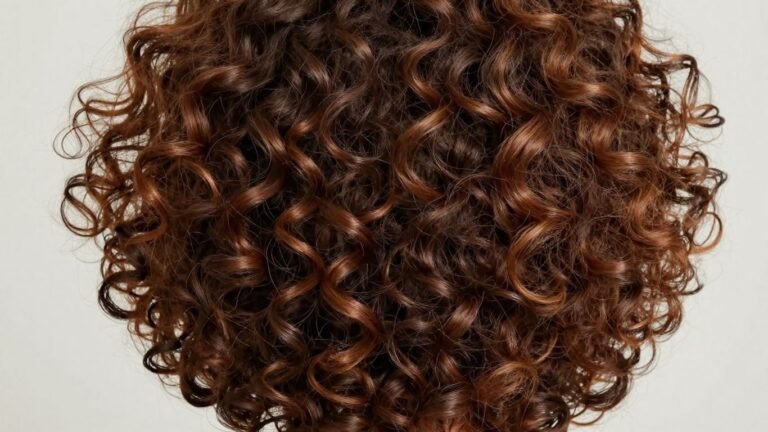
Ingrown hairs happen when a hair grows back into the skin or becomes trapped beneath its surface. Curly facial hair can bend toward the skin as it grows, and a close shave may leave a short, sharp tip that is more likely to do so. The result can be an itchy or tender bump, though not every bump after shaving is an ingrown hair.
How curved hair can grow back into the skin
A curved hair may emerge from its follicle and then turn back toward the skin, or it may curve beneath the surface before it gets out. The skin can react to the hair as an irritant, making the area look raised or red. Hair texture varies from person to person, so curly beard hair does not mean ingrowns are inevitable.
The role of close shaving and sharp hair tips
When a razor cuts hair very close to the skin, the remaining end can retract below the surface or curl toward it as it grows. A sharp, freshly cut tip may then press into nearby skin. If close shaving seems to bring on bumps, changing the closeness of the shave is a practical first adjustment; beard ingrown-hair guidance offers more background on how curl and buildup can contribute.
How friction, clogged pores, and irritation contribute
Dead skin and product residue can collect around follicles, while collars, straps, and frequent touching add friction. Neither factor guarantees an ingrown hair, but irritation can make bumps more uncomfortable and harder to distinguish. Keep the routine gentle: less friction and pressure is often a better starting point than adding several harsh treatments at once.
How to tell ingrown hairs from other bumps
An ingrown hair may look like a small red or skin-colored bump, sometimes with a visible curved hair beneath the surface. Acne, folliculitis, and other skin conditions can look similar, so appearance alone cannot confirm the cause. If bumps are widespread, repeatedly return, or leave marks, a clinician can help identify what is going on; the guide to acne-scar treatment in Melbourne concerns a different issue, but underscores why persistent skin changes deserve tailored advice.
Build a skin-prep routine before shaving
Good preparation softens the hair and clears away surface oil without stripping or scraping the skin. A short, consistent routine is usually easier to maintain than a shelf full of products. Mixed Nature’s grooming advice is built around practical routines, and the same principle applies here: make small adjustments that suit your own skin.

Soften beard hair with warm water
Wash or shower with comfortably warm water before shaving, or hold a warm damp cloth against the beard for a few minutes. The moisture can soften coarse-feeling hair and make it easier to cut without pressing hard. Very hot water is not necessary; if your skin feels tight or flushed, let the temperature come down.
Cleanse gently to remove oil and buildup
Use a mild facial cleanser to remove sweat, oil, and leftover styling products, then rinse well. Scrubbing with a rough cloth can add irritation without making the shave closer. If you also care for curls on your scalp, curly-hair clarifying advice can help you think about buildup in that separate part of your routine.
Exfoliate without irritating sensitive skin
Gentle exfoliation may help loosen dead skin that gathers around follicles, but more is not always better. Start infrequently, follow the product directions, and stop if you notice burning, persistent redness, or peeling. Mixed Nature’s shaving and grooming tips also favor a considered routine over treating every concern with aggressive scrubbing.
A simple sequence can keep prep manageable, especially when your skin is easily irritated:
- Wet the beard with warm water.
- Cleanse with a mild face wash.
- Exfoliate gently only if your skin tolerates it.
- Apply shaving product and give it time to soften the hair.
Afterward, notice whether your skin feels comfortable or irritated and adjust the frequency accordingly. If a product stings or leaves your skin tight, discontinue it rather than pushing through.
Choose products that suit your skin
Choose a shaving product that gives the razor enough glide and does not leave your face feeling uncomfortable. If fragrance or a particular ingredient tends to irritate you, look for a simpler formula and test new products cautiously. The right choice depends on your skin and preference, not on a claim that one formula works for everyone.
Shave in ways that reduce irritation
A close shave is not the only neat-looking option, and shaving technique can matter as much as the razor. Take your time, use a light touch, and stop if the skin begins to feel sore. Mixed Nature publishes practical advice for varied grooming routines, without assuming every beard grows in the same direction.
Map the direction your beard grows
Facial hair can grow in different directions across the cheeks, chin, and neck. Before shaving, look closely at the stubble and feel which way it lies; follow each area rather than assuming the whole beard grows downward. A simple map can help translate that observation into a gentler approach:
| Area or growth pattern | What to notice | A cautious approach |
|---|---|---|
| Cheeks | Hair often lies in a visible direction | Shave with the grain |
| Under the jaw | Growth may change direction | Check by touch before shaving |
| Neck | Swirls or mixed directions may appear | Use short strokes that follow each patch |
Use the table as a starting point, not a rule for every face. If a particular direction repeatedly leaves bumps, try trimming instead of shaving that patch close.
Use light pressure and short strokes
Let the razor do the cutting rather than pressing it into the skin. Short strokes give you more control around the jaw and neck, where growth can shift direction. Rinse the blade when needed so it does not drag, and keep the skin relaxed rather than stretching it taut for an extra-close result.
Avoid repeated passes over the same area
Going over one spot several times can increase friction and remove more hair than you intended. If a patch is not smooth after one careful pass, add shaving product before considering another, and avoid chasing a perfectly bare finish where bumps tend to appear. A little remaining stubble may be a kinder trade-off for skin that gets irritated easily.
Know when a single-blade razor may help
Some people find a single-blade razor easier to control because it can reduce the temptation to make repeated close passes. It is not a guaranteed fix, and a poor angle or too much pressure can still irritate skin. If you try one, use a comfortable grip, shave with the grain, and stop if the skin becomes sore; razor-bump prevention advice discusses preparation and shaving direction in more detail.
Choose a beard length and tools that work for you
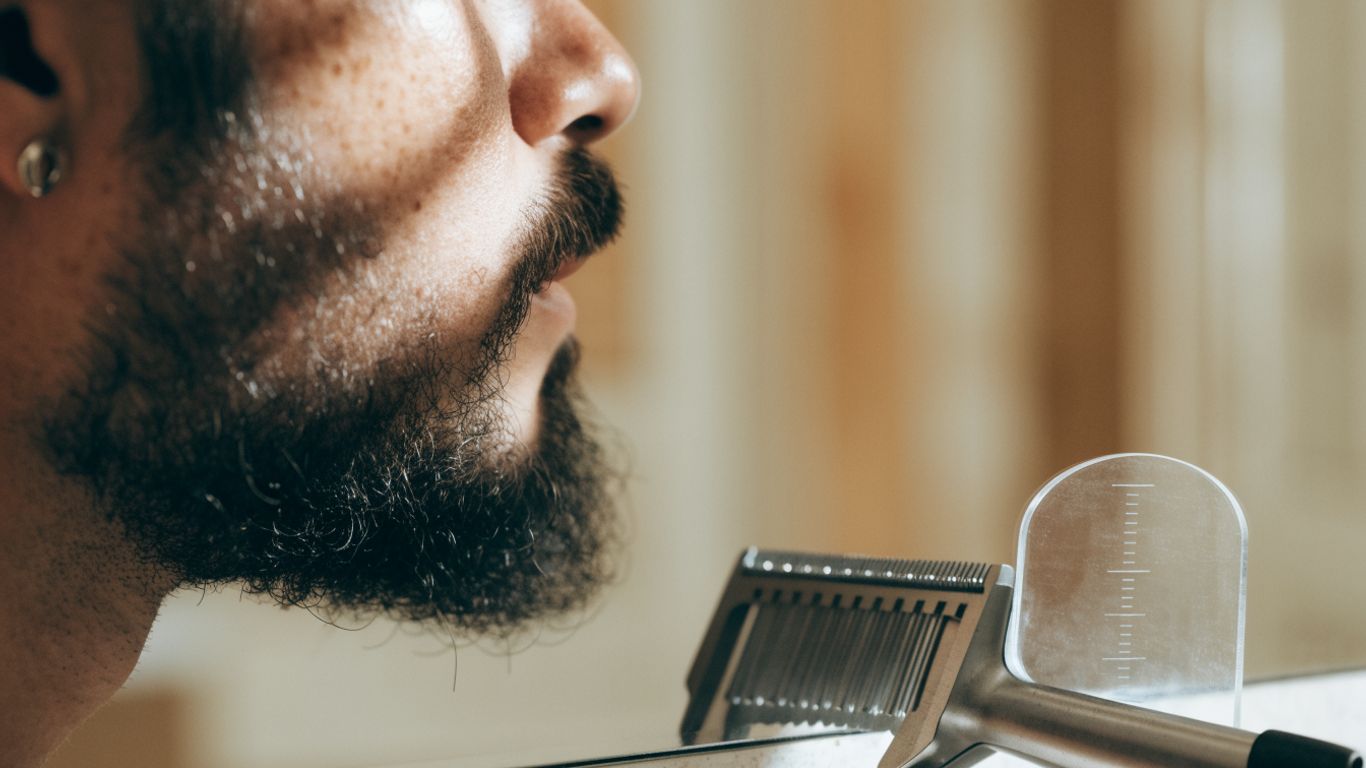
If very close shaving repeatedly brings on bumps, keeping a little length may help reduce how often cut hairs curl back toward the skin. Clippers and guards offer one way to maintain a tidy shape without taking every hair down to skin level. Choose tools you can handle comfortably and keep their contact surfaces clean.
Consider trimming instead of shaving close
A trimmed beard can look intentional without a completely smooth finish. You might keep more length on areas where bumps recur and shape the edges more closely only where your skin tolerates it. Mixed Nature’s grooming coverage includes options for polishing a look while avoiding a one-size-fits-all standard of smoothness.
Set clippers to leave a little hair above the skin
Start with a guard that leaves visible stubble, then adjust only if your skin stays comfortable. A guard can help prevent the cutting surface from shaving hair right at the skin, though results depend on the clipper and your technique. For tool-care context outside grooming, the curly maple cutting-board guide discusses construction and stability; beard tools, of course, need their own cleaning and maintenance.
Keep blades clean and in good condition
Follow the clipper or razor maker’s care instructions, remove trapped hair, and allow tools to dry fully before storing them. Replace or service blades when they pull, snag, or no longer cut cleanly. Avoid sharing razors, since shared grooming tools can pass along germs.
Adjust your routine for dense or tightly curled growth
Work in small sections and check how the hair lies rather than rushing through the whole beard in one direction. If you are unsure whether shaving, trimming, or a particular bump-care approach is suitable for your skin, a clinician can help you sort out persistent symptoms. Mixed Nature’s wider library includes topics beyond grooming, such as India payroll setup and AI CCTV event detection; they are separate subjects, but a reminder that practical advice depends on the specific task at hand.
Care for your skin after grooming
After shaving or trimming, keep aftercare simple and give your skin time to settle. Rinsing away residue and applying a moisturizer can reduce the dry, tight feeling some people get after grooming. If irritation tends to show up later in the day, pay attention to friction and pause before shaving again.
Rinse away residue and pat skin dry
Rinse your face with lukewarm or cool water to remove shaving product and loose hairs. Pat with a clean towel rather than rubbing, particularly around areas that already feel tender. A clean towel and a gentle touch are useful small habits, not a cure for bumps.
Apply a gentle, fragrance-free moisturizer
A fragrance-free moisturizer can help support comfort after washing or shaving, especially if your skin feels dry. Use a modest amount and stop if it stings or causes a rash. There is no need to apply several active ingredients at once to freshly shaved skin.
Reduce friction from collars and face coverings
A tight collar or face covering can rub the same area repeatedly, especially along the neck and jaw. When practical, choose a comfortable fit and keep fabric clean. If a particular item seems to trigger irritation, notice whether a break or a looser fit makes the area feel calmer.
Pause shaving when your skin feels irritated
Redness, stinging, or tenderness are good reasons to give the area a break. Let the skin settle and use a trimmer that leaves stubble if you need to tidy the beard. Shaving over inflamed skin can prolong discomfort, so do not treat a missed day as a grooming failure.
Handle ingrown hairs safely and prevent recurrence
Many mild bumps settle when the skin is left alone and shaving is paused or made less close. Avoid trying to force a trapped hair out, since picking can injure the skin and increase the chance of infection or marks. If symptoms are severe or keep returning, seek individualized medical advice rather than relying on home care alone.
Leave trapped hairs alone instead of digging them out
Do not squeeze, scratch, or dig into a bump with a needle or tweezers. Breaking the skin can make the area more irritated and may introduce infection. Keep it clean, avoid close shaving over it, and allow time for the hair to grow out.
Use warm compresses for mild, localized irritation
A clean, warm, damp cloth held gently against a small irritated area may soothe discomfort. It should feel comfortably warm, not hot, and you should not press or rub the bump. Stop if the skin worsens, and seek advice if the area is painful or does not improve; general ingrown-hair care guidance also covers home care and warning signs.
Recognize signs that need medical attention
Get medical advice if a bump becomes increasingly painful, swollen, warm, or filled with pus, or if redness spreads. Fever or feeling unwell alongside a skin problem also warrants prompt medical attention. These signs do not establish a diagnosis, but they are reasons not to keep treating the area as a routine shaving bump.
Ask a clinician about persistent or scarring bumps
If bumps keep coming back, leave dark marks or scars, or do not settle after changing your routine, a primary-care clinician or dermatologist can assess them. Bring up the shaving methods and products you use, and mention what makes symptoms better or worse. For readers browsing other practical resources, a guide to avoiding a home foreclosure addresses a separate concern entirely; skin changes, too, benefit from advice suited to the actual problem.
Conclusion
To prevent ingrown hairs on curly beard hair, start with a gentle prep routine, shave with the direction of growth, and avoid pursuing the closest possible finish if it leaves your skin irritated. Trimming to a little length can be a useful alternative, while persistent, painful, or scarring bumps deserve a clinician’s attention. Treat the routine as something to adjust to your own hair and skin, not a test you have to pass.
Frequently Asked Questions
Why does curly beard hair get ingrown more easily?
A curved hair can turn back toward the skin as it grows, and a very close shave can leave a short tip that contributes to irritation. Curly hair does not guarantee ingrowns, but shaving technique and skin response can affect the likelihood.
Should I shave with or against the grain?
Shaving with the direction of growth is a sensible starting point if you are prone to bumps. Hair direction can vary across the face, so check each area rather than treating the beard as one uniform patch.
Does exfoliating prevent beard ingrowns?
Gentle exfoliation may help remove surface buildup, but it cannot guarantee that ingrowns will not happen. Scrubbing too hard or exfoliating too often can irritate skin, so use a mild approach and stop if your skin reacts.
Is trimming better than shaving for ingrown hairs?
For some people, trimming is more comfortable because it leaves hair above the skin instead of cutting it very close. A guard can help maintain a consistent length, but the best choice depends on your skin and grooming preference.
Can I pull an ingrown beard hair out with tweezers?
It is safer not to dig into or squeeze a bump to remove a trapped hair. Picking can injure the skin and raise the risk of infection or marks; ask a clinician for advice if the area is persistent or painful.
When should I see a doctor about an ingrown hair?
Seek medical advice if the area becomes increasingly painful, swollen, warm, or pus-filled, if redness spreads, or if you feel unwell. A clinician can also assess bumps that keep returning or leave scars.
How long should I wait before shaving an irritated area again?
Wait until the irritation has settled rather than shaving over sore or inflamed skin. If symptoms persist or worsen, seek medical advice before resuming your usual routine.