Key Takeaways
Navigating the world of skincare when you have reactive skin requires a balanced approach that prioritizes ingredient safety and simplicity. These guidelines help you manage sensitivities while exploring better alternatives:
- Define clean beauty by focusing on standardized ingredient safety rather than vague marketing labels.
- Identify common irritants like synthetic fragrances or harsh preservatives that trigger inflammation.
- Prioritize barrier-repairing ingredients like ceramides and colloidal oatmeal for long-term soothing.
- Start a new routine slowly to allow your skin to adjust to fresh formulations without shock.
- Use patch testing as a mandatory step to verify compatibility before full-face application.
Understanding clean beauty standards for sensitive skin
Defining what clean means in the beauty industry
Clean beauty is often treated as a broad term, but it centers on the idea of ingredient transparency and avoiding substances linked to potential health risks. Unlike natural labels, which focus on botanical sourcing, clean standards assess both synthetic and natural components for their impact on your complexion. Making a commitment to clean beauty often involves looking critically at your current routine, similar to how The Numbers Were Right. The Decision Was Wrong. challenges us to prioritize people and principles over simplistic output metrics. Viewing your skincare products through this lens helps you move away from products that rely on harsh additives, fostering a healthier long-term approach to your beauty routine.
Why sensitive skin requires extra ingredient scrutiny
Responsive skin thrives on stability, meaning every new addition should be scrutinized for its potential to disturb your delicate ecological balance. When your barrier is compromised, it cannot defend against aggressive chemicals commonly found in mass-market formulations. You need to be mindful of how your skin interacts with various textures and concentrations, ensuring that each product serves a specific, non-irritating, and beneficial purpose.
Distinguishing between natural, organic, and clean labels
It is easy to get overwhelmed by labels, but recognizing the nuances between these terms is vital. Natural often implies an absence of synthetic processing, while organic refers specifically to how ingredients were farmed. Clean products are distinct because they evaluate the safety profile of every ingredient, whether it was harvested from the earth or synthesized in a controlled, safe lab setting.
The importance of third-party certifications
Reliability in the beauty space often boils down to verification by outside organizations that do not have a stake in the sale. Third-party testing ensures that a product meets rigorous standards for purity and label accuracy. Relying on reputable assessments of these brands provides you with peace of mind that a bottle actually contains what the manufacturer promises, keeping your skin safe from undisclosed chemical fillers.
Common irritants to avoid in clean beauty products
Identifying hidden fragrance and essential oil triggers
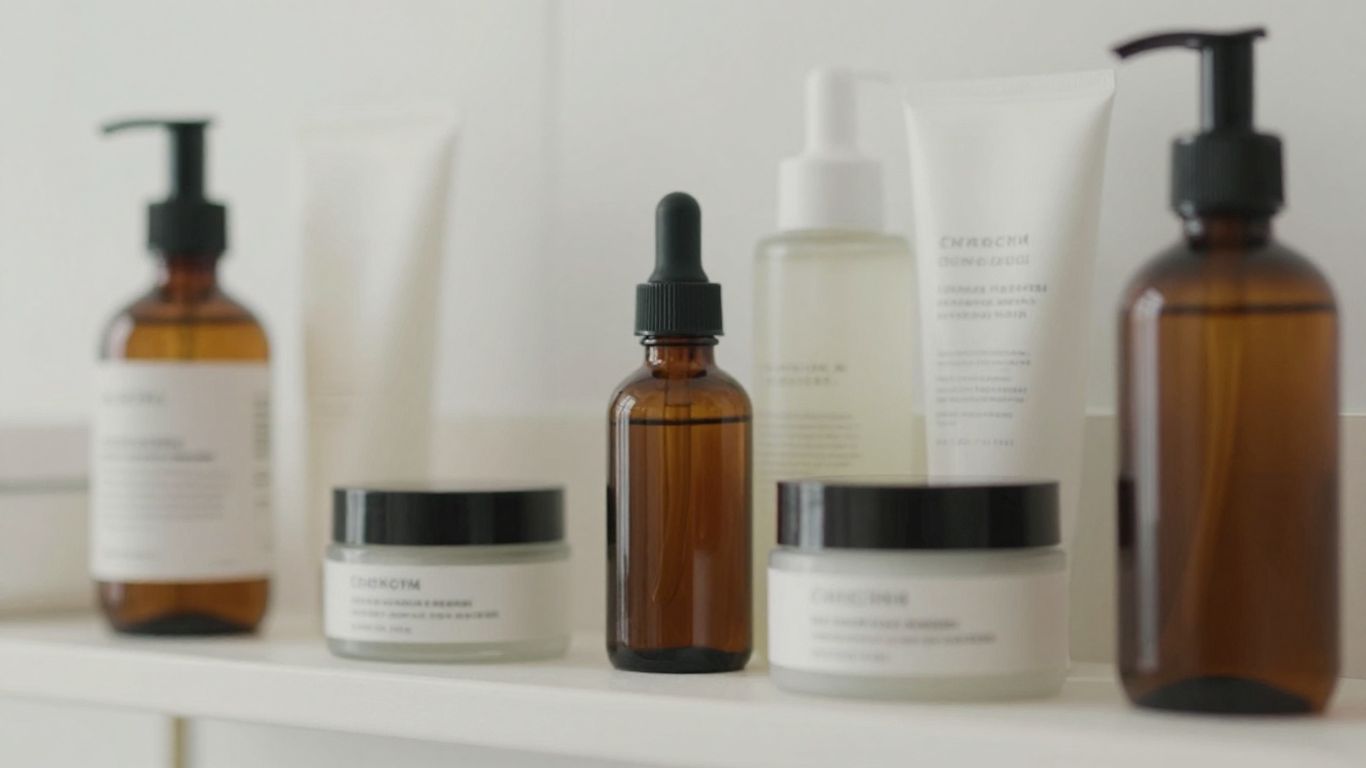
Fragrances are among the most frequent causes of contact dermatitis, yet they are hidden behind generic terms on ingredient lists. Many essential oils also contain volatile compounds that might cause a burning or redness response even if they are marketed as natural. It is essential to seek out clean skincare choices that skip these components, particularly if you have a history of reactivity.
Understanding the role of synthetic chemical preservatives
Preservatives are necessary to keep products stable, but some synthetic variants can be too harsh for sensitive barrier types. Choosing products that favor gentle or food-grade stabilizers allows for a longer shelf life without compromising your skin health. We suggest looking at the shelf-life guidelines for your products to ensure you are not using expired formulas that could harbor bacteria.
| Preservation Type | Impact on Sensitive Skin | Common Usage |
|---|---|---|
| Natural Ferments | Generally soothing | Toners and serums |
| Synthetic Parabens | Potential irritant | Creams and lotions |
| Alcohol Derivatives | Often drying | Cleansers and mists |
Selecting the right preservative ensures your products remain effective and fresh while keeping your skin calm and hydrated. Always opt for those that support your goal of minimizing synthetic stressors.
Why certain natural extracts might cause reactions
Not all botanical extracts are gentle, and some can be quite potent depending on the plant concentration. A high-potency extract that delivers rapid results for one person might cause an intense inflammatory response for another. It is important to treat exotic botanicals with the same level of caution as you would a synthetic compound.
Navigating alcohol-free formulations
Alcohol is frequently added to cosmetics to help ingredients penetrate better, but it can strip your skin of the essential oils it needs to stay supple. Searching for alcohol-free alternatives prevents the cycle of dryness and irritation that often follows conventional cleansing. By selecting products that prioritize moisture retention over rapid absorption, you provide your skin with the chance to recover from daily environmental stressors.
Essential ingredients that soothe and protect
The role of ceramides in skin barrier repair
The skin barrier acts as a protective wall against the outside world, and ceramides are the mortar that holds those bricks together. When you incorporate these lipids, you help lock in moisture while preventing deeper irritation. For those looking for effective options, The Honest Company offers products designed to support this barrier through soothing, naturally-derived ingredients.
Benefits of colloidal oatmeal for inflammation
Colloidal oatmeal has been used for centuries to calm itchy, red, or irritated skin effectively. It acts as a protective layer that keeps transepidermal water loss at an absolute minimum while minimizing discomfort throughout the day. It is an ideal addition for anyone managing flare-ups as part of a daily treatment plan.
Using aloe vera and squalane for hydration
These two ingredients offer lightweight, deep hydration without the weight of heavy, pore-clogging waxes. Squalane, in particular, mimics the natural oils produced by our skin, making it highly compatible and rarely recognized as a foreign substance. Utilizing ingredients like these helps maintain a balanced complexion that feels refreshed and thoroughly nourished.
Why panthenol is a staple in sensitive skincare
Also known as Vitamin B5, panthenol is a powerful skin-soothing agent that aids in the healing of minor damage caused by environmental factors. Its ability to attract water into the surface layers makes it an excellent humectant that rarely causes sensitivity. Incorporating panthenol-rich products provides a lasting buffer that makes your skin appear more resilient against cold air, heat, and pollutants.
How to build a clean routine for reactive skin
Selecting a gentle, non-stripping cleanser
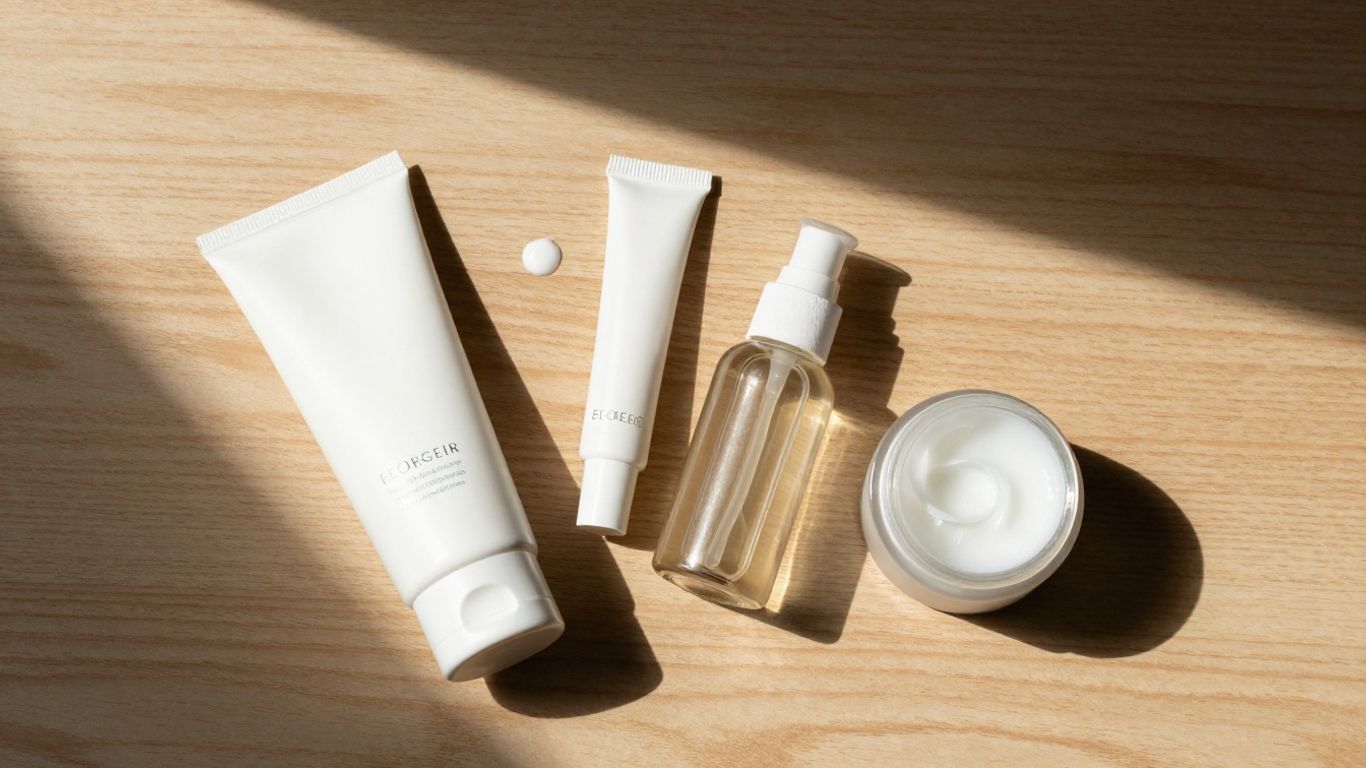
Begin your routine by choosing a cleanser that removes impurities while respecting your natural moisture levels. Avoid soaps and formulas that make your skin feel tight, as that tightness is often a sign of barrier disruption. Using clean, calming formulas helps you maintain a healthy, balanced state from the very first step of your morning.
Choosing the right moisturizer for your barrier type
Selecting a moisturizer that feels supportive rather than suffocating is essential for your long-term success. Look for emulsions or balms that feature minimal ingredient lists and avoid common allergens like seed oils or synthetic dyes. When you prioritize clean, gentle care, you provide your skin with the necessary building blocks to remain calm, which is clearly illustrated by the OSEA Malibu range, which focuses on gentle hydration tailored to reactive complexions.
Implementing a safe chemical exfoliation strategy
Exfoliation should never be painful or harsh, especially if your skin is prone to reacting. Gentle acids like lactic acid or gluconolactone are often safer choices for sensitive types than coarse physical scrubs. The key is to start slow and listen to your body, ensuring that you are buffing away dry debris without causing lasting sensitivity.
Finding non-toxic mineral sunscreens for daily protection
Mineral sunscreens are generally preferred for sensitive skin because they sit on the surface rather than absorbing into the skin. Zinc oxide and titanium dioxide offer broad-spectrum coverage without the burning sensation that some chemical screens might ignite. Maintaining this daily protection is a non-negotiable step in your routine to ensure your barrier doesn’t suffer under UV rays.
The patch testing process
Preparing the skin for new product testing
Before you commit a new product to your full face, you must ensure your skin is calm and free of active irritation. Start with a plain, clean area of your skin to get the most accurate result possible during the testing window. This precautionary step is essential for anyone trying to develop a healthier skincare routine that prioritizes safety over experimental results.
Interpreting immediate versus delayed reactions
Some irritations appear within minutes, while other sensitization responses might take up to 48 hours to manifest. Always monitor your test spot through a full day of activity to see how your skin behaves in varying temperatures or humidity levels. This period is your opportunity to determine if a formulation will be a sustainable addition to your cupboard.
Where on the body to apply test products
The inner forearm or the skin behind your ear is typically the best location for testing because the texture is similar to your face. Apply a small amount of the product and leave it uncovered to observe the reaction without interference from sweat or restrictive clothing. If your skin stays calm during this process, you are on the right track for successful integration.
Establishing a waiting period before full application
Even if a product feels fine after an hour, waiting a full day or two is essential to rule out delayed sensitization. This patience prevents the frustration of a full-face flare-up that could take days or weeks for your skin to recover from. We recommend following a steady schedule for introducing new items to avoid unnecessary stress on your complexion.
Tips for transitioning to a clean beauty cupboard
Avoiding the overhaul shock to your complexion
Replacing your entire beauty collection overnight can lead to stress, which is often the biggest trigger for sensitive skin outbreaks. By swapping one product at a time over several weeks, you allow your skin to adjust to the new ingredients gradually. Treating your transition like a patient discovery process, much like understanding the Clean Beauty & Vegan Skincare collection, ensures that you can spot exactly what works for your unique texture.
Prioritizing products that stay on the skin
If you have a limited budget, focus your switch on the heavy-duty products that remain on your skin for long periods, such as moisturizers, serums, and sunscreen. These items have the highest chance of causing reactions, so cleaning them up first provides the most value for your sensitive skin care efforts.
Reading full ingredient lists instead of marketing claims
Marketing claims are designed to entice, but ingredient labels tell you the ground truth about what you are putting on your surface. You should become comfortable scanning for specific known irritants rather than trusting buzzwords on the label. This level of literacy turns you into the best guardian of your own skin health.
When to consult a dermatologist during your transition
If your inflammatory triggers remain unidentified after trying a gentle, minimalist routine for several weeks, it is time to seek professional advice from a dermatology specialist. A professional can help identify specific contact allergens that might not be obvious from the label, ensuring your transition does not accidentally exacerbate a pre-existing medical condition.
Consulting a professional is a sign of proactive care, ensuring that you safely reach your goal of a balanced, healthy complexion without lingering concerns about underlying triggers.
Conclusion
Building a clean beauty routine for sensitive skin is an intentional journey that values patience, ingredient literacy, and a commitment to your long-term barrier health. By avoiding irritants, performing consistent patch tests, and introducing high-quality, soothing ingredients slowly, you can cultivate a regimen that truly serves your skin’s needs. Remember that the best approach is one that feels sustainable and calm for your unique texture and sensitivity levels, ultimately leading to a more comfortable, radiant complexion.
Frequently Asked Questions
Can I use natural products if my skin is very sensitive?
Yes, but you must be careful; natural does not automatically mean gentle. Many natural botanical oils can cause severe reactions for sensitive individuals, so prioritize products labeled as hypoallergenic and fragrance-free regardless of how natural the formula seems.
How long should I wait between introducing new products?
It is best to wait at least one week between each new product introduction. This timeframe allows you to clearly identify if a specific item is causing your skin to react or if your barrier is remaining stable and hydrated.
Are there any specific ingredients that sensitive skin should never use?
Most dermatologists recommend avoiding denatured alcohols, high concentrations of synthetic fragrance, essential oils, and harsh physical scrubbers. These ingredients are chemically formulated to be potent, which is counterproductive for skin needing gentle, soothing support.
Does clean beauty expire faster than traditional formulas?
Some clean beauty products do have a shorter shelf life because they lack traditional, high-potency synthetic preservatives. Always check the expiration symbol on the back of your bottle to ensure you are using products while they are still effective and stable.
Is it normal to experience a purge while switching routines?
Purging typically occurs with active exfoliating ingredients, but an allergic reaction is different. If your skin shows signs of redness, intense itching, or swelling that does not subside after a day of using a new product, you should stop using it immediately as this is likely an irritation rather than a purge.
Can I use anti-aging products with sensitive skin?
Absolutely, but choose active ingredients with care. Look for gentle alternatives to potent retinoids, such as bakuchiol, which offers firming benefits with a much lower chance of causing the irritation associated with standard synthetic vitamin A derivatives.
Is sunscreen really necessary if I work indoors?
Daily exposure to even small amounts of UV light can cause inflammation and premature aging, especially in sensitive skin types. A physical mineral sunscreen remains the best choice for everyday indoor use, as it provides a protective barrier against external pollutants and light radiation.