Medically reviewed. This article discusses a skin condition and has been reviewed by a qualified medical professional for general accuracy. It is intended for education only and is not medical advice, diagnosis, or treatment. Cosmetic and skincare products can help you care for and improve the look of your skin, but they do not diagnose, cure, or permanently eliminate any medical condition. For persistent or worsening concerns, please consult a dermatologist or your doctor.
Key Takeaways
Treating acne scars on brown skin requires a specialized approach due to the increased risk of hyperpigmentation and unique skin structural traits.
- Melanin-rich skin often creates persistent dark marks rather than traditional textural scars.
- Consistent application of sunscreen is the most vital step in preventing existing marks from darkening.
- Retinoids and targeted chemical exfoliants support cell turnover, which is essential for evening out skin texture.
- Professional procedures like chemical peels and professional needling require careful, customized settings for darker tones.
- Patience is necessary, as effective management is a gradual process rather than an overnight fix.
Understanding the nature of acne scars on brown skin
Navigating acne outcomes in deeper skin tones requires a nuanced understanding of how melanocytes react to injury. Unlike lighter skin types that may show redness as a primary aftermath, melanin-rich skin often responds to inflammation with a surge of pigment. This difference necessitates a shift in how we approach treatment, focusing on both the structure and the color balance of the skin.
Melanin and hyperpigmentation versus true scarring
It is common to confuse long-lasting dark patches with permanent structural damage to the skin matrix. True scars involve a disruption in collagen production, leading to either indentations or raised tissue, whereas dark spots are merely localized increases in melanin deposited during the inflammatory phase of a breakout. Identifying these distinct categories is critical, as the distinction between dark marks and structural scars determines whether you target pigment production or tissue remodeling.
Why brown skin is more prone to post-inflammatory hyperpigmentation
Darker skin contains more active melanin, which the body releases as a defense mechanism when skin is wounded or irritated by acne. This biological response, known as post-inflammatory hyperpigmentation, results in brown or purple spots that can persist for months after the initial blemish heals. Factors like sun exposure and physical manipulation of lesions can exacerbate this pigment response, making effective acne clearing strategies focused on inflammation reduction especially valuable.
Distinguishing between atrophic and hypertrophic scars
When the skin’s natural healing process is interrupted, it can lead to textural changes that differ from pigmentation. Atrophic scars are characterized by sunken depressions where the skin failed to produce enough collagen, while hypertrophic or keloid scars involve an overproduction of tissue. For those searching for acne scar treatments, understanding these structural differences helps in mapping out realistic recovery goals.
Essential skincare ingredients for scar reduction
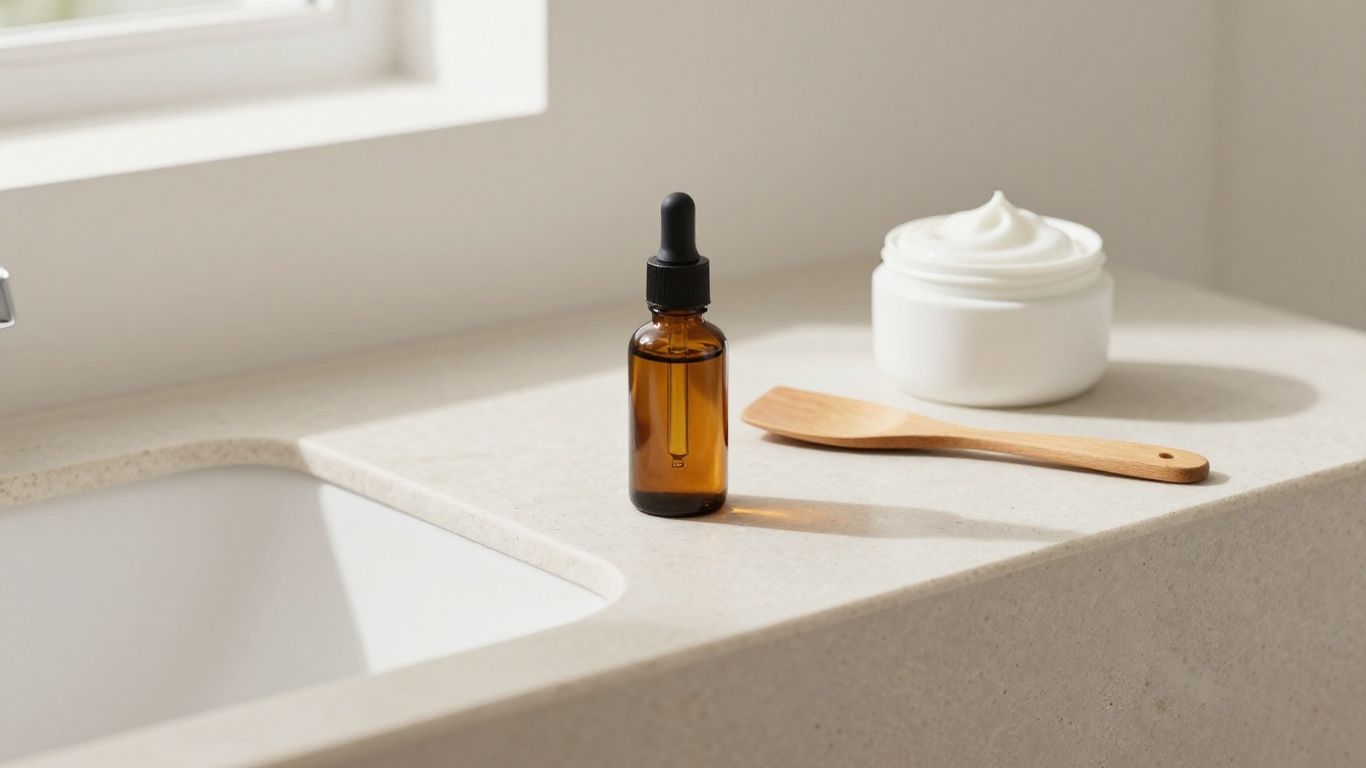
Building an effective topical regimen requires ingredients that address both the underlying inflammation that triggers pigment and the turnover pathways that refresh the skin surface. Focusing on gentle, consistent application ensures you avoid triggering further irritation, which is the primary enemy of healing skin. By curating your routine with evidence-backed compounds, you create an environment where the skin can naturally repair its appearance over time.
Retinoids and their role in skin cell turnover
Retinoids are fundamental for promoting accelerated cell regeneration, which helps fade residual marks and improve overall skin texture. When introduced slowly, they encourage the skin to shed old, pigmented surface cells and replace them with smoother, more even-toned layers. These compounds remain a standard for treating acne scars, provided the concentration is managed to avoid over-stripping the moisture barrier.
Vitamin C for brightening and collagen production
Vitamin C acts as a potent antioxidant that neutralizes free radicals and inhibits the pathway associated with excess pigment formation. Regular use helps brighten the complexion while subtly encouraging the structural integrity of the skin. Including this in your morning protocol can significantly support the visibility of fading marks over several months.
Niacinamide to calm inflammation and improve texture
Niacinamide is a versatile ingredient that stabilizes the skin barrier while reducing the inflammatory cues that lead to post-breakout darkening. Its ability to refine pores and balance oil production makes it a gentle but effective player in a daily routine. This ingredient is particularly useful for maintaining calm skin while stronger actives, like retinoids, work deeper in the dermis.
Chemical exfoliants like AHAs and BHAs for resurfacing
Chemical exfoliants work by gently dissolving the intercellular glue that keeps dull, pigmented cells on the surface. AHAs are excellent for surface-level brightening, while BHAs can clear out follicles to prevent new acne from forming. When integrated into a weekly cycle, these acids facilitate a smoother surface, which is essential for managing acne scars on brown skin.
Professional in-office treatments for melanin-rich skin
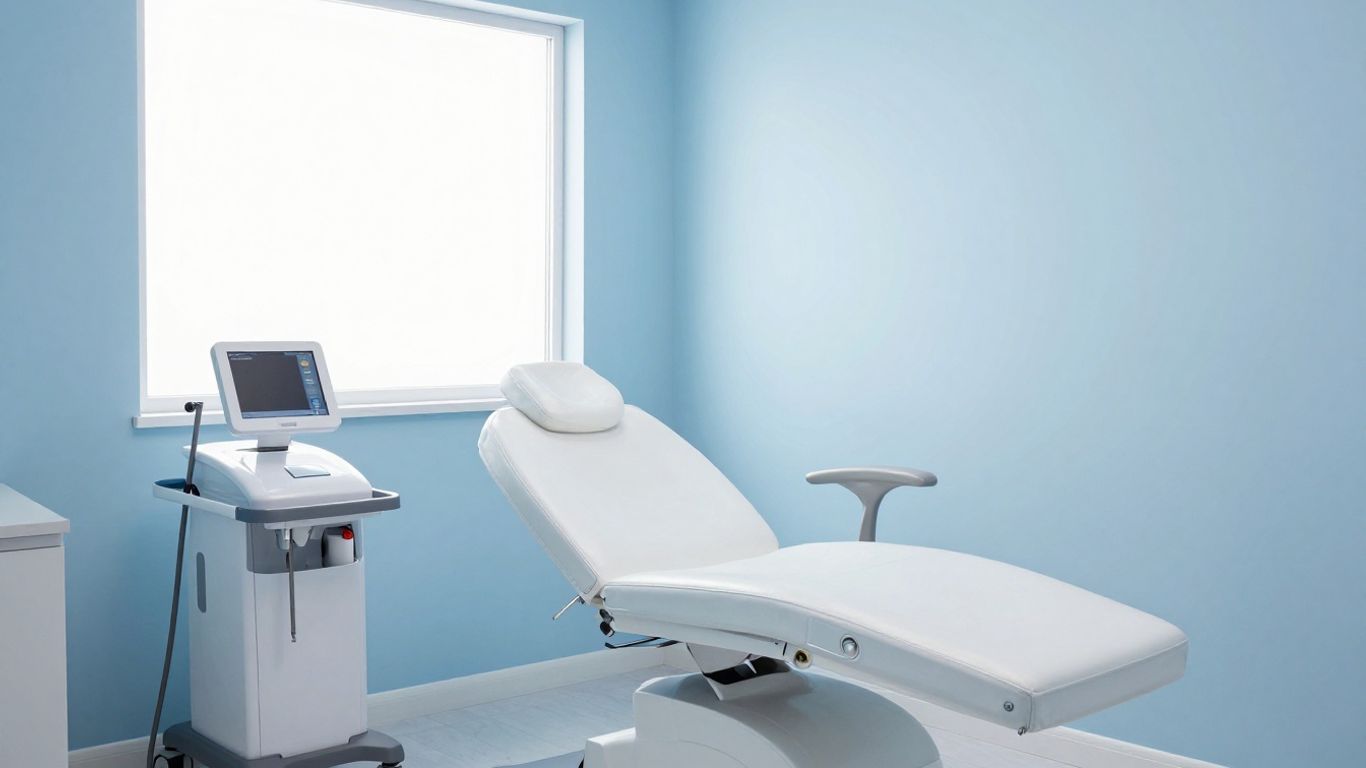
When topicals reach their limit, professional procedures can bridge the final gap toward a clearer, more uniform complexion. Because melanin-rich skin carries a higher risk of burning or post-inflammatory darkening from heat-based devices, the selection of equipment and provider expertise is non-negotiable. Safe, controlled procedures prioritize the retention of pigment while gently stimulating deep-tissue repair.
Chemical peels tailored for darker skin tones
Professional peels use concentrated acids at specific depths to treat stubborn texture and stubborn pigmentation. Practitioners must choose formulas that focus on superficial exfoliation to avoid stimulating a paradoxical increase in melanin. These should always be approached within a curated acne management plan, ensuring the skin is primed to handle the intensity of the treatment.
Microneedling and the management of post-procedural hyperpigmentation
The table below outlines common procedural approaches for managing textural issues in diverse skin tones while keeping pigment stability as a primary goal.
| Treatment Method | Primary Goal | Frequency |
|---|---|---|
| Microneedling | Collagen boost | 4-6 week intervals |
| Superficial Peels | Surface turnover | 2-4 weeks |
| Gentle Lasers | Tone correction | Variable |
This table illustrates that consistent, low-intensity sessions often provide safer outcomes than aggressive, singular interventions for pigmented skin.
Laser therapies that are safe for pigmented skin
Modern laser advancements allow for the treatment of irregular texture by targeting specific depths without overheating the surface epidermis. Wavelengths designed for darker skin tones focus on light absorption that does not trigger unwanted inflammatory responses in surrounding tissues. It is vital to seek providers who specialize in ethnic skin to ensure the settings are adjusted properly for your tone.
Importance of consulting a dermatologist experienced in ethnic skin
Entrusting your skin to a professional who understands the unique physiology of ethnic skin ensures the safety of every treatment. A qualified expert can foresee potential reactions to products or devices based on your history and current condition. As the Henderson wellness team prioritizes structural alignment to improve metabolic function, a skilled dermatologist optimizes the structural recovery of your skin to improve its therapeutic response.
Lifestyle habits that prevent lasting acne scarring
Healing is not purely a matter of skincare products; it is a holistic behavior that encompasses how you treat your skin from the inside out.
Managing active breakouts to minimize tissue damage
Early and effective intervention in the lifecycle of a breakout is the most successful preventative strategy for scarring. If you allow inflammation to persist, it inevitably causes more damage to the follicle wall.
The absolute necessity of daily broad-spectrum sunscreen
- Apply generous amounts of sunscreen every morning to prevent ultraviolet rays from deepening existing dark marks.
- Choose non-comedogenic formulas that do not exacerbate existing acne or clog pores.
- Reapply during the day if you are outdoors to maintain a consistent barrier against environmental stress.
- Wear protective hats whenever possible for added physical shade during peak sun hours.
Consistent sun protection is the single most important rule for allowing the skin’s natural repair mechanisms to function without the interference of darkened pigment.
Avoiding picking, popping, and aggressive physical scrubbing
Physical trauma to an inflamed spot almost guarantees that the resulting mark will be deeper and darker than it would have been if left alone. Scratching or scrubbing damages the skin barrier further, creating a cycle of persistent inflammation that can lead to textural changes.
The impact of anti-inflammatory routines on skin healing
Incorporating calming botanicals and cooling practices into your lifestyle helps the body manage the systemic inflammation that contributes to visible scarring. Minimizing dietary triggers and maintaining stable health supports the skin’s recovery, much like how one monitors DFS bankroll management to ensure the viability of a long-term strategy.
Managing realistic expectations during the recovery process
The timeline for visible improvement in deeper skin tones
True results in melanin-rich skin often appear over months rather than weeks, as the pigment cycles must move through the skin’s natural renewal process. While you may see surface brightening quickly, deep remodeling of scars takes sustained attention and commitment to a measured treatment plan.
Why patience is essential for long-term aesthetic results
Healing is a physiological process that cannot be rushed by increasing product intensity or frequency of treatments. The skin requires time to rebuild collagen fibers and rebalance pigment production in a way that is sustainable and healthy for your unique biology.
By respecting this timeline, you avoid the common pitfall of over-treating your skin.
Recognizing when to adjust your treatment intensity
If you find your skin feels perpetually tight, stinging, or becomes more inflamed, it is a clear indicator that your current regimen includes products that are too aggressive. Listening to these signals is crucial for adjusting your routine before a minor flare-up turns into a new round of hyperpigmentation or scarring.
Managing psychological stress related to skin appearance
Acne and the marks left behind can be a significant source of emotional strain. Acknowledging that your skin’s appearance does not define your worth is an important part of the journey. Focusing on health-centered goals rather than just perfection can help mitigate the stress that potentially worsens the skin health cycle.
Conclusion
Successfully managing acne remnants on brown skin involves a measured approach centered on inflammation prevention and gentle, consistent structural support. By combining the right topical ingredients with professional guidance from specialists who respect the unique needs of melanin-rich skin, you can achieve both textural improvement and a more uniform, balanced complexion.
Frequently Asked Questions
Can dark spots from acne ever become permanent?
While post-inflammatory hyperpigmentation usually fades with time and proper care, it can take months or even years to fully resolve; however, true structural acne scars represent a permanent change to the skin’s texture and typically require professional intervention to improve.
How long should I wait before seeking a professional treatment?
It is ideal to focus on settling the active acne and establishing a consistent, gentle home-care routine first, though consulting a dermatologist early helps in creating a long-term plan that prevents future scarring from forming.
Why do some acne treatments seem to make my skin darker?
Aggressive treatments that cause peeling or irritation can trigger an inflammatory response that leads to excess melanin production, turning minor spots into darker marks, which is why starting with low-strength actives is essential.
Is it possible to clear acne scars completely?
While many skin issues can be significantly improved, it is realistic to aim for minimized visibility and smoother texture rather than total erasure, as skin is a living organ that responds to its environment and biological processes.
Should I avoid all chemical exfoliants on brown skin?
No, chemical exfoliants are safe when used in appropriate concentrations and frequencies, but they should be introduced gradually to ensure they do not cause irritation that could lead to further hyperpigmentation.
What role does diet play in managing acne scars?
While specific foods do not directly "remove" scars, an anti-inflammatory diet that supports overall skin health can help reduce the frequency of new breakouts and improve the body’s natural ability to repair the skin barrier.
Can I use store-bought kits for all my acne needs?
Store-bought products are useful for maintenance, but deep or persistent scars often require specific professional-grade devices or treatments that are calibrated to safely handle the melanin content and structural depth unique to your skin.