Medically reviewed. This article discusses a skin condition and has been reviewed by a qualified medical professional for general accuracy. It is intended for education only and is not medical advice, diagnosis, or treatment. Cosmetic and skincare products can help you care for and improve the look of your skin, but they do not diagnose, cure, or permanently eliminate any medical condition. For persistent or worsening concerns, please consult a dermatologist or your doctor.
Key Takeaways
Addressing skin discoloration on complex textures requires a strategic approach that prioritizes both active treatment and barrier health. These findings highlight how to manage moisture balance while fading dark spots.
- Combination skin reacts differently to potent actives in the T-zone versus drier cheeks.
- Hormonal shifts often trigger dark spots on the forehead and chin areas.
- Layering treatments allows for precise application on affected areas without over-irritating healthy skin.
- Persistent inflammation from acne is a leading contributor to uneven skin texture.
- Consistent sun protection is the foundational requirement for preventing future pigment darkening.
Understanding the challenges of hyperpigmentation on mixed skin
Treating pigmentation in multi-textured skin requires a nuanced understanding of how different facial zones respond to external stimuli. Unlike monochromatic skin types, mixed skin possesses oilier areas that may harbor acne and drier zones that demand hydration, complicating traditional treatment paths. Successfully managing hyperpigmentation mixed skin involves balancing these conflicting needs to ensure effective results without compromising your overall cutaneous barrier.
The unique needs of combination skin
Combination skin often presents a dichotomy where the T-zone produces excess sebum, while the perimeter remains prone to dehydration. Using harsh bleaching agents across the entire face can cause acute dryness in sensitive areas, leading to further irritation. Ideally, treatments should be localized, focusing intensity where melanin production is active while soothing deeper areas to prevent secondary inflammation.
Why pigment distribution fluctuates across the face
Melanin distribution varies based on UV exposure, follicle density, and regional blood flow. The forehead and chin, being high-traffic zones for environmental contact and hormonal impact, often develop more pronounced spots. Acknowledging this regional variance ensures that your skincare approach remains logical, preventing the overuse of actives on patches of skin that are already structurally fragile.
Recognizing post-inflammatory hyperpigmentation vs. sun damage
Distinguishing between Post-Inflammatory Hyperpigmentation and photo-damage is essential for selecting the correct remedy. PIH typically follows an inflammatory event like a breakout, manifesting as pink, brown, or purple marks, whereas sun damage is usually tan or brown and clusters on highest-projection points like cheekbones. Proper identification helps determine if you need to manage active inflammation or focus on collagen turnover.
Identifying common causes of dark spots in combination skin
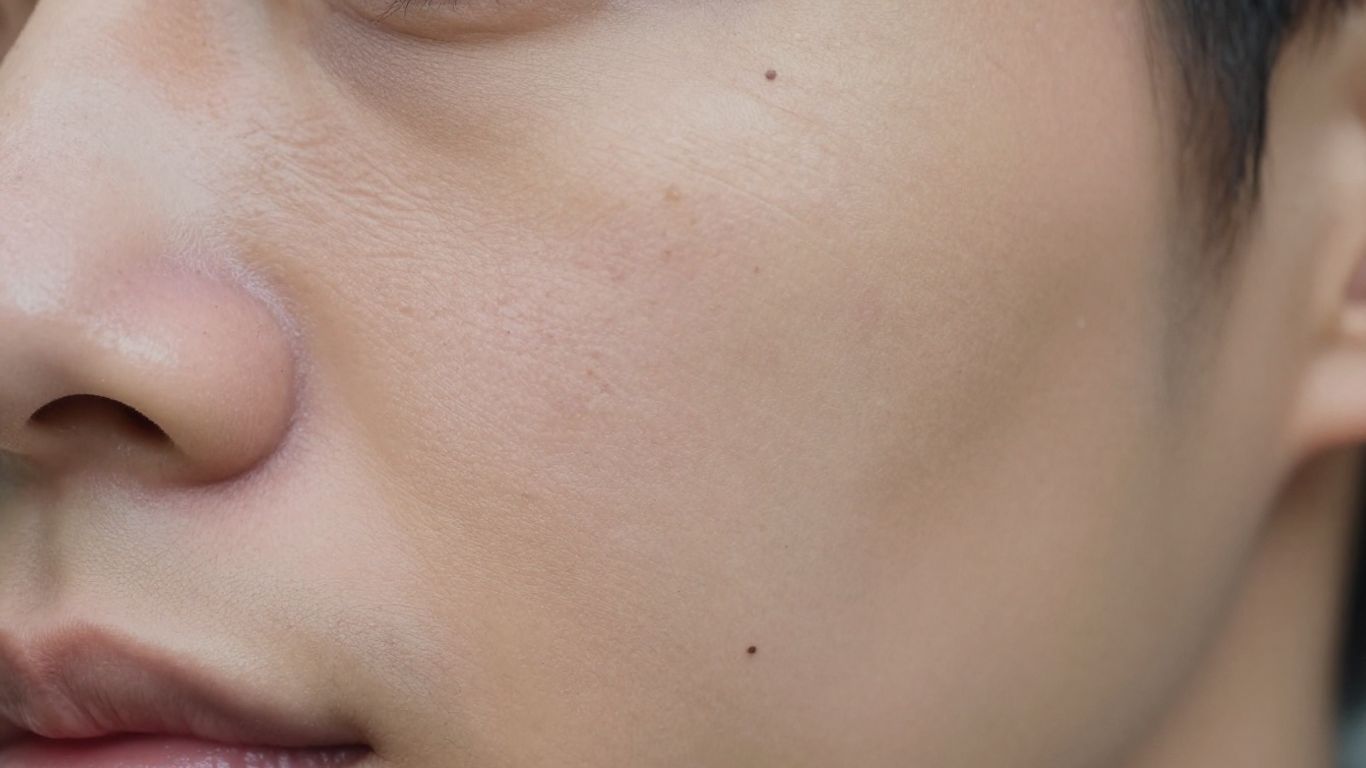
Dark spots arise from a complex interplay of internal and external factors that affect skin cells in varying ways across the face. For many individuals, the process begins beneath the surface, where hormone-driven or injury-driven inflammation stimulates an overproduction of melanin. Understanding these triggers is essential, as the following list of common contributors illustrates why certain areas seem more predisposed to discoloration:
- Excessive sebum accumulation in pores causing oxidative stress.
- Chronic hormonal fluctuations affecting dermal signaling pathways.
- Unprotected sun exposure leading to cumulative melanin deposits.
- Physical irritation from manual picking or abrasive scrubs.
Hormonal fluctuations and their impact on the forehead and chin
Fluctuating hormones can significantly alter how skin cells respond to stimuli, often leading to localized pigment surges. The forehead and chin are particularly prone because they contain higher concentrations of androgen-responsive sebaceous glands. When these glands over-respond, they create an environment where hyperpigmentation can become persistent, requiring ingredients that address the underlying cellular signals rather than just the surface color.
The role of excess sebum in acne-related spots
When pores become clogged with oil and bacteria, the ensuing inflammatory process frequently results in lingering dark spots. This cycle of inflammation is a primary focus for many seeking advice on facial hyperpigmentation and related uneven complexions. Once the acne clears, the remaining spot serves as a reminder of the previous irritation, necessitating targeted care to break the cycle of recurring post-inflammatory marks.
Environmental stressors affecting the T-zone
Pollution and UV radiation often impact the oily T-zone more heavily due to constant interaction with external debris and moisture loss. These stressors increase oxidative damage, which in turn fuels the melanin-producing mechanisms of the skin. Strengthening the antioxidant defenses of this specific region can help mitigate deep-seated discoloration that develops over years of environmental exposure.
Essential ingredients for targeting discoloration without disrupting moisture balance
Finding the right chemical balance is crucial for treating skin that has both oily and dry tendencies. You want ingredients that inhibit melanin production while simultaneously maintaining the elasticity of your skin’s moisture barrier. The following table provides an overview of ingredients categorized by their function in your daily regimen:
| Ingredient Category | Primary Benefit | Suitable Skin Zone |
|---|---|---|
| Vitamin C | Antioxidant protection | Entire Face |
| Niacinamide | Sebum balancing | T-Zone |
| Alpha Hydroxy Acids | Gentle exfoliation | Oily Patches |
| Hyaluronic Acid | Moisture retention | Dry Cheeks |
Vitamin C for brightening and antioxidant protection
Vitamin C acts as a vital bridge between environmental protection and visible brightening. It works by neutralizing free radicals that would otherwise continue to signal the skin to produce more pigment. When applied correctly, it helps fade existing spots and prevents the darkening of new ones without altering the baseline hydration levels of the skin.
Niacinamide for sebum regulation and skin tone evening
Niacinamide is uniquely suited for combination skin because it helps normalize oil production while brightening the complexion. By steadying the sebum output, it reduces the likelihood of future acne-related spots. Its gentle nature makes it a perfect daily addition, supporting systemic skin tone improvement without triggering the redness or flakes common with stronger actives.
AHAs for gentle exfoliation on oily patches
Alpha Hydroxy Acids effectively lift away the pigmented, dead skin cells that accumulate on the surface. These acids are particularly effective on oily zones where cellular renewal can occasionally slow down and lead to dullness. By using AHAs sparingly on targeted areas, individuals can achieve a refined surface texture without putting the drier patches of the face at risk of over-exfoliation.
Hyaluronic acid to maintain hydration on dry areas
Hyaluronic acid serves as the counterbalance in any treatment plan, ensuring that dryness caused by actives does not lead to further sensitivity. It draws moisture into the superficial layers, supporting the health of the skin barrier throughout the day. When the skin remains adequately hydrated, it is better prepared to tolerate the more aggressive brightening agents needed to address deep-seated hyperpigmentation.
Building a balanced skincare routine for mixed skin with hyperpigmentation
Creating a routine involves more than just selecting effective ingredients; it requires a strategic application sequence. By tailoring your approach to specific facial zones, you protect your skin’s integrity while methodically addressing discoloration. This targeted approach is frequently discussed in detailed hyperpigmentation treatment guides to help individuals see real progress.
Cleansing strategies to avoid over-stripping dry zones
Cleansing should never leave the face feeling tight or squeaky, as this is a sign that the barrier is compromised. Opting for a pH-balanced, gentle cleanser allows you to remove impurities without sapping moisture from the cheeks. By keeping the skin supple, you ensure that the subsequent brightening serums can penetrate effectively instead of causing irritation on a dry, compromised surface.
Targeted application techniques for serum layering
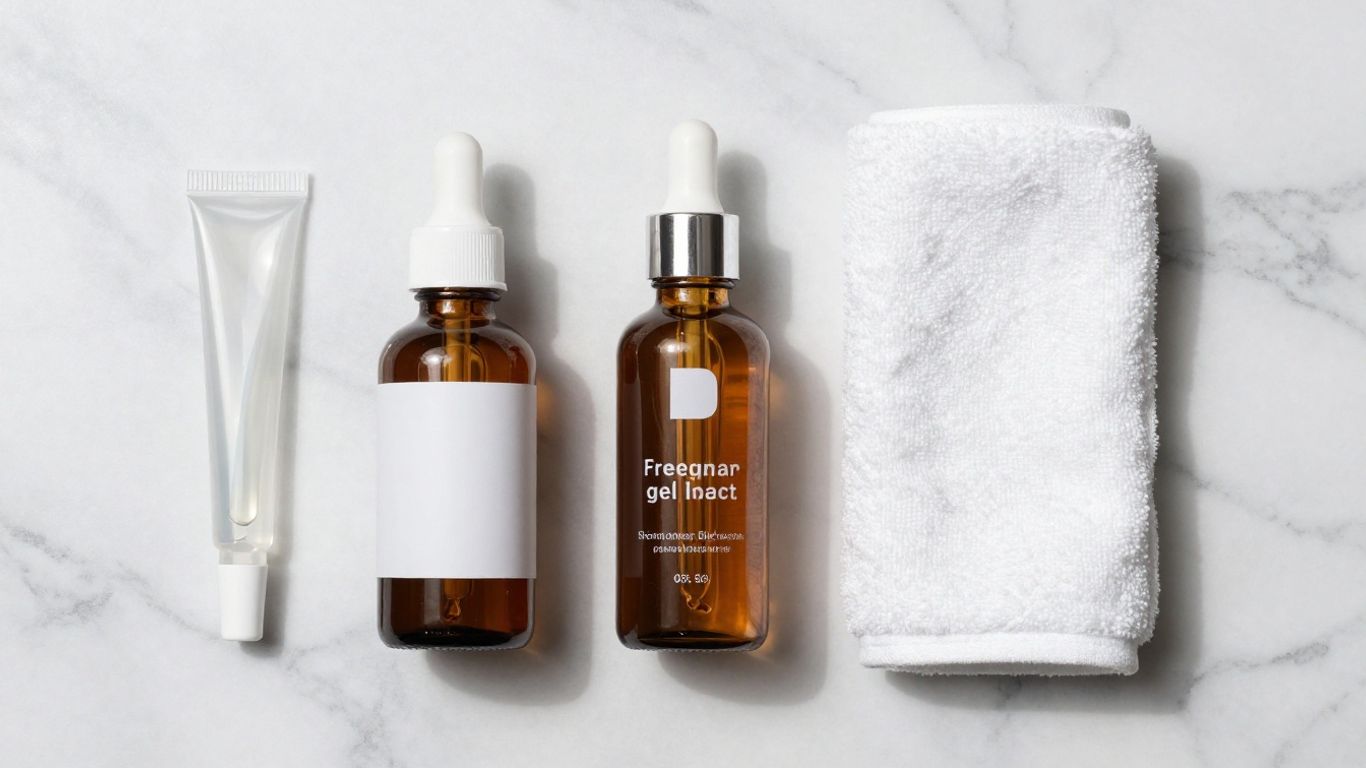
Layering serums allows you to apply different products to different regions of the face. You might apply a sebum-regulating serum to your T-zone and a deeply hydrating moisturizer to your temples and cheeks. This prevents the active ingredients from migrating, ensuring that you maintain the health of your sensitive areas while aggressively targeting the pigmented spots on your oily zones.
Selecting non-comedogenic moisturizers for variable skin textures
Finding a moisturizer that hydrates dry patches without clogging the pores in the T-zone is a cornerstone of success. Look for formulas that support the moisture barrier through ceramides or natural lipids rather than heavy occlusives. A well-selected non-comedogenic product provides the essential stability needed for the skin to repair itself overnight.
Prioritizing nighttime repair versus protective daily skincare
Daytime skincare must focus on protection and prevention, utilizing broad-spectrum SPF to stop further pigment darkening. Conversely, the evening is dedicated to targeted repair using ingredients that encourage cellular turnover. This consistent cycle of prevention in the morning and treatment in the evening is the gold standard for managing long-term skin hyperpigmentation and restoring a radiant, even complexion.
Professional treatments for stubborn hyperpigmentation on varied skin textures
When at-home care proves insufficient, professional interventions can provide the intensity required for stubborn spots. These treatments are calibrated to reach deeper layers of the epidermis, facilitating turnover that standard topicals cannot easily achieve. Always discuss your skin’s specific needs with a specialist to ensure the selected method is safe for your complexion.
Chemical peels for surface-level brightening
Chemical peels utilize precise concentrations of acids to dissolve the ‘glue’ holding surface pigments in place. In a professional setting, these can be tailored to the specific sensitivities of your skin type. By lifting the dull, discolored top layer, peels naturally invite the growth of fresh, more evenly toned cells across the entire face.
Microneedling for collagen induction and pigment turnover
Microneedling employs small, controlled stimulations to trigger the body’s innate healing response and collagen production. This process accelerates the turnover of pigment-laden cells, making it a powerful tool for those struggling with long-term pigmentation issues. The increased cellular activity supports a more uniform structure over time as the skin rebuilds itself from within.
Laser therapies and their suitability for different biological pigments
Laser treatments work by targeting specific pigment concentrations within the dermis without harming surrounding tissue. Because mixed skin may have varying levels of melanin throughout, expert selection of the light wavelength is critical. Choosing the correct technology ensures that the energy is absorbed by the target spot, which minimizes the risk of unwanted side effects.
When to consult a board-certified dermatologist for specialized care
If you notice spots changing in shape, size, or color, or if they resist treatment, consulting a specialist is the safest path forward. A dermatologist can perform a diagnostic assessment to rule out underlying concerns and create a bespoke plan that addresses your specific pigmentation depth. Their oversight is particularly valuable when combining intensive professional treatments with daily home regimens.
Lifestyle habits and sun protection strategies for lasting results
Results are rarely the product of a single bottle or appointment, but rather the cumulative effect of daily habits. Sun protection remains the most important step for maintaining any progress you have made with your routine. Consistent attention to these lifestyle factors creates a permanent foundation for healthy, resilient skin.
Consistent broad-spectrum SPF requirements for diverse zones
UV damage is the primary trigger for the darkening of existing spots and the creation of new ones. A high-SPF, broad-spectrum sunscreen is the most essential item in your routine, regardless of your skin’s oiliness. Applying it uniformly each morning prevents environmental exposure from undoing your efforts to manage your complexion.
Dietary antioxidants for long-term skin health
Internal wellness through antioxidant-rich foods supports the skin’s recovery from environmental stress. Incorporating colorful fruits and vegetables provides the vitamins necessary for sustained skin health and cellular repair. This approach reinforces your topical routine from the inside, ensuring that your skin cells have the building blocks they need to thrive and heal.
Managing inflammatory triggers like spot picking
Mechanical trauma to the skin causes immediate and often lasting inflammation. Avoiding the temptation to pick at breakouts or peel at dry flakes is critical for preventing PIH. By allowing your skin to heal naturally, you significantly reduce the prevalence of new dark spots across your forehead, chin, and cheeks.
Understanding the timeline for visible results
Treating discoloration is a gradual process that requires patience and consistency. Most active ingredients require weeks of daily use before visible improvements emerge. Maintaining realistic expectations allows you to stay the course, ensuring that you don’t prematurely stop a routine that is working to deliver long-term, balanced skin clarity.
Conclusion
Achieving an even skin tone is a marathon that requires patience and a gentle, targeted touch across your different facial zones. By building a routine that incorporates purposeful protection and active repair, you can effectively navigate the challenges of hyperpigmentation on mixed skin. Consistency across both your daily rituals and professional care will ultimately pave the way for a more radiant, resilient complexion that feels healthy and balanced every day.
Frequently Asked Questions
Is hyperpigmentation on mixed skin permanent?
While some deeper forms of pigmentation can be challenging to treat, most cases of hyperpigmentation are capable of fading with a combination of consistent topical care, sun avoidance, and, when necessary, professional intervention.
How long does it take to see results from brightening ingredients?
Most active brightening ingredients typically require at least six to twelve weeks of daily, consistent use before noticeable changes in the appearance of dark spots begin to emerge.
Can sun exposure worsen existing dark spots?
Exposure to ultraviolet radiation stimulates the skin to produce more melanin, which will almost certainly darken existing spots and potentially encourage the development of new patches of discoloration.
Does sebum contribute to the formation of dark spots?
Excess oil can lead to chronic inflammation in the pores, which is a frequent precursor to post-inflammatory hyperpigmentation; therefore, managing sebum is a vital part of preventing new spots.
Should I use different products for my T-zone and cheeks?
Yes, using targeted products allows you to address the specific needs of your T-zone, such as oil control or acne prevention, while giving your drier areas the hydration and soothing they require to stay healthy.
Are professional peels suitable for all skin types?
Professional peels can be highly customized to suit various skin types, but it is important to work with a skilled technician who understands how to calibrate the chemical strength for your specific level of sensitivity.
Does diet affect skin discoloration?
A diet rich in antioxidants can support the skin’s overall health and its ability to combat oxidative stress, which helps provide a more favorable internal environment for fading dark spots over time.