
Key Takeaways
Developing a regimen for diverse tones requires understanding specific physiological characteristics, such as how melanin influences reactivity and moisture levels. Focusing on balanced routines can lead to significant improvements in long-term skin health.
- Melanin offers intrinsic sun protection but does not replace the need for daily SPF.
- Hyperpigmentation is a common concern that often results from inflammatory triggers.
- Proper hydration is foundational to maintaining the integrity of the skin barrier.
- Chemical exfoliants should be introduced gradually to avoid irritation and scarring.
- Consistent routines combined with healthy lifestyle choices maximize natural skin radiance.
Understanding the unique needs of melanin-rich skin
Caring for deeper complexions involves recognizing that the skin has a complex structure influenced by higher concentrations of pigment-producing cells. This natural diversity changes how the skin reacts to both environmental stressors and topical treatments. Understanding these basic biological differences allows for more deliberate and effective care strategies.
The role of melanin in skin protection
Melanin acts as a natural shield, providing some inherent protection against UV damage. While this offers an advantage, it is critical to rely on external defenses for complete coverage. Scientists have documented expert tips for caring for melanin-rich skin to clarify how these protective properties function while highlighting the necessity of comprehensive UV defense.
Common concerns like hyperpigmentation and scarring
Darker skin types often respond to irritation, injury, or hormonal shifts by producing an excess of pigment in localized areas. This response can lead to dark spots or patches that linger long after the initial inflammatory event, such as a breakout or tiny scratch, has subsided. Many find that 12 best skincare brands offer targeted solutions for these specific pigment-related challenges.
Factors influencing moisture retention in deeper skin tones
Deeper skin tones often face challenges with moisture loss, which can lead to a dull appearance or fine lines that seem more pronounced. Managing this requires a focus on humectants that draw water into the skin and occlusives that prevent evaporation. The goal is maintaining a healthy balance so the surface stays supple throughout the day without feeling heavy.
Essential ingredients to target hyperpigmentation

Addressing uneven tone requires a strategic approach to what you apply to your face, focusing on ingredients that promote brightness. These components work by slowing excess pigment production or helping shed dull surface cells. Carefully selected ingredients can help in improving overall skin texture significantly.
Efficacy of vitamin C for brightening
Vitamin C is widely recognized for its ability to brighten the skin by neutralizing free radicals and inhibiting melanin synthesis. Consistent use of a potent serum can lead to a noticeable reduction in dark spots over time. It is a cornerstone for those looking to recover lost radiance.
Incorporating niacinamide for an even skin tone
Niacinamide acts as a versatile stabilizer, helping to reduce inflammation while calming down redness. Its ability to strengthen the barrier makes it an excellent partner in any regimen designed to keep the skin calm and uniform.
Benefits of plant-based brighteners like kojic acid and licorice root
Natural extracts have gained popularity for providing brightening benefits without the harshness of synthetic alternatives. These agents work gently to inhibit the enzyme responsible for melanin production. Below is a breakdown of how key ingredients help manage pigmentation:
| Ingredient | Primary Benefit | Best For |
|---|---|---|
| Vitamin C | Brightening | Dark spots |
| Niacinamide | Barrier Support | Texture |
| Kojic Acid | Melanin Inhibition | Even tone |
Using these ingredients together creates a balanced approach for addressing long-standing pigmentation concerns on the face.
Exercising caution with high-percentage chemical exfoliants
While acids like glycolic or lactic acid are effective, using them at too high a concentration can backfire by causing inflammation. When the skin perceives aggression, it often reacts by producing more melanin, creating a cycle of scarring. Always start with lower percentages.
The importance of proper sun protection
Sun protection remains one of the most misunderstood aspects of daily skin wellness. There is a persistent belief that because melanin provides a base level of protection, further barrier steps are unnecessary. However, clinical understanding demonstrates that ultraviolet rays contribute significantly to textural changes and uneven tone in all skin tones.
Debunking the myth that dark skin does not need SPF
While melanin does provide some intrinsic SPF, it is insufficient to prevent DNA damage or the worsening of existing scars. Relying on this biological defense alone leaves the skin vulnerable to the cumulative damage of daily UV exposure. True protection requires a broad-spectrum approach every single day.
Selecting sunscreen formulations that leave no white cast
Finding a sunscreen that blends perfectly without leaving a chalky residue is a common search for many individuals. Modern technology now allows for lightweight formulas that disappear into deeper skin tones effortlessly. Proper selection makes it much easier to commit to daily application.
Preventing the darkening of existing skin spots from UV exposure
Exposure to sunlight acts as a trigger that tells dormant melanocytes to go into overdrive, especially in areas that have already been scarred. By using a protective layer, you ensure that healing spots do not become more noticeable. This simple habit keeps your skin clear and consistent throughout the seasons.
Building an effective daily hydration routine
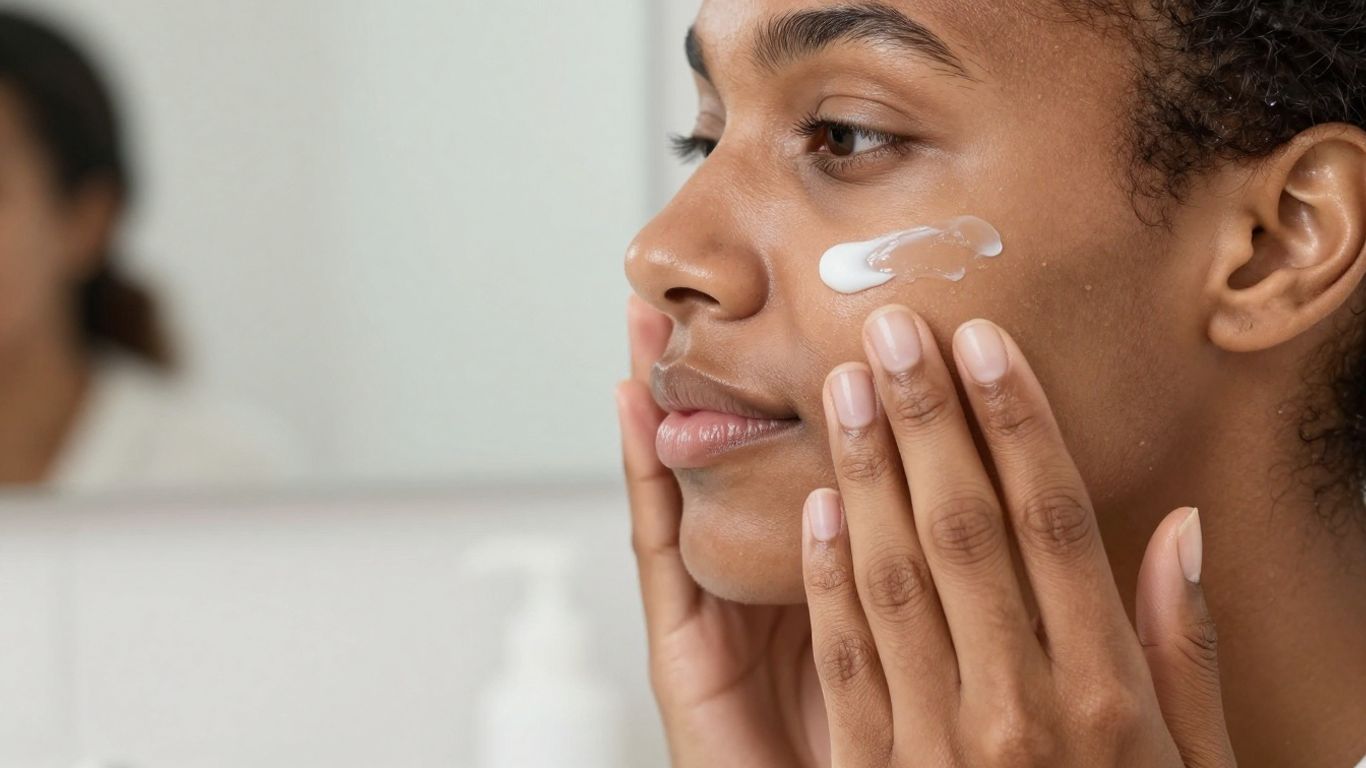
Establishing a healthy hydration cycle requires understanding your own skin type and how it responds to water-retaining ingredients. A well-constructed routine allows for deep nourishment without clogging pores, which is essential for healthy, clear results. To succeed in skincare for melanin rich skin, consider the following steps for your daily process:
Gentle cleansers that preserve the skin barrier
Using a harsh cleanser can strip essential oils, forcing the skin to compensate with either extra dryness or excess oil production. A creamy or gel-based cleanser that maintains a neutral pH is ideal for day-to-day cleansing. It leaves the skin feeling clean but never tight or stripped.
Identifying the best humectants for deep hydration
Humectants like glycerin and hyaluronic acid grab moisture from their environment and bind it to the skin surface. These are excellent for providing a plump look. Ensure you apply these on damp skin to trap as much moisture as possible during your daily routine.
When to incorporate occlusives to lock in moisture
Occlusives such as shea butter or facial oils are best applied as the final step of a routine to seal everything in. They form a micro-layer that prevents evaporation, keeping your skin soft during sleep or harsh weather. These ingredients create a protective seal
- Use a gentle cleanser to start.
- Apply water-based serums while skin is damp.
- Layer a humectant-rich moisturizer.
- Apply an occlusive buffer for extreme dryness.
Adopting these steps consistently helps the skin retain its natural elasticity and healthy sheen throughout the day.
Managing skin sensitivity and inflammatory conditions
Skin conditions like eczema or chronic breakouts can be particularly challenging for darker skin, as the inflammation often leads to lasting marks. Proactive management of these conditions is the best way to prevent the formation of new, dark spots. Exploring best skin-care treatments from professional sources can offer reliable guidance on managing acne and sensitivity.
Identifying common triggers for acne and facial hair bumps
Acne often begins with tiny inflammatory triggers related to hair follicles or excessive sebum. Recognizing these triggers, such as friction or specific comedogenic ingredients, is a key step in reducing the frequency of outbreaks. Monitoring your environment and products helps keep these bumps under control.
Soothing remedies for eczema and localized dryness
Eczema in darker skin can manifest as textured or ashy patches that feel itchy. Using calming, lipid-replenishing creams helps soothe the inflammatory response. Avoid extremely hot water and fragrances, which can exacerbate these flare-ups significantly.
Patch testing products to prevent post-inflammatory hyperpigmentation
Before applying a new serum or treatment to your full face, always perform a patch test on a less visible area of skin. This simple safeguard helps you avoid widespread reactions that could cause unwanted scarring. If the test area remains clear for 48 hours, it is usually safe to proceed.
Lifestyle habits for radiant and clear skin
Internal health often mirrors external appearance, particularly regarding how your skin manages inflammation and cellular repair. Small changes to how you fuel your body can have a surprising impact on how your skin looks over many months.
The impact of hydration and diet on skin health
Drinking enough water and consuming foods rich in antioxidants supports the skin from the inside out. A diet focused on nutrient-dense ingredients provides the building blocks for resilient, healthy skin cells. This holistic approach supports everything else you apply topically.
Addressing hormonal fluctuations that affect acne
Fluctuations in hormones frequently cause recurring breakouts that can lead to permanent changes in skin texture. Keeping a regular schedule for sleep and stress management can help stabilize these reactions. When adjustments are not enough, understanding your hormonal patterns remains a vital part of your overall skincare health.
Knowing when to consult a dermatologist for professional treatments
If your routine is not yielding the results you want, or if you notice skin changes that worry you, a specialist is your best resource. Professionals can provide treatments like peels or laser therapies specifically tailored for darker tones. Do not hesitate to seek expert help for conditions that disrupt your basic self-care objectives.
Conclusion
Caring for your skin is a lifelong process that rewards patience, consistency, and a deep understanding of what makes your complexion unique. By selecting gentle, effective products and remaining mindful of your daily habits, you can support your skin’s health and reveal a natural, sustained glow. Focus on building a routine that feels manageable and enjoyable rather than complex or overwhelming.
Frequently Asked Questions
Can melanin-rich skin develop sunburn?
Yes, absolutely. While darker skin has a higher level of natural protection compared to lighter skin, it is not immune to UV-induced damage or sunburn, which is why regular application of SPF is essential.
Is Vitamin C safe for sensitive dark skin?
Yes, it is generally safe, but starting with a lower concentration is smart. Sensitivity varies from person to person, so a slow introduction helps your skin adapt to the brightening properties of the ingredient.
Why do dark spots seem to appear so suddenly?
Dark spots are often the result of an inflammatory process that occurred previously. Once the inflammation fades, the extra pigment left behind becomes visible, often feeling as if it appeared out of nowhere.
How often should I exfoliate my face?
Exfoliation frequency depends on your skin type, but most people with melanin-rich skin benefit from doing it once or twice a week to avoid over-exfoliation and subsequent irritation.
Do I need a different sunscreen for my body and face?
While you can use the same formula, facial sunscreens are often specifically developed to be thinner, wear better under makeup, and avoid clogging the pores on your face.
What can I do about sudden hormonal acne?
Focusing on gentle, non-irritating products and maintaining a consistent rhythm with your sleep and stress management can help. If breakouts are severe, consulting a dermatologist to discuss options is the best path to prevent scarring.
Is a daily toner necessary for better skin?
A toner is not strictly required but can be a useful tool to help balance the pH of your skin after cleansing. It can also act as a lighter, initial layer of hydration or treatment.