Key Takeaways
Creating an effective routine for your skin relies on understanding how diverse biological traits interact with environment and active ingredients. Follow these essential pillars to maintain a healthy, glowing complexion regardless of your unique heritage.
- Prioritize deep hydration to combat natural moisture loss.
- Use mineral-based sun protection to avoid a grey cast.
- Incorporate gentle chemical exfoliants to manage cellular turnover.
- Repair your moisture barrier with lipid-rich ingredients.
- Adjust your product density based on shifting seasonal needs.
1. Understanding the unique needs of melanin-rich skin
Melanin-rich skin often possesses a sophisticated structural depth that requires specific care to prevent common concerns like ashiness and uneven tone. Many individuals find that their complexion thrives when they focus on preserving the skin’s inherent oil balance rather than stripping it away with harsh cleansers. By tailoring your routine, you can ensure that your face remains vibrant and healthy despite various external stressors.
There is a misconception that diverse skin tones are immune to sun damage or internal irritation, but that could not be further from the truth. In fact, when irritation occurs, post-inflammatory hyperpigmentation often follows as the primary defense mechanism of active melanin cells. Protecting that delicate surface is not just about aesthetics, but about maintaining the structural integrity of your natural barrier over time.
Developing a routine for mixed race skincare involves recognizing that your specific genetic background may dictate how your skin processes active ingredients. Because research suggests that moisture retention is a critical vulnerability for complexions with higher melanin counts, integrating natural solutions becomes a priority. Keeping your routine consistent yet adaptable helps you manage these specific needs without overwhelming your skin’s natural rhythm.
2. Balancing combination skin types effectively
Managing a combination complexion is like working with two different maps. You often deal with an oily T-zone while maintaining dry cheeks, and finding the right equilibrium requires a targeted application strategy. Using products that hydrate without clogging pores is vital for stabilizing this daily variance.
- Use a pH-balanced cleanser twice daily to manage excess oil.
- Apply lightweight serums to the oily zones for hydration.
- Layer thicker, barrier-repairing creams on dryer areas.
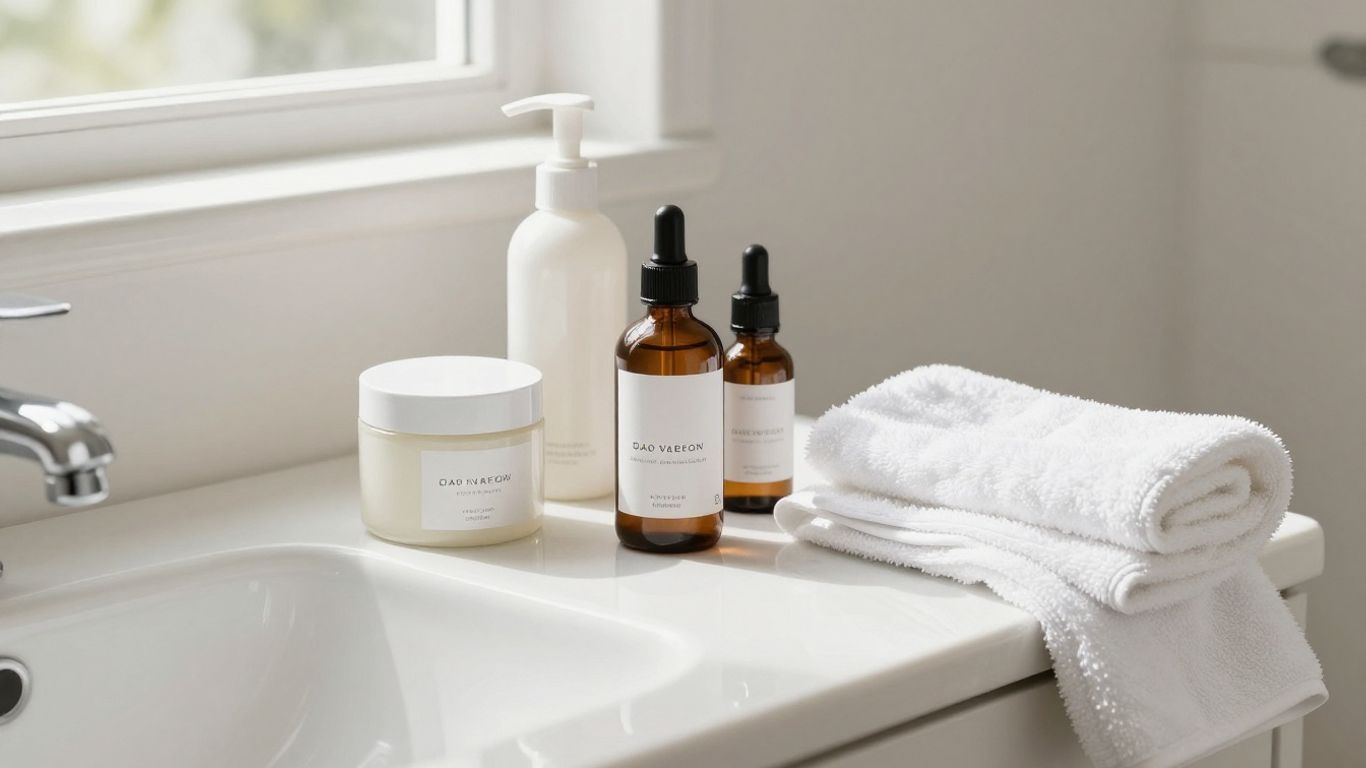
Finding skincare routines that respect your skin’s dual nature doesn’t mean you need a shelf full of different products. Focus on modular layering, where you apply products only where they are actually needed. This technique prevents the common pitfall of over-moisturizing certain areas while leaving others parched and irritated.
Effective balance also means knowing when to switch up your focus. If you notice your forehead becoming significantly oilier during warmer months, you might lean more into lighter gels. Conversely, as things cool down, moving toward a nourishing base helps bridge the gap between oil control and excessive dryness. Maintaining this delicate surface balance is the true secret to long-term skin health.
3. The importance of daily sun protection for all skin tones
Sun protection is non-negotiable for everyone, but the formulation you choose is especially important for melanin-rich complexions. Many traditional sunscreens leave a white, chalky residue that completely masks the natural warmth of your skin. Shift your focus toward physical or chemical formulations that are transparent and designed for all skin tones to ensure you actually wear it every day.
UV damage is the primary driver of dark spots and uneven skin tone, and it acts as an accelerator for premature aging. Even on cloudy days, these rays penetrate your skin and can exacerbate existing pigment concerns. Consistent daily use creates a shield that allows other active treatments to work more effectively without being constantly undermined by incoming solar damage.
If you struggle to find the right SPF, look into specialized tinted creams or transparent mineral oils. These products often have added antioxidants, which serve a dual purpose of repairing existing damage while preventing future rays from reaching the deep layers of the dermis. Making this step a default part of your morning routine is the most impactful decision you can make for your future complexion.
4. How to manage hyperpigmentation and dark spots
Hyperpigmentation is a common result of trauma to the skin, which can range from harsh acne treatments to simple sun exposure. Addressing this at the source often requires a combination of fading agents and high-quality sun protection. By suppressing new pigment production while gently encouraging the turnover of existing dark spots, you can see significant improvement over several months.
Consistency is the engine of change when it comes to lightening dark marks. You need to identify products with ingredients like vitamin C or niacinamide, which help regulate the color-making process without causing excessive irritation. Remember that these ingredients are not instant fixes, and their success depends entirely on how well you minimize your daily trigger factors.
Never underestimate the effect of a damaged barrier on your ability to treat hyperpigmentation. When your skin is irritated, it is practically programmed to produce more melanin as a response, which feeds the very problem you are trying to solve. Slow your progress down, focus on calming the skin, and watch as your complexion clears naturally and gently.
5. Choosing the right humectants for moisture retention
Humectants like hyaluronic acid and glycerin are essential tools for pulling moisture directly into the outer layers of the skin. They act like magnets, grabbing water from the air and locking it onto your face. When combined with proper layering, they prevent the dullness associated with surface dehydration.
For those with deeper skin tones, the goal is often to pair these water-attracters with occlusives like ceramides. The humectant brings the water in, and the occlusive acts as a cover, ensuring that water doesn’t immediately evaporate. This layering ensures your skin feels plump and hydrated well into the workday, which is crucial for preventing that grey or ashy look.
Ultimately, your choice in humectant should be guided by your environment. If you live in a very arid, dry climate, you may need a less aggressive humectant that pulls moisture from your own deeper tissues, paired with a heavier cream. Monitoring how your skin feels throughout the day is the best way to determine if your current moisturizing setup is working for your specific external climate.
6. Addressing texture concerns without causing irritation
Texture concerns—such as tiny bumps or rough patches—can be frustrating, but aggressive scrubbing usually leads to more trouble. Instead of using mechanical scrubs that can tear the surface of your skin, focus on chemical solutions that dissolve the ‘glue’ holding onto dead cells. Gentle turnover is the goal, not physical removal.
| Treatment Method | Typical Goal | Frequency |
|---|---|---|
| Lactic Acid | Hydration/Smoothness | Weekly |
| Enzyme Masques | Gentle Purifying | Bi-Weekly |
| Salicylic Acid | Pore Unclogging | Twice Weekly |
Selecting a product like Bloomeffects Dutch Dirt Mask helps simplify this process by combining gentle purification with essential moisturizing ingredients. This allows you to tackle roughness without stripping your natural oils. When you see improvements in your texture, it becomes much easier to enjoy a smooth, even application of makeup or skincare layers.
Finally, be wary of over-treating your skin. If you feel a slight burning sensation or see persistent redness, you are likely pushing the surface too hard. Adjust your frequency to ensure you stay in a zone of healthy repair rather than constant inflammation. Protecting your natural texture starts with respect for the barrier’s daily limit.
7. The role of gentle exfoliation in your weekly routine
Exfoliation is often treated as a daily scrub, but for healthy skin, it should be treated as a weekly treatment. By cycling your exfoliation according to your skin’s specific needs, you keep the surface polished without thinning the protective outer layer. This approach is fundamental to managing both tone and texture.
Many users find that an enzyme-based peel once a week is far more effective than daily physical exfoliation. These enzymatic formulas focus specifically on the dead surface cells, leaving the living tissue untouched and healthy. This leaves your complexion feeling fresh without the underlying risk of sensitivity or sudden breakouts.
Listen to your skin’s signals whenever you introduce a new exfoliant. If it starts to look tight or shiny after usage, you are likely exfoliating more often than your skin needs. A gentle, consistent routine will always yield better results than a heavy-handed approach that leaves your skin feeling stripped and reactive.
8. Identifying essential ingredients for healthy skin barriers
Building a healthy skin barrier requires focusing on ingredients that mimic the natural lipids found in your own skin. Ceramides, fatty acids, and squalane oil are excellent candidates because they replenish what is lost during daily washing and environmental exposure. When your barrier is robust, your skin is much better at retaining its natural radiance.
Avoid products that lean too heavily on fragrance or harsh alcohols, as these strip your protective mantle. Instead, look for plant-based oils that are non-comedogenic if you have concerns about breakouts. Applyingadjustable bed mattresses or other structural supports for your sleep environment can also help your skin rest, but the barrier ingredients themselves are foundational to your nighttime recovery phase.
Developing this foundation takes time, so focus on high-quality basics rather than a rotation of complex extras. A good routine is one you can keep up with during the busiest weeks, providing consistent nourishment that your skin can rely on. Your goal is to simplify until you find the exact ingredients that keep your barrier feeling calm and resilient every day.
9. Avoiding common skincare ingredients that trigger breakouts
Breakouts often result from individual reactions to specific, common ingredients that might be perfectly fine for others. High-content coconut oil, heavy synthetic waxes, or certain high-potency fragrances are frequent culprits for many people managing diverse skin types. If you identify a pattern of breakouts, don’t be afraid to audit everything currently on your shelf.
Keep a simple log of when you introduce new products to isolate potential irritants. It is far better to have a minimal, effective routine of three products that treat your concerns without causing new ones. If a product contains ingredients that feel heavy or greasy, they may be contributing to congestion even if they aren’t the primary cause of your breakouts.
Focusing on clean, non-clogging formulations ensures that you are treating rather than masking your skin issues. If you have sensitive skin, opt for formulas that explicitly list themselves as hypoallergenic or fragrance-free. The goal is to build a safety net that protects you from reactive flare-ups, not just to treat the result of the breakout itself.
10. Customizing your routine based on seasonal changes
Your skin is not a static organ, and it demands different inputs based on the humidity, temperature, and sun exposure levels of each season. Winter requires more oil-rich protection to prevent dryness and cracking, while summer may shift your needs toward oil control and weightless hydration. Your routine should be a living system that responds to these environmental shifts.
Use your subjective experience to dictate these changes. If your face feels tight by lunchtime in December, it’s a clear signal to introduce a heavier moisturizer or a facial oil. If you feel greasy by midday in July, switch to a lighter serum base while maintaining your core hydration steps. This flexibility prevents the seasonal doldrums that cause many people to feel like their products have suddenly stopped working.
Regularly reviewing your skin’s performance during transitions between equinoxes helps you catch issues before they turn into full breakouts or dry patches. Just as you update your wardrobe, updating your skin product density ensures you are always prepared for the climate. This awareness is the final step in mastering your routine for the long haul.
Conclusion
Mastering your unique skin journey is a personal process of observation, consistency, and intelligent ingredient selection that honors your natural complexion. By focusing on fundamental barrier protection and adapting to your environmental needs, you can easily maintain a vibrant, healthy, and radiant look that feels authentic to you.
Frequently Asked Questions
Can people with mixed race skin use the same products as everyone else?
You can technically use any product, but choosing formulations tailored to your specific moisture needs and pigment sensitivities will yield significantly better results.
How long does it take for skincare to show real changes?
Skin cells typically turn over every four to six weeks, so most people begin to see genuine, sustained improvements in their texture and tone after about three months.
Is it necessary to use a cleanser at night if I don’t wear makeup?
Yes, cleaning your skin in the evening is essential to remove pollutants, excess oil, and residual sun protection that can lead to clogged pores and dullness if left overnight.
Can I skip moisturizer if my skin feels oily?
Skipping moisturizer is often a mistake, as oily skin can still suffer from dehydration; instead, switch to a lightweight, water-based hydrating serum that provides moisture without added weight.
Why do my dark spots get darker after a breakout?
This is called post-inflammatory hyperpigmentation, a common trait where the skin produces extra melanin in response to irritation or inflammation left behind after a spot has healed.
Should I exfoliate my skin every single morning?
Exfoliating daily is almost always too harsh and can compromise your moisture barrier, leading to redness and sensitivity; aim for once or twice a week instead.
Is it okay to use natural oils for hydration in the summer?
Natural oils are great, but choose lighter options like jojoba or squalane during warmer months to ensure they absorb fully without sitting on the surface and causing breakouts.