
Taking care of mixed kids curly hair can feel like a puzzle sometimes, right? You want those curls to look amazing, but it’s not always straightforward. It’s a whole different ballgame compared to managing straight hair, and finding the right approach can be a journey. This guide is here to help make that journey a little easier, offering practical advice and product ideas specifically for mixed kids curly hair care. We’ll break down what works, what doesn’t, and how to create a routine that keeps those beautiful curls healthy and happy.
Key Takeaways
- Understanding your child’s specific curl pattern and texture is the first step to effective mixed kids curly hair care.
- Sulfate-free shampoos and moisturizing conditioners are vital for cleansing without stripping natural oils.
- Gentle detangling and consistent moisturization are crucial for preventing breakage and defining curls.
- Heatless styling methods and protective styles help maintain curl health and reduce damage.
- Regular trims and nighttime protection are important for long-term curl health and manageability.
Understanding Your Child’s Unique Curls
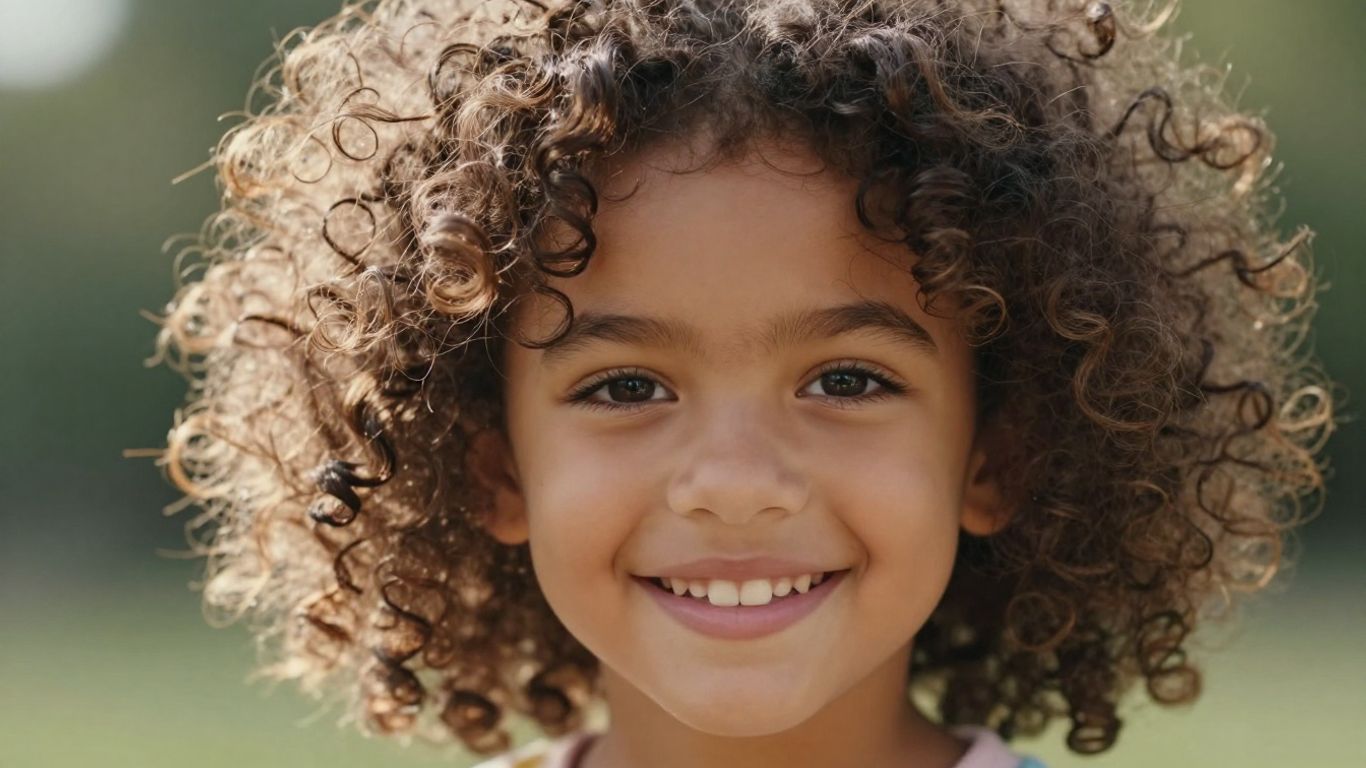
It can feel like a whole new world when you start caring for your child’s curly hair, especially if your own hair is different. What worked for you might not work for them, and that’s totally okay. The first step is just getting to know those amazing curls. They’re not all the same, and that’s part of their beauty!
Identifying Curl Patterns and Textures
Curly hair comes in so many forms, from loose waves to super tight coils. You might hear people talk about curl types, like Type 2 for waves, Type 3 for curls, and Type 4 for coils. Within those types, there are even more variations based on how tight the curl is and the hair’s thickness. Is it fine and easily weighed down, or is it coarse and holds its shape well? Paying attention to these details is key to choosing the right products and techniques. Sometimes, a stylist who specializes in ethnic hair can help you figure out exactly what you’re working with.
Here’s a quick look at some common curl types:
- Type 2 (Wavy): This ranges from loose, beachy waves (2A) to more defined, sometimes frizzy waves (2B), and thicker, coarser waves (2C).
- Type 3 (Curly): Think corkscrews! This can be looser curls the size of sidewalk chalk (3A) to tighter, springy curls the size of a Sharpie marker (3B), or even pencil-sized curls (3C).
- Type 4 (Coily/Kinky): These are the tightest curls, often with a zigzag pattern. They can be the diameter of a needle (4A) or have a less defined, zig-zag shape (4B and 4C).
The Importance of Sebum for Curly Hair
Our scalps produce a natural oil called sebum. It’s like a built-in conditioner that travels down the hair shaft, keeping it moisturized and protected. But here’s the thing with curly hair: because of the twists and turns in the hair strand, sebum has a harder time making its way from the root all the way to the ends. This means curly hair can often be drier and more prone to breakage than straighter hair types. It’s why keeping hair moisturized is such a big deal for kids with curls. You’ll want to look for products that help mimic that natural moisture, especially if your child’s hair is on the drier side. Using products specifically formulated for curly hair can make a big difference here, helping to keep those strands hydrated without stripping them dry.
Because sebum doesn’t travel down curly strands as easily, curly hair often needs extra help staying moisturized. This is why gentle cleansing and regular conditioning are so important.
Essential Products for Mixed Kids Curly Hair Care
Okay, so picking the right stuff for your kiddo’s curls can feel like a puzzle, right? It’s not like grabbing just any shampoo off the shelf. Curly hair, especially mixed hair, needs some special attention because it tends to be drier. The natural oils from the scalp just don’t travel down the hair shaft as easily with all those twists and turns.
Sulfate-Free Shampoos and Moisturizing Conditioners
First things first, ditch the harsh stuff. Shampoos with sulfates can strip away all those good natural oils, leaving hair feeling dry and looking frizzy. You want to look for shampoos that are gentle and actually add moisture back in. Think of it like giving their hair a drink of water instead of a scrub down. A good conditioner is just as important, if not more so. It helps to smooth the hair cuticle, making detangling easier and leaving curls soft and defined. Many parents have found success with curl-specific lines that really focus on hydration and bounce. For example, Shea Moisture’s Curl & Shine Shampoo is a popular choice that many rave about for its moisturizing properties.
Leave-In Conditioners and Curl Creams
After washing and conditioning, you’re not quite done. A leave-in conditioner is like a protective shield and a moisture boost all in one. It helps to keep hair hydrated throughout the day and makes combing through those tangles a lot less of a battle. Then comes the curl cream or a styling product. These help to define those beautiful curls, reduce frizz, and give them some staying power. You don’t need a ton of product; a little goes a long way. Experiment to see what gives your child’s hair the best definition without making it feel stiff or sticky. Some parents find that using a product like Miss Jessie’s Honey Harmless Gentle Wash as part of their routine helps maintain elasticity.
Refresher Sprays for Daily Maintenance
Between wash days, curls can sometimes lose their shape or get a little dry. That’s where a refresher spray comes in handy. You can buy them or even make your own with water and a little bit of conditioner or aloe vera. A quick spritz and a gentle scrunch can bring curls back to life, making them look fresh and defined without a full wash. It’s perfect for those mornings when you need a quick fix before heading out the door or for refreshing curls after a nap.
Choosing the right products is all about understanding that curly hair needs more moisture and gentleness than other hair types. It’s a learning process, and what works for one child might not work for another, so don’t be afraid to try a few different things until you find your holy grail products.
Establishing A Healthy Hair Care Routine
So, you’ve got this amazing head of curls on your little one, and now it’s time to figure out how to keep them looking their best. It might seem a bit overwhelming at first, but honestly, it’s all about finding a rhythm that works for your child’s specific hair. Think of it less like a strict set of rules and more like a gentle dance between washing, conditioning, and styling.
Optimal Washing Frequency for Curly Hair
First things first, let’s talk about washing. Curly hair, especially the kind mixed kids often have, doesn’t need to be scrubbed every single day. In fact, washing too often can actually strip away the natural oils, called sebum, that keep those curls moisturized and happy. For most curly kids, aiming for a wash once every 7 to 10 days is a good starting point. Of course, this isn’t a hard and fast rule. If your child has had a particularly messy day playing outside, or if their scalp feels oily, then a wash is definitely in order. Sometimes, you might even just need to co-wash, which means using conditioner to clean the hair instead of shampoo. This is a great way to refresh without overdoing it. If your child swims a lot, wetting their hair and applying a bit of oil before they jump in can help block out chlorine and salt water.
Gentle Detangling Techniques
Detangling can be a real challenge, right? The key here is to be super gentle. Always try to detangle when the hair is wet and has conditioner or a leave-in product in it. This helps the comb or fingers glide through much more easily. Start from the ends of the hair and work your way up towards the roots. If you hit a knot, don’t yank! Try to gently tease it apart with your fingers or a wide-tooth comb. Patience is your best friend here. You might find that using a detangling spray or a good conditioner makes a huge difference. Some parents even find that detangling a few times a week, not just on wash day, helps keep things manageable.
Moisturizing and Styling Damp Hair
After washing and detangling, you want to lock in that moisture. It’s best to style hair while it’s still damp, not soaking wet and not completely dry. This is when the curls are most receptive to products and will hold their shape best. You can apply leave-in conditioners, curl creams, or gels section by section. Gently scrunching the product into the hair can help encourage curl formation. The goal is to define those beautiful coils without making them feel stiff or crunchy. Air drying is often the best option, but if you’re in a hurry, a diffuser on a low heat setting can speed things up without causing too much frizz.
Establishing a consistent routine, even if it’s simple, makes a world of difference. It helps manage expectations for both you and your child, and over time, you’ll both get the hang of what works best for their unique hair.
Styling Techniques for Defined Curls
Okay, so you’ve got the washing and conditioning down, and your little one’s curls are clean and happy. Now comes the fun part: making those curls pop! Styling curly hair can feel like an art form, but honestly, it’s more about finding what works for your child’s specific hair type and embracing the process. We’re going to look at a few ways to get those curls looking their absolute best, from heatless options to simple braids.
Heatless Styling with Flexi-Rods and Perm Rods
These are seriously game-changers if you want defined, bouncy curls without any heat damage. Think of them as little magic wands for hair. You start with damp hair, apply your favorite curl cream or mousse – this helps give the curls shape and hold – and then you wrap small sections of hair around the rods. Roll them from the ends up to the scalp. The key here is to let them dry completely. You can leave them in overnight, or if you’re in a pinch, use a hooded dryer on a low setting. Once they’re dry, gently take them out and voilà! You’ve got gorgeous, defined curls. Perm rods come in different sizes, so you can play around with the rod thickness to get different curl sizes, from tighter coils to looser waves.
Creating Waves with Braids
This is a classic for a reason. Braids are super simple and can give you lovely, natural-looking waves. All you need to do is section your child’s damp hair and create a few loose braids. Secure the ends with a soft hair tie. You can leave these in for a few hours, or even overnight for more defined waves. When you take them out, gently shake the hair to loosen the waves. It’s a great way to manage frizz and give the hair a different texture without any fuss. This is a fantastic option for protective styles to minimize manipulation.
The Wash-and-Go Method
This one sounds simple, and it kind of is, but it requires a bit of practice to get right. The idea is to wash, condition, apply your styling products while the hair is still quite wet, and then just let it be. You’ll want to use a good leave-in conditioner and then a curl cream or gel. The trick is to really work the product through the hair, making sure every strand is coated. Then, you can gently scrunch the hair upwards to encourage the curl pattern. After that, you just let it air dry or use a diffuser on a cool setting. The goal is to touch it as little as possible once the product is in to avoid frizz.
Styling curly hair is all about enhancing what’s already there. Instead of fighting the curl, we’re working with it. Patience is key, and finding the right products that don’t weigh the hair down but still provide moisture and definition makes all the difference. Don’t be afraid to experiment a little; what works one week might need a tweak the next based on humidity or how the hair is feeling.
Here’s a quick rundown of what to do after washing:
- Apply Leave-In Conditioner: This is your first layer of moisture and helps with detangling.
- Add Curl Cream or Gel: This is where you define the curl pattern and add hold.
- Scrunch: Gently squeeze sections of hair upwards to encourage curl formation.
- Air Dry or Diffuse: Let the hair dry naturally or use a diffuser on a cool setting to speed things up without causing frizz. Remember, gentle handling is super important throughout this whole process.
Long-Term Curl Health and Maintenance
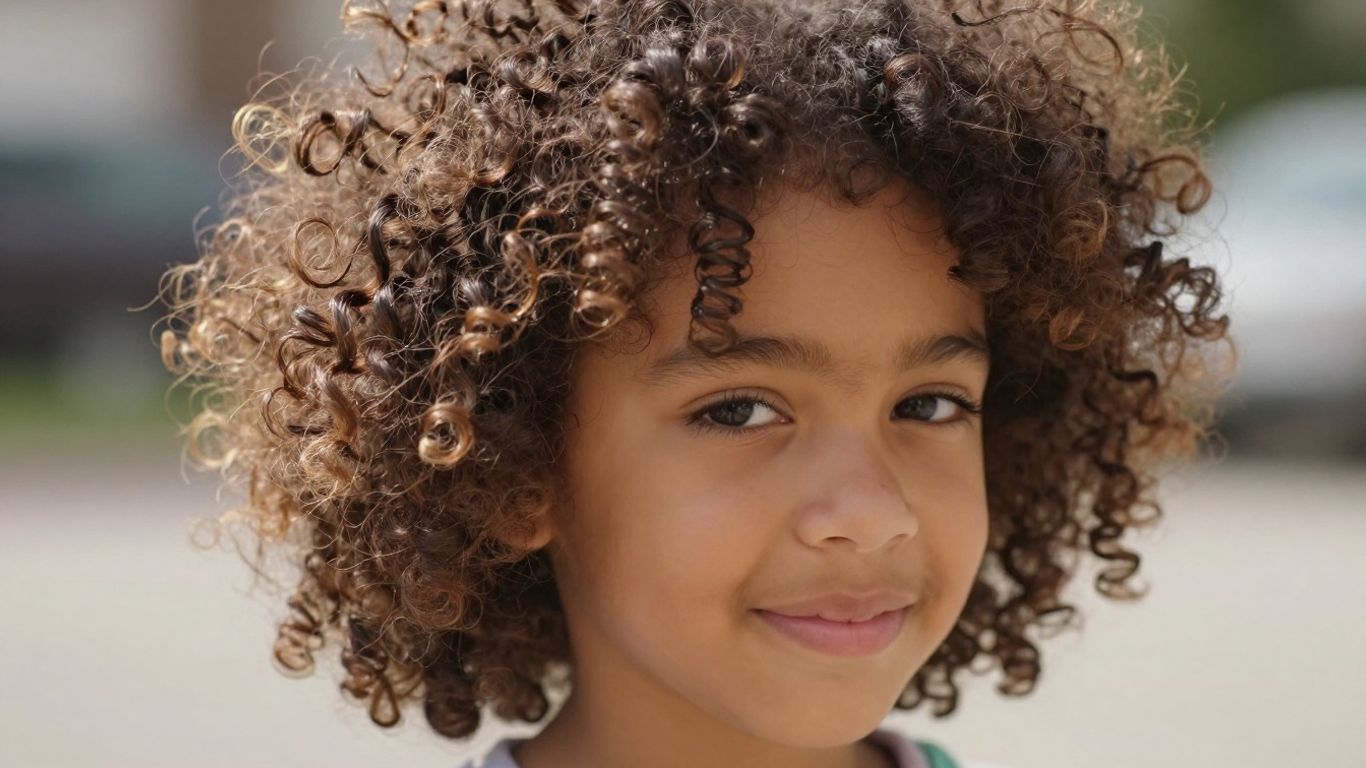
Keeping those gorgeous curls healthy and looking their best over time is all about consistency and a little bit of know-how. It’s not just about wash day; it’s about what you do day in and day out to protect and nourish those strands.
The Role of Regular Trims
Think of trims like giving your child’s hair a fresh start. Getting regular trims every few months helps get rid of split ends before they travel up the hair shaft and cause more damage. This keeps the hair looking neat and can actually help curls clump together better, giving them more definition. It might seem counterintuitive to cut hair to make it grow, but it really does help maintain overall hair health and appearance.
Protective Styles to Minimize Manipulation
Sometimes, the best thing you can do for curly hair is to give it a break from daily styling and brushing. Protective styles are perfect for this. These are styles that tuck away the ends of the hair and reduce friction and tangling. Think braids, twists, or even a simple bun. They help prevent breakage and allow the hair to retain moisture. It’s a good idea to incorporate these styles periodically, especially during busy times or when the weather is harsh.
- Braids: Simple, classic, and effective for keeping hair contained.
- Twists: Similar to braids, offering a different look and feel.
- Buns/Pineapples: Great for keeping hair up and off the shoulders, minimizing friction.
Nighttime Protection with Silk Pillowcases or Bonnets
What happens while your child sleeps can have a big impact on their curls. Cotton pillowcases can snag on curls, causing frizz and breakage overnight. Switching to a silk or satin pillowcase, or using a silk bonnet or scarf, creates a smoother surface for the hair to rest on. This helps to keep curls intact, reduce frizz, and retain moisture. It’s a simple change that makes a noticeable difference in morning hair.
Keeping curls hydrated is key. Curly hair naturally has a harder time retaining moisture because of its structure. Using products with natural oils can help seal in that much-needed hydration and protect the hair fibers. Look for ingredients that nourish and moisturize without weighing the hair down. Natural oils can be a game-changer for keeping curls soft and manageable.
It might take a little trial and error to find what works best for your child’s specific curl type, but sticking with these long-term strategies will definitely pay off in healthier, happier curls.
Common Mistakes To Avoid In Curly Hair Care
Okay, so we’ve talked about all the great things to do for your child’s curls, but let’s get real for a second. There are definitely some common slip-ups that can really set back all your hard work. It’s easy to fall into these traps, especially when you’re still figuring things out.
Over-Washing and Stripping Natural Oils
This is a big one. Curly hair is naturally drier than straight hair because the scalp’s natural oils, called sebum, have a harder time traveling down the coiled strands. Washing too often, especially with shampoos that have harsh sulfates, just strips away what little moisture the hair has. This leaves curls looking dull, frizzy, and feeling brittle. Think about it: if you’re constantly washing out the good stuff, there’s nothing left to keep those curls happy and defined. Most parents find that washing just once or twice a week is plenty, sometimes even less, depending on the child’s activity level and hair type. It’s about finding that sweet spot where the hair is clean but not parched. If you’re noticing a lot of dryness or frizz right after washing, you might be washing too frequently or using the wrong kind of shampoo. It’s worth looking into gentle shampoos for curly hair that are specifically designed to clean without stripping.
Excessive Use of Heat Styling Tools
I know, I know, sometimes you want those super sleek looks or quick drying. But using hot tools like blow dryers (even with a diffuser on high heat), curling irons, or straighteners regularly can be seriously damaging. The heat can break down the hair’s protein structure, leading to breakage, split ends, and a loss of curl pattern. It’s like frying your hair! If you absolutely must use heat, always, always use a heat protectant spray and opt for the lowest heat setting possible. Air drying or using heatless styling methods are much kinder to delicate curls. Sometimes, even a diffuser on a cool setting can make a big difference without the damaging heat.
Neglecting Consistent Moisturization
This ties back to over-washing, but it’s worth its own point. Curly hair craves moisture. If you’re not consistently giving it the hydration it needs, you’re going to end up with dry, unmanageable hair. This means more than just a quick rinse-out conditioner. You need to be thinking about leave-in conditioners, curl creams, and even regular deep conditioning treatments. Applying products to damp hair is key, as it helps seal in that moisture. Skipping this step, or using products that don’t actually moisturize, means your child’s curls will likely lose definition and become prone to frizz. It’s a cycle that’s hard to break once it starts, and it can really impact the overall health and appearance of their hair. Consistent moisture is the secret sauce for happy curls, and it helps prevent issues like curl definition loss.
It’s really about being mindful of what your child’s hair needs on a daily basis. Think of it like feeding a plant – it needs regular water and the right kind of soil. Curly hair is similar; it needs consistent hydration and the right kind of products to thrive. Skipping steps or using the wrong things can lead to problems that are harder to fix later on.
Wrapping It All Up
So, we’ve talked a lot about curly hair, right? It can seem like a lot at first, especially if you’re new to it. But honestly, it’s more about getting to know your child’s specific hair and finding what makes it happy. Don’t get discouraged if a product or method doesn’t work right away. Keep experimenting, maybe chat with other parents or even a stylist who really gets curly hair. The main thing is to be patient and enjoy the process. You’ll figure out a routine that works for your family, and seeing those happy, healthy curls bounce? Totally worth it.
Frequently Asked Questions
Why is my child’s curly hair different from mine?
Curly hair has coils that make it harder for natural oils from your scalp to travel down the hair strand. This means curly hair can get dry and break more easily than straight hair. It needs special products and gentle handling.
How often should I wash my child’s curly hair?
Washing curly hair too often can strip away its natural oils, making it dry and frizzy. Most kids with curly hair only need to wash it once a week, or even every 7 to 10 days. If their hair gets dirty from swimming or playing, you might need to wash it more, but try using just conditioner sometimes (called co-washing) to keep moisture.
What kind of shampoo and conditioner should I use?
Look for products labeled ‘sulfate-free.’ Sulfates are harsh cleaning agents that can dry out curly hair. Instead, choose shampoos and conditioners that are made to add moisture and help define curls. Many brands have lines specifically for kids with curly hair.
How can I detangle my child’s curly hair without causing pain or breakage?
Always detangle when the hair is wet and has conditioner in it. Use your fingers or a wide-tooth comb. Start from the ends of the hair and gently work your way up to the roots. Be patient and take your time to avoid pulling or breaking the curls.
What are some good ways to style curly hair without using heat?
There are many great heat-free options! You can use flexi-rods or perm rods to create defined curls overnight. Braiding the hair can also create lovely waves. The ‘wash-and-go’ method, where you apply styling products to wet hair and let it air dry, is also popular for defining natural curls.
Why is it important to protect curly hair at night?
Cotton pillowcases can soak up moisture from curly hair, making it dry and frizzy by morning. Using a silk or satin pillowcase, or having your child wear a silk bonnet or scarf to bed, helps keep the hair’s moisture in and reduces tangles and breakage.