So, you’ve got mixed hair, and wash day feels like a whole production? Yeah, I get it. Trying to figure out what your curls need can be a real puzzle, especially when different textures are involved. This guide is all about making your mixed hair wash day routine simpler and way more effective. We’ll break down how to get those healthy, hydrated curls you’re dreaming of, without all the fuss.
Key Takeaways
- Understand your mixed hair’s unique curl patterns and porosity to choose the best products and methods.
- Prep your hair properly before washing by detangling gently and considering pre-poo treatments.
- Cleanse your hair effectively by balancing clarifying and moisturizing shampoos, and learn how often to wash.
- Deep condition and hydrate your curls to boost strength and moisture, using leave-in conditioners and other methods.
- Style and dry your hair with techniques that encourage definition and minimize frizz for long-lasting results.
Understanding Your Mixed Hair Texture
Let’s be real, mixed hair can throw you curveballs—sometimes you’ll find tight spirals, loose waves, and even straight strands all in one head. Figuring out your unique combo is the first big step to loving your wash day process.
Identifying Curl Patterns and Porosity
Every curl story is different, especially with mixed hair. Your head might have coils near the nape, loose curls at the crown, and maybe even straighter pieces around the temples. Curl patterns range from 2A (slight wave) to 4B/C (tight coils), so grab a mirror and section out your hair to spot the variety.
Porosity—how well your hair takes in and holds water—matters almost as much as pattern. Here’s a quick way to check:
- Clean a strand of shed hair, then place it in a glass of water.
- If it sinks quickly, you have high porosity. If it floats, it’s low. Somewhere in between? Medium porosity.
- This tells you a lot about which products will actually help your hair stay soft and hydrated.
| Curl Pattern | Texture Example | Common Needs |
|---|---|---|
| 2A–2C | Loose waves | Lightweight moisture & frizz control |
| 3A–3C | Springy curls | Hydration, curl definition |
| 4A–4C | Tight coils | Deep moisture, breakage prevention |
It’s totally normal if your head has more than one curl type—it just means you’ll need a few approaches for your best hair days.
Choosing Products That Fit Multiple Textures
Mixed hair rarely plays by one set of rules, so it’s no shock you may need a mix of products. Here’s what helps keep things simple:
- Start light: Go with leave-ins and creams before trying heavier butters and oils.
- Focus on moisture: Hydrating conditioners, detangling sprays, and gentle shampoos are go-tos.
- Adjust by section: Sometimes the crown wants lightweight gel, and the ends need extra butter.
- Don’t be afraid to experiment—some drugstore finds can work better than pricey products. If you’re shopping, look for sulfate-free or gentle options, which you can find in the discussion on affordable hair care solutions.
How Genetics and Routine Affect Results
Genetics plays a huge role in not just how your curls form, but how fast your hair grows, how thick it is, and even how easily it breaks. A lot of people expect to outmaneuver their genes with products, but sometimes, the real trick is in the routine.
Your wash day plan—how often you cleanse, hydrate, and protect—shapes your results more than you think.
- Switch up products as your hair changes with age, seasons, or even just hormones.
- Introduce a new conditioner or styling cream if your hair suddenly feels dry or limp.
- Stay consistent with protective styles, especially overnight or when the weather is dry.
If you want the science behind why type and texture mean so much for your routine, check out the difference between hair type and texture and how those details may affect your product picks.
Some things you can’t change, but with the right mix of techniques and products, you’ll get the healthiest version of your curls.
Essential Prep Steps Before Washing
Before you even think about reaching for the shampoo bottle, taking a few moments to prep your mixed hair can make a world of difference. This isn’t just about getting your hair ready to be washed; it’s about setting the stage for healthier, more manageable curls throughout your entire routine. Think of it as the crucial groundwork that prevents problems down the line.
Gentle Detangling for Less Breakage
Trying to detangle dry, curly hair, especially mixed textures with varying curl patterns, is a recipe for breakage. It’s like trying to untangle a knotted ball of yarn without any slip – frustrating and damaging. The key is to detangle when your hair has maximum slip.
Here’s how to do it right:
- Start with damp hair: Never try to detangle completely dry curls. Lightly mist your hair with water or a leave-in conditioner spray.
- Use your fingers first: Your fingers are the gentlest detangling tool. Work through your hair section by section, starting from the ends and gently moving upwards towards the scalp.
- Follow with a wide-tooth comb: Once you’ve worked out the major knots with your fingers, use a wide-tooth comb. Again, start at the ends and work your way up. If you hit a snag, don’t force it; go back to your fingers to gently loosen the knot.
- Be patient: This step shouldn’t feel rushed. Take your time, especially if you have a lot of hair or tighter curl patterns.
The Importance of Pre-Poo Treatments
A pre-poo, or pre-shampoo treatment, is a game-changer for mixed hair. It’s essentially a conditioning treatment you apply before you shampoo. Why bother? Because shampoo, even the most moisturizing kind, can strip your hair of its natural oils. A pre-poo acts as a protective barrier, helping to retain moisture and reduce that stripped feeling. It’s especially beneficial if you use clarifying shampoos occasionally or have drier curl types.
Some popular pre-poo options include:
- Oils: Coconut oil, olive oil, jojoba oil, or a blend of your favorite hair oils. Massage it into your scalp and through your strands.
- Conditioners: A generous amount of your regular conditioner or a dedicated deep conditioner can work wonders.
- Natural ingredients: Think aloe vera gel or avocado masks.
Apply your chosen pre-poo treatment to dry or damp hair, focusing on the mid-lengths and ends. You can leave it on for 15-30 minutes, or even longer if you have the time. Some people like to cover their hair with a shower cap and apply gentle heat for a deeper treatment. This step really helps to prepare your hair for the cleansing process, making it softer and more pliable. A good pre-poo can make a big difference in how your hair feels after washing [b092].
Protecting Hair During Take Down of Styles
If you wear protective styles like braids, twists, or buns, taking them down gently is part of your prep. Ripping through these styles can cause significant breakage and tangles. The goal is to release the hair without causing stress.
- Work in sections: Don’t try to take down your entire style at once. Focus on one section at a time.
- Use a detangling spray or water: Lightly mist the area you’re working on to add slip.
- Unwind carefully: For twists, gently unwind them. For braids, carefully unravel them, starting from the ends.
- Finger detangle as you go: As you release each piece of hair, use your fingers to gently separate any tangles before they have a chance to become major knots. This is where patience really pays off, preventing damage before you even start your wash.
Taking these few extra steps before washing might seem like a lot, but they truly set your mixed hair up for success. It’s about being proactive, protecting your strands, and making sure your wash day is as smooth and effective as possible. Your curls will thank you for it!
Cleansing Your Curls the Right Way
Okay, so we’ve prepped our hair, detangled, and maybe even done a pre-poo. Now comes the actual washing part, and for mixed hair, this can be a bit of a balancing act. You want to get your scalp clean without stripping all the good stuff from your strands. It’s all about finding that sweet spot.
Balancing Clarifying and Moisturizing Shampoos
This is where things get interesting. Mixed hair often has different needs from root to tip, and even from one section to another. Some days, your scalp might feel a little oily or have product buildup, calling for a clarifying shampoo. These are great for a deep clean, but you can’t use them all the time, or they’ll leave your hair feeling like straw. On the flip side, most of the time, you’ll want to reach for a moisturizing or sulfate-free shampoo. These are much gentler and help keep your hair hydrated.
Here’s a little cheat sheet:
- Clarifying Shampoo: Use sparingly, maybe once a month or when you notice significant buildup. It’s like a reset button for your hair.
- Moisturizing/Sulfate-Free Shampoo: This should be your go-to for regular washes. Look for ingredients like glycerin, aloe vera, or natural oils.
- Co-Wash (Conditioner Washing): For some, especially those with very dry or delicate curls, skipping shampoo altogether and just using conditioner to cleanse might be the way to go. It’s super gentle.
Remember, your hair’s needs can change based on the weather, styling products you’ve used, and even hormones. Pay attention to how your hair feels after washing to figure out the best balance for you.
How Often to Wash Mixed Hair
This is a question I get asked all the time, and honestly, there’s no single answer that fits everyone. It really depends on your hair’s texture, how oily your scalp gets, and your lifestyle. If you have finer, straighter sections, they might get oily faster than tighter, coily parts. People who work out a lot or use a lot of styling products might need to wash more frequently.
- Oily Scalp/Fine Hair: You might find yourself washing 2-3 times a week.
- Dry Scalp/Coarser Curls: Once a week, or even every 10 days, might be plenty.
- Listen to Your Hair: If your hair feels weighed down, itchy, or just… off, it’s probably time for a wash. If it feels clean and hydrated, you can probably stretch it a bit longer. A good starting point for many is washing once a week.
Tips for a Healthy, Flake-Free Scalp
A healthy scalp is the foundation for healthy curls. Flakes can be caused by dryness, product buildup, or even just not rinsing your shampoo out properly. Make sure you’re giving your scalp some love during your wash.
- Massage Gently: When you shampoo, use the pads of your fingers (not your nails!) to gently massage your scalp. This helps loosen any flakes and stimulates blood flow.
- Rinse Thoroughly: This is super important. Spend an extra minute or two rinsing out your shampoo and conditioner. Product residue is a major culprit for scalp issues.
- Consider a Scalp Scrub: Once in a while, a gentle scalp scrub can help remove dead skin cells and buildup. Just be sure it’s not too harsh for your hair type.
- Water Temperature Matters: Stick to lukewarm water. Hot water can strip your scalp and hair of natural oils, while cold water might not cleanse as effectively. Lukewarm water is ideal for maintaining hair health.
Condition and Hydrate for Maximum Curl Health
Okay, so after all that cleansing, your hair is probably feeling a little stripped, right? That’s totally normal. Now it’s time to give it some serious TLC. This is where we focus on getting those curls soft, strong, and ready to bounce.
Deep Conditioning for Strength and Moisture
Think of deep conditioning as a super-powered treatment for your hair. It’s not just a regular conditioner; it’s packed with more goodies to really get in there and do some work. For mixed hair textures, this step is non-negotiable. You’ve got different curl types going on, and they all need a good dose of hydration and strength.
- Why it’s a big deal: Deep conditioners have smaller molecules that can penetrate the hair shaft better than regular conditioners. This means they can deliver moisture and nutrients deeper into your hair, making it stronger and less likely to break.
- What to look for: Ingredients like shea butter, avocado oil, argan oil, and hydrolyzed proteins are your friends here. They help to repair damage and add elasticity.
- How often? Aim for a deep condition at least once a week, maybe more if your hair is feeling particularly dry or has been through a lot (like heat styling or chemical treatments).
This is the part where you really give your hair a treat. Don’t rush it. Let that conditioner sit for a good 10-20 minutes, maybe even longer if you have the time. Using a shower cap helps trap heat, which opens up the hair cuticle and lets all those good ingredients soak in.
Detangling While Conditioning
This is a game-changer, seriously. Trying to detangle dry, mixed hair is a recipe for breakage and frustration. Doing it when your hair is coated in conditioner is like sliding through silk.
- Apply generously: Make sure your hair is saturated with your deep conditioner or a good rinse-out conditioner.
- Start from the ends: Gently work your fingers or a wide-tooth comb through your hair, starting at the very tips and slowly moving upwards towards the roots.
- Be patient: If you hit a knot, don’t yank. Try to gently tease it apart with your fingers. This is where the conditioner’s slip really comes in handy.
- Section it out: For really stubborn tangles, working in smaller sections can make a world of difference.
This process not only removes knots but also helps distribute the conditioner evenly, ensuring every single curl gets some love. It’s a much gentler way to handle your hair, especially when it’s wet and more fragile.
Leave-In Conditioners and Hydration Methods
After rinsing out your deep conditioner, you’re not done yet! Leave-in conditioners are like a protective shield and a continuous hydration boost. They help keep your hair moisturized between washes and make styling a lot easier.
- Application: Apply leave-in conditioner to damp hair. This is key because water helps the product spread more evenly and absorb better. You can use your hands, a spray bottle, or even a brush designed for wet hair.
- LOC Method: A popular technique is the LOC method: Leave-in conditioner, Oil, then Cream. This layering helps to seal in moisture effectively. You apply the leave-in first, then a light oil to help it penetrate, and finally a cream to seal everything in. It’s a great way to lock in hydration for longer.
- Other methods: Some people swear by the LCO method (Leave-in, Cream, Oil), which can work well too, especially if your hair tends to be drier. Experiment to see what your mixed hair texture prefers. You might find that certain sections need more moisture than others, so don’t be afraid to adjust.
Using a good hydrating conditioner as part of this routine can make a noticeable difference in how soft and manageable your hair feels throughout the week.
Styling Strategies for Defined, Bouncy Curls
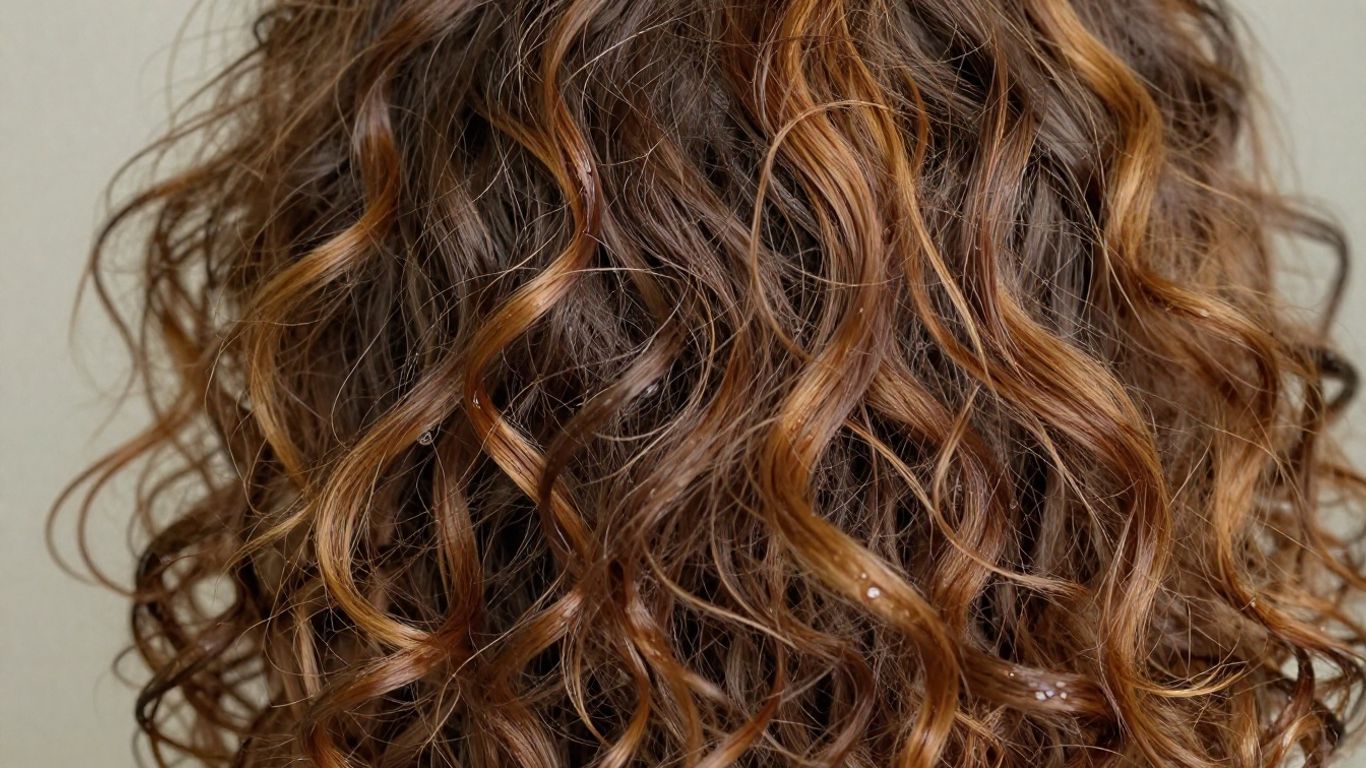
So, your hair is washed, conditioned, and now it’s time for the fun part: styling. This is when your curls can really show off their shape—if you know how to work with them. Mixed textures sometimes mean carefully finding what makes each section happy. Whether you’re brand new to styling your curls or you’re tired of lackluster results, these tips can help your curls pop without feeling crunchy, weighed down, or dry.
Layering Leave-In, Oil, and Cream (LOC Method)
The LOC Method is tried and true for a reason. You layer leave-in, then oil, then cream to keep moisture inside each strand.
- Start with a leave-in conditioner—this is your main base to give slip and moisture. Make sure your hair is damp (not soaking wet, not dry) to help the product spread evenly.
- Next up, smooth a small amount of lightweight oil through your hair. This sets a seal on the leave-in—try argan or jojoba oil for a light option that won’t weigh your curls down.
- Finally, rake or scrunch a curl-defining cream through your hair. A nourishing styling cream can boost curl bounce and hold without making curls stiff (styling cream enhances curl definition).
Keep in mind: less is usually more. Heavy-handed product application can lead to limp, greasy curls, so build up slowly.
Using Gels and Curl Custards Without Crunch
Nobody wants helmet hair. The trick with gel or custard is in the technique and amount:
- Use a small dime-to-quarter-sized dollop per section and smooth it from roots to ends (focusing more on mid-lengths and ends).
- Opt for gels or custards described as flexible hold or soft hold instead of extra strong types.
- Scrunch after you apply — and once your hair is dry, "scrunch out the crunch" to break any hard cast.
| Product Type | Best For | Watch Out For |
|---|---|---|
| Light gel | Fine/loose curls | Flakes if overused |
| Curl custard | Mixed/medium curls | Crunch if too much |
| Soft hold mousse | Volume, root lift | Drying with alcohol |
Sometimes, a little trial and error is the only path to discovering the perfect combo for your mix of waves, curls, or coils. If your first try feels off, change just one product or the application method next time.
Techniques for Clumping and Enhancing Definition
Defined curls don’t just happen on their own—especially with mixed textures. These techniques make clumping and definition more likely:
- Scrunching: After applying products, cup your hair in your hands and gently scrunch upwards. This boosts bounce and helps your curls cluster (scrunching to enhance curl formation).
- “Praying hands” method: Smooth product over your hair by flattening sections between your palms, letting the natural curl shape set in.
- Finger coiling: For stubborn sections, twist small curls around your finger to guide their natural curl pattern.
- Avoiding over-touching: Once styled, leave your hair alone as much as possible while it sets. Touching can lead to frizz and undo all that careful definition work.
If you notice weak areas where your curls flatten out, spot-treat those areas with a bit more product and targeted finger coiling. It’s truly a process of learning what each section of your hair likes best.
And honestly, some days it all comes together like magic, other days your definition just isn’t there. That’s normal—just keep playing around until you land on what gives your curls the most bounce and definition!
Drying and Setting Your Wash Day Results
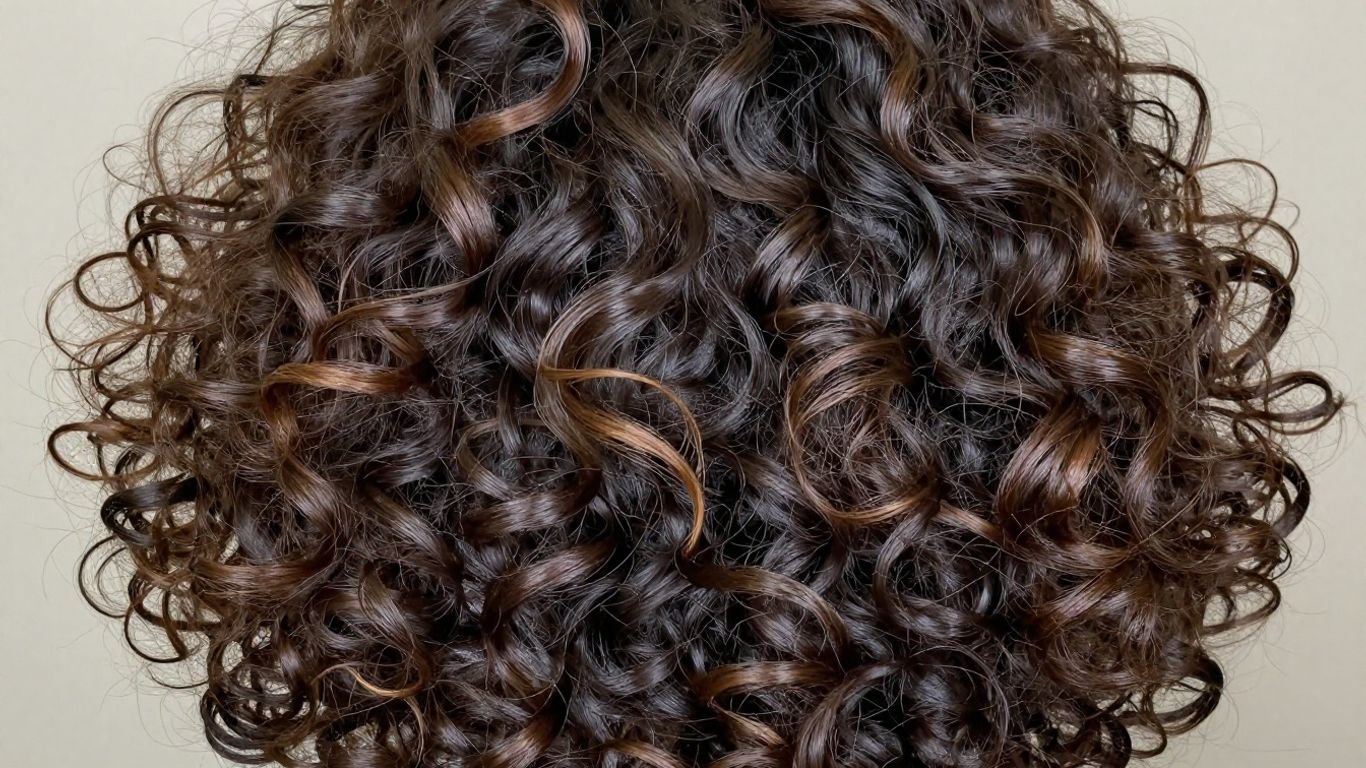
Okay, so you’ve cleansed, conditioned, and maybe even done a deep treatment. Now comes the part where we get those curls to actually look like something: drying and setting. This is where a lot of the magic happens, but also where things can go sideways if you’re not careful. The goal here is to dry your hair in a way that minimizes frizz and maximizes definition.
Air Drying Versus Diffusing
So, what’s the deal? Air drying is super simple. You just let your hair do its thing. It’s great because it’s gentle and doesn’t require any extra tools. However, it can take a while, and sometimes your curls might not set as nicely, leading to a bit more frizz. On the flip side, diffusing uses a hairdryer with a special attachment to gently dry your curls. It speeds things up and can really help set your curl pattern, giving you more volume and definition. It takes a bit of practice to get the hang of it without creating a frizz-fest, though.
Here’s a quick rundown:
- Air Drying:
- Pros: Gentle, no extra tools needed, good for low-porosity hair.
- Cons: Takes a long time, can sometimes result in less definition or more frizz.
- Diffusing:
- Pros: Faster drying time, can boost volume and definition, helps set curls.
- Cons: Requires a diffuser attachment, can cause frizz if done incorrectly, uses heat.
Preventing Frizz While Drying
Frizz is the enemy of defined curls, right? To keep it at bay, try to touch your hair as little as possible while it’s drying. If you’re diffusing, use a low heat and low speed setting. Hover the diffuser around your hair or gently cup sections of curls to dry them. Avoid shaking your head around wildly. Some people swear by plopping their hair in a microfiber towel or t-shirt for a bit before diffusing or air drying to absorb excess water without causing friction. This helps your curls clump together nicely.
Remember, the less you disturb your curls while they’re in the process of drying and setting, the better they’ll look. Patience is key, even when you’re in a hurry.
Tips for Long-Lasting Curl Hold
Want your curls to last beyond wash day? It’s all about how you set them. After applying your styling products, try techniques like scrunching to encourage curl formation. If you’re diffusing, make sure you dry your hair completely, or at least until it’s about 80-90% dry, and then let it finish air drying. Once your hair is fully dry, you can do a final scrunch to break any cast left by gels or mousses. This step is super important for getting soft, bouncy curls instead of stiff ones. For extra hold, consider using a light hairspray designed for curls once your hair is completely dry. A good leave-in conditioner applied before styling can also make a difference in how well your curls hold their shape throughout the week.
Maintaining Your Curls Between Wash Days
Okay, so wash day is done, and your curls are looking amazing. But how do you keep them that way until the next time you wash? It’s all about smart strategies to keep them fresh and hydrated without having to start from scratch every single day.
Refreshing Curls Without Rewashing
When your curls start to lose their bounce or get a little frizzy mid-week, you don’t always need a full wash. The trick is to dampen, not soak. Grab a spray bottle filled with water, maybe with a tiny bit of your favorite leave-in conditioner mixed in, and lightly mist the areas that need a pick-me-up. Gently scrunch your hair upwards to encourage the curl pattern to reform. This simple step can bring your curls back to life and make them look almost as good as they did on wash day. It’s a great way to extend the life of your style and keep your hair looking its best.
Nighttime Protection: Bonnets, Scarves, and Pineappling
This is seriously one of the most important things you can do. Sleeping can really mess with your curls, causing frizz and flattening. To avoid this, try a few different methods. You can wear a satin or silk bonnet, which keeps your hair contained and reduces friction. Another option is to wrap your hair in a silk scarf. Or, for a less constricting method, try ‘pineappling.’ This involves loosely gathering your hair on top of your head with a soft scrunchie, like a pineapple. This simple act of protection overnight makes a huge difference in preserving your curl definition. Using a satin pillowcase is also a good idea if you don’t like wearing head coverings.
Hydration Boosts and Quick Moisturizing Tricks
Sometimes, your curls just feel dry, no matter what you do. Between washes, you can give them a little extra love. Besides the refreshing mist mentioned earlier, consider a lightweight curl refresher spray. You can even create your own by mixing water with a bit of aloe vera gel or a light oil. If you find your ends are particularly dry, a tiny bit of hair oil or a curl cream can be smoothed over them. Just remember, a little goes a long way; you don’t want to weigh your hair down. Keeping a small spray bottle handy is a game-changer for those moments your hair needs a little boost.
Wrapping It All Up
So, there you have it! Taking care of mixed hair might seem like a puzzle sometimes, but it’s really about finding that sweet spot where your curls feel happy and healthy. Don’t be afraid to experiment a little to see what products and steps make your hair sing. Remember, consistency is key, but so is being gentle with your gorgeous locks. Your hair journey is unique, so enjoy the process of discovering what makes your curls thrive. Happy washing!
Frequently Asked Questions
What does ‘mixed hair’ mean?
Mixed hair, often called biracial or multi-textured hair, is hair that has a combination of different curl patterns and textures. This can happen because of different genes from parents, leading to hair that might be wavy in some spots, curly in others, and maybe even straight in a few places. It’s like having a little bit of everything!
How often should I wash my mixed hair?
It’s best to wash mixed hair about once a week, or even less if your hair doesn’t get too oily or dirty. Washing too often can dry out your curls. If your scalp feels oily or itchy, you might need to wash it more, but always use gentle shampoos.
What’s a ‘pre-poo’ treatment?
A ‘pre-poo’ is short for ‘pre-shampoo treatment.’ It’s like giving your hair a little spa treatment before you wash it. You apply oils, conditioners, or masks to your dry hair before shampooing. This helps protect your hair from getting stripped of its natural oils during washing, making it softer and less likely to break.
Why is detangling important, and how should I do it?
Detangling is super important for mixed hair because it helps prevent breakage and keeps your curls from getting tangled into knots. Always detangle when your hair is wet and has conditioner in it. Use a wide-tooth comb or your fingers, and start from the ends, working your way up to the roots. Be gentle!
What is the LOC method?
The LOC method is a way to keep your curls moisturized. LOC stands for Leave-in conditioner, Oil, and Cream. You apply these products in that order to damp hair. The leave-in conditioner adds moisture, the oil seals it in, and the cream helps define your curls and keep them from getting frizzy. It’s like a triple-layer of hydration!
How can I make my curls last longer between washes?
To keep your curls looking good between washes, try refreshing them with a spray bottle filled with water and a little leave-in conditioner. You can also protect your curls at night by wearing a satin bonnet or scarf. This helps prevent frizz and keeps your style intact.