So, you’re thinking about protective hairstyles? It’s a big topic, especially if you’re trying to keep your natural hair healthy and maybe grow it out a bit. These styles aren’t just about looking good; they actually help shield your hair from damage and make daily routines way easier. We’re going to look at some stats, see what’s popular, and figure out how to do it right so your hair stays happy and healthy.
Key Takeaways
- Protective styles shield hair ends from damage, friction, and daily wear, which is super important for preventing breakage and retaining length, especially for natural hair types.
- The market for protective style products, like extensions and wigs, has seen significant growth, driven by trends in natural hair care and cultural expression.
- Popular options like box braids, knotless braids, twists, and cornrows offer different benefits, from durability to gentleness, making them suitable for various lifestyles and hair needs.
- Proper maintenance, including scalp care, regular washing, and avoiding overly tight installations, is vital to prevent damage and ensure hair health during protective styles.
- While protective styles don’t directly grow hair, they create the ideal conditions for healthy growth by minimizing breakage and preserving moisture, leading to visible length retention.
Understanding Protective Styles and Their Impact
The Purpose and Power of Protective Styles
So, what exactly are protective styles? At their core, they’re hairstyles designed to shield your hair, especially the delicate ends, from everyday wear and tear. Think of it as giving your hair a vacation from constant manipulation, heat, and environmental stressors. The main goal is to minimize breakage and dryness, allowing your hair to retain length as it grows. This is super important because hair typically grows about half an inch a month, but if the ends are constantly breaking off, you’ll never see that progress. Protective styles tuck those ends away, keeping them safe from friction with clothing, harsh weather, and excessive styling.
Why Protective Styles Are Essential for Natural Hair
For those with natural, curly, or coily hair textures (often referred to as Type 3 and Type 4 hair), protective styles can be a game-changer. These hair types can be more prone to dryness and breakage due to the way the curl pattern forms, making it harder for natural oils from the scalp to travel down the hair shaft. Protective styles help by:
- Reducing the need for frequent heat styling.
- Minimizing tangles and knots that can lead to breakage.
- Protecting fragile strands from environmental damage.
- Helping to lock in moisture, which is key for elasticity.
While they don’t actually make your hair grow faster from the root, they are incredibly effective at helping you keep the length you achieve. It’s all about preventing damage so your hair can reach its full potential. This is why many people turn to them when they’re trying to grow their hair out.
What Constitutes a Protective Style?
Basically, any style that tucks away your ends and reduces manipulation can be considered protective. This includes a wide range of options, from braids and twists to buns and wigs. The key is that the style limits exposure of the hair’s ends to things that can cause damage. Some common examples include:
- Box braids
- Cornrows
- Twists (like flat twists or two-strand twists)
- Bantu knots
- Wigs and sew-ins
- Faux locs
It’s important to remember that not all protective styles are created equal, and how they are installed matters a lot. Styles that are too tight can cause more harm than good, leading to scalp pain or even hair loss along the hairline. Finding a style that works for your lifestyle and hair type, and ensuring it’s installed gently, is key to reaping the benefits without the drawbacks. You want to protect your hair, not stress it out!
Protective Hairstyle Statistics: Market Trends and Growth
Market Trends Driving the Protective Style Boom
The world of hair is definitely buzzing about protective styles right now. It feels like everywhere you look, people are rocking braids, twists, or rocking a fabulous wig. And it’s not just a fleeting trend; the numbers show this is a serious market shift. We’re seeing an annual increase of about 8% in the demand for products and services related to protective styling, according to recent industry reports from 2025. This growth isn’t just about looking good, though. It’s deeply tied to people wanting healthier hair and embracing styles that require less daily fuss. This boom is fueled by a growing appreciation for natural hair textures and cultural expression.
Global Demand for Protective Style Products
It’s not just a local thing either; the demand for protective style products is going global. Think braiding hair, human hair wigs, and crochet extensions – sales for these items have jumped by over 23% annually since 2020. This surge is largely thanks to the natural hair movement gaining serious momentum and a wider acceptance of diverse beauty standards. People are actively searching for terms like "knotless braids," "crochet hairstyles," and "protective style maintenance," especially among younger consumers who are really focused on self-expression and keeping their hair healthy. It’s clear that people are investing in solutions that work for their hair type and lifestyle. You can find some great options for natural hair care solutions designed specifically for textured hair.
Search Trends and Consumer Demographics
When you look at what people are actually searching for online, it paints a clear picture. Keywords related to protective styles have seen consistent growth. This isn’t surprising when you consider who’s driving these trends. Gen Z and millennial consumers are particularly active in this space. They’re not just looking for a quick style; they’re seeking out information on how to maintain their hair health while rocking these protective looks. They want styles that are versatile, allow for self-expression, and, importantly, support their hair’s long-term well-being. It’s a smart consumer base that’s doing their research.
The shift towards protective styling is more than just a fashion statement; it represents a conscious choice by consumers to prioritize hair health, reduce breakage, and embrace styles that align with their cultural identity and personal aesthetic. This has created a dynamic and expanding market for innovative hair solutions.
Popular Protective Styles and Their Benefits
When you’re looking to give your natural hair a break from daily styling and manipulation, protective styles are the way to go. They’re not just about looking good, though that’s a big part of it! These styles are designed to shield your ends, reduce breakage, and help your hair retain moisture, which is super important for length retention. There are tons of options out there, and the best one for you really depends on your lifestyle, hair type, and what you’re trying to achieve.
Box Braids: Durability and Versatility
Box braids are a classic for a reason. They’re created by dividing the hair into square or box-shaped sections before braiding. This style is known for its longevity, often lasting anywhere from six to eight weeks with proper care. They offer incredible versatility; you can wear them long, short, thick, thin, or even add color. Because your ends are tucked away, they significantly reduce manipulation and protect against environmental damage. Many people find that box braids are a great way to manage their hair during busy periods.
Knotless Braids: Gentle and Natural
Knotless braids are a more recent, but incredibly popular, evolution of traditional box braids. The main difference is that the braiding hair is fed in gradually, starting with your natural hair. This means there’s no knot at the scalp, making them much gentler and reducing tension. This is a huge plus if you’re prone to headaches or traction alopecia. They tend to lay flatter and look more natural, blending seamlessly with your own hair. Plus, they often feel lighter and are easier to take down than traditional braids.
Twists and Cornrows: Low Maintenance Options
Twists, like two-strand twists or passion twists, are fantastic for a more natural look and can be quite low maintenance. They offer a good balance of protection and style, allowing for easy access to the scalp for moisturizing. Cornrows are another excellent low-maintenance choice, keeping the hair sleek and close to the scalp. They’re perfect for active individuals or for those who prefer a very neat appearance. Both styles can be worn for several weeks, offering a break for your natural strands.
Wigs, Sew-ins, and Crochet Braids
These options offer a different kind of protection and versatility. Wigs allow you to completely cover your natural hair, giving it a full break from styling and manipulation. High-quality wigs, especially those with lace fronts, can look incredibly natural. Sew-ins involve sewing wefts of hair onto braided natural hair, adding length and volume while protecting the hair underneath. Crochet braids use pre-looped extensions that are crocheted into cornrows, offering a quick way to achieve styles like braids or twists without the long installation time. The ability to access your scalp for cleansing and moisturizing is a major benefit for all three.
Choosing the right protective style is all about balancing protection, style, and your hair’s specific needs. It’s not a one-size-fits-all situation, and what works wonders for one person might not be ideal for another. Always consider the tension, the products you’ll use, and how long you plan to keep the style in. Your scalp will thank you for it!
Maximizing Length Retention with Protective Styling
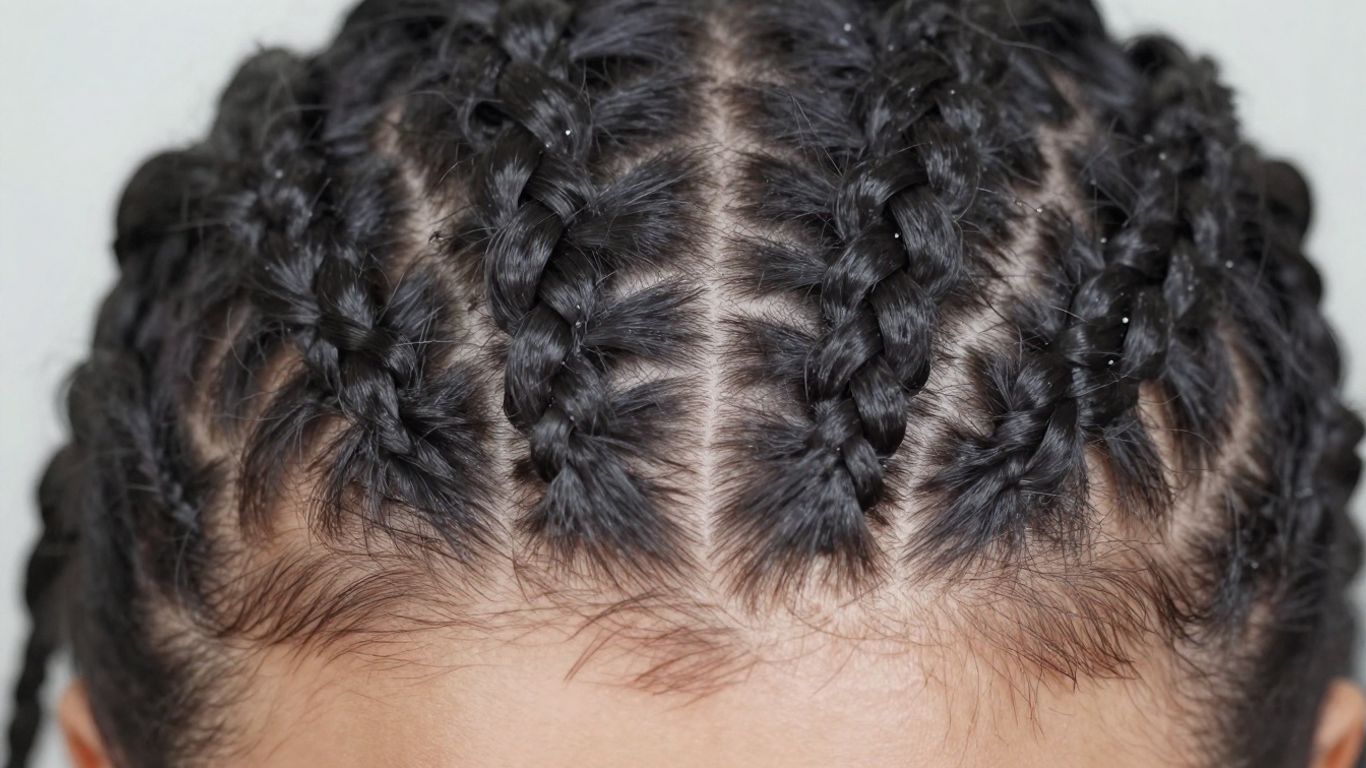
So, you’re on a mission to grow your hair longer, right? It’s a common goal, and honestly, it’s not just about how fast your hair grows from the scalp. The real trick is keeping that length once it’s there. That’s where protective styling really shines. Think of it like this: your hair might be growing at a steady pace, but if it’s constantly breaking off at the ends, you’ll never see the progress. Protective styles are designed to minimize that breakage, giving your hair a chance to actually get longer.
The Science Behind Length Retention
Hair growth is a biological process, happening at roughly the same rate for most people – about half an inch per month. Length retention, however, is all about keeping that growth. It’s the difference between your hair’s potential length and its actual visible length. When hair strands are constantly exposed to friction, heat, harsh weather, and excessive manipulation, the ends become weak and prone to splitting and breaking. Protective styles work by tucking away these vulnerable ends, shielding them from damage. It’s a simple equation: less breakage equals more visible length.
How Protective Styles Aid Growth
Protective styles help your hair grow longer by reducing the factors that cause breakage. They minimize the need for daily combing, brushing, and heat styling, which can all stress the hair shaft. By keeping the ends of your hair tucked away and protected, they are less likely to snag on clothing, get caught in the wind, or suffer from environmental damage. This allows the hair to grow undisturbed. For natural hair, which can be more delicate due to its curl pattern, this protection is especially important. Styles like knotless braids or cornrows, when installed correctly, reduce tension on the scalp and hair strands, further supporting healthy growth and preventing damage. It’s a way to give your hair a break and let it thrive.
Real User Experiences and ROI on Protective Styling
Lots of people have shared their success stories with protective styling. Many notice a significant difference in how much hair they retain after just a few months of consistent styling cycles. For example, someone might switch between wigs and braids, finding they experience much less shedding and breakage. This means fewer trips to the salon for trims to fix split ends, and over time, that adds up. It’s not just about saving money, though. People often feel more confident and less stressed about their hair because it requires less daily attention. It’s a smart investment in your hair’s long-term health and appearance, offering a great return on investment in terms of both time and hair quality. Many find that incorporating these styles into their routine helps them achieve their length goals more effectively than other methods.
Protective styling is a powerful technique for natural hair, offering a way to shield strands from both physical manipulation and environmental stressors. This approach helps to minimize damage and maintain hair health by reducing exposure to harsh conditions and excessive handling. Protective styling is key to seeing real length gains.
Here’s a quick look at how different styles can contribute:
- Box Braids: Known for their longevity, they keep ends securely tucked away for weeks.
- Knotless Braids: A gentler option that reduces tension, especially good for fragile hairlines.
- Twists (Senegalese, Passion, etc.): Offer versatility and protection while allowing for scalp access.
- Wigs and Crochet Styles: Provide excellent protection and allow for easy scalp maintenance between installations.
Maintaining Hair Health During Protective Styles
So, you’ve got your fabulous protective style in – maybe some neat box braids or sleek cornrows. That’s awesome! But here’s the thing: just because your hair is tucked away doesn’t mean you can forget about it. Keeping your hair healthy underneath the style is just as important, if not more so. It’s all about creating the right environment for your hair to thrive, even when it’s styled.
Protective Style Care and Scalp Maintenance
Think of your scalp as the garden bed for your hair. If the garden bed is dry and full of gunk, nothing good is going to grow. The same applies here. You need to keep that scalp clean and hydrated. Skipping washes or not moisturizing can lead to buildup, which can clog follicles and really mess with hair growth. It’s not just about looking good; it’s about keeping things healthy from the root.
Here’s a quick rundown of what to focus on:
- Scalp Cleansing: Yes, you still need to wash your hair, even with braids or twists. Aim for a gentle cleanse every couple of weeks, focusing on the scalp. You can use diluted shampoos or specialized scalp cleansers. A good Scalp Refreshing Spray can be a lifesaver for breaking down buildup between washes without messing up your style.
- Moisture Balance: Your scalp and hair still need hydration. Use lightweight oils or sprays to keep things moisturized. Jojoba oil or a hydrating mist works wonders. Just don’t go overboard, or you’ll end up with greasy roots.
- Nighttime Protection: Always protect your hair while you sleep. A satin bonnet or silk scarf prevents friction, which can lead to frizz and breakage, even under your protective style.
Common Protective Styling Mistakes to Avoid
It’s easy to fall into some common traps when wearing protective styles. I’ve seen friends make these mistakes, and honestly, I’ve probably made a few myself.
- Installing Too Tight: This is a big one. Braids or twists that are installed super tight can cause a lot of pain and, over time, lead to serious issues like traction alopecia, especially around the hairline. Always communicate with your stylist if something feels too snug.
- Leaving Styles In Too Long: While it’s tempting to keep a style in for months, your hair and scalp need a break. Leaving styles in for too long can lead to matting, severe tangling, and make it harder to properly cleanse your scalp.
- Skipping Moisture: Dry hair breaks. It’s that simple. Even though your ends are tucked away, the hair closest to your scalp still needs moisture. Don’t neglect it.
- Over-Manipulation: Constantly pulling your braids into tight ponytails or playing with them excessively can cause unnecessary stress and breakage.
The goal of a protective style is to minimize manipulation and protect your ends. If the style itself is causing more stress than it prevents, it’s time to re-evaluate.
Signs Your Protective Style Is Damaging Your Hair
Your body usually tells you when something isn’t right, and your scalp is no different. Pay attention to these warning signs:
- Persistent Scalp Pain: A little tightness initially is normal, but ongoing pain means something is wrong. It could be installed too tight or there might be irritation.
- Excessive Shedding: While some shedding is normal (we lose about 50-100 hairs a day), if you notice significantly more hair coming out than usual, especially when you gently tug at the roots, it’s a red flag.
- Hairline Thinning or Bald Patches: This is a serious sign of traction alopecia. If you see thinning edges or small bald spots forming, the tension is likely too much.
- Red Bumps or Sores: These can indicate irritation, infection, or ingrown hairs. It’s your scalp’s way of saying it needs attention, and you might need to take the style out sooner rather than later.
If you notice any of these, it’s best to take out the protective style immediately and give your scalp and hair some time to recover. Sometimes, a gentle hair care routine is all that’s needed to get back on track.
The Future of Protective Hairstyles
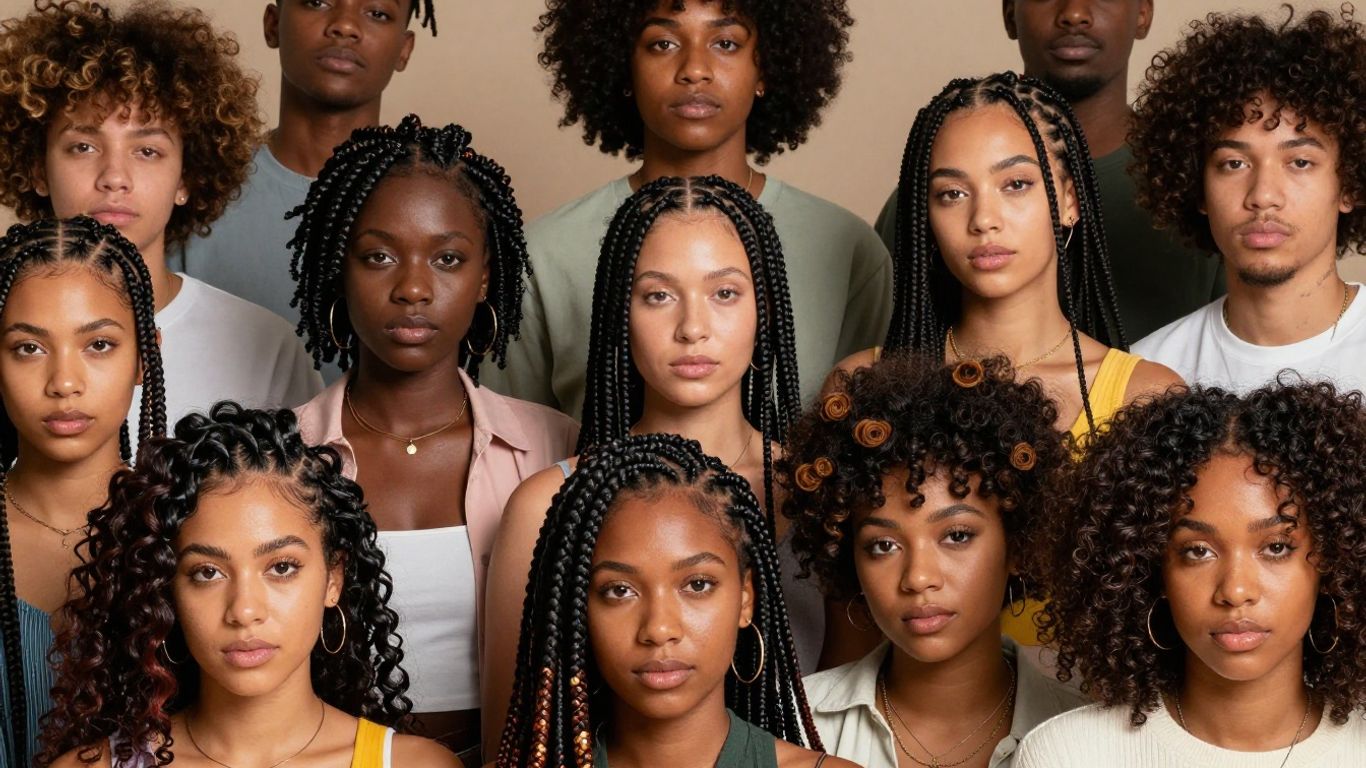
It feels like protective styles are always changing, right? What’s next on the horizon for braids, twists, and wigs? Well, things are getting pretty interesting. We’re seeing a big push towards styles that are not only good for our hair but also kinder to the planet. Think braiding hair made from recycled stuff, or even materials that break down more easily. It’s all about being more mindful.
Innovations in Braiding and Wig Technology
Remember when wigs felt a bit… obvious? Those days are fading fast. New wig technology, like ultra-thin HD lace and pre-plucked hairlines, makes them look incredibly natural. It’s getting harder to tell where the wig ends and your own hairline begins. Braiding techniques are evolving too. Knotless braids, for example, are a game-changer because they put way less tension on your scalp. This means less pulling and hopefully less of that dreaded traction alopecia. Crochet styles are also getting quicker to install with pre-looped extensions, which is a lifesaver when you’re busy.
Sustainability and Ethical Sourcing Trends
This is a huge one. People are asking more questions about where their hair extensions come from. There’s a growing demand for human hair that’s been ethically sourced, meaning the people who donated it were treated fairly. Companies are starting to be more open about their supply chains. We’re also seeing more braiding hair made from recycled materials or plant-based fibers. It’s a move away from plastics that just sit around forever. The goal is to make protective styling a more responsible choice.
Smart Integration with Scalp Care Technologies
This might sound a bit sci-fi, but it’s happening. Imagine hair systems that can actually monitor your scalp’s moisture levels. Some high-end wigs are starting to incorporate tiny sensors that give you feedback on how hydrated your scalp is. It’s like having a little hair assistant built right in. This kind of tech could help prevent dryness and irritation, making protective styles even healthier for your hair in the long run. It’s about combining the artistry of styling with actual health monitoring for better hair health.
The future of protective styling isn’t just about looking good; it’s about hair that feels good and is genuinely healthy. Innovations are making styles more comfortable, natural-looking, and sustainable. Plus, the integration of scalp care tech means we’re getting smarter about how we protect and grow our hair.
Cultural Significance and Personal Identity
Protective Styles and Deep Roots in African Culture
Protective styles aren’t just about keeping your hair safe from the elements or reducing breakage. For many, they carry a weight of history and tradition that goes way back. Think about cornrows, for instance. These aren’t new; they’ve been around for thousands of years, telling stories about tribe, social standing, and even age. It’s like wearing a piece of history. These styles were, and still are, a way to communicate identity before words were even spoken. They’re a visual language, deeply embedded in the fabric of African societies.
Heritage and Beauty Intersecting Through Haircare
It’s pretty amazing how hair can connect us to our ancestors and our culture. When you choose a protective style, you’re often tapping into a lineage of beauty practices. It’s more than just looking good; it’s about honoring traditions and celebrating where you come from. Many people find that wearing styles like braids or twists feels like a direct link to their heritage. It’s a way to keep cultural practices alive and vibrant in the modern world. This intersection of heritage and personal style is a powerful thing, showing that beauty and identity are deeply intertwined. It’s a way to feel grounded and connected, no matter where life takes you. For many, this connection is a source of strength and pride, making hair care a meaningful ritual. You can explore how different styles connect to heritage at African hair traditions.
Self-Expression and Cultural Pride
Ultimately, protective styles are a form of self-expression. They allow individuals to showcase their personality, creativity, and cultural background. Whether it’s a bold set of box braids, intricate cornrows, or a chic wig, each style is a statement. It’s a way to feel confident and beautiful while also celebrating your roots. This personal expression, tied to cultural pride, is a huge part of why these styles remain so popular. They empower people to embrace their natural hair and their identity fully. It’s about feeling good inside and out, and these styles help achieve that. The confidence that comes from rocking a style that feels authentic and meaningful is truly something special. It’s a way to show the world who you are, with style and grace. This personal connection to heritage is a big reason why protective styles are so much more than just a hairstyle; they are a declaration of self. You can find more on how these styles affirm identity at cultural affirmations.
Wrapping It Up: Your Hair’s Best Friend
So, there you have it. Protective styles are seriously a game-changer for keeping your hair healthy and growing. They help cut down on breakage, keep your ends safe, and honestly, just make life easier when you’re busy. Whether you’re rocking braids, twists, or a wig, remember that the key is to take care of your hair underneath and not leave styles in for too long. Listen to your hair, give it breaks, and keep it moisturized. Doing this means you’re not just styling your hair; you’re investing in its long-term health and strength. Happy styling!
Frequently Asked Questions
What exactly are protective hairstyles?
Protective hairstyles are ways of styling your hair that keep the ends tucked away and safe. Think of them like a cozy blanket for your hair! Styles like braids, twists, wigs, and cornrows help shield your hair from breaking, drying out, and getting tangled from everyday stuff like clothes or the weather. They give your hair a break so it can grow longer and stay healthier.
Why are protective styles so good for natural hair?
Natural hair, especially curly or coily types, can be a bit more delicate. The twists and turns in the hair strand make it easier to break. Protective styles help by reducing how much you touch, comb, or brush your hair daily. They also protect the very ends, which are the oldest and weakest parts, and help keep moisture locked in, which is super important for healthy hair.
How long should I keep a protective style in?
It’s best not to keep protective styles in for too long, as your hair needs a break too! Generally, styles like cornrows might last 2-4 weeks, while braids and twists can stay in for about 4-6 weeks. Leaving them in longer can lead to tangles, breakage, and buildup on your scalp, which isn’t good for healthy hair growth.
Do protective styles actually make my hair grow longer?
Protective styles don’t magically make your hair grow faster from the root, but they are amazing for helping you *keep* the length you already have. Hair grows about half an inch each month, but if it’s constantly breaking off at the ends, you never see that growth. By protecting your ends and reducing breakage, protective styles allow your hair to retain length, making it appear longer and healthier over time.
What are some common mistakes people make with protective styles?
A big mistake is installing styles too tightly, which can hurt your scalp and even cause hair loss around your hairline. Another common error is leaving styles in for way too long, leading to matting and breakage. Not moisturizing your scalp and hair enough while the style is in is also a problem, as dry hair breaks easily. Lastly, using very heavy extensions can put too much stress on your scalp.
Can I wash my hair while it’s in a protective style?
Yes, you absolutely should wash your hair while it’s in a protective style, usually every 2-3 weeks. The key is to focus on cleaning your scalp gently. You can use sulfate-free shampoos or diluted apple cider vinegar rinses. Keeping your scalp clean and moisturized is crucial for healthy hair growth underneath the style.