
New Year’s Day, or 元旦 (Yuándàn) as it’s known, is a time for fresh starts and celebrating new beginnings. It’s a day filled with traditions, both old and new, that help us reflect on the past and look forward to the future. From special greetings to festive activities, the start of the year is marked in unique ways. And of course, what better way to welcome the new year than with some inspired New Year’s Day (元旦; Yuándàn) makeup looks?
Key Takeaways
- New Year’s Day traditions often involve reflecting on the past year and setting goals for the future.
- Japanese New Year’s greetings, like ‘Shinnen no Aisatsu’, are important ways to connect with others at the start of the year.
- Customs such as ‘Otoshidama’ (money gifts for children) and sending ‘Nengajo’ (New Year’s cards) are cherished Japanese traditions.
- Festive activities like ‘Fukuwarai’ and the ringing of temple bells are common ways to celebrate and bring good luck.
- The concept of a collective birthday on New Year’s Day is a unique historical aspect of Japanese culture.
Embracing New Year’s Day Traditions
New Year’s Day, or 元旦 (Gantan), is a time steeped in tradition, offering a moment to pause and reset. It’s more than just a date on the calendar; it’s a cultural touchstone for reflection and planning.
Reflecting on the Past Year
Before we leap into the future, it’s customary to look back. This period is perfect for taking stock of the last twelve months. What were the highlights? What lessons were learned? It’s a chance to acknowledge accomplishments, big or small, and to process any challenges faced. This reflective practice helps us appreciate the journey and carry forward valuable insights.
Setting Future Goals
With the past acknowledged, attention turns to what lies ahead. Setting goals for the coming year is a widespread practice. Whether it’s personal growth, career aspirations, or health objectives, the start of the year provides a natural impetus for making resolutions. Many people find that writing down their intentions makes them more concrete. It’s about charting a course and committing to personal development.
The Significance of January 1st
January 1st holds a special place in many cultures. In Japan, for instance, it marks the first of the traditional seasonal festivals, known as Hatsu-zekku (初節句). This day is seen as a fresh start, a clean slate. It’s a time when families often come together, reinforcing bonds and sharing hopes for the year ahead. The collective nature of this celebration underscores its importance as a shared cultural moment.
The transition from one year to the next is a powerful psychological marker. It encourages us to evaluate our progress and to set intentions for continued growth and well-being. This tradition is deeply human, connecting us to cycles of renewal.
Here’s a look at common resolutions people set:
- Health & Wellness: Focusing on diet, exercise, or mental well-being.
- Personal Development: Learning a new skill, reading more, or practicing mindfulness.
- Financial Goals: Saving money, budgeting, or investing.
- Relationships: Spending more quality time with loved ones or improving communication.
This reflective and forward-looking approach to January 1st is a beautiful way to welcome the new year, setting a positive tone for the months to come. It’s a time for personal renewal, much like experimenting with New Year’s Eve makeup can feel like a fresh start.
Japanese New Year’s Greetings and Customs
When the New Year rolls around in Japan, there’s a whole set of special greetings and customs that come with it. It’s not just about saying “Happy New Year”; there’s a bit more to it, really. These traditions help mark the transition from the old year to the new one.
Understanding ‘Shinnen No Aisatsu’
‘Shinnen no aisatsu’ basically means New Year’s greeting. Leading up to January 1st, you’ll often hear people say “Yoi otoshi wo” (良いお年を), which is like saying “Have a great year!” It’s a way to bid farewell to those you won’t see before the year ends. But once the New Year hits, this phrase is out. The main greeting you’ll hear throughout January is “Akemashite omedetou gozaimasu” (明けましておめでとうございます), or the shorter “akeome” among younger folks. This is usually followed by “Kotoshimo yoroshiku onegaishimasu” (今年も宜しくお願いします), meaning something like “Thank you for your support in the coming year.” You might also see “Kingashinen” (謹賀新年) or “Gashou” (賀正) on cards, but these aren’t spoken.
The Tradition of ‘Otoshidama’
This one’s a favorite, especially for the kids! ‘Otoshidama’ are little envelopes filled with money that adults give to children during the New Year’s period. It’s a way to share good fortune and celebrate the new year with the younger generation. The amount can vary depending on the child’s age and the relationship between the giver and receiver.
Here’s a general idea of how much might be given:
| Age Group | Typical Amount (JPY) |
|---|---|
| Toddlers (0-3) | 1,000 – 2,000 |
| Young Children (4-6) | 2,000 – 3,000 |
| Older Children (7-12) | 3,000 – 5,000 |
| Teenagers (13+) | 5,000 – 10,000+ |
Sending New Year’s Cards (‘Nengajo’)
Sending New Year’s cards, or ‘Nengajo’ (年賀状), is a big part of the Japanese New Year. It’s similar to sending holiday cards in other countries, but with a specific timing. These cards are usually sent out in December so they arrive right on January 1st. They’re a lovely way to keep in touch with friends, family, and even colleagues, sharing updates from the past year and sending good wishes for the one ahead. It’s a thoughtful gesture that really connects people. You can find out more about sending Nengajo if you’re curious.
In Japan, if there’s been a death in the family, they observe a period of mourning called ‘monifukusu’. During this time, families won’t send out the usual New Year’s cards. Instead, they send out a ‘mochū hagaki’ (喪中葉書), which is a mourning card. This lets everyone know not to send them a New Year’s card that year, as a sign of respect for the deceased. It’s a quiet way to acknowledge loss while still marking the turn of the year.
Festive New Year’s Activities
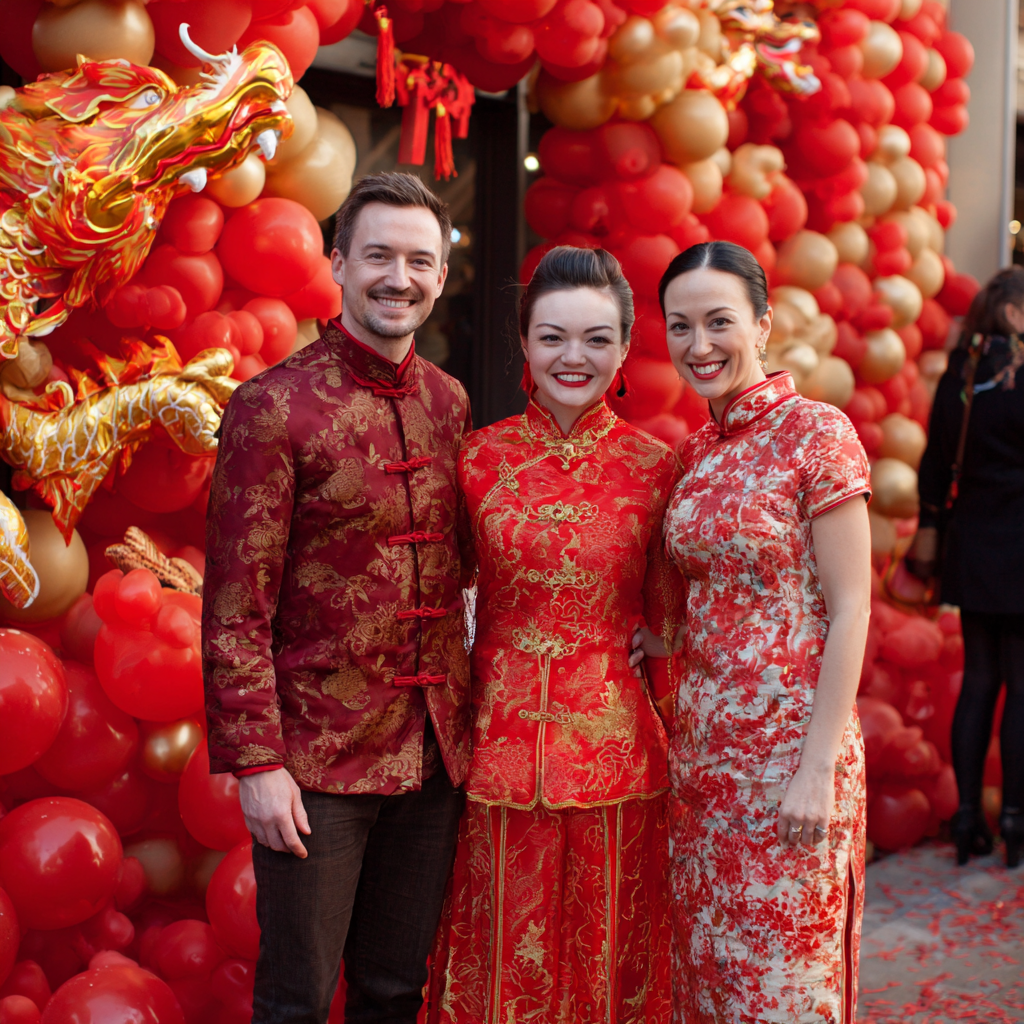
New Year’s Day in Japan is packed with activities that bring families together and set a positive tone for the coming year. It’s a time for both fun and reflection, blending traditional customs with simple joys.
The Joy of ‘Fukuwarai’
One of the most amusing traditions is Fukuwarai (福笑い), which literally translates to “luck laugh.” It’s a bit like a blindfolded game of drawing a face. You’re given a blank face outline and separate pieces for eyes, eyebrows, nose, and mouth. With a blindfold on, you try to place these features correctly. The results are almost always hilariously distorted faces, leading to lots of laughter. This game isn’t about winning; it’s purely about the shared amusement and the good vibes it creates, which is believed to bring good luck for the year ahead.
The Significance of Temple Bells
As midnight approaches on New Year’s Eve, a profound sound fills the air: the ringing of temple bells. Buddhist temples across Japan chime their bells 108 times. This isn’t just a countdown; each chime represents one of the 108 earthly temptations that humans must overcome to reach enlightenment or nirvana. It’s a solemn and beautiful ritual, marking the purification of the old year and welcoming the new with a sense of peace and spiritual renewal. It’s a moment many people pause to reflect before the New Year’s Day celebrations truly begin.
Family Reunions and Celebrations
New Year’s is a major holiday for family gatherings. Many people, especially those living away for work or school, travel back to their hometowns to spend this special time with their loved ones. These reunions are central to the New Year’s experience. Celebrations often involve sharing traditional foods like osechi-ryori (special New Year’s dishes), playing games, and simply enjoying each other’s company. It’s a time to reconnect and strengthen family bonds, making the start of the year feel warm and secure.
Unique Aspects of New Year’s Day
New Year’s Day, or 元旦 (Gantan), holds some really interesting traditions that set it apart. It’s not just about fireworks and resolutions; there are some deeper cultural threads woven into this day.
The Collective Birthday Tradition
Did you know that for a long time, people in Japan didn’t really celebrate individual birthdays? It sounds wild, right? Instead, everyone aged one year on New Year’s Day. Yep, the whole country celebrated birthdays together! Babies born on December 31st would turn two on January 1st, just the next day. So, the New Year was basically a massive, nationwide birthday party. It really ties into the reflective mood of the holiday, thinking about another year gone by, though I bet the morning after involved a lot of wishing for less celebratory drinks!
Welcoming the New Year with Family
Family is a huge deal for New Year’s in Japan. It’s a time when adult children often travel back to their hometowns to be with their parents and relatives. These family reunions are central to the celebrations, creating a warm and connected atmosphere as the year begins. It’s all about coming together and sharing the moment.
The First Seasonal Festival (‘Hatsu-zekku’)
New Year’s Day is recognized as the very first of the traditional seasonal festivals, known as sekku. Because it’s the first one, it gets the special name ‘Hatsu-zekku’ (初節句), with ‘hatsu’ meaning ‘first’. These festivals are traditionally celebrated on days where the month and day numbers match, a practice rooted in ancient Chinese beliefs about lucky odd numbers. It marks the start of a cycle of celebrations throughout the year, making January 1st a really significant date. It’s a great way to kick off the year’s festivities, much like how many cultures sing “Auld Lang Syne” to mark the occasion [1a0d].
The idea of the ‘Hatsu-zekku’ highlights how New Year’s isn’t just a single event but the beginning of a series of culturally important dates. It sets the tone for the entire year’s rhythm of celebrations and traditions.
New Year’s Day (元旦; Yuándàn) Makeup Inspiration
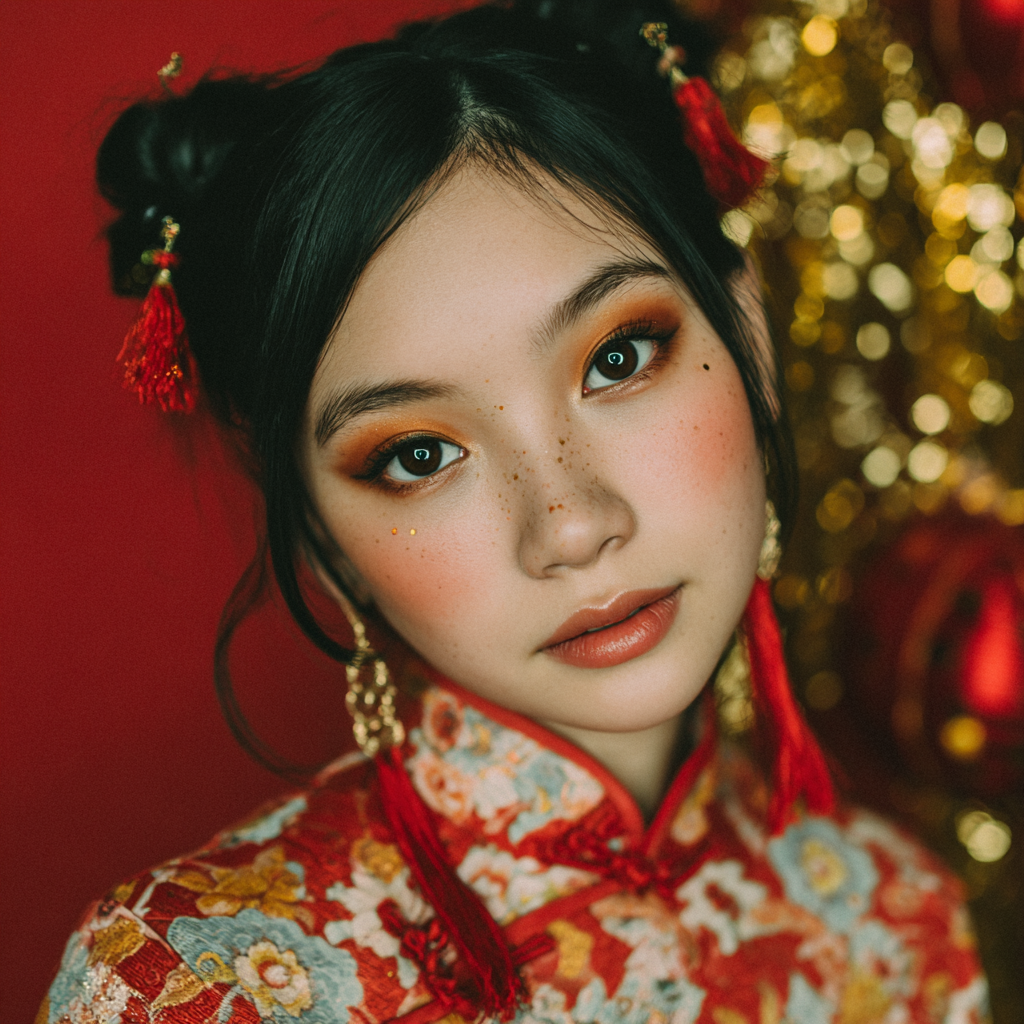
As we step into the new year, it’s the perfect time to refresh our look and embrace new beauty trends. Think of your makeup as a way to signal a fresh start, mirroring the spirit of 元旦. We’re talking about radiant looks that capture the hopeful energy of the season, moving beyond just your typical new year’s eve party makeup.
Radiant Looks for the New Year
This year, let’s focus on a luminous glow. It’s all about healthy-looking skin and a touch of sparkle. Forget heavy foundations; aim for a dewy finish that looks like you’ve just stepped out of a refreshing winter spa.
Here are some ideas to get you started:
- Dewy Skin: Use a hydrating primer and a light-coverage foundation or tinted moisturizer. A cream highlighter on the high points of your face (cheekbones, brow bone, cupid’s bow) will give you that natural sheen.
- Soft Eyes: Think subtle shimmer shadows in champagne, rose gold, or soft bronze. A thin line of liquid liner and a few coats of mascara are all you need.
- Pops of Color: A berry-toned lip or a hint of blush on the cheeks can add a festive touch without being overwhelming.
Festive Makeup for Celebrations
When it comes to celebrations, we can dial up the glam a bit. This is where we can play with more dramatic elements, drawing inspiration from holiday beauty looks but giving them a modern twist. It’s about feeling confident and celebratory.
Consider these festive makeup ideas:
- Glitter Accents: A touch of glitter on the inner corners of the eyes or a subtle shimmer liner can make a big impact.
- Bold Lips: A classic red or a deep berry lip is always a winner for special occasions. Make sure to prep your lips for a smooth application.
- Defined Brows: Well-groomed brows frame the face and add polish to any look. Consider using a brow pencil or gel to fill in any sparse areas.
Fresh Starts with New Year’s Day Makeup
This is your chance to experiment with new makeup trends and techniques. Think of it as a makeup reset, a way to express your aspirations for the year ahead. A celebration makeup tutorial can be a great starting point for trying something new.
The idea is to feel good and look good, reflecting the positive energy you want to bring into the coming months. It’s less about following strict rules and more about personal expression and embracing the joy of the new year.
This approach to makeup is about more than just aesthetics; it’s about setting a positive tone for the year. Whether you’re aiming for a subtle glow or a more striking look, the goal is to feel your best as you welcome the new year. For some artistic inspiration, you might even find unique character designs that spark your creativity like these.
Here’s a quick breakdown of elements to consider:
| Element | Subtle Look | Festive Look |
|---|---|---|
| Eyeshadow | Soft shimmer | Glitter or bold color |
| Lips | Nude or soft pink | Red or deep berry |
| Cheeks | Natural flush | Rosy or bronzed |
| Highlight | Creamy, natural | More intense shimmer |
| Liner | Thin, brown/black | Winged or colored |
Wrapping Up the New Year Vibes
So, that’s a wrap on ringing in the New Year! It’s pretty cool how different places celebrate, right? From the 108 bell chimes in Japan to the family gatherings and fresh starts, it all points to the same thing: a chance to look back and then look ahead. Whether you got cash in an envelope or just stayed up late, the main idea is starting fresh. Here’s hoping your 2024 is full of good stuff and maybe a little less of that New Year’s hangover feeling. Cheers to whatever comes next!
Frequently Asked Questions
What are some common ways people celebrate New Year’s Day?
Many people celebrate New Year’s Day by reflecting on the past year, thinking about what they want to achieve in the new year, and spending time with family and friends. Some traditions include watching fireworks, making resolutions, and exchanging gifts or special greetings.
What does ‘Shinnen no Aisatsu’ mean?
‘Shinnen no Aisatsu’ is a Japanese phrase that means ‘New Year’s greeting.’ It’s like saying ‘Happy New Year!’ in English. People use different phrases to greet each other during this time, like ‘Akemashite omedetou gozaimasu.’
What is ‘Otoshidama’?
Otoshidama is a Japanese tradition where children receive money in decorated envelopes from their parents and relatives as a New Year’s gift. It’s a fun way for kids to get some cash to start the year!
What is ‘Nengajo’?
Nengajo are New Year’s greeting cards that people send to friends and family in Japan. They often have special New Year’s messages written on them and are a way to send good wishes for the year ahead.
What is ‘Fukuwarai’?
Fukuwarai is a fun Japanese game played during New Year’s. It’s like a blindfolded version of ‘pin the tail on the donkey,’ where players try to put together a face using different parts. The goal is to laugh and have a good time, which is believed to bring good luck.
What is the ‘Hatsu-zekku’?
Hatsu-zekku is the first traditional seasonal festival of the year in Japan, which happens to be New Year’s Day. It’s part of a series of festivals celebrated on days where the number of the month matches the number of the day, a tradition that comes from an old belief that odd numbers bring good luck.






**prodentim official website**
ProDentim is a distinctive oral-care formula that pairs targeted probiotics with plant-based ingredients to encourage strong teeth, comfortable gums, and reliably fresh breath
**men balance**
MEN Balance Pro is a high-quality dietary supplement developed with research-informed support to help men maintain healthy prostate function.
**neurosharp official**
Neuro Sharp is an advanced cognitive support formula designed to help you stay mentally sharp, focused, and confident throughout your day.