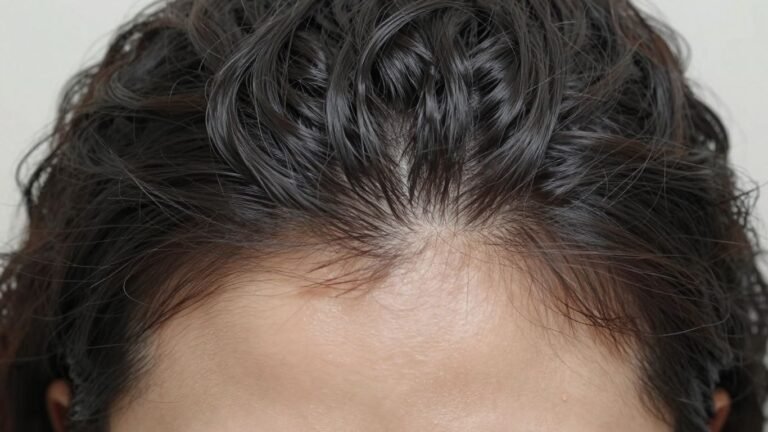
Alopecia refers to a range of conditions that lead to hair loss, and it can affect anyone, regardless of age or gender. Understanding the different types of alopecia is essential for finding the right treatment and coping strategies. In this article, we’ll break down the various types of alopecia, their characteristics, and what you can do about them.
Key Takeaways about Types of Alopecia
- Androgenetic alopecia affects both men and women, leading to gradual hair thinning and loss.
- Alopecia areata is an autoimmune disorder that can cause patchy hair loss and may vary in severity.
- Telogen effluvium is often triggered by stress and results in temporary hair shedding.
- Alopecia universalis leads to complete loss of hair on the scalp and body, and its causes are not fully understood.
- Traction alopecia is caused by hairstyles that put stress on hair follicles, but it can often be prevented with proper hair care.

Understanding Androgenetic Alopecia
Androgenetic alopecia, often called male or female pattern baldness, is super common. It’s mostly about your genes, and it affects tons of people. I’ve seen it in my own family, so I know it’s a real thing. It’s not just a cosmetic issue; it can really mess with your self-esteem. Let’s break down what makes this type of hair loss tick.
Characteristics of Male Pattern Baldness
Male pattern baldness usually starts with a receding hairline or thinning at the crown. It’s like your hair is making a strategic retreat. My uncle started losing his hair in his early 20s, and it followed that classic pattern. It can be tough to watch, but understanding the process can help you deal with it. The hair loss often progresses in a predictable way:
Receding hairline – typically starts at the temples and forms an M-shape as it moves backward.
Thinning crown – gradual hair loss at the top of the head that may expand outward over time.
Advanced balding – the receding hairline and thinning crown may eventually meet, leaving a horseshoe-shaped ring of hair around the sides and back of the head.
Exploring Alopecia Areata Variants
Alopecia areata isn’t just one thing; it comes in different forms, each with its own characteristics. It’s like hair loss with a twist! Let’s take a look at some of the main types you might encounter.
Alopecia Areata Overview
Alopecia areata is an autoimmune condition where the body’s immune system mistakenly attacks hair follicles. This leads to hair loss, often in patches. It can be a bit of a shock when you first notice it. The exact cause isn’t fully understood, but genetics and environmental factors are thought to play a role. It’s more common than you might think, and it can affect anyone, regardless of age or gender.
- It often starts with small, round bald patches on the scalp.
- The hair loss can be unpredictable; it might regrow on its own, or it might progress to more extensive hair loss.
- Sometimes, it can affect the nails, causing pitting or ridging.
Dealing with alopecia areata can be tough, but remember, you’re not alone. There are support groups and treatments available to help manage the condition and cope with the emotional impact.
Persistent Patchy Alopecia Areata
Persistent patchy alopecia areata is when the hair loss remains in patches and doesn’t seem to get better or worse over time. It’s like the hair loss is stuck in a holding pattern. The underlying cause is the same as regular alopecia areata – an immune system issue. It can be frustrating because the hair doesn’t fully regrow, but it also doesn’t keep spreading rapidly. Managing this type often involves trying to stimulate hair growth in the affected areas. If you are experiencing this, you may want to consider hair loss treatments.
Alopecia Totalis and Its Impact
Alopecia totalis is a more advanced form of alopecia areata where there’s complete hair loss on the scalp. It’s a significant change and can be emotionally challenging. Unlike patchy alopecia areata, it’s not just a few spots; it’s the entire head. The impact can be profound, affecting self-esteem and body image. While the exact triggers are still being researched, it’s believed to be an extreme version of the same autoimmune process that causes alopecia areata. Living with alopecia totalis often involves finding ways to cope with the hair loss, such as wearing wigs or head coverings, and seeking support from others who understand what you’re going through.
Here’s a quick comparison of the different types:
| Type | Hair Loss Pattern | Severity | Progression | Emotional Impact | Treatment Focus |
|---|---|---|---|---|---|
| Alopecia Areata | Patchy | Mild | Variable | Moderate | Reduce inflammation, stimulate hair growth |
| Persistent Patchy AA | Stable patches | Moderate | Stagnant | Moderate | Stimulate hair growth in affected areas |
| Alopecia Totalis | Complete scalp hair loss | Severe | Rapid | High | Coping strategies, address emotional well-being |
Identifying Telogen Effluvium

Telogen effluvium (TE) is a weird one. Basically, it’s when you start shedding a ton of hair, way more than usual. It can be super alarming, but the good news is it’s often temporary. It’s like your hair follicles all decided to take a vacation at the same time. I remember when my friend Sarah went through this after a really stressful period at work. She was freaking out, but it eventually resolved itself.
Causes of Stress-Induced Hair Loss
Okay, so stress is a biggie. But it’s not just emotional stress; physical stress can do it too. Think major surgery, a bad infection, or even childbirth. These events can shock your system and push a large number of hair follicles into the telogen (resting) phase. It’s like your body is saying, “Okay, hair growth is not a priority right now!” Other causes include:
- Sudden weight loss
- Changes in diet
- Certain medications
Symptoms of Telogen Effluvium
The most obvious symptom is increased hair shedding. We’re talking clumps of hair in the shower drain, on your pillow, everywhere. It’s usually diffuse, meaning it’s all over your scalp, not just in one spot. You might notice your hair feels thinner, but it rarely leads to complete baldness. It’s more of an overall thinning, especially around the temples and crown. It’s important to note that lab testing is recommended if the cause is unclear.
Treatment Options for Telogen Effluvium
Honestly, the best “treatment” is often just time. Since TE is usually triggered by something specific, addressing that trigger is key. If it’s stress, find ways to manage it. If it’s a medication, talk to your doctor about alternatives.
In many cases, telogen effluvium resolves on its own once the triggering factor is removed or addressed. However, if the hair loss persists, there are options. Minoxidil (Rogaine) can sometimes help stimulate hair growth. Also, making sure you’re getting enough nutrients is important. A balanced diet with enough iron, zinc, and vitamins can support hair health.
Here’s a quick rundown of potential treatments:
- Ruling out nutritional deficiencies
- Minoxidil
- Managing stress
Recognizing Alopecia Universalis

Complete Hair Loss Explained
Alopecia universalis is a step beyond alopecia totalis. It means complete hair loss, not just on the scalp, but everywhere on the body. We’re talking eyebrows, eyelashes, pubic hair – everything. It’s a pretty big deal, and understandably, it can have a huge impact on someone’s self-esteem.
Differences from Other Alopecia Types
So, how does alopecia universalis stack up against other types of hair loss? Well, the main difference is the extent of the hair loss. With alopecia areata, you usually see patches of hair loss. Alopecia totalis is just the scalp. But alopecia universalis? It’s the whole shebang. It’s also important to distinguish it from scarring alopecia (where hair follicles are destroyed and replaced by scar tissue, making regrowth impossible) versus non scarring alopecia, where the follicles are still intact, offering a chance for regrowth.
Potential Triggers and Causes
What sets off alopecia universalis? Honestly, it’s still a bit of a mystery. Like other forms of alopecia, it’s considered an autoimmune condition, meaning the body’s immune system mistakenly attacks its own hair follicles. But what triggers this attack? That’s the million-dollar question. Genetics likely play a role, and some researchers think environmental factors might also be involved. It’s not contagious, and it’s not caused by anything you did or didn’t do. Sometimes, it can be associated with other autoimmune diseases. It’s also important to rule out other causes of hair loss scarring alopecia through proper diagnosis.
Living with alopecia universalis can be tough, but there are support groups and resources available to help people cope with the emotional and psychological effects. Remember, you’re not alone, and there are people who understand what you’re going through.

Understanding Traction Alopecia
Traction alopecia is a type of hair loss types of hair loss that develops from prolonged or repetitive pulling on your hair. It’s something I’ve seen a lot of people deal with, especially those who frequently wear certain hairstyles. The good news is, it’s often preventable and sometimes reversible if caught early.
Causes of Traction Alopecia
The main culprit behind traction alopecia is hairstyles that put constant tension on the hair follicles. Think tight braids, cornrows, weaves, extensions, and even consistently wearing your hair in a tight ponytail or bun. The weight of extensions can also contribute, as can using rubber bands too tightly. Over time, this repeated stress damages the hair follicles, leading to thinning and eventual hair loss. It’s not just about the style itself, but also how long and how often you wear it.
Risk Factors and Prevention
Several factors can increase your risk of developing traction alopecia. These include:
- Wearing tight hairstyles frequently.
- Having fine or chemically treated hair, which is more susceptible to damage.
- Using heavy hair extensions or weaves.
- Not giving your hair breaks between tight styles.
To prevent traction alopecia, it’s important to:
- Opt for looser hairstyles that don’t pull on the scalp.
- Avoid wearing the same tight style every day.
- Take breaks between weaves, extensions, and braids.
- Be gentle when brushing or combing your hair.
Treatment Strategies for Traction Alopecia
If you suspect you have traction alopecia, the first step is to stop wearing the hairstyles that are causing the problem. Early on, hair may grow back once the tension is removed. However, if the condition is left untreated for too long, the damage to the hair follicles can become permanent. Treatment options may include:
- Topical medications like minoxidil to stimulate hair growth.
- Corticosteroid creams to reduce inflammation.
- In some cases, hair transplant surgery may be an option to restore hair in areas where the follicles are severely damaged.
It’s really important to catch traction alopecia early. The longer you wait, the harder it is to reverse the damage. Pay attention to your scalp and how your hair feels. If you notice any thinning or soreness, it’s time to change your styling habits.

Exploring Diffuse Alopecia Areata
Characteristics of Diffuse Alopecia
Diffuse alopecia areata, sometimes mistaken for telogen effluvium, is a tricky one. Instead of those classic, well-defined bald patches you see with regular alopecia areata, diffuse alopecia causes a more spread-out thinning across the scalp. It’s like your hair is just gradually losing density all over, which can make it harder to spot at first. You might just think your hair is getting thinner as you age, or that it’s just not as full as it used to be.
Differences from Other Alopecia Types
What sets diffuse alopecia apart from other types? Well, with androgenetic alopecia (male or female pattern baldness), there’s usually a pretty predictable pattern of hair loss. And with alopecia areata, you get those distinct patches. But diffuse alopecia? It’s more subtle and less localized. It’s also different from traction alopecia, which is caused by tight hairstyles pulling on the hair follicles. The key difference lies in the pattern and the underlying cause. Here’s a quick comparison:
- Alopecia Areata: Patchy hair loss
- Androgenetic Alopecia: Patterned hair loss
- Traction Alopecia: Hair loss due to tension
- Diffuse Alopecia Areata: Generalized thinning
Diffuse alopecia areata can be particularly distressing because it’s not always obvious at first. People might not realize they have a problem until they’ve lost a significant amount of hair. This can lead to anxiety and frustration, as it’s harder to pinpoint the cause and start treatment.
Management and Treatment Options
So, what can you do about diffuse alopecia? The first step is figuring out what’s causing it. Sometimes it’s stress, other times it’s a medication, or even a hormonal change. Once you know the trigger, you can start to address it. Here are some common approaches:
- Stress Management: If stress is the culprit, try relaxation techniques like yoga or meditation.
- Medication Review: Talk to your doctor about any medications you’re taking that might be contributing to hair loss.
- Topical Treatments: Minoxidil can sometimes help stimulate hair growth.
It’s also a good idea to see a dermatologist. They can run tests to rule out other conditions and recommend the best course of action for your specific situation.

Alopecia in Children
Hair loss in children can be distressing for both the child and their parents. It’s important to remember that while hair loss can be a symptom of an underlying issue, many childhood hair loss conditions are treatable. Let’s explore some common types of alopecia that affect kids.
Common Types of Alopecia in Kids
Several types of alopecia are more frequently seen in children than adults. Tinea capitis, also known as scalp ringworm, is a fungal infection that’s a common culprit. Alopecia areata, an autoimmune condition, can also manifest in childhood, sometimes triggered by genetics. Traction alopecia, while less common, can occur due to tight hairstyles. These conditions require different approaches, so proper identification is key.
Signs and Symptoms to Watch For
Recognizing the signs early can make a big difference. Here are some things to look out for:
- Patchy hair loss: This is a common sign of alopecia areata or tinea capitis.
- Scalp changes: Redness, scaling, or itching may indicate a fungal infection.
- Hair breakage: This can be a sign of traction alopecia, especially if the child frequently wears tight braids or ponytails.
- Changes in hair texture: Sometimes, the hair may become thinner or more brittle before noticeable hair loss occurs.
It’s important to consult a pediatrician or dermatologist if you notice any unusual hair loss in your child. Early diagnosis and intervention can often prevent further hair loss and promote regrowth.
Treatment Approaches for Pediatric Alopecia
Treatment varies depending on the type of alopecia. For tinea capitis, antifungal medications are usually prescribed. Alopecia areata may be treated with topical corticosteroids or other immune-modulating therapies. Traction alopecia requires a change in hairstyling practices to reduce tension on the hair follicles. In some cases, observation and reassurance may be the best approach, as some conditions resolve on their own. Understanding your hair type is crucial for choosing the right treatments and preventing further damage.

Wrapping Up: Understanding Alopecia
In conclusion, hair loss can be a tough journey for many. Alopecia comes in different forms, each with its own quirks and challenges. Whether it’s androgenetic alopecia, alopecia areata, or any other type, knowing what you’re dealing with is the first step. There are treatments out there that can help, but it’s important to remember that results can vary. If you or someone you know is facing hair loss, don’t hesitate to reach out for support. You’re not alone in this, and with the right information and care, there’s hope for healthier hair ahead.
Frequently Asked Questions
What is alopecia?
Alopecia is a term used for different types of hair loss. It happens when hair follicles, which are responsible for growing hair, are damaged or destroyed. Hair loss can range from small patches to complete baldness.
What causes androgenetic alopecia?
Androgenetic alopecia, also known as male or female pattern baldness, is mostly caused by genetics. It affects both men and women and leads to gradual hair thinning and loss.
What is alopecia areata?
Alopecia areata is an autoimmune disorder where the immune system mistakenly attacks hair follicles, leading to sudden hair loss in patches.
How can I treat telogen effluvium?
Telogen effluvium is often temporary and can be treated by managing stress, improving nutrition, and sometimes using medications to promote hair growth.
What is traction alopecia?
Traction alopecia is hair loss caused by hairstyles that pull on the hair, like tight ponytails or braids. It can often be prevented by changing hairstyles and avoiding tight styles.
Can children get alopecia?
Yes, children can experience alopecia, especially types like alopecia areata. It’s important for parents to recognize the signs and seek treatment if necessary.